

Let’s dispense with the notion that the theatrical experience is a charming relic of a bygone era. For certain films, it remains not merely preferable, but utterly indispensable to their artistic integrity and impact. No distributor understands this better, or executes on it with more conviction, than A24.
The A24 Paradox
In an industry increasingly obsessed with subscriber numbers and day-and-date releases, A24 has carved out a fascinating, almost defiant, niche. They are the purveyors of the singular vision, the challenging narrative, the kind of film that often defies easy categorization or mass-market appeal. Yet, for many of their most impactful releases, they have shrewdly doubled down on the theatrical model, understanding that the dark room is not just a distribution channel, but an essential component of the cinematic event. They are not merely selling tickets; they are curating experiences.
While the biggest studios chase franchise fatigue and the algorithm's whims, A24 has cultivated a brand identity synonymous with quality and a certain audacious artistic spirit. Their release strategy, often beginning with an exclusive theatrical run, establishes a film's gravitas before it ever reaches the smaller screens of homes. This initial exhibition is a declaration of artistic intent, signaling to critics and audiences alike that what they are about to see demands a particular kind of attention and environment.
Sound, Scope, and Shared Experience
Consider Alex Garland’s recent Civil War. To experience the visceral chaos and stark beauty of that film on anything less than a towering screen with a truly robust sound system is to rob it of its very essence. Ben Salisbury and Geoff Barrow’s haunting score, coupled with the meticulously crafted sound design – the crack of gunfire, the chilling silence – achieves its intended effect only when it saturates your senses, unhindered by ambient home distractions. The immense scale, the breathtaking cinematography from Rob Hardy, and the sheer audacity of its visual storytelling simply cannot be replicated on a television, no matter how large.

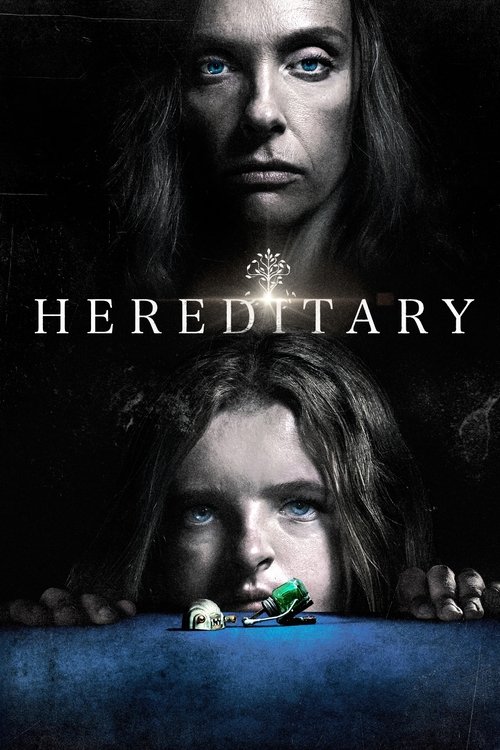
Similarly, the creeping dread of Ari Aster’s Hereditary or Robert Eggers’ The Witch relies on an almost liturgical concentration from the audience. The shared gasp, the communal recoil in a darkened cinema, amplifies the terror in a way a solo watch on a tablet simply cannot replicate. These aren't merely 'movies to see in theaters'; they are films fundamentally designed for that environment, their textures and rhythms calibrated for an undistracted, immersive reception. The very concept of 'suspension of disbelief' is aided immeasurably by the removal of domestic distractions and the collective focus of an audience.

An Uncompromising Vision
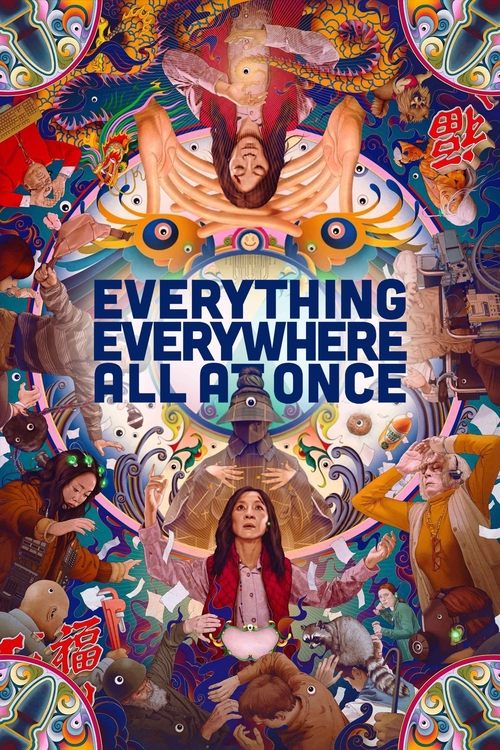
A24’s strategy isn't simply about maximizing box office; it’s about honoring the filmmaker’s intent. Directors like Daniel Kwan and Daniel Scheinert (The Daniels) crafted Everything Everywhere All at Once with dizzying visual ambition and rapid-fire editing that rewards, and frankly requires, a large screen to fully appreciate its kinetic energy and intricate detail. It's a film that thrives on sensory overload, a quality diminished by any viewing short of the cinema.
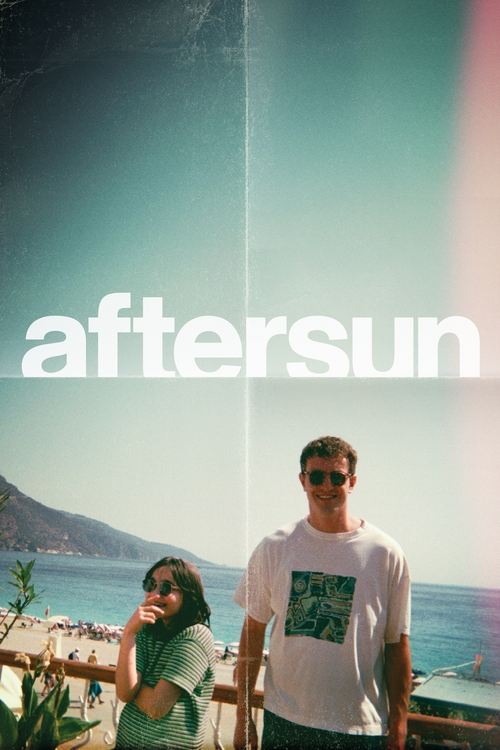
Even a film like Charlotte Wells’ Aftersun, while more intimate in scope, gained a critical and cultural footprint from its theatrical run, establishing its quiet brilliance and allowing it to linger in the zeitgeist before hitting streaming platforms. A theatrical debut signals to both critics and audiences that a film demands attention, that it is an event, not just another tile in an endless grid. This initial rollout isn’t merely about ticket sales; it’s about establishing a film’s artistic weight and cultural relevance, which then informs its longer life on streaming and beyond. It’s a shrewd, principled approach to distribution that recognizes the fundamental difference between 'content' and 'cinema.'
A24’s discerning approach to theatrical distribution serves as a vital bulwark against the erosion of cinematic artistry. They remind us that the 'dark room' is not just a venue; it’s a canvas, a crucible, and for many films, the only place they can truly come alive. And for that, we should be genuinely grateful.

![Outlander: Seasons 1–5 [Blu-ray]](https://m.media-amazon.com/images/I/71tlWlGdBpL._SL1001_.jpg)


