The Pen, the Keyboard, and the Algorithm: AI in the Writer's Room
AI's entry into the writers' room isn't just a technological novelty; it's a profound shift in how screenplays are conceived, organized, and pitched. Far from replacing human creativity, these tools are empowering writers to navigate the complex landscape of film production with unprecedented efficiency and strategic insight.
Forget the dystopian visions of AI churning out soulless scripts that make us question our humanity. The real conversation around artificial intelligence in the writers' room is far more grounded, and frankly, far more exciting for anyone who cares about the craft of screenwriting and the business of making movies. From my own experiments with AI in animation and digitizing my old 16mm claymation, I've seen firsthand how these tools aren't just parlor tricks; they're becoming indispensable.
For too long, the image of the lone screenwriter toiling in obscurity has been romanticized, often at the expense of practical efficiency. Yet, cinema is an industry, a collaborative art form built on meticulous planning and clear communication. AI isn't here to write the next great script; it's here to empower the screenwriter to build it better, faster, and with a clearer vision for the journey from page to screen.
The New Storyboard: AI for Outlines and Organization
One of the most immediate and profound benefits of AI for screenwriters lies in its capacity for outlining and organization. The blank page remains the writer's greatest challenge, but AI can serve as an exceptionally diligent assistant. Imagine feeding an AI your premise, core characters, and a handful of key plot points. It can then generate multiple variations of beat sheets, explore different narrative structures, or even identify potential plot holes before they become headaches.
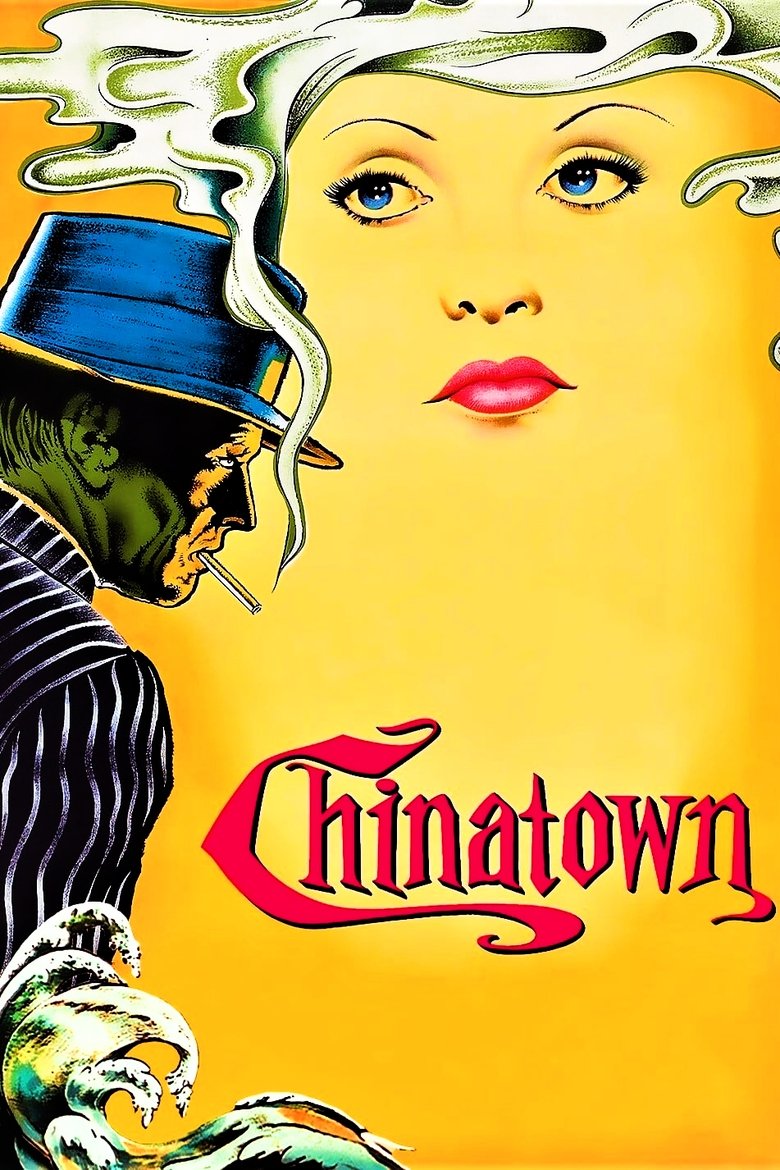
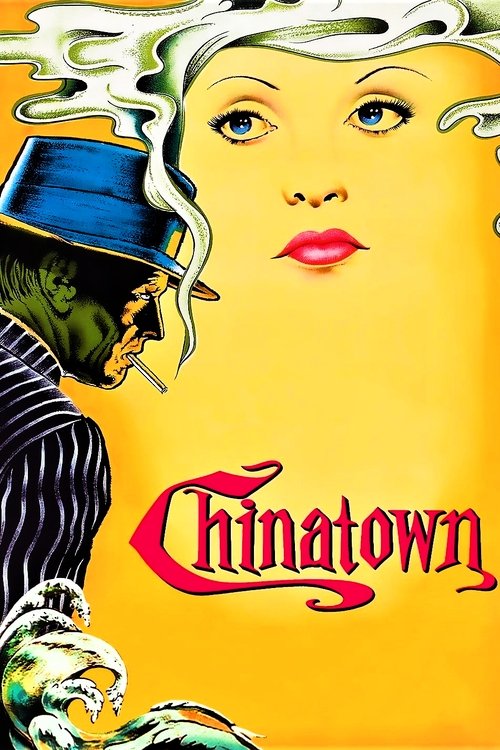
Take a script as intricately woven as Robert Towne's work on Chinatown (1974). Its layered mystery and precise unfolding of information are a masterclass in structure. While human genius is irreplaceable, AI could have offered a writer like Towne an instant canvas of alternative twists, character motivations, or dialogue options, allowing him to refine his choices against a backdrop of possibilities. Similarly, for a complex, non-linear narrative like The Social Network (2010), AI could help a writer like Aaron Sorkin manage the myriad timelines and character interactions, ensuring every thread serves the larger tapestry. This isn't about AI writing the scene, but about giving the writer an unparalleled organizational and brainstorming tool to keep the creative momentum flowing.

From Concept to Cash: AI for Budgeting and Scheduling
Beyond the narrative, AI is stepping into the crucial, often overlooked, logistical aspects of filmmaking: budgeting and scheduling. A great script is only as good as its potential to be produced. For independent filmmakers or those pitching ambitious projects, AI can be a game-changer.
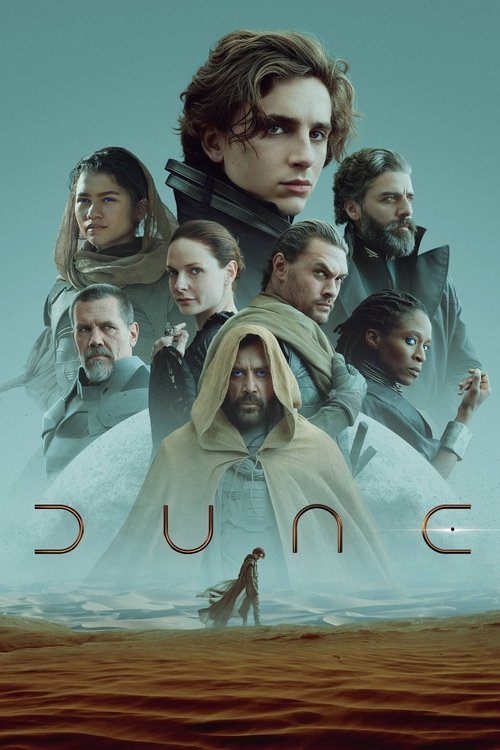
Consider a script with massive scope, like Denis Villeneuve's Dune (2021). Estimating the cost of visual effects, intricate set pieces, location shoots, and specialized talent is a monumental task. AI, trained on vast datasets of production costs and timelines from similar films, can provide remarkably accurate preliminary budgets and schedules. This isn't just about crunching numbers; it's about giving screenwriters a realistic framework for their vision, helping them understand the practical implications of a particular scene or special effect. This foresight allows them to craft their story not just for emotional impact, but for logistical feasibility—a critical element in attracting producers and financiers.
Mastering the Pitch: Institutional Language and Investor Relations
Perhaps the most unsung benefit of AI is its ability to help screenwriters translate their creative vision into the institutional language that investors and studio executives expect. A brilliant screenplay can falter if its accompanying pitch deck or synopsis fails to articulate its market potential, target audience, or competitive advantages.
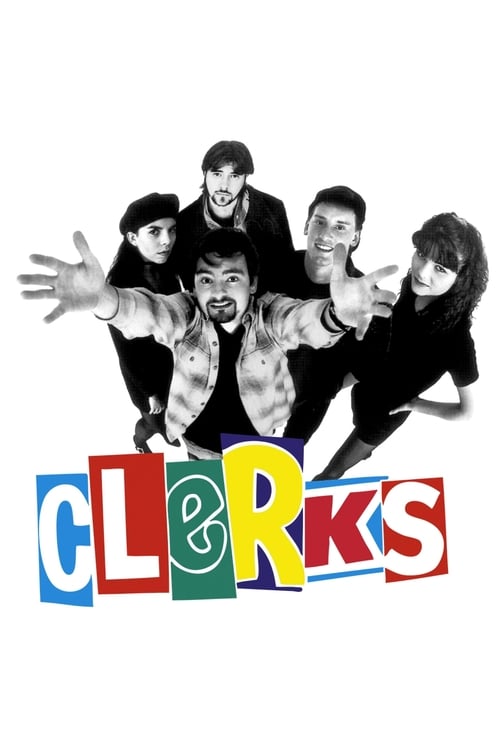
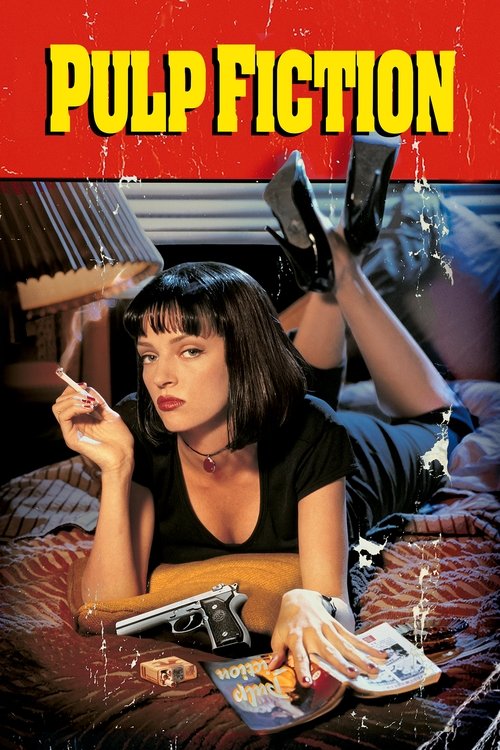
AI tools can assist in crafting compelling loglines, detailed synopses, and executive summaries that speak directly to the business side of filmmaking. It can identify industry keywords, analyze trends, and even help writers structure their pitches to highlight elements that resonate with specific investor profiles. Think about the clarity and confidence with which Quentin Tarantino must have pitched Pulp Fiction (1994) or Kevin Smith pitched Clerks (1994)—films that defined a generation. While their voices were unmistakably their own, AI could have helped refine the articulation of their vision, ensuring no potential investor's question went unaddressed in the initial proposal.
Ultimately, AI in the writers' room isn't about replacing the human heart of storytelling. It's about augmenting the writer's toolkit, allowing them to focus more on the pure creative act while offloading the heavy lifting of organization, analysis, and strategic communication. It's not a threat to the artist; it's an incredibly powerful amplifier, ensuring that more great stories find their way from concept to the screen, efficiently and effectively.
