
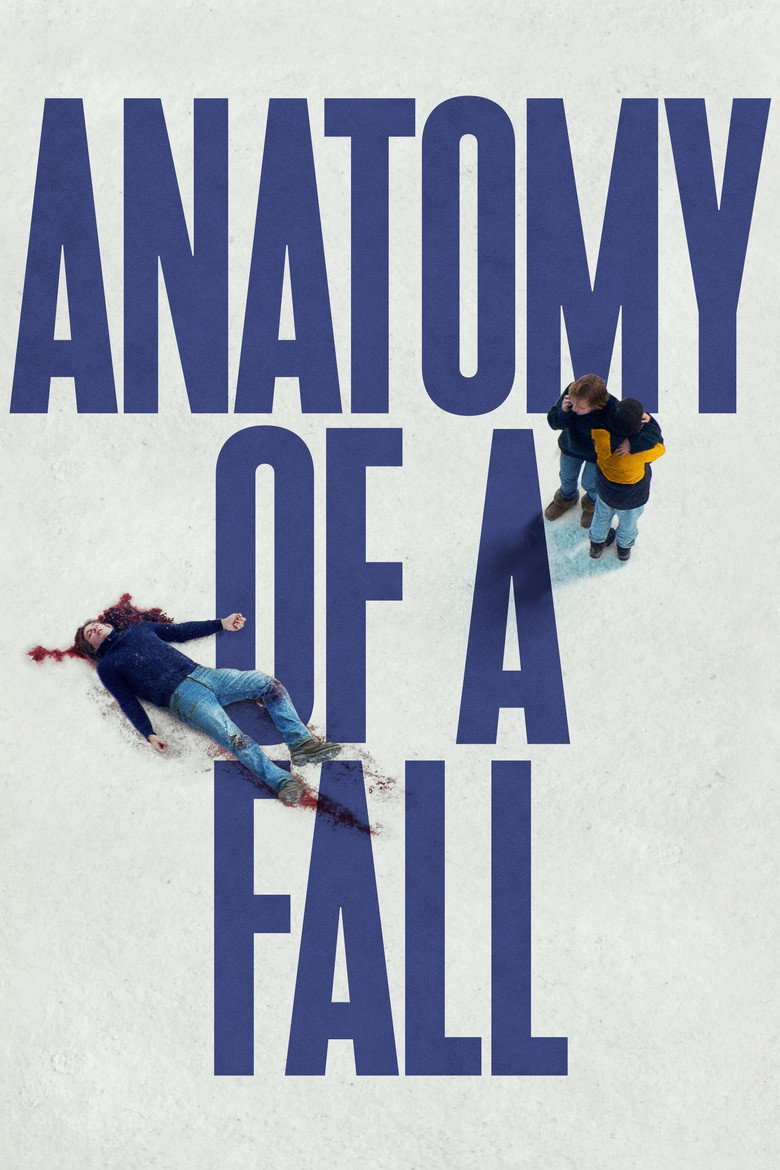
The Uncomfortable Brilliance of Justine Triet's Anatomy of a Fall
Justine Triet's <em>Anatomy of a Fall</em> is a masterclass in ambiguity, dissecting not just a potential crime, but the very fabric of human relationships and the elusive nature of truth. It's a challenging, rewarding watch that demands your full attention and leaves you questioning everything.
There are films that ask you to simply watch, and then there are those that demand you interrogate your own perceptions. Justine Triet’s Anatomy of a Fall is decidedly the latter, a masterclass in ambiguity that dissects not just a potential crime, but the very fabric of human relationships and truth itself. It’s a rare beast in cinema: a courtroom drama that cares less about the verdict and more about the uncomfortable dissection of memory and motive.
The Dissecting Gaze of Justine Triet
Triet, with cinematographer Simon Beaufils, crafts a meticulous, almost clinical look at a family unraveling. From the opening scene, where the incessant thud of music deliberately obstructs a polite interview, we are plunged into a world where communication is fraught, and perception is everything. The initial, jarring sound design immediately signals that this won't be a gentle ride. The camera never judges; it merely observes, allowing the audience to become the ultimate, uncomfortable jury. We watch as the once-private life of writer Sandra Voyter is meticulously picked apart by legal process, each piece of evidence, each testimony, a shard of potential truth that might or might not align with reality. Triet’s direction is precise, measured, building tension not through manufactured jump scares but through the slow, agonizing accretion of doubt. It's a testament to her command of the form that a film largely reliant on dialogue and legal procedure feels so utterly gripping.
Sandra Hüller's Masterclass in Ambiguity
One cannot discuss Anatomy of a Fall without immediately turning to Sandra Hüller. Her performance as Sandra Voyter is an electrifying tightrope walk, utterly devoid of the usual histrionics one might expect from a woman accused of murder. Hüller embodies a character who is prickly, intelligent, and fiercely independent, yet also deeply vulnerable and, crucially, unknowable. She commands the screen with a quiet intensity, speaking English, French, and German, often switching languages mid-sentence, underscoring the film’s themes of translation and misinterpretation—not just of words, but of motives and emotions. Her portrayal of a woman under immense scrutiny, who refuses to offer easy apologies or fit neatly into any prescribed narrative, is nothing short of hypnotic. It’s a performance that will be studied for years, a nuanced portrait of resilience and raw honesty.
The Echoes of Truth in a Courtroom
The film’s brilliance lies in its refusal to offer easy answers. While ostensibly a courtroom drama, its true subject is the impossibility of fully knowing another person, even a spouse. The legal proceedings become a crucible, stripping away the privacy of a marriage, exposing its flaws, its resentments, and its contradictions for public consumption. Triet pulls from the best traditions of the genre – Akira Kurosawa’s Rashomon comes to mind with its fractured perspectives on a single event, or perhaps even a more contemporary film like Asghar Farhadi's A Separation, where moral ambiguities ripple through every interaction. But Anatomy of a Fall manages to feel entirely fresh, turning the standard “who did it” into a profound inquiry into “what did we truly know?” The young son, Daniel, forced to be the central witness, finds himself burdened with a decision that no child should have to make, further blurring the lines between fact and fabrication, perception and memory.


Anatomy of a Fall is not merely a legal thriller; it’s a profound meditation on memory, language, and the inherent subjectivity of truth. It's a film that demands your attention, rewards your scrutiny, and then leaves you wrestling with its implications long after the credits roll. If you're looking for international cinema that challenges and invigorates, this is your appointment viewing.
