Streamer Money — Apple: The Brand, The Billions, The Blurred Vision
November 10, 20264 min readBy Cinema Dialogue
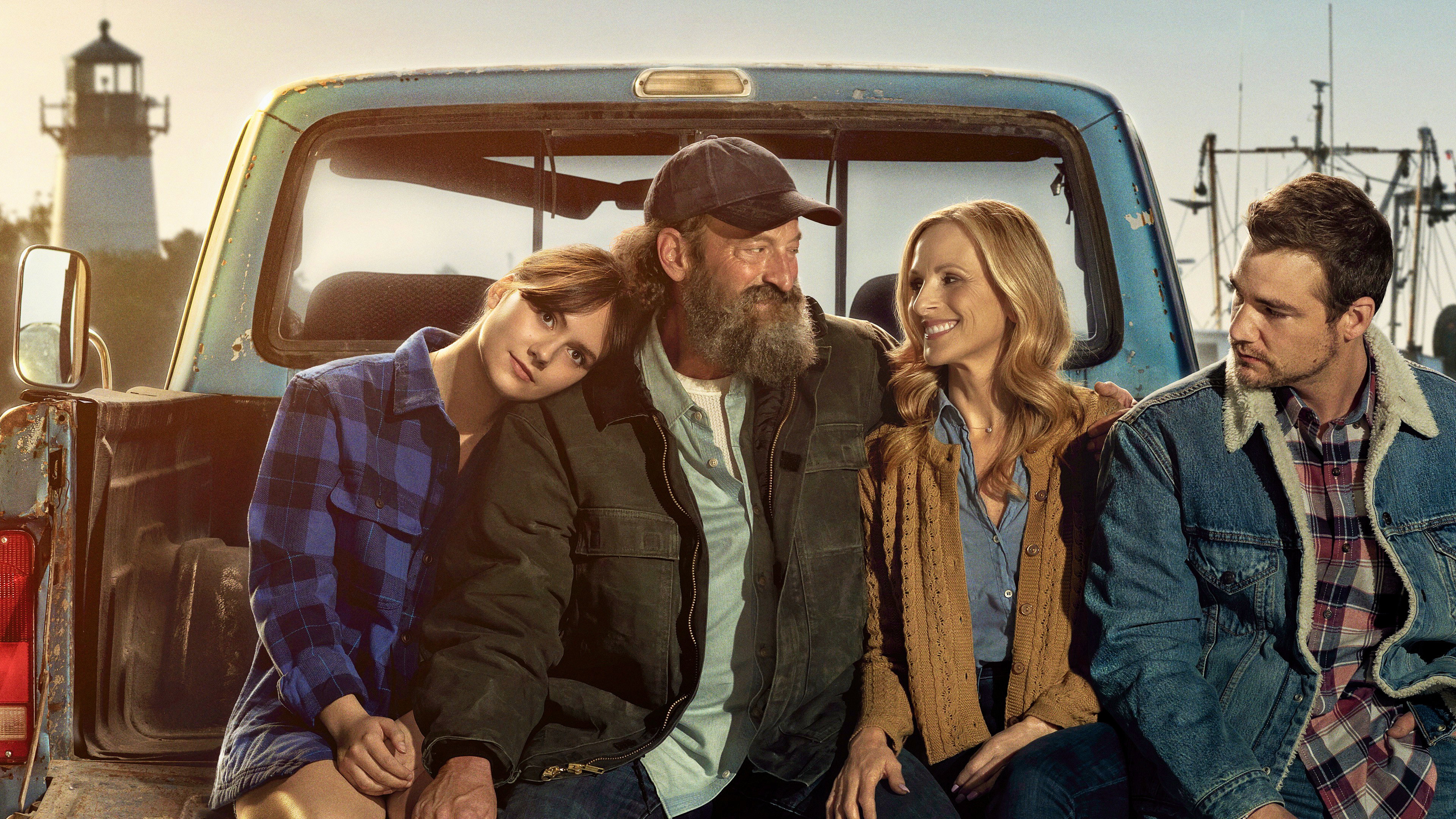
A still from CODA (2021) · TMDB
INDUSTRY ANALYSIS
Streamer Money — Apple: The Brand, The Billions, The Blurred Vision
By Cinema Dialogue ·
Apple, with its almost unimaginable financial reserves, entered Hollywood with an aggressive strategy. But after years of high-profile acquisitions and mega-budget originals, what has this tech giant truly achieved, and what does it ultimately seek from the cinematic landscape?
When Apple decided to plant its flag in the cinematic landscape, it wasn't a gentle entry. It was an assault of capital, leveraging its unfathomable coffers to buy its way into Hollywood relevance. The narrative was simple: if you have enough money, you can acquire prestige. But unlike traditional studios built on generations of storytelling, or even streaming rivals like Netflix forged in content aggregation, Apple’s foray into film has always felt like a means to an end, a luxurious perk to bolster its core business rather than a genuine commitment to the art form itself.
The Pursuit of Prestige and the Golden Ticket
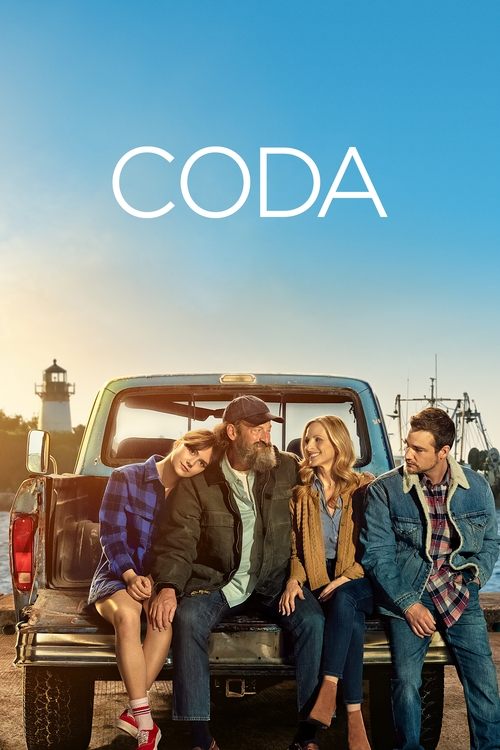
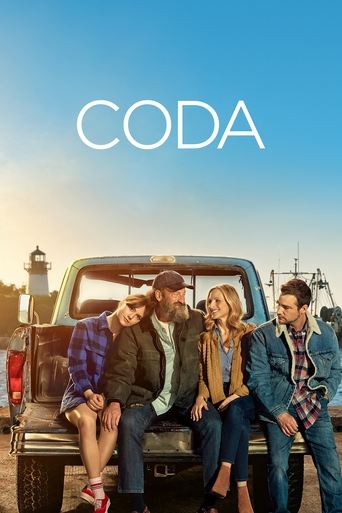
Apple’s initial strategy was clear: buy awards. Instead of painstakingly developing a slate, it swooped in, acquiring festival darlings with pre-baked critical acclaim. The most notable triumph of this approach was Sian Heder’s CODA (2021), a heartwarming drama that went on to win the Academy Award for Best Picture. This victory wasn't just a win for Apple TV+; it was a loud, expensive statement. It declared that Apple could not only play in Hollywood’s highest echelons but could conquer them. This was less about fostering cinematic voices and more about affixing a golden star to the Apple brand, a strategic move designed for cultural cachet rather than organic growth in the film industry.
CODA
Big Swings, Mixed Returns, and Mega Budgets
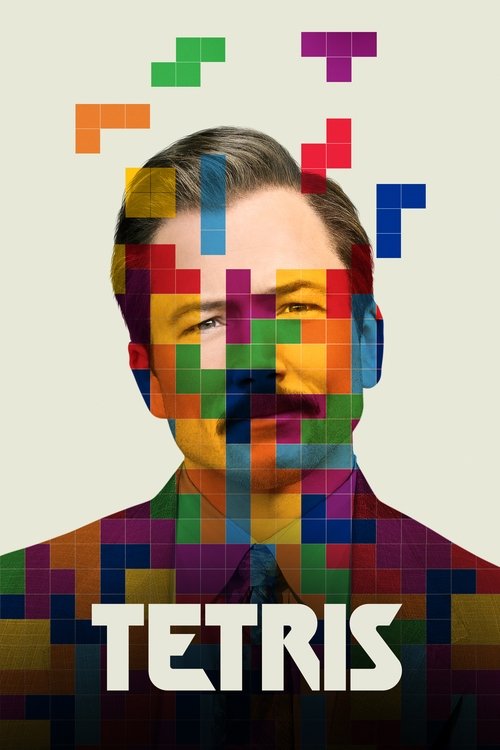
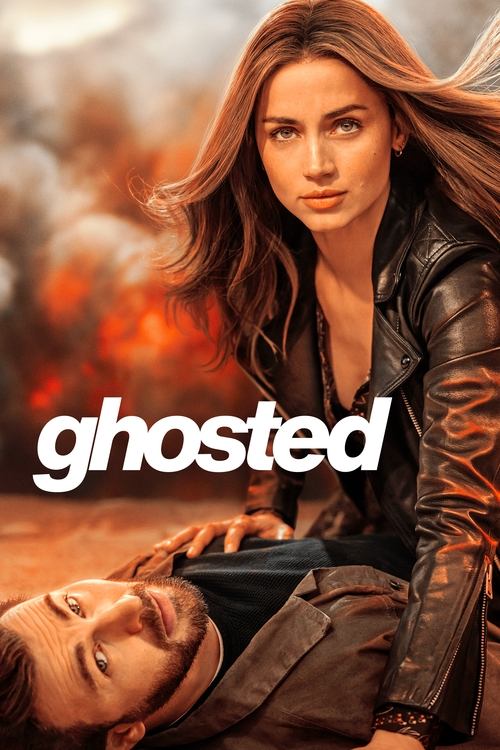
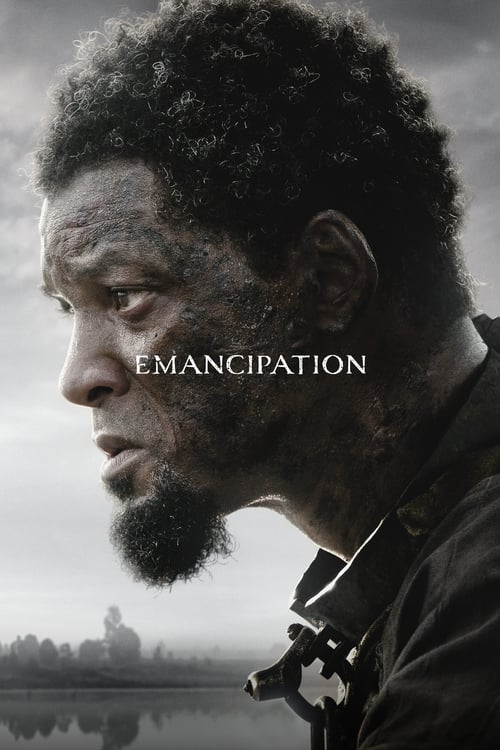
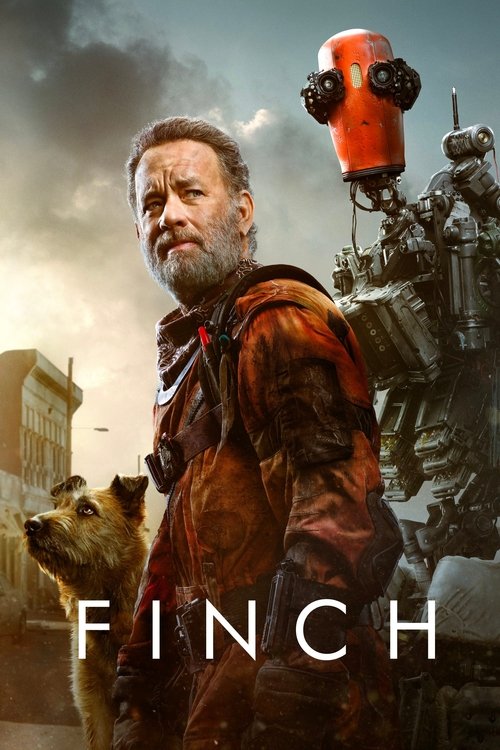
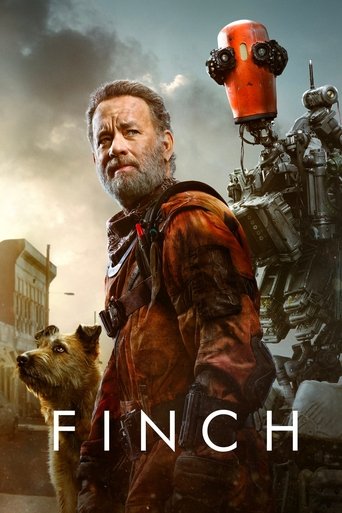
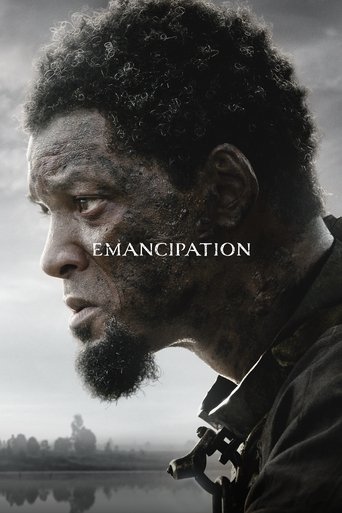
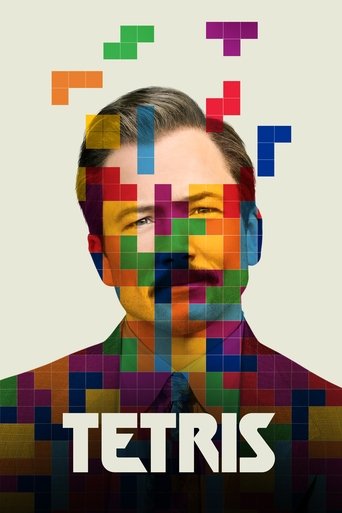
Beyond acquisitions, Apple has poured extraordinary sums into original productions, often chasing undeniable star power and established IP. Will Smith’s Emancipation (2022), a harrowing historical drama, reportedly cost upwards of $120 million after tax breaks and production delays. Chris Evans and Ana de Armas were paired for the action-comedy Ghosted (2023), another multi-million dollar gamble that aimed for blockbuster appeal but landed with a critical thud. Even Tom Hanks, a proven draw, fronted the post-apocalyptic sci-fi film Finch (2021). Then there's Tetris (2023), a surprisingly engaging Cold War thriller about the rights to a video game, which still felt like an expensive, quirky gamble. These projects represent a significant investment in spectacle and recognizable faces, a strategy that often yields diminishing returns when not paired with a clear, compelling creative vision. It suggests a company that can buy talent, but perhaps not reliably harness it for consistent, groundbreaking cinema.
TetrisGhostedEmancipationFinch
The Quiet Dramas and Indie Bets
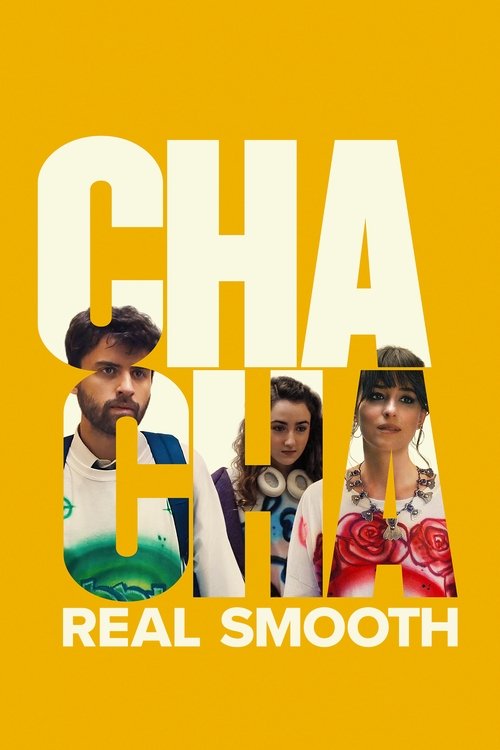
Amidst the big-budget swings and awards-season maneuvers, Apple has also quietly supported smaller, critically lauded films that speak to a different kind of ambition. Cooper Raiff's Cha Cha Real Smooth (2022), a charming indie about a college graduate finding his footing, and Lila Neugebauer's poignant drama Causeway (2022), starring Jennifer Lawrence as a soldier recovering from trauma, offered a glimpse into a more discerning curatorial eye. These films, often acquired at festivals or developed with a focus on character and nuanced storytelling, stand in stark contrast to their tentpole counterparts. They demonstrate that Apple is capable of supporting genuine artistry, but they often get lost in the marketing noise generated by the company's flashier, more expensive endeavors. It's an interesting dichotomy that reveals a split personality: the brand that chases Oscars with one hand, and quietly funds thoughtful cinema with the other.
CausewayCha Cha Real Smooth
The Bottom Line: What Does Apple Want?
Ultimately, Apple’s cinematic output feels less like a passion project and more like a high-end utility. Its objective isn't to revolutionize filmmaking or cultivate a new generation of auteurs; it's to enhance the value proposition of its sprawling ecosystem. Film for Apple is a premium feature, a reason to subscribe to Apple TV+, to buy an iPhone, to immerse oneself deeper into the walled garden. The reported billions spent are not just production costs; they are marketing expenses on an unprecedented scale, designed to generate prestige and perception. Apple has successfully proven it can make Oscar-winning films and draw major stars, but it has yet to articulate a clear, distinctive cinematic identity. Until it does, its billions will continue to fund a fascinating, expensive, but ultimately fragmented vision of what cinema can be.
Films in this article
Open any title for its cast, box office and trailer. Budget and worldwide gross from TMDB where published.
Title
Director / creator
Starring
Budget
Worldwide gross
(2021)
Sian Heder
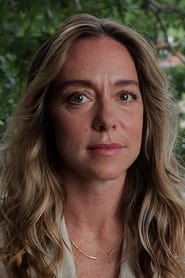
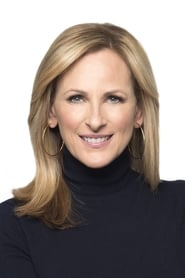
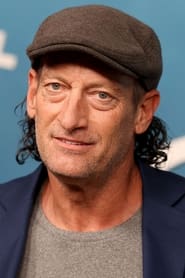
Emilia Jones, Marlee Matlin, Troy Kotsur
$10M
$1.9M
CODA (2021)
Every family has its own language.
Director
Released
August 13, 2021
Runtime
1h 52m
Budget
$10M
Worldwide gross
$1.9M
Starringas Ruby Rossi · as Jackie Rossi · as Frank Rossi · as Bernardo Villalobos · as Miles
Born June 23, 1977 · Cambridge, Massachusetts, USA
Siân Heder (/ˈʃɑːn ˈheɪdər/; born June 23, 1977) is an American filmmaker who is best known for writing and directing the films Tallulah and CODA. CODA earned Heder an Academy Award for Best Adapted Screenplay and a BAFTA Award for Best Adapted Screenplay.
Also known forOrange Is the New Black(2013) · Tallulah(2016) · GLOW(2017) · Little America(2020)
Emilia Annis I. Jones (born 23 February 2002) is a British actress. She is best known for her lead role as a child of deaf adults in the drama film CODA (2021), for which she received a British Academy Film Award nomination for Best Actress.
Also known forPirates of the Caribbean: On Stranger Tides(2011) · One Day(2011) · Doctor Who(2005) · Ghostland(2018)
Born August 24, 1965 · Morton Grove, Illinois, USA
Marlee Bethany Matlin (born August 24, 1965) is an American actress. She is the youngest woman and the only deaf actress to date to win the Academy Award for Best Actress in a Leading Role, which she won at age 21 for Children of a Lesser God. Her work in film and television has resulted in a Golden Globe award, with two additional nominations, and four Emmy nominations.
Also known forFamily Guy(1999) · Law & Order: Special Victims Unit(1999) · Seinfeld(1989) · Desperate Housewives(2004)
Troy Michael Kotsur (born July 24, 1968) is an American actor and director. Deaf since birth, he was raised in Mesa, Arizona where he first became interested in acting while attending Phoenix Day School for the Deaf.
Also known forThe Mandalorian(2019) · The Number 23(2007) · Foundation(2021) · Curb Your Enthusiasm(2000)
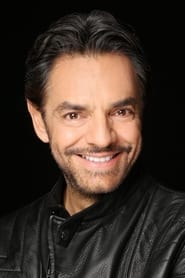
Eugenio Derbez (born September 2, 1962) is a Mexican actor, comedian, writer, director, and producer. He has appeared in many films and television series, including The Book of Life, The Angry Birds Movie 2, and CODA. Derbez provided the Spanish dubs for many characters in the Spanish versions of American films, including Dr. Dolittle, Mulan, 102 Dalmatians, and the Shrek franchise.
Also known forGeostorm(2017) · The Book of Life(2014) · Jack and Jill(2011) · The Nutcracker and the Four Realms(2018)
Born October 12, 1999 · Ashford, County Wicklow, Ireland
Ferdia Walsh-Peelo (born 12 October 1999) is an Irish actor and musician. He made his film debut in the musical Sing Street (2016) and television debut in the History series Vikings (2017–2020). He has since appeared in the films Here Are the Young Men (2020) and CODA (2021). He is currently with a band called The Fynches.
Also known forVikings(2013) · Sing Street(2016) · Pistol(2022) · Here Are the Young Men(2021)
As a CODA (Child of Deaf Adults), Ruby is the only hearing person in her deaf family. When the family's fishing business is threatened, Ruby finds herself torn between pursuing her love of music and her fear of abandoning her parents.
Born January 7, 1974 · Hammersmith, London, England, UK
Miguel Sapochnik is an English film and television director and former storyboard artist. He is best known as the director of the feature Repo Men and HBO series Game of Thrones, as well as for his work on several other U.S. television series (Awake, Fringe, House, Mind Games).
Also known forGame of Thrones(2011) · House(2004) · House of the Dragon(2022) · True Detective(2014)
Thomas Jeffrey Hanks (born July 9, 1956) is an American actor and filmmaker. Known for both his comedic and dramatic roles, Hanks is one of the most popular and recognizable film stars worldwide, and is widely regarded as an American cultural icon.
Hanks made his breakthrough with leading roles in the comedies Splash (1984) and Big (1988).
Also known forForrest Gump(1994) · Toy Story(1995) · The Green Mile(1999) · Saving Private Ryan(1998)
Caleb Landry Jones (born December 7, 1989) is an American actor and musician. He first gained recognition for his supporting roles as Banshee in X-Men: First Class (2011), Jeremy Armitage in Get Out (2017), Jack Hicks in The Florida Project (2017), and Red Welby in Three Billboards Outside Ebbing, Missouri (2017). The latter earned him a SAG Award.
His leading roles include Syd March in Antiviral (2012), Ty Carter i…
Also known forGet Out(2017) · Breaking Bad(2008) · No Country for Old Men(2007) · X-Men: First Class(2011)
Ms. Martinez-Cunningham is an American actress of film and screen from New Mexico. She is known for her roles in Sicario, The Book of Eli, and Maze Runner.
Also known forBreaking Bad(2008) · Maze Runner: The Scorch Trials(2015) · Sicario(2015) · The Book of Eli(2010)
On a post-apocalyptic Earth, a robot, built to protect the life of his dying creator's beloved dog, learns about life, love, friendship, and what it means to be human.
Antoine Fuqua (born May 30, 1965) is an American director. He began his career directing music videos for artists such as Toni Braxton, Coolio, Stevie Wonder, and Prince. His first feature film was the John Woo-produced action film The Replacement Killers (1998), starring Chow Yun Fat. He then directed the crime thriller Training Day (2001), for which star Denzel Washington won an Academy Award for Best Actor.
Also known forThe Equalizer(2014) · Olympus Has Fallen(2013) · Training Day(2001) · The Magnificent Seven(2016)
Born September 25, 1968 · Philadelphia, Pennsylvania, USA
Willard Carroll Smith II (born September 25, 1968) is an American actor, rapper, and film producer. Known for his work in both the screen and music industries, his accolades include an Academy Award, a Golden Globe Award, a BAFTA Award, and four Grammy Awards.
Also known forSuicide Squad(2016) · I Am Legend(2007) · Men in Black(1997) · I, Robot(2004)
Born October 29, 1980 · Boston, Massachusetts, USA
Benjamin A. Foster (born October 29, 1980) is an American actor. His films include The Punisher (2004), X-Men: The Last Stand and Alpha Dog (both 2006), 30 Days of Night (2007), The Messenger and Pandorum (both 2009), The Mechanic (2011), Contraband (2012), Kill Your Darlings and Lone Survivor (both 2013), The Program (2015), Warcraft (2016), and Leave No Trace (2018).
Also known forX-Men: The Last Stand(2006) · Warcraft(2016) · Inferno(2016) · Hell or High Water(2016)
Charmaine Bingwa is a Zimbabwean-Australian actress and writer. She's known for her powerful portrayal of Carmen in the CBS legal drama The Good Fight (2020–2022).
Also known forBack to the Outback(2021) · Black Box(2020) · The Good Fight(2017) · Nekrotronic(2018)
Gilbert Owuor is a Kenyan-American actor known for his roles as Bash in Reprisal (TV series) , Maksim in Mute (2018 film), Father Anan in Goliath (TV series), Craig in Calls (TV series), Paul Decker in No Man of God, Minus in True Blood, Ronald in The Newsroom (American TV series), and Malik in Castle (TV series).
Also known forTrue Blood(2008) · Castle(2009) · Mute(2018) · The Newsroom(2012)
Inspired by the gripping true story of a man who would do anything for his family—and for freedom. When Peter, an enslaved man, risks his life to escape and return to his family, he embarks on a perilous journey of love and endurance.
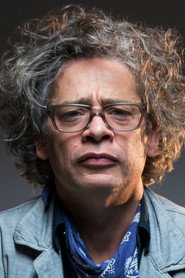
Dexter Fletcher OBE (born 31 January 1966) is an English film director and actor. He has appeared in Guy Ritchie's Lock, Stock and Two Smoking Barrels, as well as in television shows such as the comedy drama Hotel Babylon and the HBO series Band of Brothers and, earlier in his career, starred as Spike Thomson in the comedy drama Press Gang.
Also known forRocketman(2019) · Eddie the Eagle(2016) · The Offer(2022) · Wild Bill(2011)
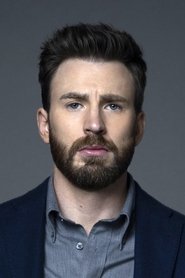
Christopher Robert Evans (born June 13, 1981) is an American actor. He gained worldwide recognition for portraying Steve Rogers / Captain America in various Marvel Cinematic Universe films, from Captain America: The First Avenger (2011) to Avengers: Secret Wars (2027).
Also known forThe Avengers(2012) · Avengers: Infinity War(2018) · Avengers: Endgame(2019) · Avengers: Age of Ultron(2015)
Ana Celia de Armas Caso (born 30 April 1988) is a Cuban-Spanish actress. She began her career in Cuba at age 16 with a leading role in the romantic crime drama Virgin Rose (2006). At 18 she obtained her Spanish passport through her maternal grandparents, which allowed her to legally relocate to Spain to pursue acting. She moved to Madrid and starred in the popular drama El Internado (2007–2010).
Also known forBlade Runner 2049(2017) · Knives Out(2019) · No Time to Die(2021) · War Dogs(2016)
Born April 14, 1973 · Woodhaven, Queens, New York City, New York, USA
Adrien Nicholas Brody (born April 14, 1973) is an American actor and visual artist. Prolific in both independent films and blockbusters, he has received various accolades, including two Academy Awards, a BAFTA Award, and a Golden Globe Award, with nominations for three Emmy Awards and a Laurence Olivier Award.
Also known forThe Grand Budapest Hotel(2014) · Peaky Blinders(2013) · The Pianist(2002) · King Kong(2005)
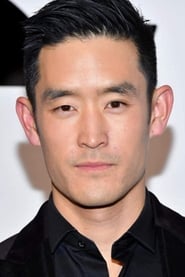
Mike Moh (born August 19, 1983) is an American actor and martial artist. A fifth degree black belt in American Taekwondo, Moh is perhaps best known for his roles as martial arts legend Bruce Lee in the 2019 film Once Upon a Time in Hollywood, and Ryu in the web series of Street Fighter: Assassin's Fist (2014) and Resurrection (2016) or in the FOX drama series Empire where he made a few appearances.
Also known forOnce Upon a Time in… Hollywood(2019) · House(2004) · Castle(2009) · Marvel's Inhumans(2017)
Amy Louise Sedaris (/sɪˈdɛərɪs/; born March 29, 1961) is an American actress, comedian, and writer. Most recently, she has appeared in The Mandalorian (2019–2023) and The Book of Boba Fett (2022) as Peli Motto.
Also known forThe Mandalorian(2019) · The Simpsons(1989) · The Lion King(2019) · Shrek the Third(2007)
Salt-of-the-earth Cole falls head over heels for enigmatic Sadie—but then makes the shocking discovery that she's a secret agent. Before they can decide on a second date, Cole and Sadie are swept away on an international adventure to save the world.
Born January 1, 1972 · Aberdeen, Aberdeenshire, Scotland, UK
Jon S. Baird (born 9 November) is a Scottish film director. Born and raised in Aberdeenshire, he began his career at BBC Television.
Baird studied at the University of Aberdeen in the 1990s, where he graduated with an MA in Politics and International Relations.
Also known forFilth(2013) · Stan & Ollie(2018) · Vinyl(2016) · Cape Fear(2026)
Born November 10, 1989 · Birkenhead, Merseyside, England, UK
Taron Egerton (/ˈɛdʒərtən/ EJ-ər-tən; born 10 November 1989) is a Welsh actor. After graduating from the Royal Academy of Dramatic Art, he performed in stage plays before gaining recognition for his starring role as a spy in the action comedy films Kingsman: The Secret Service (2014) and Kingsman: The Golden Circle (2017).
Egerton has starred in several biographical films, portraying military officer Edward Brittain…
Also known forKingsman: The Secret Service(2015) · Kingsman: The Golden Circle(2017) · Sing(2016) · Rocketman(2019)
Nikita Mikhailovich Yefremov (Russian: Никита Михайлович Ефремов; born 30 May 1988; Moscow) is a Russian film actor, theatre actor, voice acting and dubbing actor, known for his roles in television series Londongrad (2015), The Thaw (2013) and in the film Cinderella (2012). He is a son of Mikhail Yefremov and a grandson of Oleg Yefremov.
Also known forBones(2005) · Leto(2018) · Ivan Tsarevich & the Grey Wolf(2011) · Ivan Tsarevich & the Grey Wolf 2(2013)
Sofya Lebedeva was born on December 14, 1993 in Obninsk, Kaluzhskaya oblast, Russia. She is an actress, known for McMafia (2018), Posledniy ministr (2020) and Neulovimye: Posledniy geroy (2015).
Also known forVikings: Valhalla(2022) · McMafia(2018) · The Dawns Here are Quiet(2015) · The Wizard of the Emerald City, Part I(2025)
Anthony Boyle (born 8 June 1994) is an Irish actor. A graduate of Royal Welsh College of Music and Drama in Cardiff, Boyle began his acting career on London stage and rose to prominence for originating the role of Scorpius Malfoy in the West End and Broadway productions of the British play Harry Potter and the Cursed Child (2016), for which he won the Laurence Olivier Award for Best Actor in a Supporting Role and was…
Also known forGame of Thrones(2011) · The Lost City of Z(2017) · Tolkien(2019) · Masters of the Air(2024)
Born September 29, 1966 · Wimbledon, London, England, UK
Benjamin Charles Miles (born 29 September 1966) is an English actor, best known for his starring role as Patrick Maitland in the television comedy Coupling, from 2000 to 2004, as Montague Dartie in The Forsyte Saga, from 2002 to 2003, as Peter Townsend in the Netflix drama The Crown (2016–2017) and George in episode 8 "The One That Holds Everything" in the TV drama The Romanoffs (2018).
Description above from the Wi…
Also known forV for Vendetta(2006) · Black Mirror(2011) · Napoleon(2023) · The Crown(2016)
In 1988, American video game salesman Henk Rogers discovers the video game Tetris. When he sets out to bring the game to the world, he enters a dangerous web of lies and corruption behind the Iron Curtain.
Cooper Raiff (born February 11, 1997) is an American actor, director, producer, and occasional editor. He is best known for Shithouse (2020), which won the Grand Jury Award for Narrative Feature at the 2020 SXSW Film Festival. He also directed Cha Cha Real Smooth (2022), which co-stars Dakota Johnson.
Also known forShithouse(2020) · Hal & Harper(2025) · Madeline & Cooper(2018)
Dakota Mayi Johnson (born October 4, 1989) is an American actress. The daughter of actors Don Johnson and Melanie Griffith, Johnson made her film debut at age ten with a minor role in Crazy in Alabama (1999), directed by her then-stepfather Antonio Banderas and starring her mother. After graduating from high school, she began auditioning for roles and had a minor part in The Social Network (2010).
Also known forThe Social Network(2010) · Fifty Shades of Grey(2015) · 21 Jump Street(2012) · Fifty Shades Freed(2018)
Born March 26, 1972 · San Francisco, California, USA
Leslie Jean Mann (born March 26, 1972) is an American actress. She has appeared in numerous films, including The Cable Guy (1996), George of the Jungle (1997), Big Daddy (1999), Knocked Up (2007), 17 Again (2009), Funny People (2009), This Is 40 (2012), Blockers (2018) and Croods: A New Age (2020).
Also known forThe Simpsons(1989) · The 40 Year-Old Virgin(2005) · Rio(2011) · 17 Again(2009)
Fresh out of college and stuck at his New Jersey home without a clear path forward, 22-year-old Andrew begins working as a party starter for bar/bat mitzvahs—where he strikes up a unique friendship with a young mom and her teenage daughter.
Born January 1, 1985 · New York City, New York, USA
Lila Neugebauer is an American theater director. She became established as a young director of plays off-Broadway, and in 2018 she made her Broadway directorial debut with a revival of Kenneth Lonergan's "The Waverly Gallery."
Also known forMaid(2021) · The Sex Lives of College Girls(2021) · The Beast in Me(2025) · Sirens(2025)
Born August 15, 1990 · Indian Hills, Kentucky, USA
Jennifer Shrader Maroney (née Lawrence, born August 15, 1990) is an American actress and producer. She has starred in both action film franchises and independent dramas, and her films have grossed over $6 billion worldwide. She was the world's highest-paid actress in 2015 and 2016.
Lawrence began her career as a teenager with guest roles on television.
Also known forThe Hunger Games(2012) · The Hunger Games: Catching Fire(2013) · The Hunger Games: Mockingjay - Part 1(2014) · X-Men: Days of Future Past(2014)
Born March 31, 1982 · Fayetteville, North Carolina, USA
Brian Tyree Henry (born March 31, 1982) is an American actor. He rose to prominence for his role as rapper Alfred "Paper Boi" Miles in the FX comedy-drama series Atlanta (2016–2022), for which he received a nomination for the Primetime Emmy Award for Outstanding Supporting Actor in a Comedy Series.
Henry had a guest role in This Is Us in 2017 and had his film breakthrough in 2018 with roles in Steve McQueen's heist…
Also known forJoker(2019) · Spider-Man: Into the Spider-Verse(2018) · Godzilla vs. Kong(2021) · Eternals(2021)
Born May 22, 1959 · New Brunswick, New Jersey, USA
Linda Marie Emond (born May 22, 1959) is an American actress. She has received three Tony Award nominations for her performances in Life (x) 3 (2003), Death of a Salesman (2012), and Cabaret (2014).
Description above from the Wikipedia article Linda Emond, licensed under CC-BY-SA, full list of contributors on Wikipedia.
Also known forGemini Man(2019) · Law & Order: Special Victims Unit(1999) · The Blacklist(2013) · The Sopranos(1999)
Stephen McKinley Henderson (born August 31, 1949) is an American actor. He is best known for playing Omar York in the television drama, New Amsterdam, which ran for one season in 2008. His notable film roles include portraying Arthur in Everyday People (2004), Lester in Tower Heist (2011), Father Leviatch in Lady Bird (2017), and Thufir Hawat in Dune (2021).
Also known forDune(2021) · Lady Bird(2017) · Manchester by the Sea(2016) · Fear the Walking Dead(2015)
A US soldier suffers a traumatic brain injury while fighting in Afghanistan and struggles to adjust to life back home in New Orleans. When she meets local mechanic James, the pair begin to forge an unexpected bond.
Streamer Money — Apple: The Brand, The Billions, The Blurred Vision
Apple, with its almost unimaginable financial reserves, entered Hollywood with an aggressive strategy. But after years of high-profile acquisitions and mega-bud