Battlestar Galactica and the Two Pillars: How a Cable Network's Bet Built a Classic
November 17, 20264 min readBy Cinema Dialogue
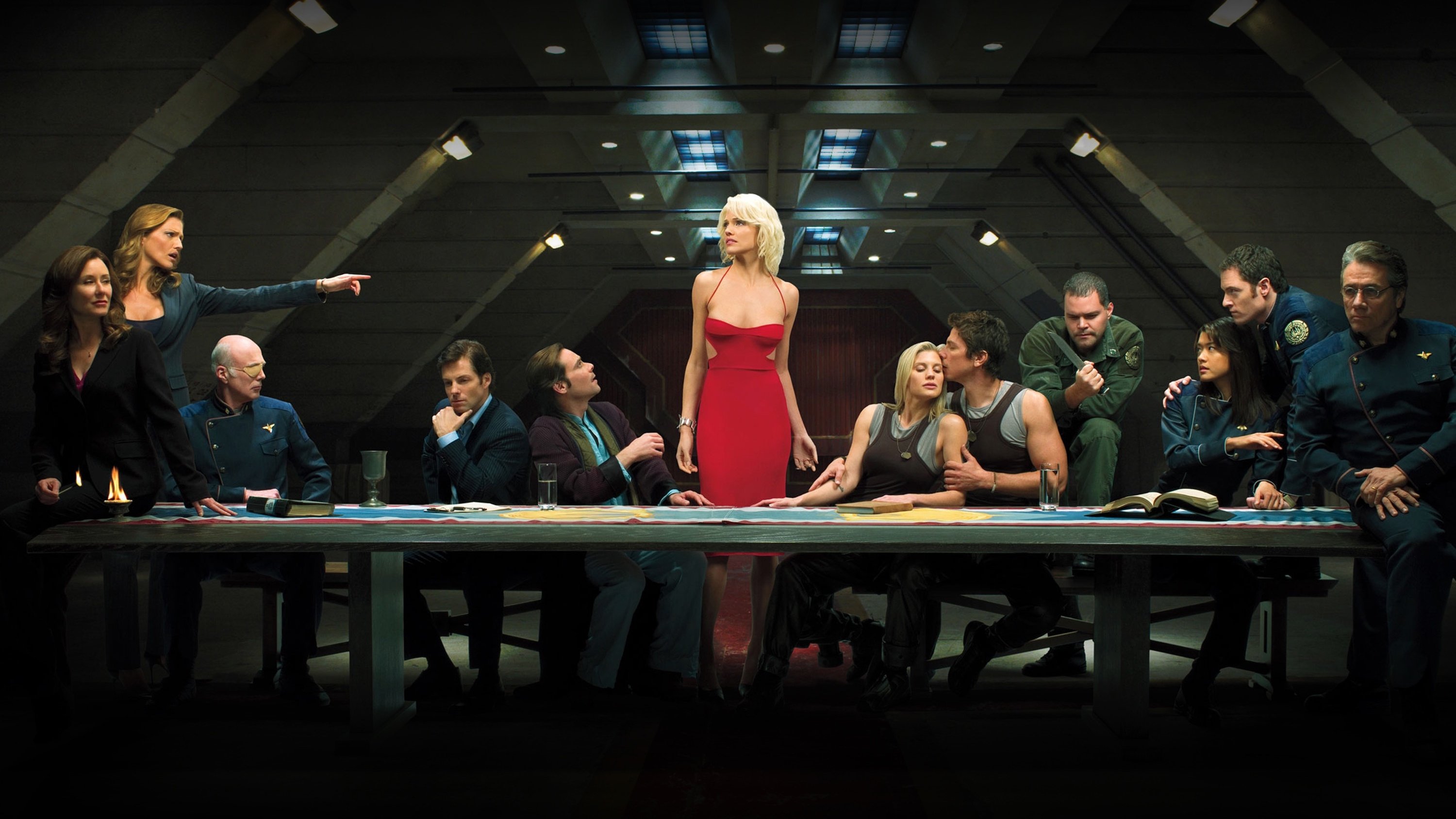
A still from Battlestar Galactica (2004) · TMDB
EDITORIAL
Battlestar Galactica and the Two Pillars: How a Cable Network's Bet Built a Classic
By Cinema Dialogue ·
The 2004 reimagining of Battlestar Galactica stands as a testament to profound creative vision meeting astute financial strategy. Its legacy reminds us that groundbreaking television requires both passionate artistry and shared investment, a lesson keenly felt in the current struggle to revive the iconic franchise.
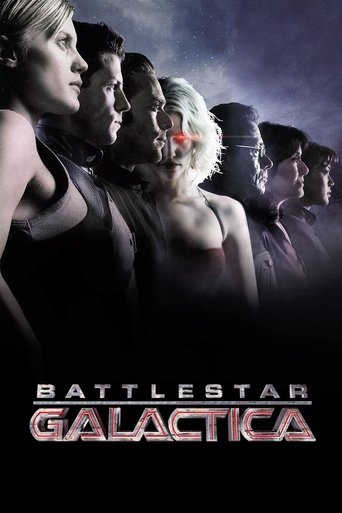
When the reimagined Battlestar Galactica miniseries first aired in December 2003, it was more than just a bold reinterpretation of Glen A. Larson’s 1978 original. It was a declaration of intent, a vision of what science fiction could be when stripped of its genre conventions and grounded in human frailty. This project, which blossomed into one of the most acclaimed television series of its era, stands as a prime example of two indispensable pillars: creative passion and strategic investment. Its current dormant state, despite persistent efforts, offers a stark reminder of how challenging it is to align those forces in today’s media landscape.
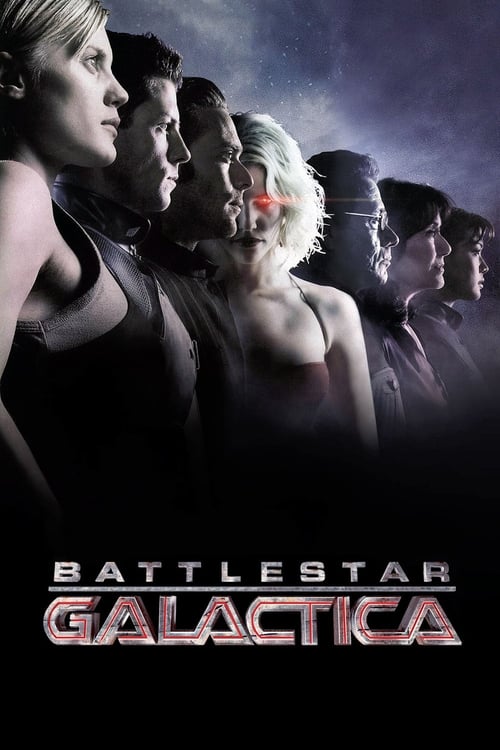
Battlestar Galactica
The Vision of Naturalistic Sci-Fi
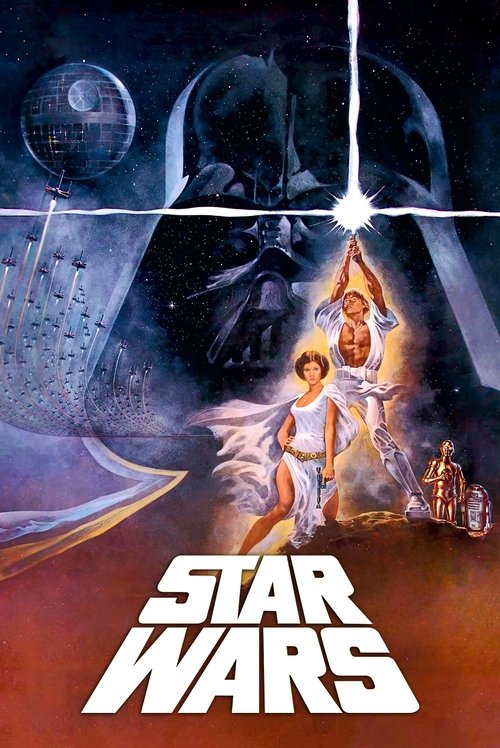
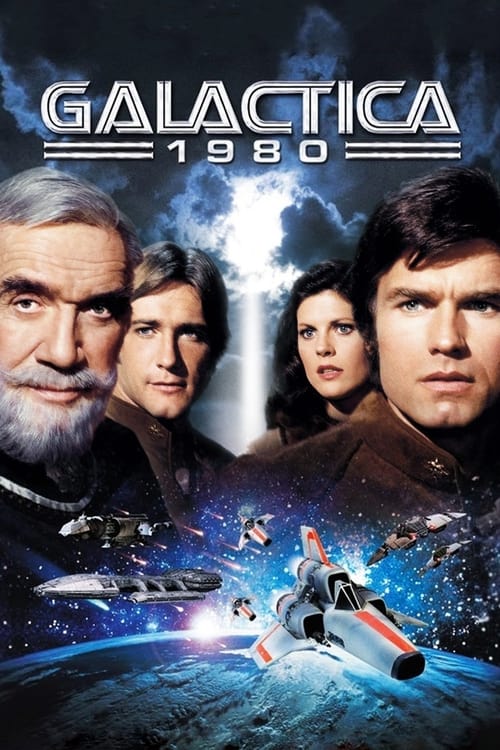
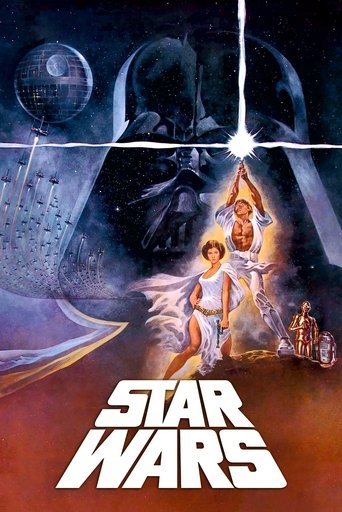
The original Battlestar Galactica, a short-lived venture by ABC, struggled with high costs and declining ratings, leading to its cancellation and a brief, less successful follow-up, Galactica 1980. Decades later, Universal, holding the rights, opted for a remake, not a sequel. This decision opened the door for David Eick to bring in Ronald D. Moore, whose creative manifesto for the series was nothing short of revolutionary for the genre. Moore championed “naturalistic science fiction”: a universe populated by deeply flawed, ordinary people confronting extraordinary circumstances. There would be no convenient technobabble, no rubber-forehead aliens, and the ships themselves would be filmed with a raw, almost documentary-style realism, as if by a real camera crew. This was a deliberate counterpoint to the more fantastical, clean aesthetic often associated with sci-fi epics like Star Wars.
Star WarsGalactica 1980
Moore’s vision emphasized character development above all else. His people were not heroes defined by their perfection, but by their resilience in the face of impossible moral choices and profound personal grief. The strength of this creative vision was its clarity and its commitment to internal consistency. It presented a world that felt lived-in, dangerous, and deeply human, making it immediately compelling even to viewers who might typically shy away from science fiction. This clear, compelling artistic intent was the first pillar: passion that articulated a tangible, engaging world.
Investment, Shared Risk, and Breakthrough
A bold creative vision, no matter how profound, needs substantial backing to materialize. This is where the second pillar, strategic investment, proved crucial for Battlestar Galactica. The Sci Fi Channel took a significant gamble on the two-part miniseries, which premiered in December 2003. Its success, drawing millions of viewers, quickly led to a full series order. But what truly solidified the show’s future and allowed for its ambitious scope was the partnership with the UK's Sky One.
In the world of high-cost television production, securing a second broadcaster in another major territory fundamentally alters the financial risk profile for both the studio and the primary network. When a studio produces a series, the budget is considerable. If a single network fronts that entire cost, they bear all the financial exposure. However, by selling the rights to another broadcaster like Sky One, the studio effectively secures a portion of the financing upfront. This reduces the financial burden on the originating network, making the series more palatable and less risky to greenlight. For the Sci Fi Channel, the association with Sky One meant a shared investment, making a show of Battlestar Galactica's scale viable and sustainable across its acclaimed run.
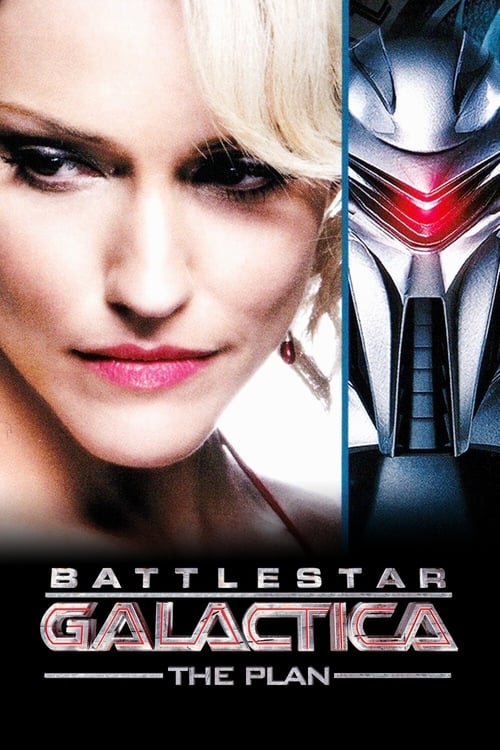
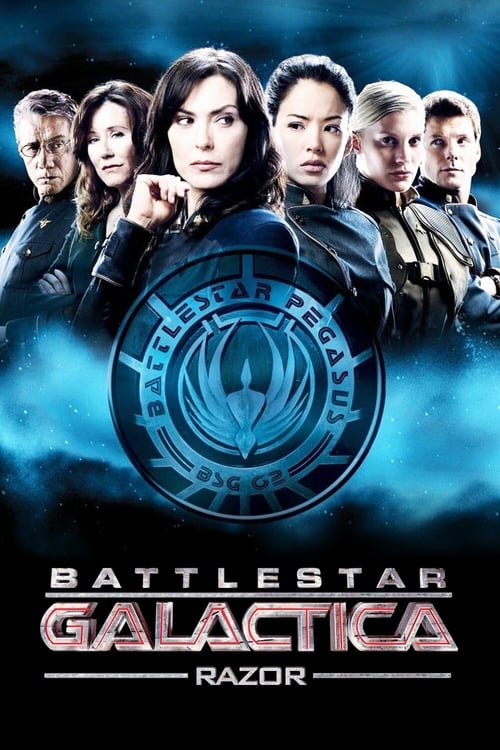
The payoff was undeniable: a Peabody Award for its 2005 programming, a spot on the American Film Institute's list of the ten best television programs of 2005, a Hugo Award for the episode "33," and even a panel discussion at the United Nations. The network's belief extended to subsequent projects, including the television films Battlestar Galactica: Razor and Battlestar Galactica: The Plan, and the prequel series Caprica, which premiered in 2010.
CapricaBattlestar Galactica: The PlanBattlestar Galactica: Razor
The Fickle Fortunes of Revival
Despite its enduring legacy and clear catalog value—evidenced by the library's move to Paramount+ and Pluto TV on May 1, 2026—bringing Battlestar Galactica back to the screen has proven remarkably difficult. Universal has explored a feature film for years, with various talents attached: Bryan Singer in 2009, Jack Paglen in 2014, Lisa Joy and Francis Lawrence in 2016, and Simon Kinberg reported to be writing and co-producing in October 2020. No public update has emerged since.
Separately, NBCUniversal announced a new series for its streamer Peacock in September 2019, with Sam Esmail attached. Derek Simonds was named showrunner in January 2024. Yet, by July 2024, Peacock ceased development, and the producer, Universal Content Productions, was reported to be offering the project to other outlets. As of mid-November 2026, no new buyer has been publicly reported, and it is important to note that fan-made posters or trailers are not official announcements of production. The catalog’s continued presence on streaming services highlights its value as intellectual property, but this alone has not translated into renewed production.
The journey of Battlestar Galactica underscores a fundamental truth about ambitious storytelling: passion can forge an extraordinary vision, but sustained, shared investment is what truly allows it to take flight and endure. The struggle to revive the franchise today is a poignant illustration of how rare that perfect alignment of creative drive and financial will truly is, making its initial success all the more remarkable.
Films in this article
Open any title for its cast, box office and trailer. Budget and worldwide gross from TMDB where published.
Title
Director / creator
Starring
Budget
Worldwide gross
(2004, TV)
Glen A. Larson, Ronald D. Moore
Edward James Olmos, Mary McDonnell, Jamie Bamber
not published
Battlestar Galactica (2004)
So say we all!
Created by
,
First aired
October 18, 2004
Network
Syfy
Seasons
4 seasons · 73 episodes
Budget
Not published by the studio
Starringas Commander William Adama · as Laura Roslin · as Lee 'Apollo' Adama · as Kara 'Starbuck' Thrace · as Gaius Baltar
Born January 3, 1937 · Long Beach, California, USA · Died November 14, 2014
Glen Albert Larson (January 3, 1937 – November 14, 2014) was an American television producer, writer, and composer. He created many series, including Alias Smith and Jones, Battlestar Galactica, Buck Rogers in the 25th Century, The Misadventures of Sheriff Lobo, Quincy, M.E., The Hardy Boys/Nancy Drew Mysteries, B. J. and the Bear, The Fall Guy, Magnum, P.I., and Knight Rider.
Also known forKnight Rider(1982) · Knight Rider(2008) · Magnum, P.I.(1980) · Battlestar Galactica(1978)
Ronald Dowl Moore is an American screenwriter and television producer. He is best known for his work on Star Trek; on the re-imagined Battlestar Galactica television series, for which he won a Peabody Award; and on Outlander, based on the novels of Diana Gabaldon.
Also known forOutlander(2014) · Star Trek: First Contact(1996) · Star Trek: The Next Generation(1987) · Star Trek: Generations(1994)
Born February 24, 1947 · Los Angeles, California, USA
Edward James Olmos (born February 24, 1947) is an American actor, director, producer, and activist. He is best known for his roles as Lieutenant Martin "Marty" Castillo in Miami Vice (1984–1989), actor in and director of American Me (1992), William Adama in the re-imagined Battlestar Galactica (2004–2009), teacher Jaime Escalante in Stand and Deliver (1988), and Detective Gaff in Blade Runner (1982), and its sequel…
Also known forCoco(2017) · Blade Runner 2049(2017) · Blade Runner(1982) · The Simpsons(1989)
Born April 28, 1952 · Wilkes-Barre, Pennsylvania, USA
Mary Eileen McDonnell (born April 28, 1952) is an American film, stage, and television actress. She received Academy Award nominations for her roles as Stands With A Fist in Dances With Wolves and May-Alice Culhane in Passion Fish. McDonnell is well known for her performances as President Laura Roslin in Battlestar Galactica, First Lady Marilyn Whitmore in Independence Day, and Rose in Donnie Darko.
Also known forDonnie Darko(2001) · Grey's Anatomy(2005) · Independence Day(1996) · Dances with Wolves(1990)
Born April 3, 1973 · Hammersmith, London, England, UK
Jamie St John Bamber Griffith (born 3 April 1973) is a British actor, known most widely for his roles as Lee Adama on Battlestar Galactica and Detective Sergeant Matt Devlin on the ITV series Law & Order: UK.
Also known forHouse(2004) · Band of Brothers(2001) · NCIS(2003) · Ghost Whisperer(2005)
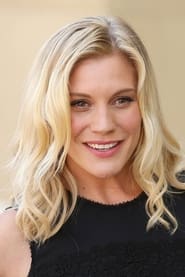
Katee Sackhoff (born April 8, 1980) is an American actress. She is known for playing Lieutenant Kara "Starbuck" Thrace on the Sci Fi Channel's television program Battlestar Galactica (2004–2009), Niko Breckenridge on the Netflix series Another Life (2019–2021), Victoria "Vic" Moretti on the A&E / Netflix series Longmire and Bo-Katan Kryze on the Disney+ series The Mandalorian (2020-present).
Also known forThe Big Bang Theory(2007) · The Flash(2014) · The Mandalorian(2019) · Riddick(2013)
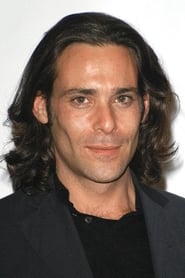
James Callis (born 4 June 1971) is a British actor. He is best known for playing Dr. Gaius Baltar in the re-imagined Battlestar Galactica miniseries and television series, and Bridget Jones' best friend in Bridget Jones's Diary and Bridget Jones: The Edge of Reason. He joined the cast of the TV Series Eureka, on Syfy, in 2010.
Also known forRick and Morty(2013) · Arrow(2012) · Bridget Jones's Diary(2001) · Bridget Jones's Baby(2016)
David Eick Productions, R&D TV, Universal Television, Universal Media Studios
Country
United States of America
Audience score
8.2 / 10 TMDB, 1,901 votes
When an old enemy, the Cylons, resurface and obliterate the 12 colonies, the crew of the aged Galactica protect a small civilian fleet - the last of humanity - as they journey toward the fabled 13th colony, Earth.
The great ship Galactica, our home for these many years we've endured the wilderness of space. And now, we near the end of our journey: we have, at last, found Earth.
Created by
First aired
January 27, 1980
Network
ABC
Seasons
1 season · 10 episodes
Budget
Not published by the studio
Starringas Capt. Troy · as Lt. Dillon · as Jamie Hamilton · as Commander Adama · as Dr. Zee
Born January 3, 1937 · Long Beach, California, USA · Died November 14, 2014
Glen Albert Larson (January 3, 1937 – November 14, 2014) was an American television producer, writer, and composer. He created many series, including Alias Smith and Jones, Battlestar Galactica, Buck Rogers in the 25th Century, The Misadventures of Sheriff Lobo, Quincy, M.E., The Hardy Boys/Nancy Drew Mysteries, B. J. and the Bear, The Fall Guy, Magnum, P.I., and Knight Rider.
Also known forBattlestar Galactica(2004) · Knight Rider(1982) · Knight Rider(2008) · Magnum, P.I.(1980)
Born September 26, 1942 · Los Angeles, California, USA
From Wikipedia, the free encyclopedia.
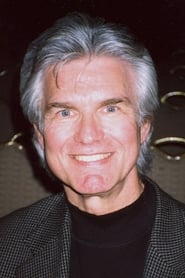
Kent McCord (born September 26, 1942) is an American actor best known for his role as Officer Jim Reed on the television series Adam-12.
Description above from the Wikipedia article Kent McCord, licensed under CC-BY-SA, full list of contributors on Wikipedia
Also known forPredator 2(1990) · Airplane II: The Sequel(1982) · MacGyver(1985) · Return of the Living Dead III(1993)
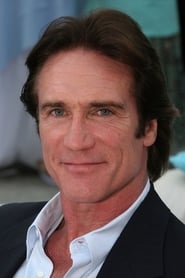
Barry Van Dyke (born July 31, 1951) is an American actor and the second son of actor and entertainer Dick Van Dyke and Margie Willett, and nephew of Jerry Van Dyke.
Also known forFull House(1987) · The A-Team(1983) · Wonder Woman(1975) · Airwolf(1984)
Robyn Douglass (born June 21, 1953) is a retired American actress and model.
Description above from the Wikipedia article Robyn Douglass, licensed under CC-BY-SA, full list of contributors on Wikipedia.
Also known forBreaking Away(1979) · The Lonely Guy(1984) · Partners(1982) · Romantic Comedy(1983)
Born February 12, 1915 · Ottawa, Ontario, Canada · Died September 11, 1987
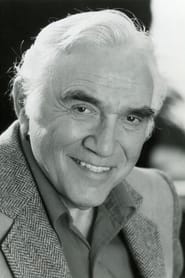
Lorne Hyman Greene (born Lyon Himan Green; February 12, 1915 – September 11, 1987) was a Canadian actor, singer, and radio personality. His notable television roles include Ben Cartwright on the Western Bonanza and Commander Adama in the original science-fiction television series Battlestar Galactica and Galactica 1980.
Also known forBonanza(1959) · Police Squad!(1982) · Earthquake(1974) · Battlestar Galactica(1978)
30 years after the original Battlestar Galactica series. Upon reaching Earth, the inhabitants of the renegade starfleet take action when they realize earthlings aren't advanced enough to help battle the Cylons.
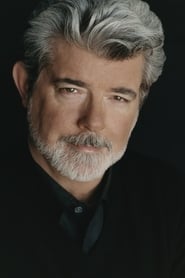
George Walton Lucas Jr. (born May 14, 1944) is an American filmmaker and entrepreneur. Lucas is known for creating the Star Wars and Indiana Jones franchises and founding Lucasfilm, LucasArts and Industrial Light & Magic.
Also known forReturn of the Jedi(1983) · Star Wars: Episode I - The Phantom Menace(1999) · Star Wars: Episode III - Revenge of the Sith(2005) · Star Wars: Episode II - Attack of the Clones(2002)
Born September 25, 1951 · Oakland, California, USA
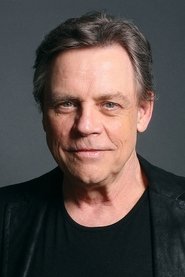
Mark Richard Hamill (born September 25, 1951) is an American actor. He is best known for starring as Luke Skywalker in the Star Wars franchise and the Joker in various animated DC Comics projects, starting with Batman: The Animated Series in 1992.
Through the 1980s, Hamill distinguished himself from his Star Wars role by pursuing a Broadway theatre career, starring in productions of The Elephant Man, Amadeus and The…
Also known forStar Wars: The Force Awakens(2015) · The Empire Strikes Back(1980) · Kingsman: The Secret Service(2015) · Return of the Jedi(1983)
Legendary Hollywood Icon Harrison Ford was born on July 13, 1942 in Chicago, Illinois. His family history includes a strong lineage of actors, radio personalities, and models. Ford attended public high school in Park Ridge, Illinois where he was a member of the school Radio Station WMTH. Ford worked as the lead voice for sports reporting at WMTH for several years. Acting wasn't a major interest to Ford until his juni…
Also known forStar Wars: The Force Awakens(2015) · The Empire Strikes Back(1980) · Return of the Jedi(1983) · Blade Runner 2049(2017)
Born October 21, 1956 · Beverly Hills, Los Angeles, California, USA · Died December 27, 2016
Carrie Frances Fisher (October 21, 1956 – December 27, 2016) was an American actress, novelist, screenwriter, and lecturer. Daughter of the famous actors Debbie Reynolds and Eddie Fisher, she gained fame for her portrayal of Princess Leia Organa in the original Star Wars trilogy. Her novel Postcards from the Edge was also a bestseller, for which she wrote a screenplay to the film of the same name.
Also known forStar Wars: The Force Awakens(2015) · The Empire Strikes Back(1980) · Return of the Jedi(1983) · Star Wars: The Last Jedi(2017)
Born May 26, 1913 · Kenley, Surrey, England, UK · Died August 11, 1994
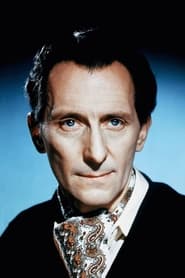
Peter Wilton Cushing, OBE (26 May 1913 – 11 August 1994) was an English actor, known for his many appearances in Hammer Films, in which he played Baron Frankenstein and Dr. Van Helsing, amongst many other roles, often appearing opposite Christopher Lee, and occasionally Vincent Price.
Also known forTop Secret!(1984) · Dracula(1958) · The Hound of the Baskervilles(1959) · Tales from the Crypt(1972)
Born April 2, 1914 · Marylebone, London, England, UK · Died August 5, 2000
Sir Alec Guinness, CH, CBE (born Alec Guinness de Cuffe; 2 April 1914 – 5 August 2000) was an English actor. He was featured in several of the Ealing Comedies, including Kind Hearts and Coronets in which he played eight different characters. He later won the Academy Award for Best Actor for his role as Colonel Nicholson in The Bridge on the River Kwai.
Also known forStar Wars: The Force Awakens(2015) · The Empire Strikes Back(1980) · Return of the Jedi(1983) · Star Wars: The Rise of Skywalker(2019)
Princess Leia is captured and held hostage by the evil Imperial forces in their effort to take over the galactic Empire. Venturesome Luke Skywalker and dashing captain Han Solo team together with the loveable robot duo R2-D2 and C-3PO to rescue the beautiful princess and restore peace and justice in the Empire.
Félix Enríquez Alcalá (sometimes credited as Felix Alcala) (born March 7, 1951, in Bakersfield, California) is an Argentine-American film and television director.
Alcalá's first major breakthrough came in 1991 when he was hired by Lynn Marie Latham and Bernard Lechowick to direct an episode of ABC's short-lived drama series Homefront.
Also known forBreaking Bad(2008) · House(2004) · Suits(2011) · Law & Order: Special Victims Unit(1999)
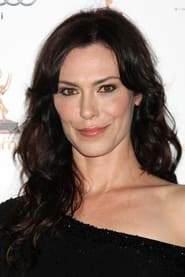
Michelle Forbes (born January 8, 1965) is an American film and television actress, best known for many recurring appearances on genre and drama television shows such as "Star Trek: The Next Generation", "Battlestar Galactica", "24", "Prison Break", and "True Blood".
Also known forThe Hunger Games: Mockingjay - Part 2(2015) · Grey's Anatomy(2005) · Prison Break(2005) · Lost(2004)
Born December 22, 1949 · Old Lyme, Connecticut, USA
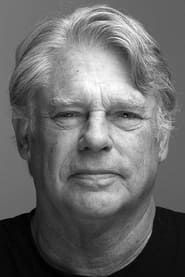
Graham Beckel was born on December 22, 1949 in Old Lyme, Connecticut, USA. He is an actor and director, known for Leaving Las Vegas (1995), L.A. Confidential (1997) and The Paper Chase (1973).
Also known forGrey's Anatomy(2005) · Nocturnal Animals(2016) · Brokeback Mountain(2005) · Pearl Harbor(2001)
Born April 3, 1973 · Hammersmith, London, England, UK
Jamie St John Bamber Griffith (born 3 April 1973) is a British actor, known most widely for his roles as Lee Adama on Battlestar Galactica and Detective Sergeant Matt Devlin on the ITV series Law & Order: UK.
Also known forHouse(2004) · Band of Brothers(2001) · NCIS(2003) · Ghost Whisperer(2005)
Born February 24, 1947 · Los Angeles, California, USA
Edward James Olmos (born February 24, 1947) is an American actor, director, producer, and activist. He is best known for his roles as Lieutenant Martin "Marty" Castillo in Miami Vice (1984–1989), actor in and director of American Me (1992), William Adama in the re-imagined Battlestar Galactica (2004–2009), teacher Jaime Escalante in Stand and Deliver (1988), and Detective Gaff in Blade Runner (1982), and its sequel…
Also known forCoco(2017) · Blade Runner 2049(2017) · Blade Runner(1982) · The Simpsons(1989)
The history and adventures of the Battlestar Pegasus, from shortly before the Cylon invasion to shortly after Lee Adama is made commander. The story is told through the eyes of and largely focuses on one particular member of Pegasus's crew, Kendra Shaw.
Science Fiction · Action · Drama · Thriller · TV Movie
Born February 24, 1947 · Los Angeles, California, USA
Edward James Olmos (born February 24, 1947) is an American actor, director, producer, and activist. He is best known for his roles as Lieutenant Martin "Marty" Castillo in Miami Vice (1984–1989), actor in and director of American Me (1992), William Adama in the re-imagined Battlestar Galactica (2004–2009), teacher Jaime Escalante in Stand and Deliver (1988), and Detective Gaff in Blade Runner (1982), and its sequel…
Also known forBattlestar Galactica(2004) · Miami Vice(1984) · American Me(1992) · The Devil Has a Name(2019)
Born March 5, 1936 · North Hollywood, Los Angeles, California, USA · Died November 7, 2021
Robert Dean Stockwell (March 5, 1936 – November 7, 2021) was an American film, television and stage actor with a career spanning over 70 years. As a child actor under contract to Metro-Goldwyn-Mayer, he first came to the public's attention in films including Anchors Aweigh (1945), The Green Years (1946), Gentleman's Agreement (1947), The Boy with Green Hair (1948), and Kim (1950).
Also known forBlue Velvet(1986) · Dune(1984) · Air Force One(1997) · Beverly Hills Cop II(1987)
Edward Michael Trucco (born June 22, 1970) is an American actor with Italian roots. He is best known for his roles as Rufus Griswold on Netflix's The Fall of the House of Usher, Wade Scarborough on Netflix's Midnight Mass, Devin Hall in Hunter Killer (2018), ADA Sean Del Monte on ABC's The Rookie, Tae Kwon Doug on Netflix's Disjointed, Billy Parker on ABC's Killer Women, Justin Patrick on USA Network's Fairly Legal,…
Also known forThe Good Doctor(2017) · The Big Bang Theory(2007) · How I Met Your Mother(2005) · Hush(2016)
Born March 14, 1974 · Los Angeles, California, USA
Grace Park is an American-Canadian actress and model best known for her roles as Sharon “Boomer” Valerii in the science-fiction series Battlestar Galactica (2003–2009) and Officer Kono Kalakaua in the CBS police procedural Hawaii Five-0 (2010–2017).
Also known forAmerican Dad!(2005) · Stargate SG-1(1997) · Hawaii Five-0(2010) · Battlestar Galactica(2004)
Born March 13, 1949 · Kirkland Lake, Ontario, Canada
Michael Hogan is a Canadian actor of Irish descent. He is notable for numerous roles in TV and film over the past five decades, such as Colonel Saul Tigh in the Battlestar Galactica re-imagining or Billy in The Peanut Butter Solution. Hogan also lent his voice to some video games characters, with the most famous being Doc Mitchell in Fallout: New Vegas and Armando-Owen Bailey in the Mass Effect series.
Also known forSonic the Hedgehog(2020) · Supernatural(2005) · The Mentalist(2008) · Teen Wolf(2011)
When the initial Cylon attack against the Twelve Colonies fails to achieve complete extermination of human life as planned, twin Number Ones (Cavils) embedded on Galactica and Caprica must improvise to destroy the human survivors.
Ronald Dowl Moore is an American screenwriter and television producer. He is best known for his work on Star Trek; on the re-imagined Battlestar Galactica television series, for which he won a Peabody Award; and on Outlander, based on the novels of Diana Gabaldon.
Also known forOutlander(2014) · Star Trek: First Contact(1996) · Star Trek: The Next Generation(1987) · Battlestar Galactica(2004)
Born September 30, 1961 · Whittier, California, USA
Eric Hamilton Stoltz (born September 30, 1961) is an American actor and director. He is known for playing sensitive misfits (Mask, Kicking and Screaming, The Waterdance, Killing Zoe). He was nominated for a Golden Globe Award for Best Supporting Actor in a Motion Picture for Mask.
Also known forPulp Fiction(1994) · Back to the Future(1985) · Grey's Anatomy(2005) · The Butterfly Effect(2004)
Born October 1, 1962 · Brooklyn, New York City, New York, USA
Esai Manuel Morales Jr. (born October 1, 1962) is an American actor. He has had notable roles in Bad Boys with Sean Penn and La Bamba with Lou Diamond Phillips. His television roles include the PBS 2002 drama series American Family, the Showtime series Resurrection Blvd. (2000–2002), portraying Lt.
Also known forMission: Impossible - Dead Reckoning Part One(2023) · Law & Order: Special Victims Unit(1999) · Criminal Minds(2005) · Mission: Impossible - The Final Reckoning(2025)
Paula Malcomson (born June 1, 1970) is a Northern Irish actress born in Belfast, Northern Ireland. Malcomson is sometimes credited as Paula Williams. She starred as "Trixie" in the HBO series Deadwood and Colleen in ABC's Lost. She played the role of Amanda Graystone in the Battlestar Galactica spin-off series Caprica, on the Sci Fi Channel, as well as the role of Maureen Ashby on the FX Series Sons of Anarchy.
Also known forThe Hunger Games(2012) · The Green Mile(1999) · The Hunger Games: Catching Fire(2013) · The Hunger Games: Mockingjay - Part 1(2014)
Alessandra Torresani (born Alessandra Olivia Toreson; May 29, 1987) is an American actress. Prior to 2007, she is credited as Alessandra Toreson.
Description above from the Wikipedia article Alessandra Torresani, licensed under CC-BY-SA, full list of contributors on Wikipedia.
Also known forLucifer(2016) · The Big Bang Theory(2007) · American Horror Story(2011) · Malcolm in the Middle(2000)
Born November 8, 1985 · Vancouver, British Columbia, Canada
From Wikipedia, the free encyclopedia
Magda Apanowicz (born November 8, 1985 height 5' 3" (1,60 m)) is a Canadian actress, best known for her roles as Andy Jensen on the TV series Kyle XY and Lacy Rand on Caprica.
Apanowicz is of Polish descent and spent a year in Poland in the ninth grade.
Also known forThe Flash(2014) · Supernatural(2005) · The Butterfly Effect(2004) · The Mentalist(2008)
Set 58 years before Battlestar Galactica, Caprica follows two rival families - the Graystones and the Adamas - as they grow, compete, and thrive in the vibrant world of the peaceful 12 Colonies, living in a society close to our own. Entangled in the burgeoning technology of artificial intelligence and robotics that will eventually lead to the creation of the Cylons, the two houses go toe-to-toe, blending action with corporate conspiracy and sexual politics.
Battlestar Galactica and the Two Pillars: How a Cable Network's Bet Built a Classic
The 2004 reimagining of Battlestar Galactica stands as a testament to profound creative vision meeting astute financial strategy. Its legacy reminds us that gro