

The Visual Symphony of <em>Blade Runner 2049</em>
Roger Deakins' work on <em>Blade Runner 2049</em> isn't just stunning imagery; it's a masterclass in using light, color, and composition to tell a story. This film proves that cinematography is more than just pretty pictures—it's the very soul of visual storytelling.
There are films that look good, and then there are films that fundamentally reshape your understanding of what visual storytelling can achieve. Denis Villeneuve’s Blade Runner 2049 (2017), lensed by the peerless Roger Deakins, ASC, BSC, belongs firmly in the latter category. It is a staggering achievement, a true cinematic triumph that uses every pixel, every shadow, and every carefully chosen hue to build a world as intricate and emotionally resonant as its narrative. From the moment the credits roll, one is left not just admiring the film, but dissecting its frames, searching for the secrets of its profound beauty. This isn't just a sequel; it's a visual treatise on existence, memory, and the human condition, all conveyed through the meticulous craft of its cinematography.

The Alchemy of Light and Despair
Deakins’ approach to Blade Runner 2049 is a masterclass in controlled chaos. He doesn't just light scenes; he sculpts environments, imbuing them with an almost tactile sense of atmosphere. Take the recurring motif of the orange dust that engulfs the abandoned Las Vegas. It’s not merely a color; it’s a character in itself, suffocating and beautiful, a visual metaphor for the decay of civilization and the haunting loneliness that permeates Officer K’s journey. Brian Fuld, a budding filmmaker friend of mine who I was showing some AI video techniques to recently, called it “the most beautiful post-apocalyptic sunset imaginable,” and he wasn't wrong. Deakins crafts these moments with an almost painterly precision, often using natural or practical light sources to ground the fantastical in a tangible reality. This isn’t a matter of simply illuminating; it’s about evoking, about creating a mood that settles deep in the viewer’s psyche.
Beyond the Frame: Space and Scale
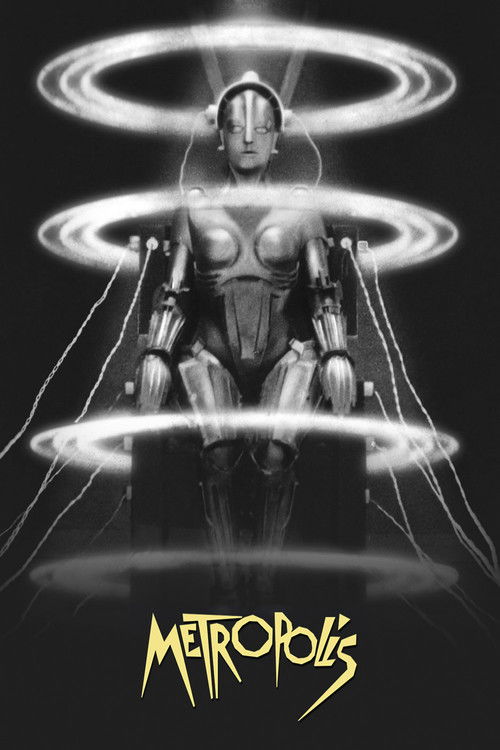
What truly sets Deakins apart is his understanding of scale and how to communicate vastness or intimacy. Think of K walking through the monolithic structures of the city, dwarfed by brutalist architecture that echoes the societal forces at play. Or the inverse: the claustrophobic confines of his apartment with Joi, where the holographic projections create a sense of artificial warmth within a cold, sterile world. This spatial awareness isn’t just aesthetic; it’s deeply psychological. It reflects the individual's struggle against overwhelming systems, a theme that Korie and I have often debated in various films, from Fritz Lang’s Metropolis (1927) to modern dystopian thrillers. Deakins frames K as an almost insignificant figure in a grand, indifferent universe, highlighting his quest for identity against a backdrop of cosmic indifference. This visual language is critical to understanding K’s internal conflict and his development from a detached enforcer to a searching soul.
Color as Narrative and Character
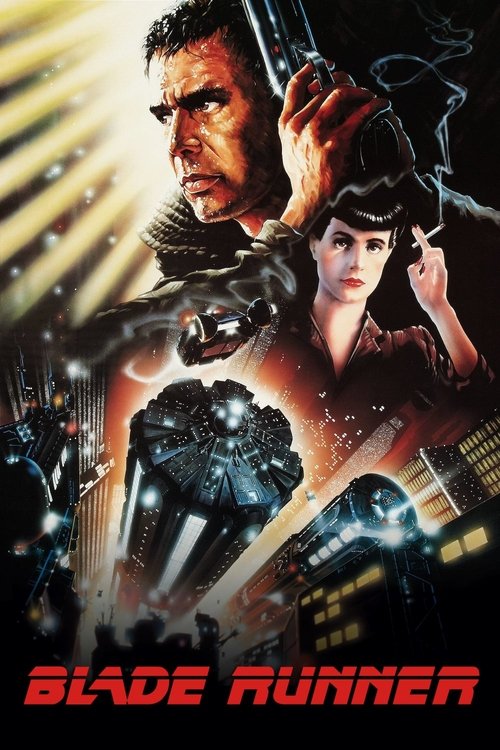
The film's color palette is another extraordinary tool. Beyond the omnipresent orange, we see the neon blues and purples of Los Angeles, the sickly greens of the Wallace Corporation’s hydroponic farms, and the stark whites of Dr. Stelline’s memory lab. Each color serves a specific narrative function, almost a character note. The blues and purples, for example, recall the original Blade Runner (1982) but are rendered with a new, melancholic sheen. They are cool, detached, much like K initially presents himself. Then comes the warmth, the sudden bursts of yellow and orange, often tied to moments of connection or the fragile hope of discovering truth. My girlfriend Luna, who's always attuned to visual storytelling cues for her acting and screenwriting, pointed out how the shift in K’s personal lighting often foreshadows his emotional breakthroughs. Deakins' use of light and shadow doesn't just look pretty; it directly shapes our understanding of the characters' internal states and their interactions across the film's timeline. It’s a subtle but profound way that cinematography supports character development.
A Legacy of Light
To contextualize Deakins' achievement, one must look back at the giants. He possesses the meticulous eye of a Gordon Willis, the poetic sensibility of a Conrad Hall, and a technical mastery that feels distinctly modern, pushing digital boundaries while maintaining a classical photographic purity. Blade Runner 2049 is a film that will be studied for decades, much like how we dissect the visual grammar of The Godfather (1972) or Citizen Kane (1941). It demonstrates that even within a blockbuster framework, true artistry can flourish, elevating spectacle into profound cinematic poetry. It’s a testament to the power of a director and cinematographer working in perfect tandem, trusting their visual instincts to tell a story that resonates far beyond mere plot points.


What Deakins accomplished with Blade Runner 2049 is nothing short of transcendent. It’s not just stunning to behold; it’s integral to the film’s narrative and emotional core, proving yet again that the cinematographer is not merely an executor of a director's vision but a co-author of the cinematic experience. His work here is a definitive statement on the art form, a beacon for what is possible when craft, vision, and technology converge.
