The Sky's the Limit: Drones and the Art of Aerial Cinematography in Spectre
November 27, 20264 min readBy Cinema Dialogue
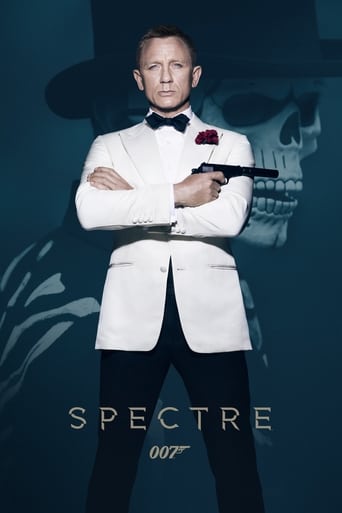
A still from Spectre (2015) · TMDB
FILM TECH
The Sky's the Limit: Drones and the Art of Aerial Cinematography in Spectre
By Cinema Dialogue ·
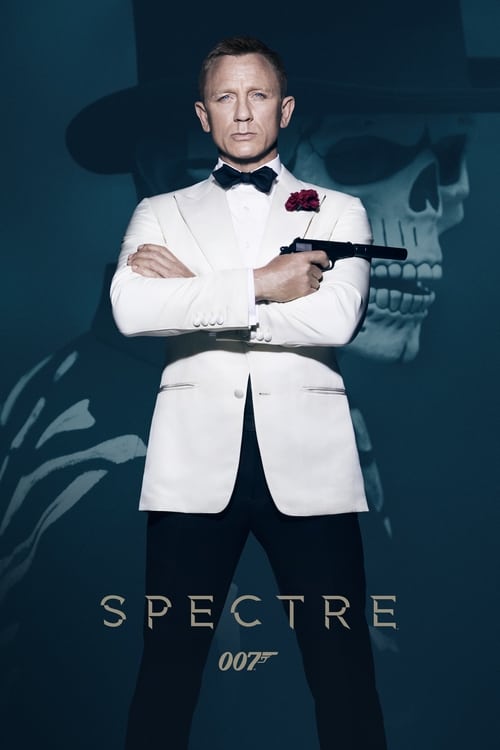
The advent of drones has fundamentally reshaped aerial cinematography, offering filmmakers unparalleled freedom and precision. Sam Mendes's 2015 Bond installment, Spectre, stands as a prime example of this technological shift, utilizing drones to craft an unforgettable opening sequence.
For decades, the soaring ambition of filmmakers was tethered by the sheer physics of their cameras. Capturing expansive aerials meant hiring helicopters, commissioning cranes, or rigging complex cable systems. Each solution brought its own set of logistical challenges, budget constraints, and creative compromises. Then came the drone, a silent revolution that has recalibrated the very definition of what is cinematically possible from above. Sam Mendes’s 2015 James Bond film, Spectre, stands as a compelling case study for how this technology, when wielded with vision, can not only enhance a sequence but redefine it entirely.
Spectre
The Shifting Horizon of Aerials
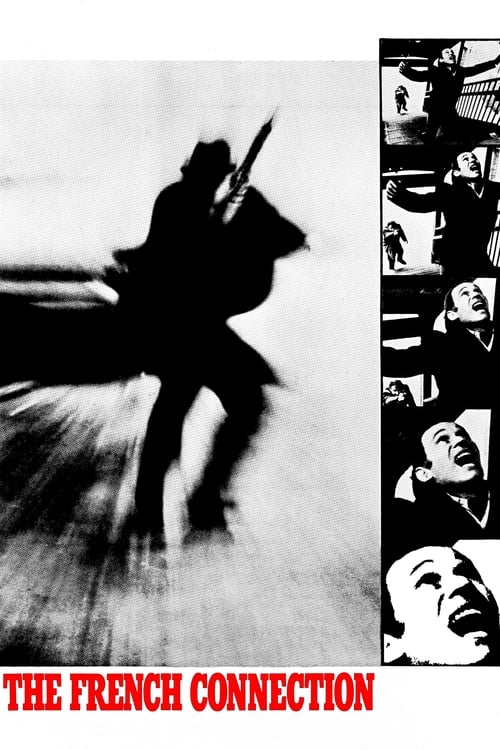
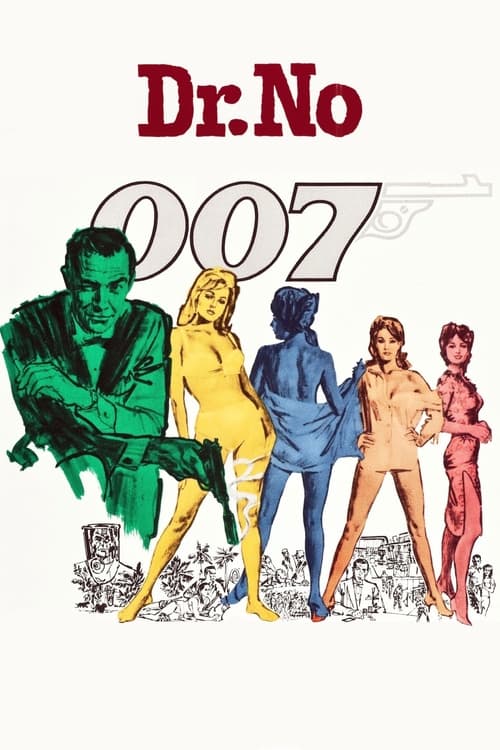
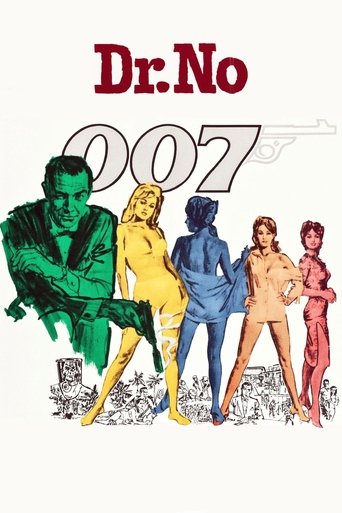
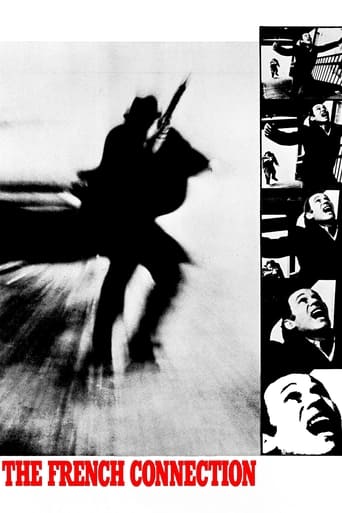
Before drones became ubiquitous, aerial photography was a specialized art, often limited by the considerable cost and inflexibility of traditional methods. Think of the sweeping vistas of early Bond films like Dr. No, which relied on actual planes or fixed-wing aircraft for their majestic establishing shots. Or consider the iconic car chase through New York in The French Connection, where a camera operator was literally strapped into the back of a moving vehicle to capture the gritty immediacy. These methods, while groundbreaking for their time, imposed significant restrictions on camera movement, duration, and proximity. A helicopter could provide a wide, grand shot, but its ability to weave through tight spaces or track a character indoors was virtually non-existent.
The French ConnectionDr. No
Drones, particularly professional-grade models equipped with cinema cameras, shattered these limitations. They offered unparalleled maneuverability, precision control, and the ability to operate in spaces previously inaccessible. Suddenly, a cinematographer could achieve a complex tracking shot from ground level, ascend 50 feet, move sideways, descend into an alley, and then transition back to a wide, all in one continuous, fluid motion. It’s a liberation of the camera, not just in terms of height, but in its ability to navigate three-dimensional space with unprecedented grace and control.
Spectre's Opening Act: Precision in the Perilous
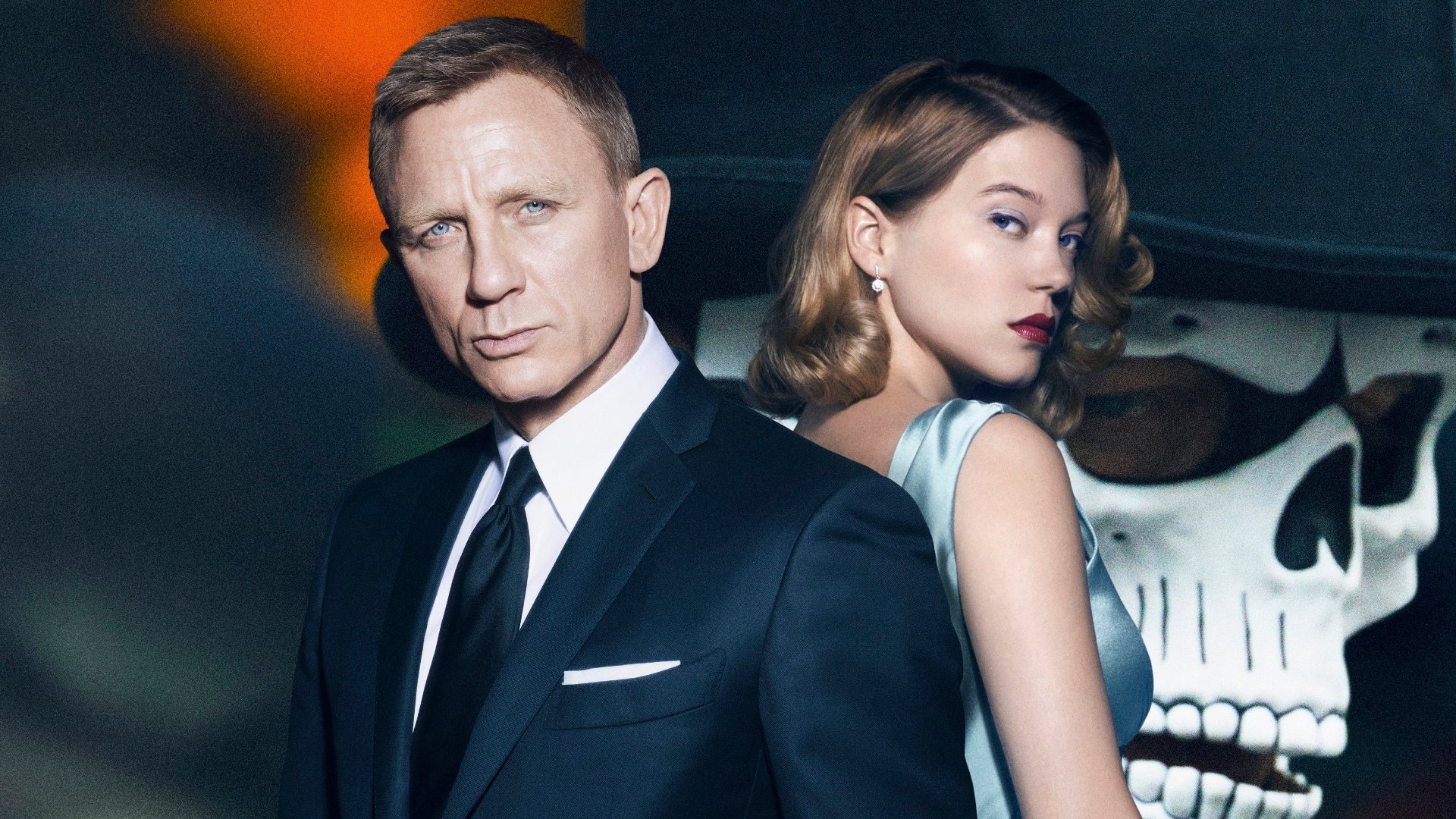
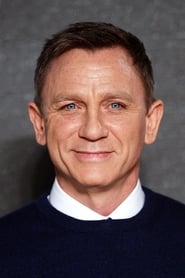
The pre-credits sequence of Spectre is a masterclass in this new aerial grammar. Set amidst the vibrant chaos of Mexico City’s Día de Muertos parade, the sequence follows James Bond (Daniel Craig) through a teeming crowd, across rooftops, and into a building before culminating in a breathtaking struggle mid-air. Director Sam Mendes and cinematographer Hoyte van Hoytema conceived a sequence that felt like a single, unbroken shot – a technical and creative feat that would have been impossible without the agility of drones for key transitions and expansive aerials.
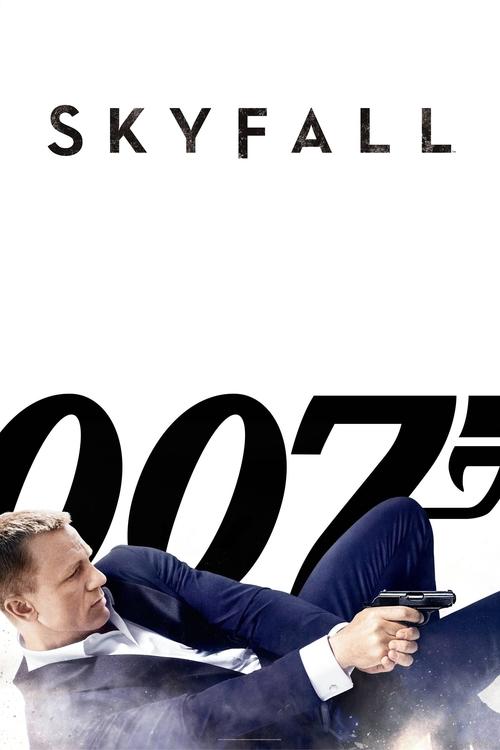
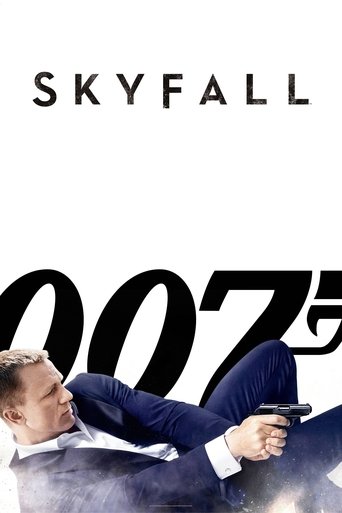
The drone's contribution here isn't just about scale; it's about narrative immersion. Instead of cutting away, the camera flows with Bond, making the audience an intimate participant in his journey. The drone seamlessly transitions from a wide shot above the parade, capturing the overwhelming visual tapestry, to a close track as Bond navigates the throng, then rises to follow him onto rooftops, providing the crucial perspective needed to understand his movement across the city. This level of fluidity connects disparate environments – from the street to a hotel interior, then back to the sky – creating a singular, visceral experience. It’s a deliberate evolution from the helicopter shots that introduced previous Bond escapades, like the memorable opening of Skyfall, demonstrating a refined control over perspective and pace.
Skyfall
Beyond Logistics: Narrative and Immersion
What Spectre demonstrates so effectively is that drone cinematography is not merely a logistical convenience or a flashy gimmick. When integrated thoughtfully, it becomes a powerful narrative tool. The drone shots in the opening sequence serve to build tension, establish the epic scale of the celebration, and underscore Bond's isolated precision within the swirling chaos. The camera's ability to move continuously with the character creates a psychological immediacy, drawing the viewer deeper into his predicament. This is a far cry from earlier aerials, which often served as purely expository establishing shots.
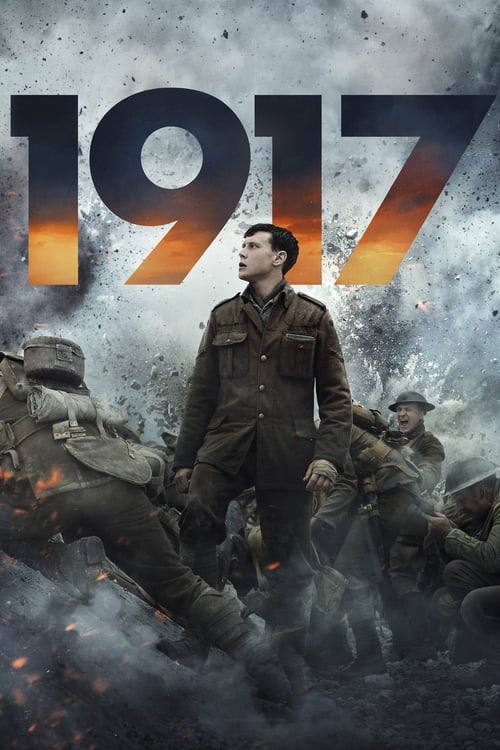
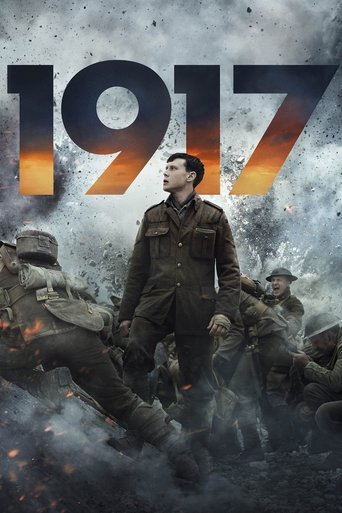
The technology allows for a greater intimacy with grandiosity. Instead of just showing the vastness, the drone can lead you through it, creating a sense of dynamic discovery. It allows filmmakers to treat expansive landscapes or complex action sequences with the same fluid, character-driven camera work once reserved for handheld close-ups or dolly shots. While other films like 1917 achieved their 'single take' illusion through elaborate Steadicam and cable-cam rigs, Spectre highlights the drone's unique ability to marry ground-level action with soaring, impossible perspectives, creating a cinematic language that feels both epic and intensely personal.
1917
The Future of Flight
The drone is no longer a novelty; it is an indispensable tool in the cinematographer's arsenal. It represents a fundamental shift in how filmmakers approach spatial storytelling, offering a blend of precision, flexibility, and cost-effectiveness that traditional methods cannot match. From complex action choreography to sweeping environmental portraits, drones empower filmmakers to craft shots that were once confined to the realm of imagination. Their continued evolution promises even greater creative freedom, ensuring that the sky itself is no longer a boundary, but an open canvas for cinematic artistry.
Films in this article
Open any title for its cast, box office and trailer. Budget and worldwide gross from TMDB where published.
Title
Director / creator
Starring
Budget
Worldwide gross
(2015)
Sam Mendes
Daniel Craig, Christoph Waltz, Léa Seydoux
$245M
$880.7M
Spectre (2015)
The Dead Are Alive.
Director
Released
October 26, 2015
Runtime
2h 28m
Budget
$245M
Worldwide gross
$880.7M
Starringas James Bond · as Blofeld · as Madeleine · as M · as Lucia
Born August 1, 1965 · Reading, Berkshire, England, UK
Sir Samuel Alexander Mendes CBE (born 1 August 1965) is a British film and stage director, producer, and screenwriter. In 2000, Mendes was appointed a CBE for his services to drama, and he was knighted in the 2020 New Year Honours List. In 2000, Mendes was awarded the Shakespeare Prize by the Alfred Toepfer Foundation in Hamburg, Germany.
Also known forSkyfall(2012) · 1917(2019) · American Beauty(1999) · Revolutionary Road(2008)
Born March 2, 1968 · Chester, Cheshire, England, UK
Daniel Wroughton Craig (born March 2, 1968) is an English actor. He gained international fame by playing the fictional secret agent James Bond for five installments in the film series: Casino Royale (2006), Quantum of Solace (2008), Skyfall (2012), Spectre (2015), and No Time to Die (2021).
After training at the National Youth Theatre in London and graduating from the Guildhall School of Music and Drama in 1991, Cra…
Also known forStar Wars: The Force Awakens(2015) · Skyfall(2012) · Knives Out(2019) · Casino Royale(2006)
Christoph Waltz (born October 4, 1956) is an Austrian actor who also holds German and an American citizenship. He received international acclaim for his portrayal of SS Colonel Hans Landa in the 2009 film Inglourious Basterds, for which he won the Best Actor Award at the Cannes Film Festival and the BAFTA, Golden Globe and Screen Actors Guild Award for Best Supporting Actor in 2009 and the Academy Award for Best Supp…
Also known forDjango Unchained(2012) · Inglourious Basterds(2009) · Alita: Battle Angel(2019) · No Time to Die(2021)
Léa Hélène Seydoux-Fornier de Clausonne (French: [lea sɛdu]; born 1 July 1985) is a French actress. Prolific in both French cinema and Hollywood, she has received five César Award nominations, two Lumières Awards, a Palme d'Or and a BAFTA Award nomination. In 2009, she won the Trophée Chopard Award for Female Revelation of the Year at the Cannes Film Festival.
Also known forInglourious Basterds(2009) · The Grand Budapest Hotel(2014) · Mission: Impossible - Ghost Protocol(2011) · Dune: Part Two(2024)
Born December 22, 1962 · Ipswich, Suffolk, England, UK
Ralph Nathaniel Twisleton-Wykeham-Fiennes (born 22 December 1962) is an English actor, film producer, and director. He has received various accolades, including a British Academy Film Award and a Tony Award, as well as nominations for three Academy Awards, seven Golden Globe Awards, and a Primetime Emmy Award.
Born in Ipswich, Suffolk, Fiennes was trained at and graduated from the Royal Academy of Dramatic Art in 19…
Also known forHarry Potter and the Goblet of Fire(2005) · Harry Potter and the Deathly Hallows: Part 2(2011) · Harry Potter and the Order of the Phoenix(2007) · Harry Potter and the Deathly Hallows: Part 1(2010)
Born September 30, 1964 · Città di Castello, Umbria, Italy
Monica Anna Maria Bellucci (Italian: [ˈmɔːnika belˈluttʃi]; born 30 September 1964) is an Italian actress who began her career as a fashion model before working in Italian, American, British, and French films. She has filmography in a range of genres and languages, and her accolades include the David di Donatello, Globo d'oro, Nastro d'Argento and nominations at Saturn Awards and César Awards.
Also known forThe Matrix Reloaded(2003) · The Matrix Revolutions(2003) · Bram Stoker's Dracula(1992) · The Sorcerer's Apprentice(2010)
A cryptic message from Bond’s past sends him on a trail to uncover a sinister organization. While M battles political forces to keep the secret service alive, Bond peels back the layers of deceit to reveal the terrible truth behind SPECTRE.
Born June 20, 1915 · Shanghai, China · Died September 7, 1994
Stewart Terence Herbert Young (20 June 1915 – 7 September 1994) was a British film director and screenwriter who worked in the United Kingdom, Europe and Hollywood. He is best known for directing three James Bond films: the first two films in the series, Dr. No (1962) and From Russia with Love (1963), and Thunderball (1965).
Also known forFrom Russia with Love(1963) · Thunderball(1965) · Wait Until Dark(1967) · Red Sun(1971)
Born August 25, 1930 · Fountainbridge, Edinburgh, Scotland, UK · Died October 31, 2020
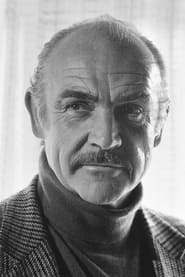
Sir Thomas Sean Connery (August 25, 1930 – October 31, 2020) was a Scottish actor and producer. He won an Academy Award, two BAFTA Awards (one being a BAFTA Academy Fellowship Award), and three Golden Globes, including the Cecil B. DeMille Award and a Henrietta Award. Connery was the first actor to portray the character James Bond in film, starring in seven Bond films (every film from Dr.
Also known forIndiana Jones and the Last Crusade(1989) · The Untouchables(1987) · The Rock(1996) · The League of Extraordinary Gentlemen(2003)
Born March 19, 1936 · Ostermundigen, Bern, Switzerland
Ursula Andress (born 19 March 1936) is a Swiss actress and former model who has appeared in American, British, and Italian films. Her breakthrough role was as Bond girl Honey Ryder in the first James Bond film, Dr. No (1962). She later starred as Vesper Lynd in the 1967 Bond parody Casino Royale.
Also known forClash of the Titans(1981) · Casino Royale(1967) · Red Sun(1971) · An American in Rome(1954)
Born May 15, 1918 · Montreal, Quebec, Canada · Died October 19, 2009
Joseph Wiseman (May 15, 1918 – October 19, 2009) was a Canadian theater and film actor, best known for starring as the titular antagonist of the first James Bond film, Dr. No, as well as his career on Broadway. He was once called "the spookiest actor in the American theater".
Also known forThe A-Team(1983) · The Twilight Zone(1959) · MacGyver(1985) · Law & Order(1990)
Born December 30, 1920 · Brooklyn, New York City, New York, USA · Died January 21, 1998
John Joseph Patrick Ryan (December 30, 1920 – January 21, 1998), best known by his stage name Jack Lord, was an American television, film, and Broadway actor. He was known for his starring role as Steve McGarrett in the American television program Hawaii Five-O from 1968 to 1980. Lord appeared in feature films earlier in his career, among them Man of the West (1958).
Also known forBonanza(1959) · Man of the West(1958) · Hawaii Five-O(1969) · Combat!(1962)
Born October 18, 1916 · Edinburgh, Scotland, UK · Died January 8, 1992
Anthony Douglas Gillon Dawson (18 October 1916 – 8 January 1992) was a Scottish actor, best known for his supporting roles as villains in films such as Alfred Hitchcock's Dial M for Murder (1954) and Midnight Lace (1960), as well as playing Professor Dent in the James Bond film Dr. No (1962). He also appeared as Ernst Stavro Blofeld in From Russia with Love (1963) and Thunderball (1965).
Also known forFrom Russia with Love(1963) · Dial M for Murder(1954) · Thunderball(1965) · Red Sun(1971)
Agent 007 battles mysterious Dr. No, a scientific genius bent on destroying the U.S. space program. As the countdown to disaster begins, Bond must go to Jamaica, where he encounters beautiful Honey Ryder, to confront a megalomaniacal villain in his massive island headquarters.
Born August 29, 1935 · Chicago, Illinois, USA · Died August 7, 2023
William David Friedkin (August 29, 1935 – August 7, 2023) was an American film, television and opera director, producer, and screenwriter who was closely identified with the "New Hollywood" movement of the 1970s.
Also known forThe Exorcist(1973) · Killer Joe(2012) · CSI: Crime Scene Investigation(2000) · Tales from the Crypt(1989)
Born January 30, 1930 · San Bernardino, California, USA · Died February 17, 2025
Eugene Allen Hackman (January 30, 1930 – c. February 18, 2025) was an American actor. Hackman made his credited film debut in the drama Lilith (1964). He later won two Academy Awards, his first for Best Actor for his role as Jimmy "Popeye" Doyle in William Friedkin's action thriller The French Connection (1971) and his second for Best Supporting Actor for playing a sheriff in Clint Eastwood's Western Unforgiven (1992…
Also known forThe Royal Tenenbaums(2001) · Unforgiven(1992) · Antz(1998) · Enemy of the State(1998)
Born November 10, 1932 · Orange, New Jersey, USA · Died February 10, 2008
Roy Richard Scheider (/ˈʃaɪdər/; November 10, 1932 – February 10, 2008) was an American actor and amateur boxer who achieved fame with his leading and supporting roles in celebrated films from the 1970s to the mid-1980s. He was nominated for two Academy Awards, one Golden Globe, and one BAFTA.
Also known forJaws(1975) · Family Guy(1999) · The Punisher(2004) · Jaws 2(1978)
Born September 20, 1917 · A Coruña, Galicia, Spain · Died March 9, 1994
Fernando Rey (September 20, 1917 – March 9, 1994) — best known as Fernando Rey — was a Spanish film, theatre, and TV actor, who worked in both Europe and the United States.
Also known for1492: Conquest of Paradise(1992) · The Discreet Charm of the Bourgeoisie(1972) · Jesus of Nazareth(1977) · Viridiana(1962)
Born October 19, 1936 · Brooklyn, New York, USA · Died June 11, 2024
Tony Lo Bianco (October 19, 1936 - June 11, 2024) was an American actor in films and television. Lo Bianco was born in Brooklyn, New York, the son of a taxi driver. He is known for his roles in the cult films The Honeymoon Killers, God Told Me To, and The French Connection. Lo Bianco was a Golden Gloves boxer and also founded the Triangle Theatre in 1963, serving as its artistic director for six years.
Also known forSerpico(1973) · Kill the Irishman(2011) · Law & Order(1990) · Walker, Texas Ranger(1993)
Born October 28, 1928 · Rennes, France · Died February 2, 1988
Marcel Bozzuffi (28 October 1929 – 1 February 1988) was a French film actor. He appeared as a hitman in the Oscar-winning American film The French Connection. In 1963, he married French actress Françoise Fabian.
Source: Article "Marcel Bozzuffi" from Wikipedia in English, licensed under CC-BY-SA 3.0.
Also known forZ(1969) · Le Deuxième Souffle(1966) · Images(1972) · Daisy Town(1971)
Born August 1, 1965 · Reading, Berkshire, England, UK
Sir Samuel Alexander Mendes CBE (born 1 August 1965) is a British film and stage director, producer, and screenwriter. In 2000, Mendes was appointed a CBE for his services to drama, and he was knighted in the 2020 New Year Honours List. In 2000, Mendes was awarded the Shakespeare Prize by the Alfred Toepfer Foundation in Hamburg, Germany.
Also known for1917(2019) · American Beauty(1999) · Spectre(2015) · Revolutionary Road(2008)
Born March 2, 1968 · Chester, Cheshire, England, UK
Daniel Wroughton Craig (born March 2, 1968) is an English actor. He gained international fame by playing the fictional secret agent James Bond for five installments in the film series: Casino Royale (2006), Quantum of Solace (2008), Skyfall (2012), Spectre (2015), and No Time to Die (2021).
After training at the National Youth Theatre in London and graduating from the Guildhall School of Music and Drama in 1991, Cra…
Also known forStar Wars: The Force Awakens(2015) · Knives Out(2019) · Casino Royale(2006) · Spectre(2015)
Born December 9, 1934 · York, North Yorkshire, England
Dame Judith Olivia "Judi" Dench, CH, DBE, FRSA (born 9 December 1934) is a retired English film, stage and television actress.
Dench made her professional debut in 1957 with the Old Vic Company. Over the following few years she played in several of William Shakespeare's plays in such roles as Ophelia in Hamlet, Juliet in Romeo and Juliet and Lady Macbeth in Macbeth.
Also known forPirates of the Caribbean: On Stranger Tides(2011) · Casino Royale(2006) · Spectre(2015) · Murder on the Orient Express(2017)
Born March 1, 1969 · Las Palmas de Gran Canaria, Gran Canaria, Canary Islands, Spain
Javier Ángel Encinas Bardem (born 1 March 1969) is a Spanish actor. In a career spanning over three decades, he has received various accolades, including an Academy Award, a BAFTA Award, a Golden Globe Award, a Critics' Choice Movie Award, two Screen Actors Guild Awards, and seven Goya Awards, in addition to a Cannes Film Festival Award and two Volpi Cups.
Bardem is the son of actress Pilar Bardem.
Also known forDune(2021) · No Country for Old Men(2007) · Pirates of the Caribbean: Dead Men Tell No Tales(2017) · Dune: Part Two(2024)
Born December 22, 1962 · Ipswich, Suffolk, England, UK
Ralph Nathaniel Twisleton-Wykeham-Fiennes (born 22 December 1962) is an English actor, film producer, and director. He has received various accolades, including a British Academy Film Award and a Tony Award, as well as nominations for three Academy Awards, seven Golden Globe Awards, and a Primetime Emmy Award.
Born in Ipswich, Suffolk, Fiennes was trained at and graduated from the Royal Academy of Dramatic Art in 19…
Also known forHarry Potter and the Goblet of Fire(2005) · Harry Potter and the Deathly Hallows: Part 2(2011) · Harry Potter and the Order of the Phoenix(2007) · Harry Potter and the Deathly Hallows: Part 1(2010)
Born September 6, 1976 · Islington, London, England, UK
Naomie Melanie Harris (born 6 September 1976) is an English screen actress of Jamaican and Trinidadian heritage. She is known for her roles as Justin Falls on The Man Who Fell to Earth, Frances Louise Barrison / Shriek in Venom: Let There Be Carnage, Eve Moneypenny in the James Bond (Daniel Craig) franchise, Tia Dalma in the second and third Pirates of the Caribbean films, Nisha in Mowgli: Legend of the Jungle, Dr.
Also known forPirates of the Caribbean: Dead Man's Chest(2006) · Pirates of the Caribbean: At World's End(2007) · Spectre(2015) · Venom: Let There Be Carnage(2021)
When Bond's latest assignment goes gravely wrong, agents around the world are exposed and MI6 headquarters is attacked. While M faces challenges to her authority and position from Gareth Mallory, the new Chairman of the Intelligence and Security Committee, it's up to Bond, aided only by field agent Eve, to locate the mastermind behind the attack.
Born August 1, 1965 · Reading, Berkshire, England, UK
Sir Samuel Alexander Mendes CBE (born 1 August 1965) is a British film and stage director, producer, and screenwriter. In 2000, Mendes was appointed a CBE for his services to drama, and he was knighted in the 2020 New Year Honours List. In 2000, Mendes was awarded the Shakespeare Prize by the Alfred Toepfer Foundation in Hamburg, Germany.
Also known forSkyfall(2012) · American Beauty(1999) · Spectre(2015) · Revolutionary Road(2008)
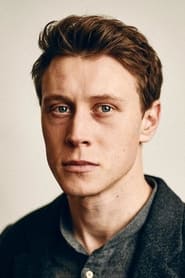
George Andrew J. MacKay (/məˈkaɪ/; born 13 March 1992) is an English actor. He began his career as a child actor in Peter Pan (2003). He had starring roles in the British war drama Private Peaceful (2012), the romantic film How I Live Now (2013), For Those in Peril (2013), for which he won a BAFTA Scotland Award, and Marrowbone (2017). He gained wider recognition for his leading role in the war film 1917 (2019).
Also known forCaptain Fantastic(2016) · Peter Pan(2003) · Defiance(2008) · Marrowbone(2017)
Born September 7, 1997 · Romford, Essex, England, UK
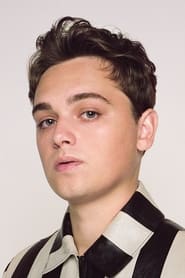
Dean-Charles Chapman (born 7 September 1997) is an English actor known for portraying Tommen Baratheon on HBO's Game of Thrones, Richard Grey on The White Queen, Tom Blake in Sam Mendes's film 1917, and Billy Elliot in the West End theatre production of Billy Elliot the Musical.
Also known forGame of Thrones(2011) · The Commuter(2018) · The King(2019) · Before I Go to Sleep(2014)
Mark Strong (born Marco Giuseppe Salussolia; 5 August 1963) is a British actor. He is best known for his film roles such as Prince Septimus in Stardust (2007), Archibald in RocknRolla (2008), Lord Henry Blackwood in Sherlock Holmes (2009), Frank D'Amico in Kick-Ass (2010), Jim Prideaux in Tinker Tailor Soldier Spy (2011), Sinestro in Green Lantern (2011), George in Zero Dark Thirty (2012), Major General Stewart Menzi…
Also known forThe Imitation Game(2014) · Kingsman: The Secret Service(2015) · Sherlock Holmes(2009) · Kick-Ass(2010)
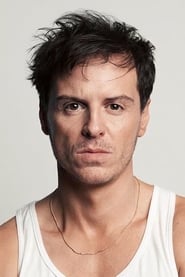
Andrew Scott (born 21 October 1976) is an Irish actor. Known for his roles on stage and screen, his accolades include a British Academy Television Award, Silver Bear Berlin International Film Festival, and two Laurence Olivier Awards, along with nominations for three Primetime Emmy Awards and three Golden Globe Awards.
Scott first came to prominence portraying James Moriarty in the BBC series Sherlock (2010–2017), f…
Also known forSaving Private Ryan(1998) · Spectre(2015) · Alice Through the Looking Glass(2016) · Sherlock(2010)
Born June 18, 1986 · Elderslie, Renfrewshire, Scotland, UK
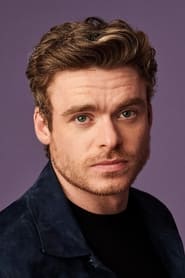
Richard Madden (born 18 June 1986) is a Scottish actor. He was cast in his first role at age 11 and made his screen acting debut in 2000. He later began performing on stage whilst a student at the Royal Conservatoire of Scotland. In 2007, he toured with Shakespeare's Globe company as Romeo in Romeo and Juliet, a role he reprised in the West End in 2016.
Also known forGame of Thrones(2011) · Eternals(2021) · Cinderella(2015) · Rocketman(2019)
At the height of the First World War, two young British soldiers must cross enemy territory and deliver a message that will stop a deadly attack on hundreds of soldiers.
The Sky's the Limit: Drones and the Art of Aerial Cinematography in Spectre
The advent of drones has fundamentally reshaped aerial cinematography, offering filmmakers unparalleled freedom and precision. Sam Mendes's 2015 Bond installmen