

<em>Dune: Part Two</em>: Villeneuve's Masterwork Expands the Horizon
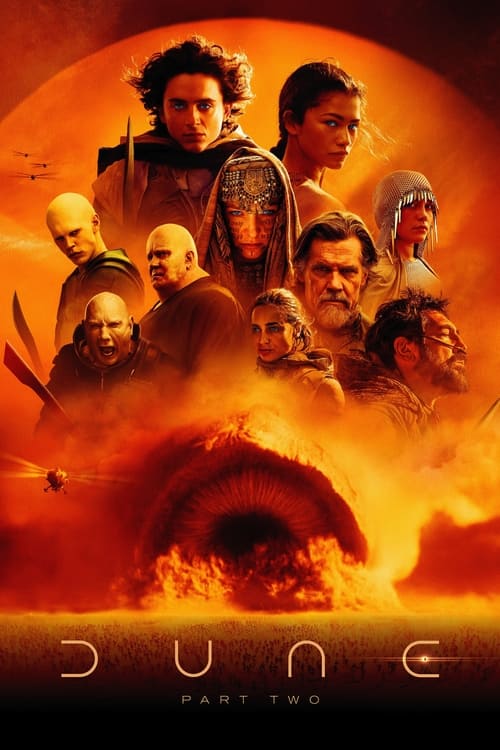
Denis Villeneuve’s monumental <em>Dune: Part Two</em> isn't just a sequel; it's a testament to what large-scale cinema can still achieve when vision and craft align perfectly. This is an epic for the ages, pushing the boundaries of immersive storytelling.
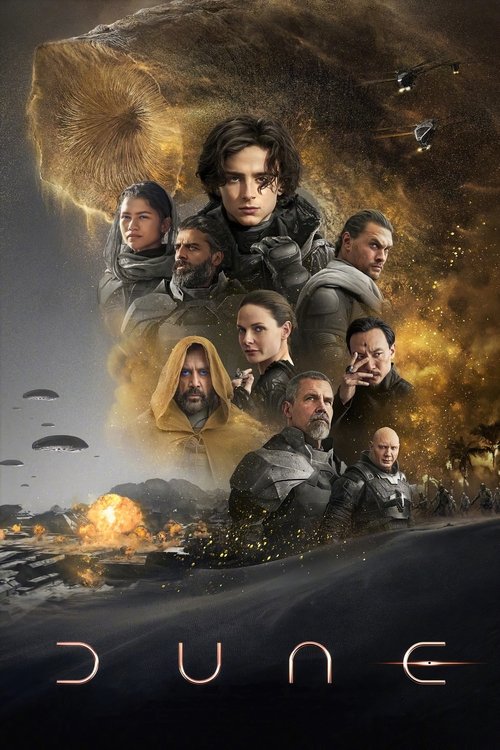
When Denis Villeneuve committed to adapting Frank Herbert’s seminal novel, many of us cinephiles held our breath. The scale, the internal monologues, the sheer philosophical density – it’s a story that has proven notoriously difficult to translate to the screen. Yet, with 2021's Dune, he delivered a promise. With Dune: Part Two, he delivers the full, resounding triumph. This isn't merely a successful sequel; it is a cinematic event that redefines the modern blockbuster, proving that intellectual ambition and visual spectacle are not mutually exclusive.
A Symphony of Sand and Silence
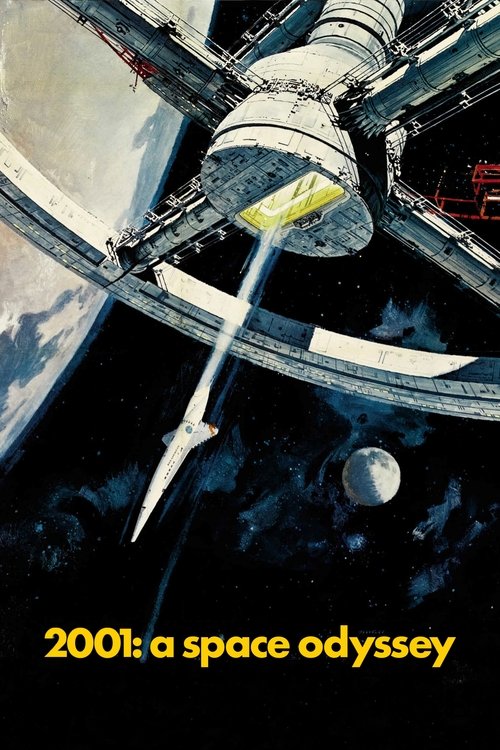
Villeneuve, collaborating once again with cinematographer Greig Fraser, takes everything that worked in the first film and amplifies it to a staggering degree. The visuals in Dune: Part Two are nothing short of breathtaking, expanding Arrakis into a living, breathing, hostile character. Fraser’s use of monumental wide shots and stark, almost monochromatic palettes creates a sense of both awe and dread, emphasizing the insignificance of humanity against the vast, unforgiving desert. The film’s sound design, a critical but often overlooked element, is equally masterful. Hans Zimmer’s score continues to be a character unto itself, but it’s the nuanced absence of sound, the guttural Fremen chants, and the seismic thrum of the sandworms that truly immerse you. It’s a sensory experience that demands the largest screen and the best sound system available, echoing the immersive power of films like David Lean’s Lawrence of Arabia or Kubrick’s 2001: A Space Odyssey.

The Weight of Destiny
The narrative thrust of Dune: Part Two is Paul Atreides’s reluctant embrace of his messianic destiny, and Timothée Chalamet sells every ounce of his character’s internal struggle. His performance here is a significant leap from the first film, evolving from a haunted young man to a figure of both immense power and terrible conviction. Zendaya’s Chani, freed from the confines of Paul’s dreams, becomes the film’s moral compass, her skepticism a vital counterpoint to the rising fanaticism. But it’s Austin Butler as Feyd-Rautha Harkonnen who truly steals scenes; his chilling, feral intensity creates a villain both terrifying and utterly compelling, a worthy heir to the Lynchian grotesquery of the 1984 Dune film while carving out his own menacing niche.
Villeneuve never shies away from Herbert's more challenging themes. He deftly explores the perils of religious zealotry, the weaponization of prophecy, and the tragic consequences of power, regardless of its source. This isn't just a space opera; it's a profound political and philosophical allegory wrapped in an impeccably crafted package. I know Korie often champions films that connect deeply with the cultural moment, and while Dune: Part Two is set in a distant future, its exploration of fundamentalism and the manipulation of belief feels incredibly prescient.
A Landmark in Sci-Fi Cinema
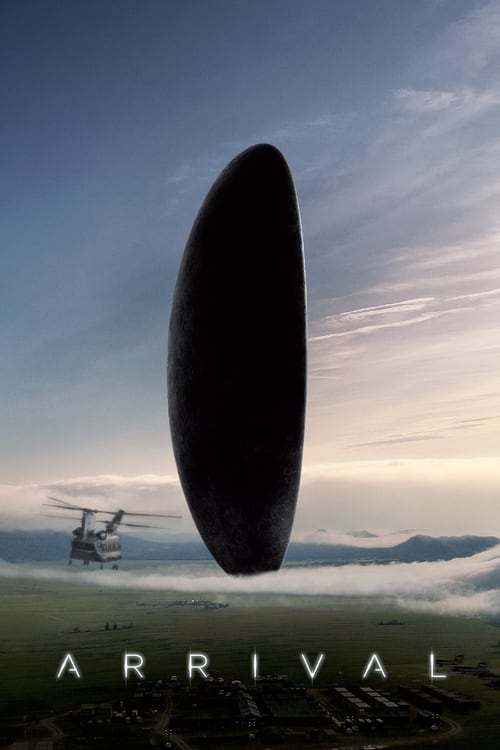
Villeneuve has always excelled at crafting intelligent, visually stunning science fiction, from Arrival to Blade Runner 2049. With Dune: Part Two, he hasn't just continued that streak; he has elevated it. He respects the source material deeply, understanding that its grandeur lies not just in its spectacle, but in its complex characters and its uncomfortable truths. This film isn't about heroes and villains in simple terms; it’s about destiny, choice, and the crushing weight of leadership. It’s a testament to audacious filmmaking and a powerful reminder that epic storytelling, when executed with precision and vision, can transcend mere entertainment to become a genuine work of art.

Dune: Part Two doesn't just deserve to be seen; it demands it. It’s a masterclass in world-building, character development, and immersive cinema, solidifying its place as one of the great science fiction films of our time.
