
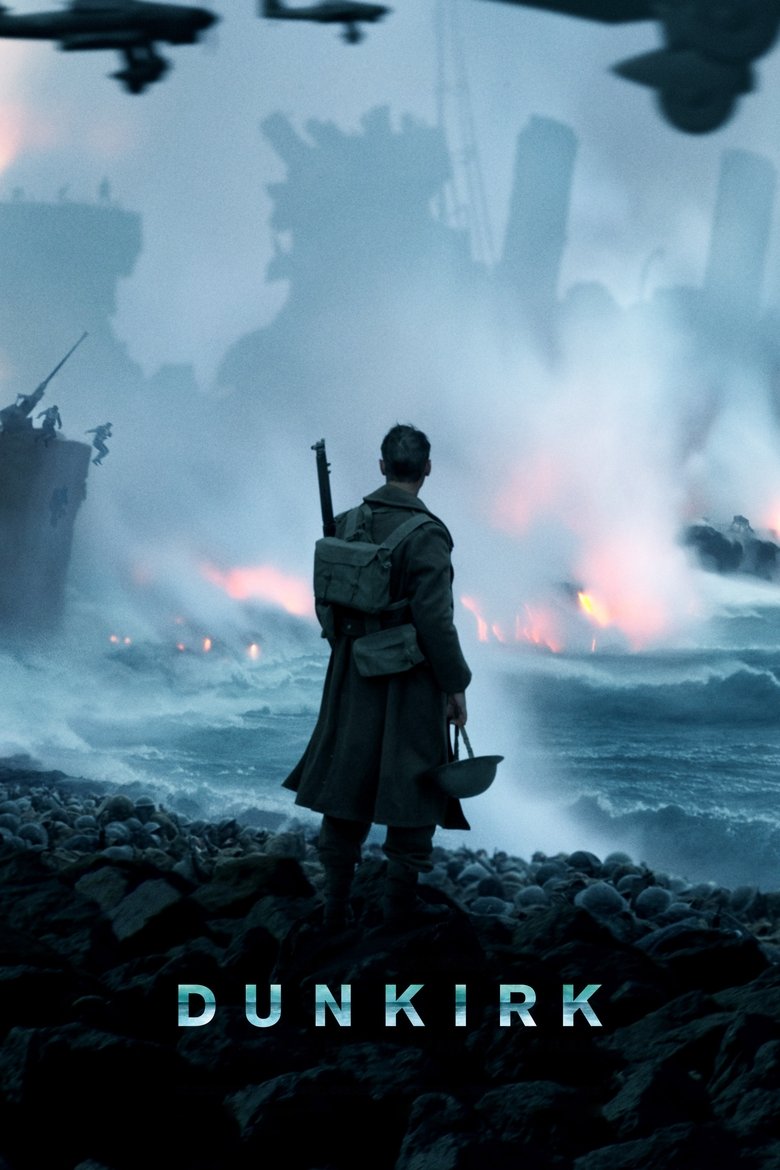
The Relentless Pulse: How *Dunkirk*'s Sound Design Commands Our Attention
Christopher Nolan's *Dunkirk* isn't merely a visual spectacle; it's a masterclass in sonic immersion, where Hans Zimmer's score and Richard King's sound design fuse to create an unrelenting experience. This isn't background noise – it's the very heartbeat of the film, dictating pace and amplifying dread.
When Christopher Nolan’s Dunkirk landed in cinemas, much was made, rightly so, of Hoyte van Hoytema’s breathtaking cinematography and Nolan’s audacious, non-linear structure. Yet, for all its visual grandeur and narrative ingenuity, the film's true genius — its visceral, almost suffocating power — lies unequivocally in its sound design and score. This isn't just accompaniment; it's the very engine of the film, a relentless, anxiety-inducing force that pulls you into the harrowing experience of war with an immediacy few films achieve.
I remember walking out of my first viewing feeling physically exhausted, as if I’d just spent two hours trying to outrun machine-gun fire. That reaction wasn't solely from the images on screen, but from the meticulously crafted sonic landscape that enveloped me. It’s a testament to the collaborative brilliance of composer Hans Zimmer and sound designer Richard King, who together forged a soundscape that transcends mere atmosphere, becoming an active, narrative-driving character in its own right.
The Ticking Clock of Dread
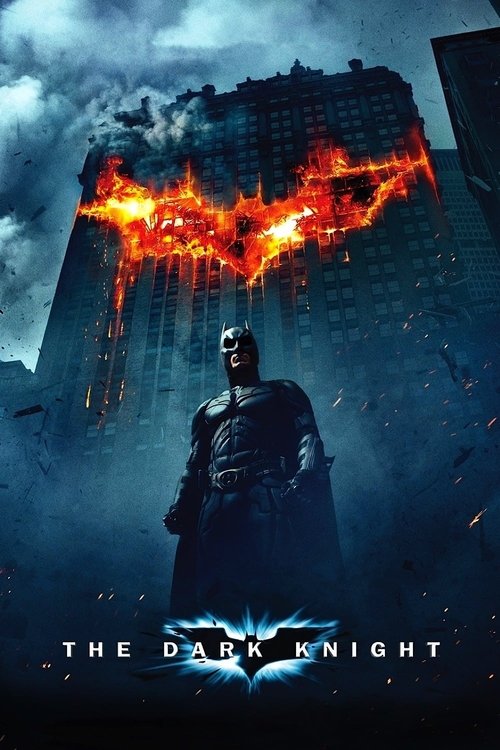
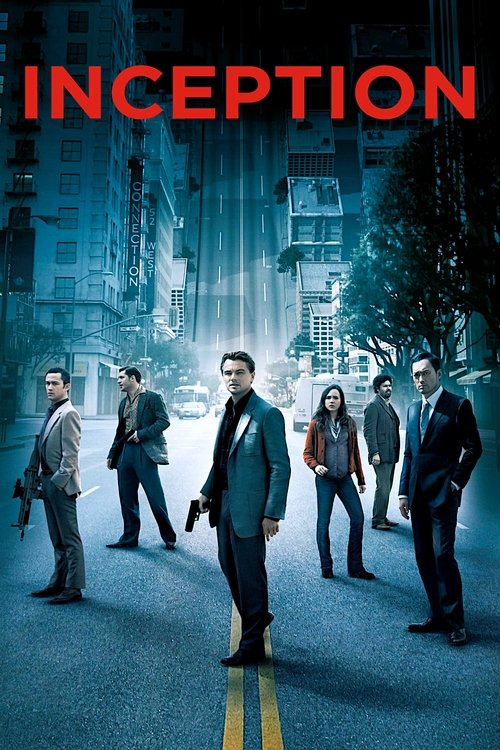
Hans Zimmer has long been Nolan's sonic architect, delivering iconic scores for films like Inception and The Dark Knight. But with Dunkirk, he pushed beyond traditional melodic composition, crafting what he himself described as a "sonic illusion." The score is dominated by a persistent, high-frequency ticking sound, reminiscent of a watch, derived from Nolan's own pocket watch. This isn't incidental; it's a relentless, ever-present countdown. This ticking, often augmented by the famous Shepard tone – an auditory illusion that sounds like it's constantly ascending without ever reaching a peak – creates an almost unbearable sense of escalating tension. There’s no release, only the perpetual climb towards an unknown, terrifying climax. It’s a brilliant, almost psychological weapon, keeping the audience locked in a state of high alert, mirroring the soldiers' own agonizing wait.
Zimmer also masterfully weaves in fragments of Elgar's "Nimrod," but not as a soaring, patriotic anthem. Instead, it’s distorted, stretched, and buried beneath the cacophony of war, emerging only briefly as a ghost of hope, quickly re-submerged by the encroaching dread. This isn't a score you hum; it's a score you feel, deep in your bones, a constant thrumming anxiety that refuses to let up.
A Symphony of Chaos and Silence
While Zimmer provides the relentless pulse, Richard King’s sound design provides the excruciating detail and immersive chaos. King, a multiple Oscar winner, understands that sound in war isn't just noise; it’s information, emotion, and mortal threat. He meticulously differentiates the whine of a German Stuka dive-bomber from the roar of a British Spitfire, allowing the audience to instinctively grasp who is hunting whom. The chilling shriek of the Stuka is not just a sound effect; it’s a harbinger of death, a visceral assault on the senses that leaves you flinching in your seat.
The sounds of the water — the lapping waves, the crashing surf, the terrifying gurgle of a sinking ship — are equally crucial, grounding the vastness of the sea in intimate, terrifying moments of struggle. And then there are the bullets: not generic bursts, but sharp, distinct cracks and whizzes that emphasize their deadly speed and proximity. Yet, King also understands the power of relative silence. The brief lulls, the muted underwater sequences, the sudden absence of planes, only amplify the terror when the assault inevitably returns. This isn’t merely realistic; it’s deeply subjective, putting us squarely in the desperate shoes of those stranded on the beach.
Beyond Immersion: The Language of Sound
What Dunkirk achieves with its sound design and score is not just immersion, but a narrative extension. The sonic landscape communicates the narrative arc of relentless survival more effectively than dialogue or traditional exposition ever could. It’s a direct conduit to the characters' fear, their disorientation, and their dwindling hope. Nolan's fragmented narrative structure, juggling three timelines, is held together not just by editing but by this pervasive, unifying soundscape that ensures the audience never loses the core emotional through-line.
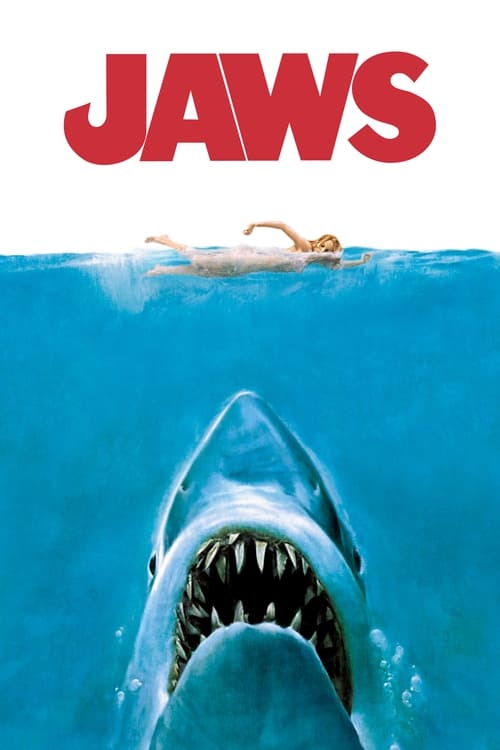
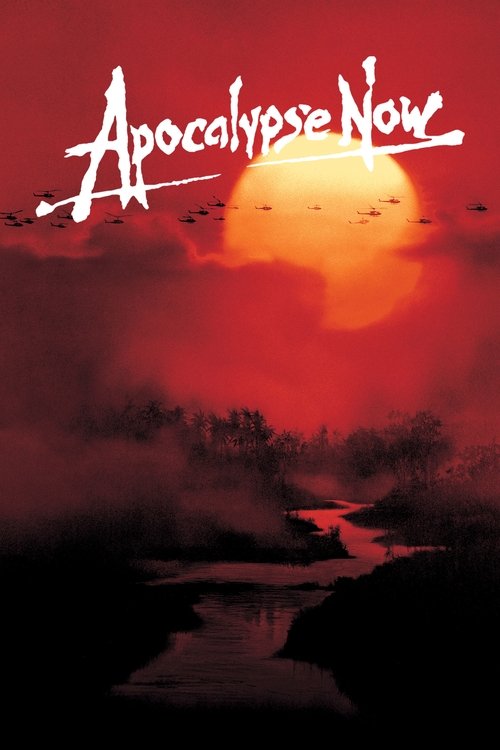
It stands in a venerable tradition of films that push the boundaries of cinematic sound, from the revolutionary soundscapes of Francis Ford Coppola's Apocalypse Now, which similarly immersed audiences in the psychological horror of war, to the iconic, tension-building simplicity of John Williams's score for Jaws. But Dunkirk takes these lessons and elevates them, creating an experience where sound and music are not just elements of craft but the very fabric of the story itself.
Dunkirk is more than just a war film; it's a sensory assault, a masterclass in how sound can manipulate our emotions, drive a narrative, and ultimately, define a cinematic experience. It's a film that demands to be seen and, more importantly, heard, on the biggest screen and with the best sound system possible, because without its relentless pulse, it would simply not be the same film. It is an enduring testament to the power of sonic storytelling.
