
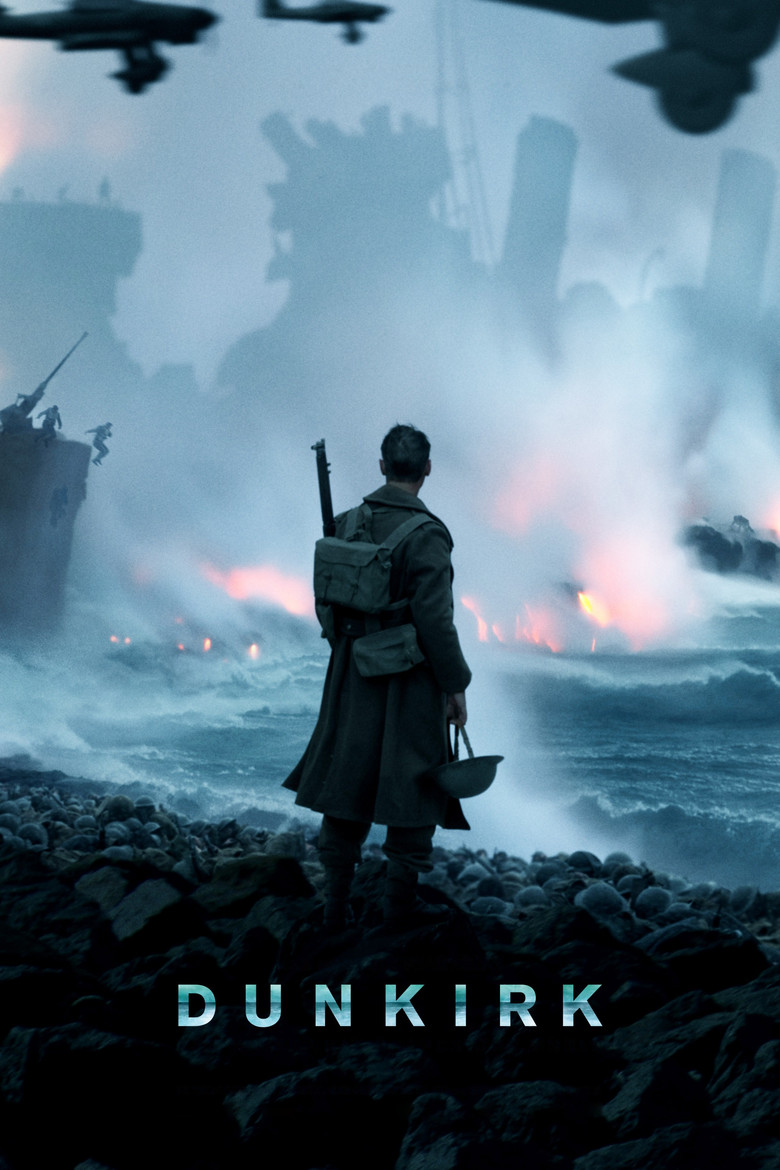
The Unseen Architects of Tension: Sound and Score in Christopher Nolan's <em>Dunkirk</em>
Few films leverage the power of auditory experience quite like Christopher Nolan's <em>Dunkirk</em>. It’s a masterclass in how an expertly crafted soundscape and score can transcend mere accompaniment to become the narrative itself, pulling audiences into the relentless terror of war.
When Christopher Nolan’s Dunkirk arrived in 2017, it wasn’t just a new entry in the war genre; it was a sensory assault, a profound statement on cinematic immersion that redefined how we experience conflict on screen. This film, above all, is a testament to the unseen architects of tension: its score by Hans Zimmer and its meticulously crafted sound design under the genius of Richard King. It's a film that demands to be heard as much as it demands to be seen, making a compelling case that sound isn't just atmosphere, but character, plot, and raw emotion.
The Relentless Tick-Tock of Terror
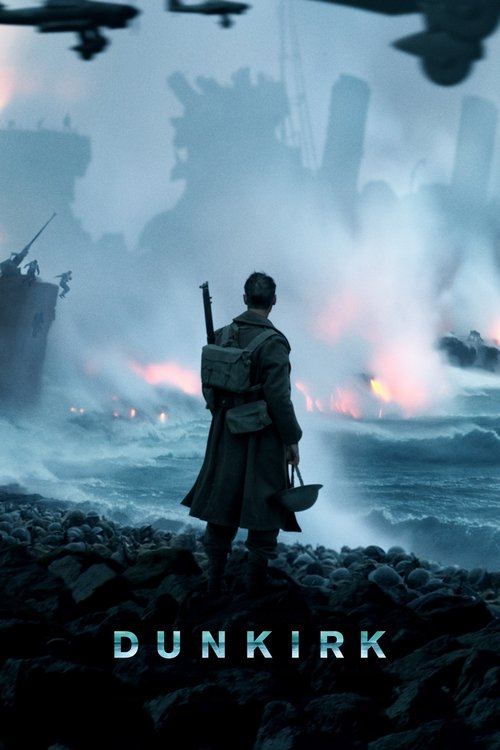
Hans Zimmer’s score for Dunkirk is less a traditional musical accompaniment and more a psychological weapon. From the very first frames, he employs a technique famously known as the Shepard tone, an auditory illusion that creates the perception of a tone that continually ascends in pitch, yet never actually gets any higher. This isn't just a clever trick; it's the sonic embodiment of the film's relentless, almost claustrophobic tension. It mirrors the film’s multi-perspective, non-linear narrative, constantly building, always threatening, never resolving until the very last moments. You can literally feel your heart rate synchronize with that insistent, unyielding pulse, a musical metaphor for the ticking clock that is the soldiers' dwindling time on the beach. It’s a masterclass in how a score can manipulate audience psychology, stripping away any comfort or conventional emotional cues.
A Symphony of Chaos and Silence
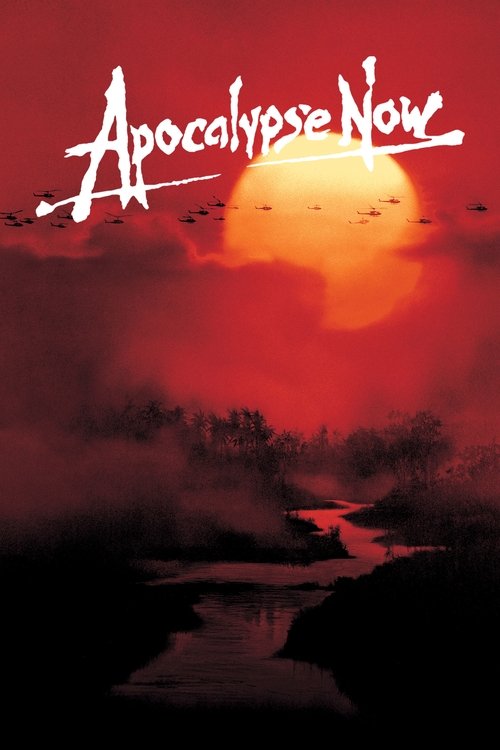
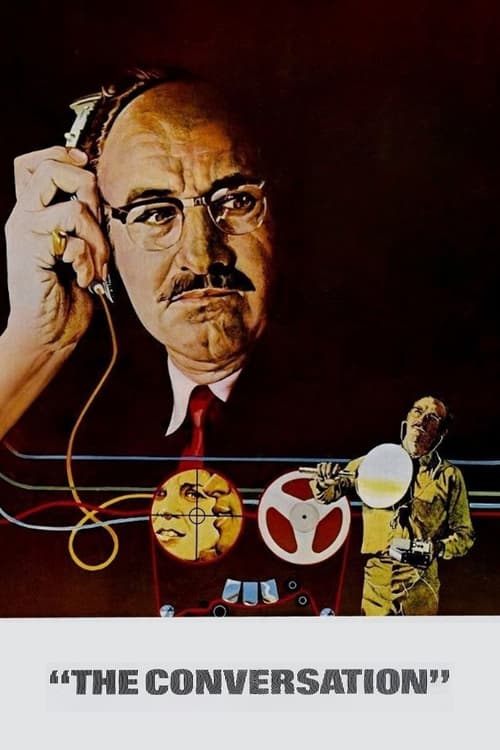
Complementing Zimmer’s score is Richard King's breathtaking sound design, which elevates environmental noise to an art form. Every element is deliberate, tactile, and deeply unsettling. The incessant lapping of the waves against the shore becomes a pervasive, mournful presence. The distant rumble of shelling is a constant, grinding reminder of the encroaching threat. But it's the sound of the Stuka dive-bombers – that banshee shriek descending from the sky – that truly sears itself into your consciousness. It’s not merely a sound effect; it’s a character, a harbinger of death, terrifyingly effective in its visceral impact. King understood that less can often be more. Moments of relative silence, punctuated only by the cries of gulls or the labored breathing of a soldier, create powerful dynamic shifts, forcing the audience to lean in, to feel every vulnerable moment alongside the characters. It's a precise, surgical approach that, much like Walter Murch's work on The Conversation (1974) or the immersive jungle soundscapes of Apocalypse Now (1979), demonstrates sound’s capacity for nuanced storytelling.
The Unsung Language of War
What makes Dunkirk's auditory experience so profound is how seamlessly score and sound design intertwine, often blurring the lines between music and natural sound. This isn't background noise; it's foreground information. The film famously has sparse dialogue, a bold choice that allows the visual and, crucially, the auditory language to carry the bulk of the narrative and emotional weight. We understand the desperation, the terror, the sheer scale of the situation not just through what we see, but through the overwhelming cacophony and the sudden, terrifying lulls. Brian De Palma famously said, 'A movie is images, movement, and sound,' and Dunkirk exemplifies this, using sound to convey the visceral, subjective experience of war without resorting to graphic violence or expositional dialogue. It’s a blueprint for immersive cinema, proving that true artistry in filmmaking often lies in the sensory details most easily overlooked.
Dunkirk isn't just a powerful historical drama; it’s a landmark achievement in film sound. It demonstrates, with chilling precision, how music and sound effects can transcend their supporting roles to become the very fabric of the narrative, driving tension, conveying emotion, and immersing the audience in a way few films ever manage. When I think of films that truly exploit every tool in the cinematic arsenal, Dunkirk stands tall alongside the sonic innovations of a film like Denis Villeneuve's Blade Runner 2049 (2017). It remains a masterclass, a benchmark for what can be achieved when filmmakers treat sound not as an afterthought, but as an indispensable component of storytelling.