
Film Review — <em>The Echo Chamber</em>
Lena Khan’s <em>The Echo Chamber</em> isn’t just a movie; it’s a terrifying, all-too-familiar mirror held up to our digital lives, forcing us to confront the isolating realities of constant scrutiny. Anya Sharma delivers a performance that will haunt you long after the credits roll.
Lena Khan’s The Echo Chamber doesn't just immerse you; it traps you, much like its protagonist, in a suffocating narrative that feels disturbingly close to home. This isn't just another psychological thriller playing on jump scares; it's a meticulously constructed argument about the insidious nature of our hyper-connected, yet paradoxically isolating, digital world. Khan understands that true terror isn't always a monster under the bed; sometimes, it's the monster in your notifications.

The Labyrinth of Modern Disconnect
The film introduces us to Elara (Anya Sharma), a successful online content creator whose life is an open book, curated for millions. But when a seemingly innocuous comment spirals into a relentless public shaming campaign, Elara finds her meticulously crafted reality crumbling. She becomes increasingly paranoid, convinced she’s being watched, monitored, and manipulated, not just by her anonymous critics, but by something more pervasive. What makes The Echo Chamber so unsettling is its refusal to offer easy villains or clear-cut resolutions. Instead, it posits that the system itself—the endless scroll, the constant performance, the blurred lines between public and private—is the antagonist. It’s a compelling take that avoids the preachy pitfalls many films encounter when tackling contemporary issues, instead drawing you into Elara’s fracturing mind with visceral, undeniable force.
A Performance That Haunts
And at the absolute center of this maelstrom is Anya Sharma, delivering a performance that doesn’t just demand your attention but forces it, holding you captive alongside her. Sharma’s portrayal of Elara is a masterclass in quiet desperation, a slow unraveling that brings to mind Catherine Deneuve’s chilling isolation in Polanski’s Repulsion. We witness Elara's initial resilience give way to genuine terror, her confident online persona dissolving into a raw, exposed vulnerability. Sharma conveys so much with her eyes, with the slightest tremor in her hands, with the way she flinches at the perceived hum of a hidden camera. It’s a nuanced, physically demanding performance that perfectly captures the internal torment of a person whose identity is being publicly dissected, leaving you utterly convinced of her plight, no matter how extreme it becomes.

Crafting the Cage
Khan's direction, coupled with cinematographer Maya Singh’s stark, almost clinical visuals, creates an immediate sense of unease. The camera often frames Elara in claustrophobic close-ups or through distorting reflections on screens, mirroring the very digital panes that define her existence and contribute to her isolation. This visual language isn’t just aesthetic; it’s integral to the storytelling, making the audience feel as trapped and scrutinized as Elara herself. The meticulous set design of her increasingly chaotic apartment, along with the precise editing that ratchets up the tension with a precision I haven't felt since Bong Joon-ho's Parasite, all contribute to a suffocating atmosphere. The score, a blend of discordant electronics and haunting melodies by Alex Kim, is less accompaniment and more another character, a constant, low thrum of anxiety that perfectly underscores Elara’s mental state.

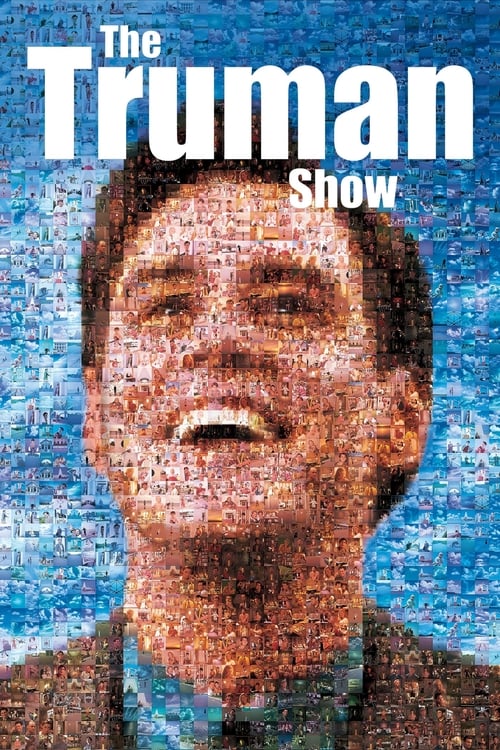
The Echo Chamber is a powerful piece of cinema that operates on multiple levels. It’s a taut thriller, a poignant character study, and a searing commentary on the digital age's hidden costs. While Brian will probably be debating its historical place against every paranoid thriller from the 70s—and it does echo the voyeuristic dread of films like The Truman Show—I’m just going to say this: The Echo Chamber is required viewing. It's a film that doesn't just reflect our times but actively interrogates them, leaving you profoundly unsettled and, perhaps, a little more aware of the screens we choose to live behind.