Legends With Short Filmographies: The Power of Passion and Investment
November 17, 20264 min readBy Cinema Dialogue
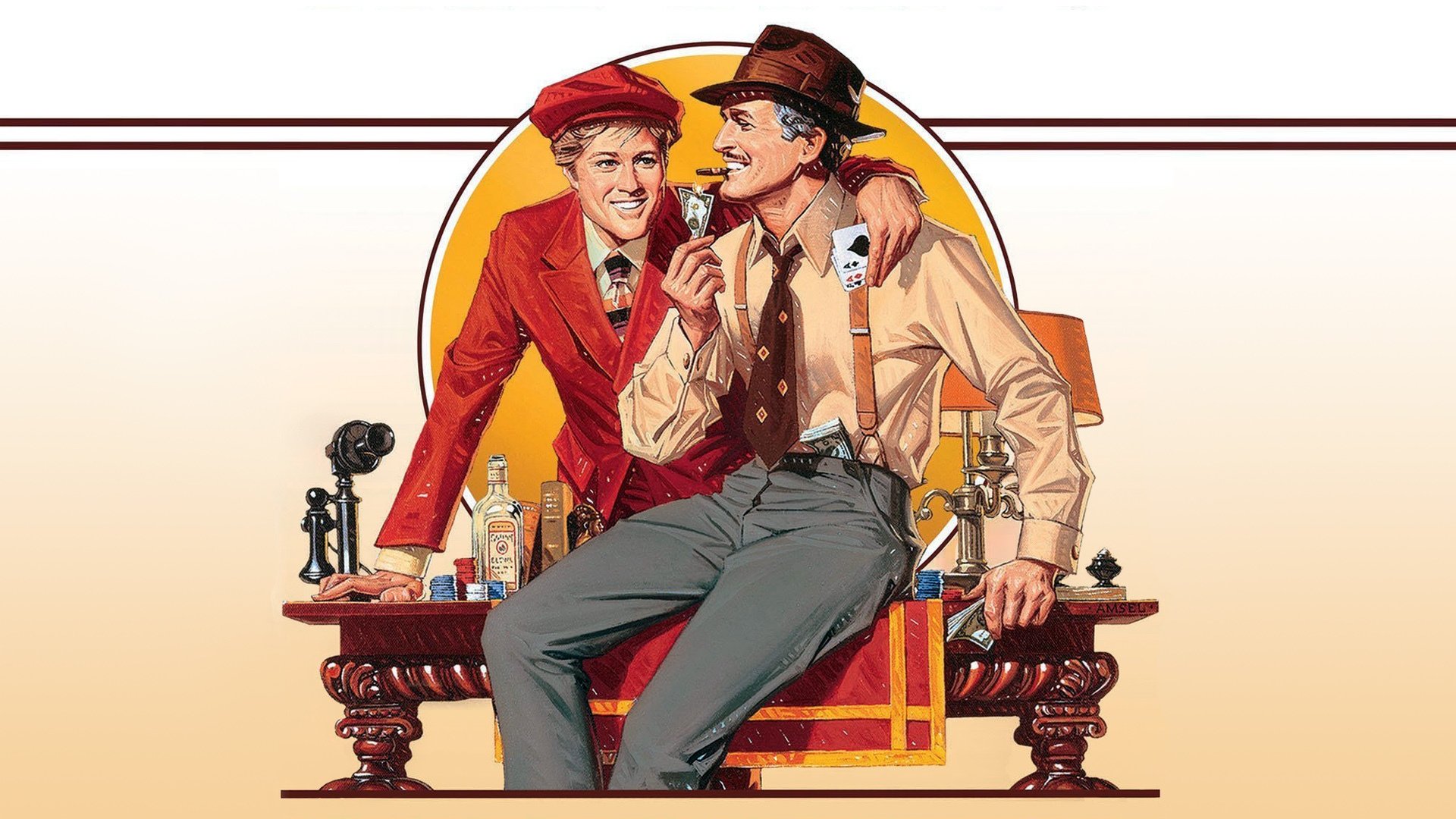
A still from The Sting (1973) · TMDB
INDUSTRY PERSPECTIVE
Legends With Short Filmographies: The Power of Passion and Investment
By Cinema Dialogue ·
In an industry often defined by volume, a select group of producers carved out legendary careers with only a handful of films. Their enduring impact lies in discerning taste and strategic investment in singular artistic visions.
In an era where film production can often feel like a relentless conveyor belt, it is striking how a select few producers etched their names into cinema history with only a handful of projects. Their legacy is not measured by quantity, but by the profound impact and enduring quality of their distinct contributions. These are the figures who exemplified the crucial intersection of two pillars: Passion—an innate understanding of story, taste for craft, and belief in challenging material—and Investment—the strategic deployment of capital and unwavering conviction in a director's vision, often against conventional wisdom. For young filmmakers today, these legends offer a powerful lesson: true influence is forged in conviction, not in volume.
Pioneering Vision: Julia Phillips and the Craft of Conviction
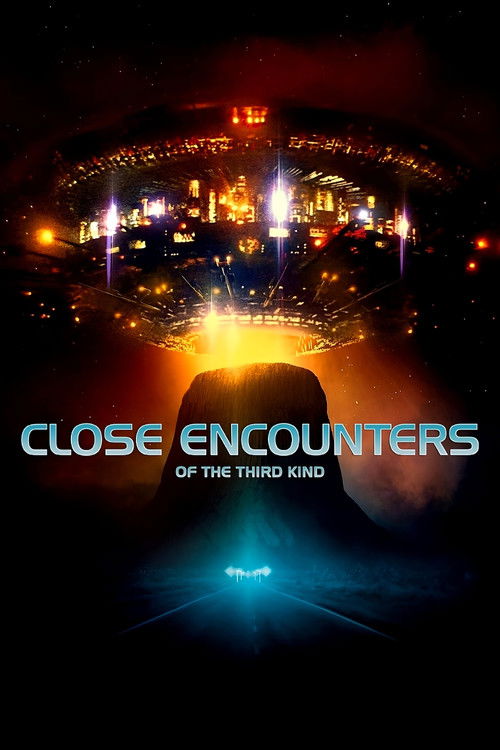
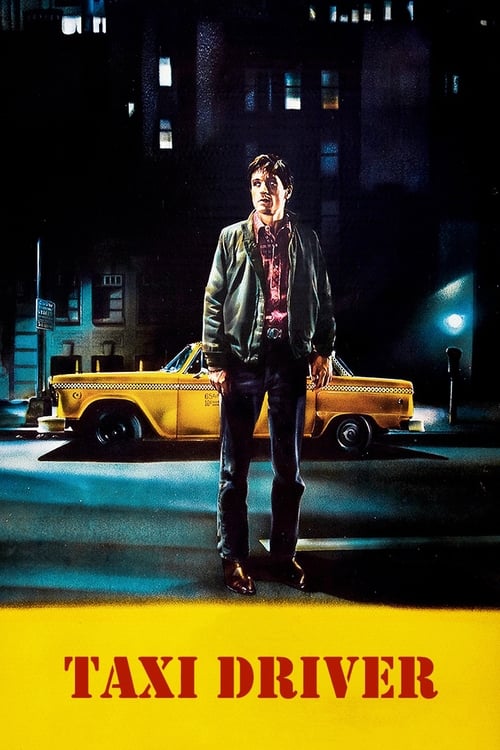
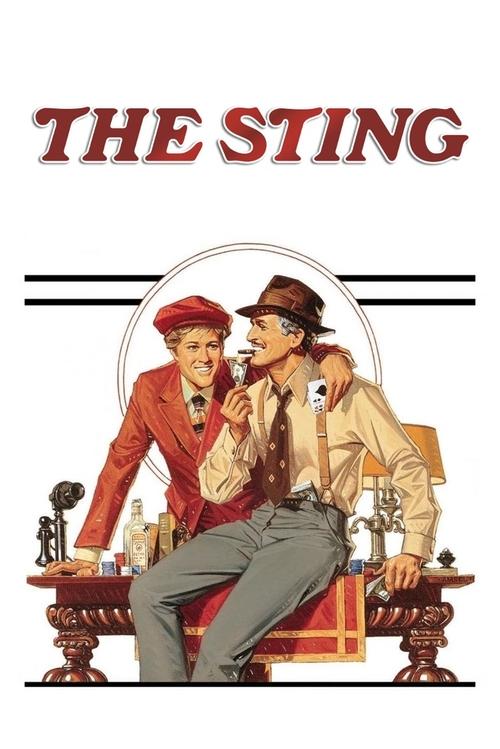
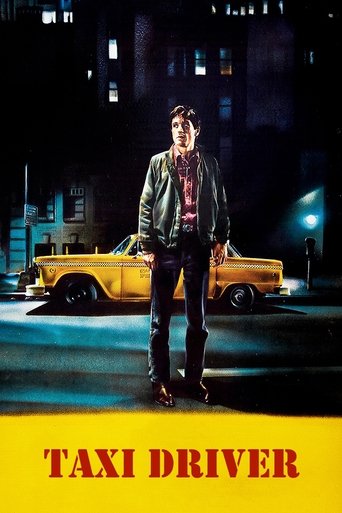
Consider the indelible mark left by Julia Phillips. As a Producer, alongside Michael Phillips and Tony Bill, on The Sting (1973), she made history as the first woman producer to win the Academy Award for Best Picture. The film, directed by George Roy Hill, was a triumph of intricate storytelling and compelling performances, capturing the essence of classic Hollywood while feeling utterly fresh. Its genesis, reportedly a $3,500 commission for David S. Ward’s screenplay, speaks volumes about the early stage of investment where keen taste and a willingness to back nascent talent can define a project’s future. Phillips’s discerning eye extended to other landmark features, including her work as Producer, with Michael Phillips, on Martin Scorsese’s gritty urban masterpiece Taxi Driver (1976) and Steven Spielberg’s visionary science fiction epic Close Encounters of the Third Kind (1977). Each of these films is a testament to supporting directors with distinctive voices and stories that push boundaries, demonstrating a remarkable prescience for what would resonate deeply with audiences and critics alike.
Close Encounters of the Third KindTaxi DriverThe Sting
The Curator's Touch: Saul Zaentz's Enduring Legacy
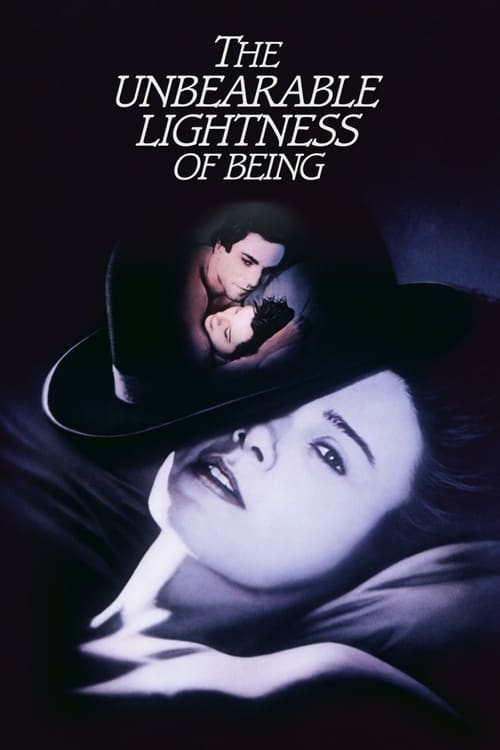
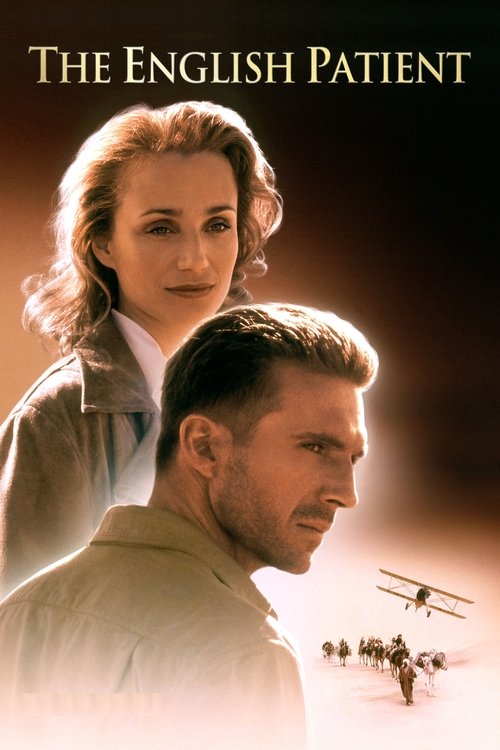
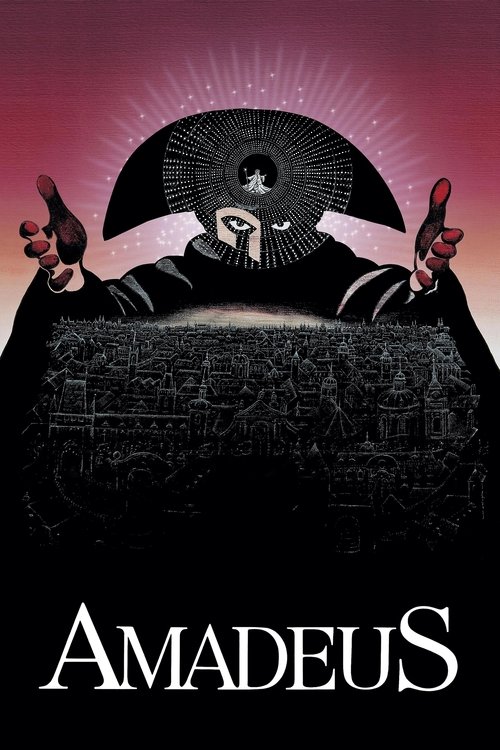
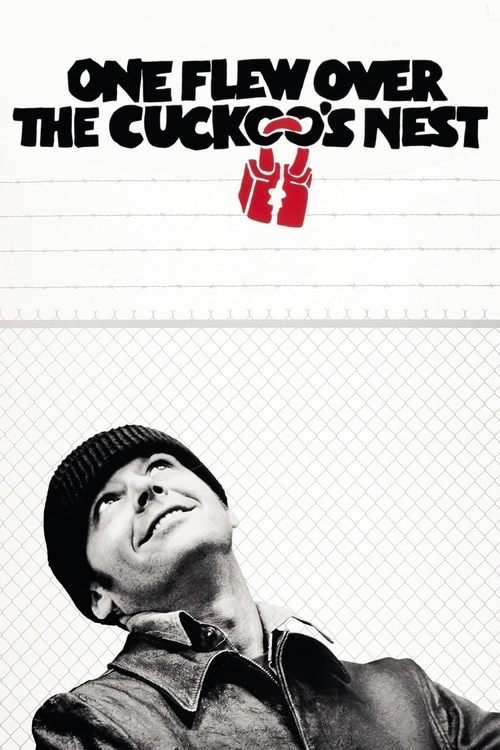
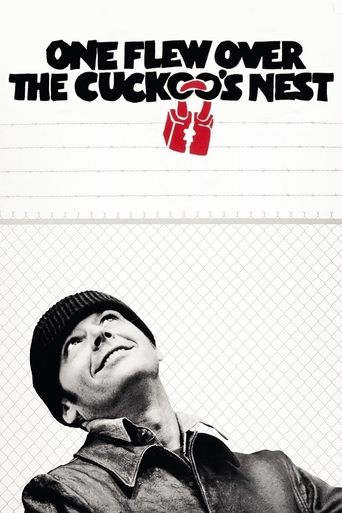
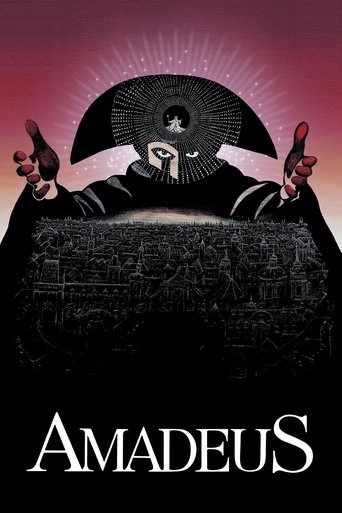
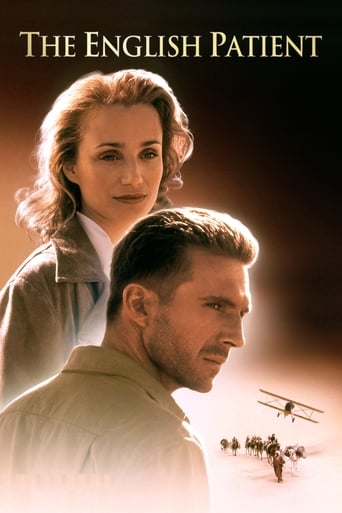
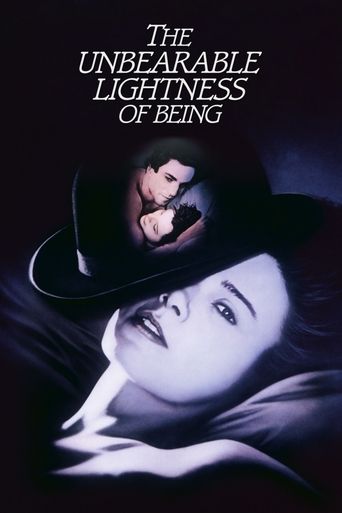
Another producer whose name became synonymous with prestige and artistic courage was Saul Zaentz. A record company executive who transitioned into film, Zaentz became a Producer on a stunning succession of films, three of which won the Academy Award for Best Picture. His collaboration with director Milos Forman yielded both the electrifying One Flew Over the Cuckoo's Nest (1975) and the opulent, character-driven drama Amadeus (1984). Later, he brought Anthony Minghella’s sweeping romance The English Patient (1996) to the screen, again earning the top Oscar. This remarkable consistency in quality speaks to an unparalleled curatorial instinct. Zaentz was not merely financing films; he was investing in complex narratives and empowering filmmakers to realize their grandest ambitions. His diverse filmography, which also includes Philip Kaufman’s adaptation of The Unbearable Lightness of Being (1988), showcases a producer willing to tackle challenging material and nurture artistic integrity above all. His career was fittingly honored with the Irving G. Thalberg Memorial Award in 1996, recognizing a body of work defined by exceptional quality.
The Unbearable Lightness of BeingThe English PatientAmadeusOne Flew Over the Cuckoo's Nest
Beyond the Volume: Betting on Bold Voices
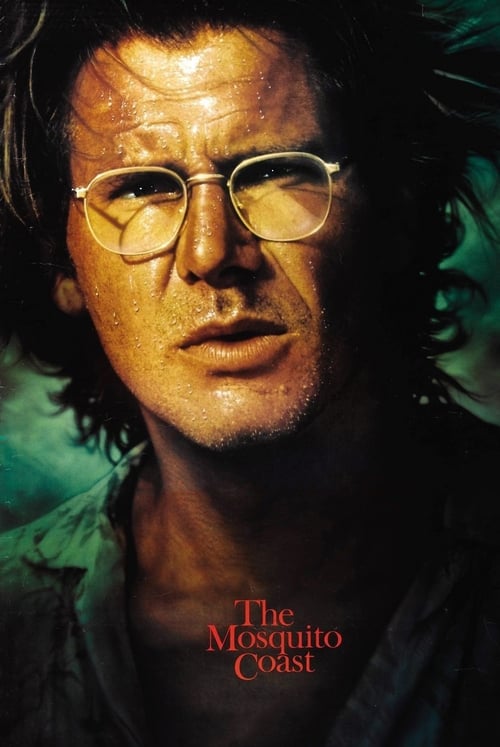
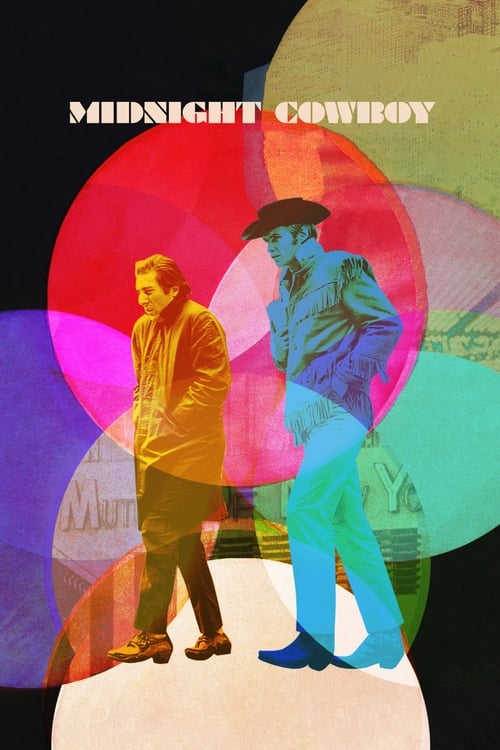
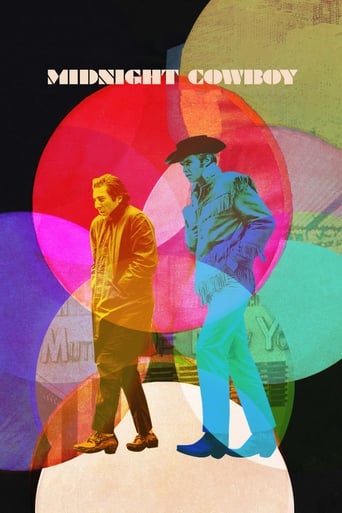
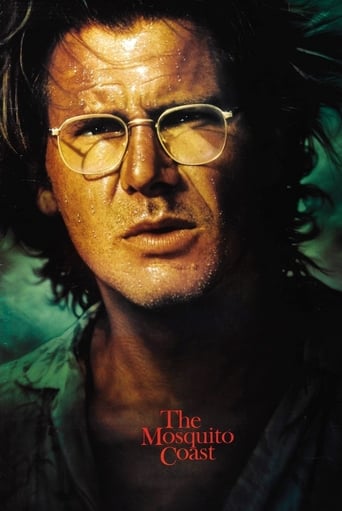
The impact of producers like Jerome Hellman and Bert Schneider further illuminates this principle. Hellman, as Producer on John Schlesinger’s seminal Midnight Cowboy (1969), delivered another Best Picture winner—a stark, uncompromising portrayal of lives on the fringe. He continued this streak with Hal Ashby’s critically acclaimed, Best Picture-nominated Coming Home (1978), and also produced Schlesinger's ambitious The Day of the Locust (1975) and Peter Weir's dramatic The Mosquito Coast (1986). His trajectory demonstrates a clear commitment to powerful, character-driven narratives that often explored the darker corners of the human experience.
The Mosquito CoastThe Day of the LocustComing HomeMidnight Cowboy
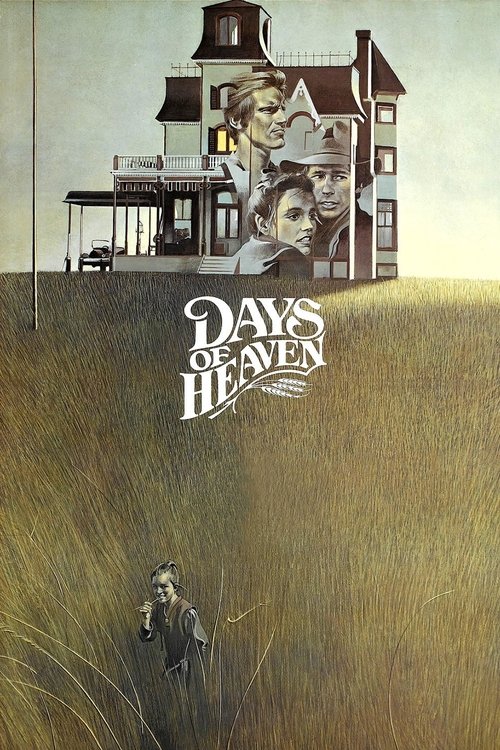
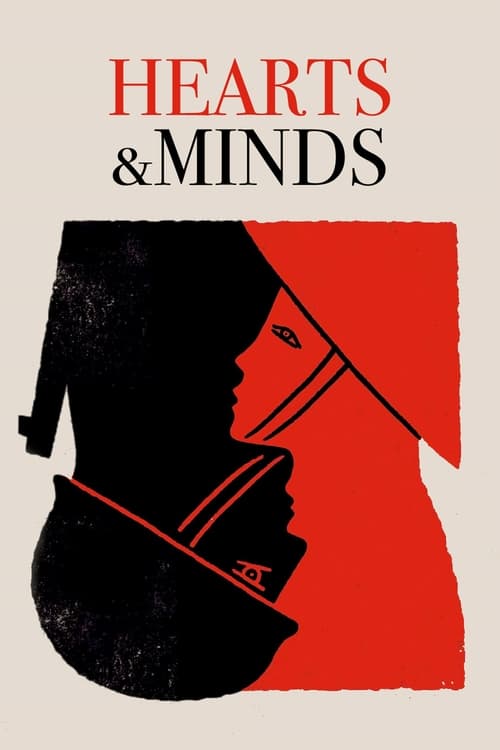
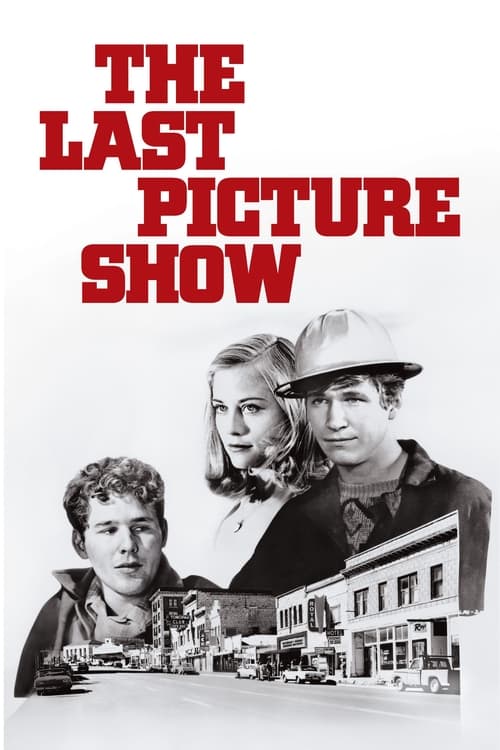
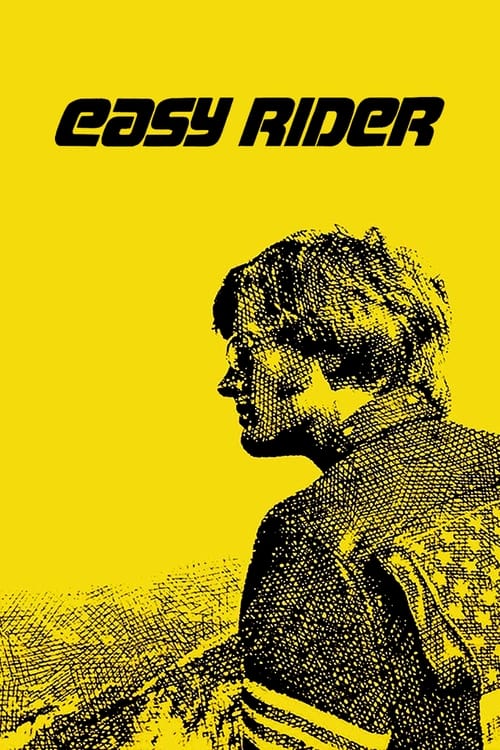
Bert Schneider, too, carved out an essential place in cinema, often as an Executive Producer, shaping the independent film movement of his era. He was instrumental in bringing Dennis Hopper’s generational touchstone Easy Rider (1969), Bob Rafelson’s poignant Five Easy Pieces (1970), and Peter Bogdanovich’s elegiac The Last Picture Show (1971) to screens. Later, as Producer, he backed Peter Davis’s unflinching documentary Hearts and Minds (1974), which won the Academy Award for Best Documentary Feature, and Terrence Malick’s visually breathtaking Days of Heaven (1978). Schneider’s choices were often counter-cultural, betting on emerging auteur directors and stories that challenged the status quo. His willingness to empower these distinctive voices, whether in a hands-on Producer role or as an Executive Producer providing crucial foundational support, forged a legacy that fundamentally altered the landscape of American cinema.
Days of HeavenHearts and MindsThe Last Picture ShowFive Easy PiecesEasy Rider
The Enduring Argument
These producers, with their relatively short filmographies, demonstrate that legendary status is not a function of the number of titles released. It is instead a direct result of an unwavering commitment to quality, a keen eye for talent, and a courageous willingness to invest in difficult, yet ultimately rewarding, material. Their careers underscore that the true alchemy of filmmaking often happens when profound Passion meets strategic Investment, yielding a cinematic output that transcends its era and continues to shape our understanding of the art form.
Films in this article
Open any title for its cast, box office and trailer. Budget and worldwide gross from TMDB where published.
Title
Director / creator
Starring
Budget
Worldwide gross
(1973)
George Roy Hill
Paul Newman, Robert Redford, Robert Shaw
$5.5M
$159.6M
The Sting (1973)
...all it takes is a little confidence.
Director
Released
December 25, 1973
Runtime
2h 9m
Budget
$5.5M
Worldwide gross
$159.6M
Starringas Henry Gondorff · as Johnny Hooker · as Doyle Lonnegan · as Lt. Wm. Snyder · as J.J. Singleton
Born December 20, 1921 · New York City, New York, USA · Died December 27, 2002
George Roy Hill (December 20, 1921 – December 27, 2002) was an American film director. He is most noted for directing such films as Butch Cassidy and the Sundance Kid and The Sting, which both starred the acting duo Paul Newman and Robert Redford.
Also known forButch Cassidy and the Sundance Kid(1969) · Slap Shot(1977) · The World According to Garp(1982) · Funny Farm(1988)
Born January 26, 1925 · Shaker Heights, Ohio, USA · Died September 26, 2008
Paul Leonard Newman (January 26, 1925 – September 26, 2008) was an American actor, film director, entrepreneur, humanitarian, professional racing driver, auto racing team owner, and auto racing enthusiast.
Also known forCars(2006) · The Simpsons(1989) · Cars 3(2017) · Road to Perdition(2002)
Born August 18, 1936 · Santa Monica, California, USA · Died September 16, 2025
Charles Robert Redford Jr. (August 18, 1936 – September 16, 2025) was an American actor, director and activist. Throughout his career, he won several film awards, including the Academy Award for Best Director for his 1980 film Ordinary People. He also received an honorary Academy Award for Lifetime Achievement in 2002 and was also the founder of the Sundance Film Festival.
Also known forAvengers: Endgame(2019) · Captain America: The Winter Soldier(2014) · Butch Cassidy and the Sundance Kid(1969) · Spy Game(2001)
Born August 9, 1927 · Westhoughton, Lancashire, England, UK · Died August 28, 1978
Robert Archibald Shaw (9 August 1927 – 28 August 1978) was an English stage and film actor and novelist, remembered for his performances in The Sting, From Russia with Love, A Man for All Seasons, the original The Taking of Pelham One Two Three (1974), Black Sunday (1977), The Deep (1977) and Jaws, where he played the shark hunter Quint.
Also known forJaws(1975) · From Russia with Love(1963) · The Taking of Pelham One Two Three(1974) · A Man for All Seasons(1966)
Born February 28, 1923 · Highland Falls, New York, USA · Died December 24, 2012
Charles Edward Durning (February 28, 1923 – December 24, 2012) was an American actor. He best-known films include The Sting (1973), Dog Day Afternoon (1975), True Confessions (1981), Tootsie (1982), Dick Tracy (1990) and O Brother, Where Art Thou? (2000). He was nominated for the Academy Award for Best Supporting Actor two times: The Best Little Whorehouse in Texas (1982) and To Be or Not to Be (1983).
Also known forScarface(1983) · Family Guy(1999) · O Brother, Where Art Thou?(2000) · Dog Day Afternoon(1975)
Born November 2, 1914 · Laurel, Mississippi, USA · Died January 1, 2001
Ray Walston (December 2, 1914 – January 1, 2001) was an American stage, television and film actor best known as the title character on the 1960s situation comedy My Favorite Martian. In addition, he was also known for his role as high school teacher Mr. Hand in the 1982 film Fast Times at Ridgemont High and Judge Henry Bone on the drama series Picket Fences.
Also known forThe Apartment(1960) · Star Trek: The Next Generation(1987) · Fast Times at Ridgemont High(1982) · Star Trek: Voyager(1995)
A novice con man teams up with an acknowledged master to avenge the murder of a mutual friend by pulling off the ultimate big con and swindling a fortune from a big-time mobster.
On every street in every city in this country, there's a nobody who dreams of being somebody. He's a lonely forgotten man desperate to prove that he's alive.
Director
Released
February 9, 1976
Runtime
1h 54m
Budget
$1.9M
Worldwide gross
$28.6M
Starringas Travis Bickle · as Iris · as Betsy · as Sport · as Wizard
Born November 17, 1942 · Queens, New York City, New York, USA
Martin Charles Scorsese (/skɔːrˈsɛsi/ skor-SESS-ee, Italian: [skorˈseːze, -se]; born November 17, 1942) is an American filmmaker. One of the major figures of the New Hollywood era, he has received many accolades, including an Academy Award, four BAFTA Awards, three Emmy Awards, a Grammy Award, and three Golden Globe Awards.
Also known forThe Wolf of Wall Street(2013) · Shutter Island(2010) · The Departed(2006) · GoodFellas(1990)
Born August 17, 1943 · Greenwich Village, New York City, New York, USA
Robert Anthony De Niro (born August 17, 1943) is an American actor and film producer. Considered one of his generation's greatest and most influential actors, De Niro has received various accolades, including two Academy Awards and a Golden Globe Award, as well as nominations for eight BAFTA Awards and four Emmy Awards.
Also known forJoker(2019) · GoodFellas(1990) · The Godfather Part II(1974) · Scarface(1983)
Born November 19, 1962 · Los Angeles, California, USA
Alicia Christian 'Jodie' Foster (born November 19, 1962) is an American actress and filmmaker. She is the recipient of numerous accolades, including two Academy Awards, three BAFTA Awards, three Golden Globe Awards, and a Screen Actors Guild Award. For her work as a producer and director, she has been nominated for a Primetime Emmy Award. She has also earned numerous honors such as the Golden Globe Cecil B.
Also known forThe Silence of the Lambs(1991) · The Simpsons(1989) · Elysium(2013) · Inside Man(2006)
Cybill Lynne Shepherd (born February 18, 1950) is an American actress, singer and former model. Her best known roles include starring as Jacy in The Last Picture Show, as Betsy in Taxi Driver, as Maddie Hayes on Moonlighting, as Cybill Sheridan on Cybill, and as Phyllis Kroll on The L Word.
Also known forLaw & Order: Special Victims Unit(1999) · Criminal Minds(2005) · Psych(2006) · The Last Picture Show(1971)
Born May 13, 1939 · Brooklyn, New York City, New York, USA
Harvey Johannes Keitel (born May 13, 1939) is an American actor known for his portrayal of morally ambiguous and "tough guy" characters. He rose to prominence during the New Hollywood movement, and has held a long-running association with director Martin Scorsese, starring in six of his films: Who's That Knocking at My Door (1967), Mean Streets (1973), Alice Doesn't Live Here Anymore (1974), Taxi Driver (1976), The L…
Also known forPulp Fiction(1994) · Inglourious Basterds(2009) · The Grand Budapest Hotel(2014) · Reservoir Dogs(1992)
Born October 18, 1935 · Norristown, Pennsylvania, USA · Died December 12, 2006
Peter Lawrence Boyle, Jr. (October 18, 1935 – December 12, 2006) was an American actor, best known for his role as Frank Barone on the sitcom Everybody Loves Raymond, and as a comical monster in Mel Brooks' film spoof Young Frankenstein (1974).
Boyle, who won an Emmy Award in 1996 for a guest-starring role on the science-fiction drama The X-Files, won praise in both comedic and dramatic parts following his breakthro…
Also known forThe X-Files(1993) · Young Frankenstein(1974) · Doctor Dolittle(1998) · Scooby-Doo 2: Monsters Unleashed(2004)
Suffering from insomnia, disturbed loner Travis Bickle takes a job as a New York City cabbie, haunting the streets nightly, growing increasingly detached from reality as he dreams of cleaning up the filthy city.
Steven Allan Spielberg KBE (born December 18, 1946) is an American filmmaker. A major figure of the New Hollywood era and pioneer of the modern blockbuster, Spielberg is widely regarded as one of the greatest and most influential filmmakers in the history of cinema and is the highest-grossing film director of all time. Among other accolades, he has received three Academy Awards, four Golden Globe Awards and three BAF…
Also known forJurassic Park(1993) · Schindler's List(1993) · Saving Private Ryan(1998) · Catch Me If You Can(2002)
Born October 29, 1947 · Brooklyn, New York City, New York, USA
Richard Dreyfuss (born October 29, 1947) is an American actor. He has starred in film, television, and theater roles since the late 1960s, including the films American Graffiti, Jaws, Close Encounters of the Third Kind, The Goodbye Girl, Stakeout, Always, What About Bob? and Mr. Holland's Opus. He won the Academy Award for Best Actor in 1977 for The Goodbye Girl, and was nominated in 1995 for Mr. Holland's Opus.
Also known forJaws(1975) · RED(2010) · Stand by Me(1986) · Family Guy(1999)
Born February 6, 1932 · Paris, France · Died October 21, 1984
François Roland Truffaut (February 6, 1932 – October 21, 1984) was an influential film critic and filmmaker and one of the founders of the French New Wave. In a film career lasting over a quarter of a century, he remains an icon of the French film industry. He was also a screenwriter, producer, and actor working on over twenty-five films.
Also known forThe 400 Blows(1959) · Day for Night(1973) · Bed and Board(1970) · The Wild Child(1970)
Born December 11, 1944 · Lakewood, Ohio, USA · Died October 29, 2024
Teri Ann Garr (December 11, 1944 – October 29, 2024) was an American actress, dancer and singer. She frequently appeared in comedic roles throughout her career, which spanned four decades and includes over 140 credits in film and television.
Also known forFriends(1994) · Dumb and Dumber(1994) · Law & Order: Special Victims Unit(1999) · Young Frankenstein(1974)
Born October 13, 1939 · Hope, Arkansas, USA · Died January 9, 2023
Melinda Rose Dillon (October 13, 1939 - January 9, 2023) was a twice Oscar nominated American actress. She was best known for her roles in Close Encounters of the Third Kind, Absence of Malice and the holiday classic A Christmas Story.
Also known forLaw & Order: Special Victims Unit(1999) · Magnolia(1999) · A Christmas Story(1983) · Reign Over Me(2007)
Robert Elmer Balaban, Born: August 16, 1945, Chicago, Illinois, U.S (Height: 5' 5" [1.65 m]). is an American actor, author, comedian, director, and producer. He is best known for his appearances in the Christopher Guest mockumentary comedies Waiting for Guffman (1996), Best in Show (2000), A Mighty Wind (2003), and For Your Consideration (2006), as well as his roles in the films Midnight Cowboy (1969), Close Encount…
Also known forThe Grand Budapest Hotel(2014) · The Simpsons(1989) · Friends(1994) · Moonrise Kingdom(2012)
After an encounter with UFOs, an electricity linesman feels undeniably drawn to an isolated area in the wilderness where something spectacular is about to happen.
Born February 18, 1932 · Čáslav, Czechoslovakia [now Czech Republic] · Died April 13, 2018
Jan Tomáš "Miloš" Forman (/ˈmiːloʊʃ/; Czech: [ˈmɪloʃ ˈforman]; February 18, 1932 – April 13, 2018) was a Czech and American film director, screenwriter, actor, and professor who rose to fame in his native Czechoslovakia before emigrating to the United States in 1968.
Forman was an important figure in the Czechoslovak New Wave.
Also known forAmadeus(1984) · Man on the Moon(1999) · The People vs. Larry Flynt(1996) · Hair(1979)
John Joseph "Jack" Nicholson (born April 22, 1937) is a retired American actor, film director, producer and writer. He is renowned for his often dark-themed portrayals of neurotic characters. Nicholson has been nominated for Academy Awards 12 times, winning Best Actor for One Flew Over the Cuckoo's Nest and for As Good as It Gets, and Best Supporting Actor for Terms of Endearment.
Also known forThe Shining(1980) · The Departed(2006) · Batman(1989) · Mars Attacks!(1996)
Born March 18, 1950 · Huntington, West Virginia, USA
Bradford Claude "Brad" Dourif is an American film and television actor who gained early fame for his portrayal of Billy Bibbit in One Flew Over the Cuckoo's Nest.
He has since appeared in a number of memorable roles, including the voice of Chucky in the Child's Play franchise, Younger Brother in Ragtime, the mentat Piter De Vries in David Lynch's Dune, Gríma Wormtongue in The Lord of the Rings, the homicidal Betazoi…
Also known forThe Lord of the Rings: The Two Towers(2002) · Alien Resurrection(1997) · Law & Order: Special Victims Unit(1999) · Chucky(2021)
Born July 22, 1934 · Birmingham, Alabama, USA · Died September 23, 2022
Louise Fletcher (July 21, 1934 – September 23, 2022) was an American actress. She was best known for her portrayal of Nurse Ratched in One Flew Over the Cuckoo's Nest (1975), which earned her an Academy Award for Best Actress, a BAFTA Award, and a Golden Globe Award.
Also known forOnce Upon a Time in America(1984) · Cruel Intentions(1999) · Shameless(2011) · Heroes(2006)
Born November 17, 1944 · Asbury Park, New Jersey, USA
Daniel Michael DeVito Jr. (/dəˈviːtoʊ/ də-VEE-toh; born November 17, 1944) is an American actor, comedian and filmmaker. Known for his short stature, raspy voice, distinct accent, and energetic comedy roles, he gained prominence for his portrayal of the taxi dispatcher Louie De Palma in the television series Taxi (1978–1983), which won him a Golden Globe Award and an Emmy Award.
Also known forMen in Black(1997) · Rick and Morty(2013) · The Simpsons(1989) · Jumanji: The Next Level(2019)
Born January 25, 1927 · New York City, New York, USA · Died August 16, 1976
From Wikipedia, the free encyclopedia.
William Redfield (January 26, 1927 – August 17, 1976) was an American actor and author who appeared in numerous theatrical, film, radio, and television roles.
Description above from the Wikipedia article William Redfield (actor), licensed under CC-BY-SA, full list of contributors on Wikipedia
Also known forDeath Wish(1974) · Fantastic Voyage(1966) · Alfred Hitchcock Presents(1955) · A New Leaf(1971)
A petty criminal fakes insanity to serve his sentence in a mental ward rather than prison. He soon finds himself as a leader to the other patients—and an enemy to the cruel, domineering nurse who runs the ward.
Born February 18, 1932 · Čáslav, Czechoslovakia [now Czech Republic] · Died April 13, 2018
Jan Tomáš "Miloš" Forman (/ˈmiːloʊʃ/; Czech: [ˈmɪloʃ ˈforman]; February 18, 1932 – April 13, 2018) was a Czech and American film director, screenwriter, actor, and professor who rose to fame in his native Czechoslovakia before emigrating to the United States in 1968.
Forman was an important figure in the Czechoslovak New Wave.
Also known forOne Flew Over the Cuckoo's Nest(1975) · Man on the Moon(1999) · The People vs. Larry Flynt(1996) · Hair(1979)
Born October 24, 1939 · Pittsburgh, Pennsylvania, USA
F. Murray Abraham (born Murray Abraham; October 24, 1939) is an American actor. Known for his roles on stage and screen, he has received an Academy Award and a Golden Globe Award as well as nominations for a BAFTA Award, four Emmy Awards, and a Grammy Award.
Also known forThe Grand Budapest Hotel(2014) · Scarface(1983) · How to Train Your Dragon: The Hidden World(2019) · Isle of Dogs(2018)
Thomas Edward Hulce (born December 6, 1953) is an American actor and theater producer. He is best known for his portrayal of Wolfgang Amadeus Mozart in the Academy Award-winning film Amadeus (1984), as well as the roles of Larry "Pinto" Kroger in Animal House (1978), Larry Buckman in Parenthood (1989), and Quasimodo in Disney's animated film The Hunchback of Notre Dame (1996).
Also known forJumper(2008) · The Hunchback of Notre Dame(1996) · Stranger Than Fiction(2006) · Animal House(1978)
Elizabeth Berridge (born May 2, 1962) is an American film and theatre actress. She is best known for playing Constanze Mozart in the Miloš Forman period drama film Amadeus (1984), Melanie in Five Corners (1987), and for her comedic roles as Charlotte on the Norman Lear sitcom The Powers that Be (1992–1993), and Officer Eve Eggers on The John Larroquette Show (1993–1996).
Description above from the Wikipedia article…
Also known forPayback(1999) · Hidalgo(2004) · Miami Vice(1984) · The Funhouse(1981)
Born June 13, 1949 · Streatham, London, England, UK
Simon Phillip Hugh Callow CBE (born 15 June 1949) is an English actor. Known as a character actor on stage and screen, he has received numerous accolades including an Olivier Award and Screen Actors Guild Award as well as nominations for two BAFTA Awards.
Also known forThe Witcher(2019) · Notting Hill(1999) · Ace Ventura: When Nature Calls(1995) · Hawkeye(2021)
Born May 26, 1923 · Guernsey, Channel Islands, UK · Died October 16, 2017
Roy Dotrice (May 26, 1923 - October 16, 2017) was a British radio, stage, and screen actor. On stage, he won acclaim for his Tony Award-winning Broadway performance in the revival of A Moon for the Misbegotten and one person plays such as Brief Lives. On screen, he is best known as Leopold Mozart in Amadeus and as a regular on the 1987-1990 series Beauty and the Beast.
Also known forGame of Thrones(2011) · Hellboy II: The Golden Army(2008) · Batman: The Animated Series(1992) · Spider-Man(1994)
Disciplined Italian composer Antonio Salieri becomes consumed by jealousy and resentment towards the hedonistic and remarkably talented young Salzburger composer Wolfgang Amadeus Mozart.
Born January 6, 1954 · Ryde, Isle of Wight, England, UK · Died March 18, 2008
Anthony Minghella, CBE (6 January 1954 – 18 March 2008) was an English film director, playwright and screenwriter. He was Chairman of the Board of Governors at the British Film Institute between 2003 and 2007.
He won the Academy Award for Best Director for The English Patient (1996), which also won the BAFTA Award for Best Film and Golden Globe Award for Best Director.
Description above from the Wikipedia article A…
Also known forThe Talented Mr. Ripley(1999) · Cold Mountain(2003) · Nine(2009) · New York, I Love You(2008)
Born December 22, 1962 · Ipswich, Suffolk, England, UK
Ralph Nathaniel Twisleton-Wykeham-Fiennes (born 22 December 1962) is an English actor, film producer, and director. He has received various accolades, including a British Academy Film Award and a Tony Award, as well as nominations for three Academy Awards, seven Golden Globe Awards, and a Primetime Emmy Award.
Born in Ipswich, Suffolk, Fiennes was trained at and graduated from the Royal Academy of Dramatic Art in 19…
Also known forHarry Potter and the Goblet of Fire(2005) · Harry Potter and the Deathly Hallows: Part 2(2011) · Harry Potter and the Order of the Phoenix(2007) · Harry Potter and the Deathly Hallows: Part 1(2010)
Juliette Binoche (born 9 March 1964) is a French actress, artist and dancer. She has appeared in more than 40 feature films, been recipient of numerous international accolades, is a published author and has appeared on stage across the world. Coming from an artistic background, she began taking acting lessons during adolescence.
Also known forGodzilla(2014) · Ghost in the Shell(2017) · Chocolat(2000) · Three Colors: Blue(1993)
William James "Willem" Dafoe (/dəˈfoʊ/ də-FOH; born July 22, 1955) is an American actor. Known for his prolific career portraying diverse roles in both mainstream and arthouse films, he is the recipient of various accolades, including a Volpi Cup Award for Best Actor, with nominations for four Academy Awards, a British Academy Film Award, and four Golden Globe Awards.
Also known forSpider-Man: No Way Home(2021) · Spider-Man(2002) · John Wick(2014) · Finding Nemo(2003)
Born May 24, 1960 · Redruth, Cornwall, England, UK
Dame Kristin Ann Scott Thomas (born 24 May 1960) is a British actress. A five-time BAFTA Award and Olivier Award nominee, she won the BAFTA Award for Best Actress in a Supporting Role for Four Weddings and a Funeral (1994) and the Olivier Award for Best Actress in 2008 for the Royal Court revival of The Seagull.
Also known forMission: Impossible(1996) · Tomb Raider(2018) · Darkest Hour(2017) · The Golden Compass(2007)
In the 1930s, Count Almásy is a Hungarian map maker employed by the Royal Geographical Society to chart the vast expanses of the Sahara Desert along with several other prominent explorers. As World War II unfolds, Almásy enters into a world of love, betrayal, and politics.
Philip Kaufman (born October 23, 1936) is an American filmmaker. Although not noted for directing a large number of films, the films he has worked on have been recognized for their intelligence and independence. He is noted for directing films of eclectic subjects, ranging from realism to fantasy, and often incorporating satire or subtle humor as part of his “artistic signature.” He was born in Chicago, Illinois.
Also known forInvasion of the Body Snatchers(1978) · The Outlaw Josey Wales(1976) · The Right Stuff(1983) · Rising Sun(1993)
Born April 29, 1957 · Greenwich, London, England, UK
Sir Daniel Michael Blake Day-Lewis (born 29 April 1957) is an English and Irish actor. Often described as one of the greatest actors in the history of cinema, he is best known for intense method acting portrayed with eccentric characters in auteur films.
Also known forThere Will Be Blood(2007) · Gangs of New York(2002) · Lincoln(2012) · Phantom Thread(2017)
Juliette Binoche (born 9 March 1964) is a French actress, artist and dancer. She has appeared in more than 40 feature films, been recipient of numerous international accolades, is a published author and has appeared on stage across the world. Coming from an artistic background, she began taking acting lessons during adolescence.
Also known forGodzilla(2014) · Ghost in the Shell(2017) · Chocolat(2000) · The English Patient(1996)
Born March 22, 1955 · Stockholm, Stockholms län, Sweden
Lena Maria Jonna Olin (born 22 March 1955) is a Swedish actress. She has received nominations for an Academy Award, a Golden Globe Award, a BAFTA Award, and a Primetime Emmy Award.
Mentored by filmmaker Ingmar Bergman, she made her screen debut with a small role in his film Face to Face (1976).
Also known forLaw & Order: Special Victims Unit(1999) · Remember Me(2010) · Chocolat(2000) · The Ninth Gate(1999)
Born July 17, 1950 · The Hague, Zuid-Holland, Netherlands
Dick Hein de Lint, known as Derek de Lint, (born 17 July 1950) is a Dutch film and television actor.
De Lint was born in The Hague. In 1977, he played the character Alex in the film Soldier of Orange, directed by Paul Verhoeven. In 1986 he played the role of Anton Steenwijk in The Assault, which won the Academy Award for Best Foreign Language Film in 1986.
Also known forDeep Impact(1998) · NCIS(2003) · Tom Clancy's Jack Ryan(2018) · Black Book(2006)
Born June 13, 1951 · Gothenburg, Västra Götalands län, Sweden
Stellan Skarsgård (born June 13, 1951) is a Swedish actor, known internationally for The Hunt for Red October and Good Will Hunting, as well as his supporting roles in the Pirates of the Caribbean, Mamma Mia!, and Marvel Cinematic Universe (MCU) franchises.
Skarsgård is particularly associated with director Lars von Trier and has appeared in six of the Danish auteur's features: The Kingdom, Breaking the Waves, Dance…
Also known forThe Avengers(2012) · Avengers: Age of Ultron(2015) · Thor(2011) · Thor: The Dark World(2013)
Successful surgeon Tomas leaves Prague for an operation, meets a young photographer named Tereza, and brings her back with him. Tereza is surprised to learn that Tomas is already having an affair with the bohemian Sabina, but when the Soviet invasion occurs, all three flee to Switzerland. Sabina begins an affair, Tom continues womanizing, and Tereza, disgusted, returns to Czechoslovakia. Realizing his mistake, Tomas decides to chase after her.
Born February 16, 1926 · London, England, UK · Died July 25, 2003
John Richard Schlesinger, CBE, was an English film and stage director, and actor. He won an Academy Award for Best Director for Midnight Cowboy, and was nominated for two other films (Darling and Sunday Bloody Sunday).
Schlesinger was born in London, into a middle class Jewish family. His acting career began in the 1950s and consisted of supporting roles in British films and television productions.
Also known forMarathon Man(1976) · Eye for an Eye(1996) · Pacific Heights(1990) · The Next Best Thing(2000)
Born August 8, 1937 · Los Angeles, California, USA
Dustin Lee Hoffman (born August 8, 1937) is an American actor and filmmaker. He is known for his versatile portrayals of antiheroes and emotionally vulnerable characters. Actor Robert De Niro described him as "an actor with the everyman's face who embodied the heartbreakingly human".
Also known forKung Fu Panda(2008) · The Simpsons(1989) · Kung Fu Panda 2(2011) · Rain Man(1988)
Jonathan Vincent "Jon" Voight (born December 29, 1938) is an American actor. He has received an Academy Award (out of four nominations) and three Golden Globe Awards (out of nine).
Voight came to prominence in the late 1960s with his performance as a would-be gigolo in Midnight Cowboy (1969).
Also known forFantastic Beasts and Where to Find Them(2016) · Transformers(2007) · Mission: Impossible(1996) · Heat(1995)
Born September 9, 1932 · New York City, New York, USA · Died June 12, 2019
Sylvia Miles (September 9, 1924 – June 12, 2019) was an American actress. She was twice nominated for the Academy Award for Best Supporting Actress for her performances in Midnight Cowboy (1969) and Farewell, My Lovely (1975).
Description above from the Wikipedia article Sylvia Miles, licensed under CC-BY-SA, full list of contributors on Wikipedia.
Also known forWall Street(1987) · Sex and the City(1998) · Wall Street: Money Never Sleeps(2010) · Miami Vice(1984)
Born November 5, 1913 · New York City, New York, USA · Died September 9, 1975
From Wikipedia, the free encyclopedia
John Irwin McGiver (November 5, 1913 – September 9, 1975) was a character actor who made more than a hundred appearances in television and motion pictures over a two-decade span from 1955 to 1975.
The owl-faced, portly actor with the mid-Atlantic accent was known for his performances as the religious fanatic Mr.
Also known forBreakfast at Tiffany's(1961) · The Twilight Zone(1959) · The Manchurian Candidate(1962) · I Dream of Jeannie(1965)
Joe Buck is a wide-eyed hustler from Texas hoping to score big with wealthy New York City women; he finds a companion in Enrico "Ratso" Rizzo, an ailing swindler with a bum leg and a quixotic fantasy of escaping to Florida.
Born April 2, 1950 · Xi'an, Shaanxi Province, China
Zhang Yimou (born November 14, 1950 or 1951) is a Chinese film director, producer, writer and actor, and former cinematographer. He is counted amongst the Fifth Generation of Chinese filmmakers, having made his directorial debut in 1987 with Red Sorghum.
Also known forThe Great Wall(2016) · Hero(2002) · House of Flying Daggers(2004) · The Flowers of War(2011)
Born December 31, 1965 · Shenyang, Liaoning Province, China
Gong Li is a Chinese-born Singaporean film actress. Gong first came into international prominence through close collaboration with Chinese director Zhang Yimou and is credited with helping bring Chinese cinema to Europe and the United States.
She has twice been awarded the Golden Rooster and the Hundred Flowers Awards as well as the Berlinale Camera, Cannes Festival Trophy, National Board of Review, New York Film C…
Also known forMulan(2020) · Memoirs of a Geisha(2005) · Hannibal Rising(2007) · Miami Vice(2006)
Liu Peiqi is a Chinese actor. He started his training in 1979 when he joined Military Art School. He joined Military Drama Group in Xinjiang Province in 1983. In 1985 he starred in his first movie, Father and Son, directed by Wang Bingling. After transferring to Beijing Military Drama Group, then the China National Drama Group, Liu starred in Days Without Leifeng, directed by Lei Xianhe.
Also known forPolice Story: Lockdown(2013) · The Story of Qiu Ju(1992) · Legend of the Demon Cat(2017) · Together(2002)
Lu and Feng are a devoted couple forced to separate when Lu is arrested and sent to a labor camp as a political prisoner during the Cultural Revolution. He finally returns home only to find that his beloved wife no longer remembers him.
Born February 16, 1926 · London, England, UK · Died July 25, 2003
John Richard Schlesinger, CBE, was an English film and stage director, and actor. He won an Academy Award for Best Director for Midnight Cowboy, and was nominated for two other films (Darling and Sunday Bloody Sunday).
Schlesinger was born in London, into a middle class Jewish family. His acting career began in the 1950s and consisted of supporting roles in British films and television productions.
Also known forMidnight Cowboy(1969) · Marathon Man(1976) · Eye for an Eye(1996) · Pacific Heights(1990)
Born July 17, 1935 · Saint John, New Brunswick, Canada · Died June 20, 2024
Donald McNichol Sutherland (July 17, 1935 – June 20, 2024) was a Canadian actor whose film career spanned over 6 decades. He was nominated for eight Golden Globe Awards, winning two for his performances in the television films Citizen X (1995) and Path to War (2002); the former also earned him a Primetime Emmy Award.
Also known forThe Hunger Games(2012) · The Hunger Games: Catching Fire(2013) · The Hunger Games: Mockingjay - Part 1(2014) · The Hunger Games: Mockingjay - Part 2(2015)
Born July 1, 1939 · Park Ridge, Illinois, USA · Died August 8, 2013
Karen Blanche Black (née Ziegler; July 1, 1939 – August 8, 2013) was an American actress, screenwriter, singer, and songwriter. She rose to prominence for her work in various studio and independent films in the 1970s, frequently portraying eccentric and offbeat characters, and established herself as a figure of New Hollywood.
Also known forEasy Rider(1969) · House of 1000 Corpses(2003) · The Player(1992) · Going Clear: Scientology and the Prison of Belief(2015)
Born November 16, 1907 · Cleveland, Ohio, USA · Died September 9, 1997
Oliver Burgess Meredith (November 16, 1907 – September 9, 1997) was an American movie, television, stage, radio, voice actor, and director. He was known for his roles as The Penguin in the 1960s TV version of Batman, as Mickey Goldmill in Rocky, Rocky II and Rocky III, and as Grandpa Gustafson in Grumpy Old Men and Grumpier Old Men. He won two Saturn Awards (in 1978 and in 1981), Tony Awards, and many Emmy Awards.
Also known forRocky(1976) · Rocky II(1979) · Rocky III(1982) · Rocky Balboa(2006)
William Atherton Knight Jr. (born July 30, 1947) is an American actor, best known for portraying Richard Thornburg in Die Hard and its sequel and Walter Peck in Ghostbusters.
Also known forDie Hard(1988) · Ghostbusters(1984) · The Last Samurai(2003) · Die Hard 2(1990)
Born November 22, 1924 · Kirksville, Missouri, USA · Died June 13, 1987
Geraldine Sue Page (November 22, 1924 – June 13, 1987) was an American actress. She earned acclaim for her work on Broadway as well as in major Hollywood films and television productions, garnering an Academy Award (from eight nominations), two Primetime Emmy Awards, two Golden Globes, a BAFTA Award, and four nominations for the Tony Award.
A native of Kirksville, Missouri, Page studied at the Art Institute of Chica…
Also known forThe Rescuers(1977) · The Beguiled(1971) · Interiors(1978) · Hondo(1953)
Hollywood, 1930s. Tod Hackett, a young painter who tries to make his way as an art director in the lurid world of film industry, gets infatuated with his neighbor Faye Greener, an aspiring actress who prefers the life that Homer Simpson, a lone accountant, can offer her.
Born August 21, 1944 · Sydney, New South Wales, Australia
Peter Lindsay Weir AM (born August 21, 1944) is a retired Australian film director. He is known for directing films crossing various genres over forty years with films such as Picnic at Hanging Rock (1975), Gallipoli (1981), Witness (1985), Dead Poets Society (1989), Fearless (1993), The Truman Show (1998), Master and Commander: The Far Side of the World (2003), and The Way Back (2010).
Also known forThe Truman Show(1998) · Dead Poets Society(1989) · Master and Commander: The Far Side of the World(2003) · Witness(1985)
Legendary Hollywood Icon Harrison Ford was born on July 13, 1942 in Chicago, Illinois. His family history includes a strong lineage of actors, radio personalities, and models. Ford attended public high school in Park Ridge, Illinois where he was a member of the school Radio Station WMTH. Ford worked as the lead voice for sports reporting at WMTH for several years. Acting wasn't a major interest to Ford until his juni…
Also known forStar Wars(1977) · Star Wars: The Force Awakens(2015) · The Empire Strikes Back(1980) · Return of the Jedi(1983)
Born July 26, 1945 · Hammersmith, London, England, UK
Dame Helen Mirren (/ˈmɪrən/; born Ilyena Lydia Vasilievna Mironov; July 26, 1945) is an English actor. The recipient of numerous accolades, she is the only person to achieve the Triple Crown of Acting in both the United States and the United Kingdom.
Also known forBarbie(2023) · Monsters University(2013) · The Fate of the Furious(2017) · Fast & Furious Presents: Hobbs & Shaw(2019)
Born August 23, 1970 · Metolius, Oregon USA · Died October 31, 1993
River Jude Phoenix (née Bottom; August 23, 1970 – October 31, 1993) was an American actor, musician, and activist.
Phoenix grew up in an itinerant family, as the oldest brother of Rain Phoenix, Joaquin Phoenix, Liberty Phoenix, and Summer Phoenix. He had no formal schooling, but he showed an instinctive talent for the guitar, and he played and sang on the streets for money.
Also known forIndiana Jones and the Last Crusade(1989) · Stand by Me(1986) · My Own Private Idaho(1991) · Sneakers(1992)
Born May 17, 1936 · Dodge City, Kansas, USA · Died May 29, 2010
Dennis Lee Hopper (May 17, 1936 – May 29, 2010) was an American actor, filmmaker and artist. As a young man, Hopper became interested in acting and eventually became a student of the Actors' Studio. He made his first television appearance in 1954, and appeared in two films featuring James Dean, Rebel Without a Cause (1955) and Giant (1956).
Also known forColors(1988) · The Hot Spot(1990) · Chasers(1994) · Catchfire(1990)
Born February 23, 1940 · New York City, New York, USA · Died August 16, 2019
Peter Henry Fonda (February 23, 1940 – August 16, 2019) was an American actor. He was the son of Henry Fonda, younger brother of Jane Fonda, and father of Bridget and Justin Fonda. Fonda was a part of the counterculture of the 1960s.
He was nominated for the Academy Award for Best Original Screenplay for Easy Rider (1969), and the Academy Award for Best Actor for Ulee's Gold (1997).
Also known forGhost Rider(2007) · 3:10 to Yuma(2007) · The Blacklist(2013) · Wild Hogs(2007)
John Joseph "Jack" Nicholson (born April 22, 1937) is a retired American actor, film director, producer and writer. He is renowned for his often dark-themed portrayals of neurotic characters. Nicholson has been nominated for Academy Awards 12 times, winning Best Actor for One Flew Over the Cuckoo's Nest and for As Good as It Gets, and Best Supporting Actor for Terms of Endearment.
Also known forThe Shining(1980) · The Departed(2006) · One Flew Over the Cuckoo's Nest(1975) · Batman(1989)
Born December 26, 1939 · The Bronx, New York City, New York, USA · Died January 16, 2021
From Wikipedia, the free encyclopedia
Harvey Philip Spector (December 26, 1939 – January 16, 2021) was an American record producer and songwriter. The originator of the "Wall of Sound" production technique, Spector was a pioneer of the 1960s girl group sound and produced over 25 Top 40 hits between 1960 and 1965 alone.
Also known forI Dream of Jeannie(1965) · Imagine: John Lennon(1988) · Howard(2018) · George Harrison: Living in the Material World(2011)
Wyatt and Billy, two Harley-riding hippies, complete a drug deal in Southern California and decide to travel cross-country in search of spiritual truth.
Legends With Short Filmographies: The Power of Passion and Investment
In an industry often defined by volume, a select group of producers carved out legendary careers with only a handful of films. Their enduring impact lies in dis