The producer's role in filmmaking remains one of cinema's most misunderstood, yet vital, functions. Far from merely securing funds, producers are the essential figures who shepherd a project from inception to screen, often for years.
The producer's role in filmmaking remains one of cinema's most vital, yet persistently misunderstood, functions. They are the architects of possibility, the steadfast champions who navigate the perilous journey from script to screen. While the director commands the artistic vision, it is often the producer who lays the groundwork, secures the investment, and protects that vision from the myriad forces that can derail a project. Understanding the producer means understanding the intricate machinery of film itself.
At its core, a Producer is the individual with primary creative and financial responsibility for a film. They initiate projects, secure rights, hire key personnel, and oversee the entire production process. An Executive Producer typically contributes significantly to the financing, or brings a crucial element like a specific intellectual property to the table. They are often involved in the initial packaging and overall financial strategy. A Co-Producer might be an individual who takes on a substantial portion of the producing duties, perhaps overseeing a specific aspect of the production or bridging international financing. An Associate Producer generally handles specific, delegated tasks, often administrative or logistical, under the supervision of the main producer. Finally, the Line Producer and the Unit Production Manager are the guardians of the film’s budget and schedule on a day-to-day basis, ensuring that resources are allocated efficiently and that the production stays on track. The Producers Guild of America’s “p.g.a.” mark after a producer’s name signifies that they have performed a majority of the producing functions on a film, a crucial certification in an often opaque field.
The Creative Partner: Kathleen Kennedy
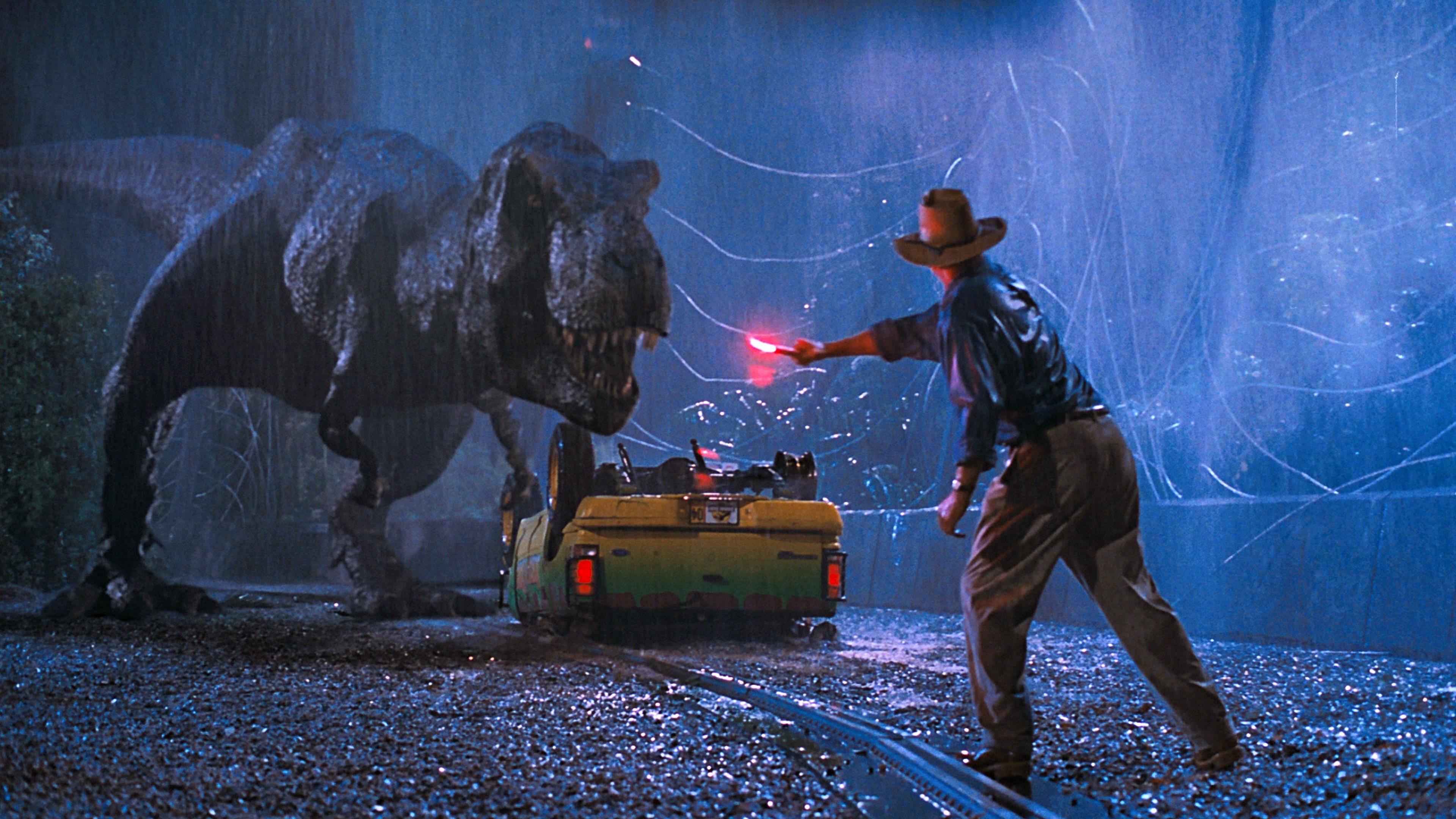
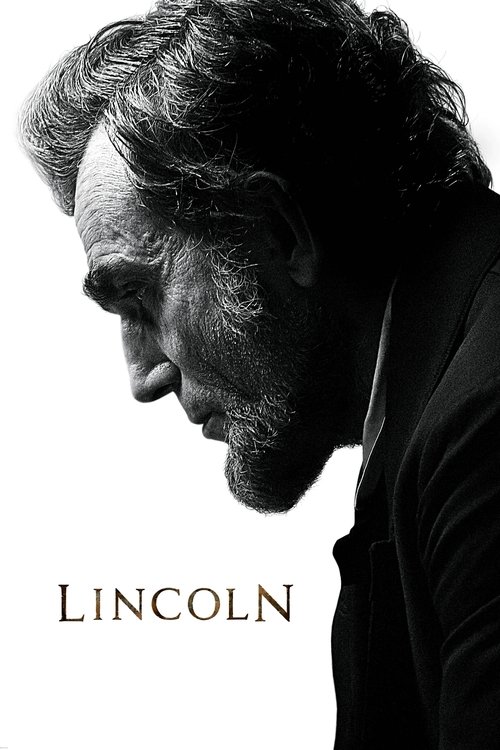
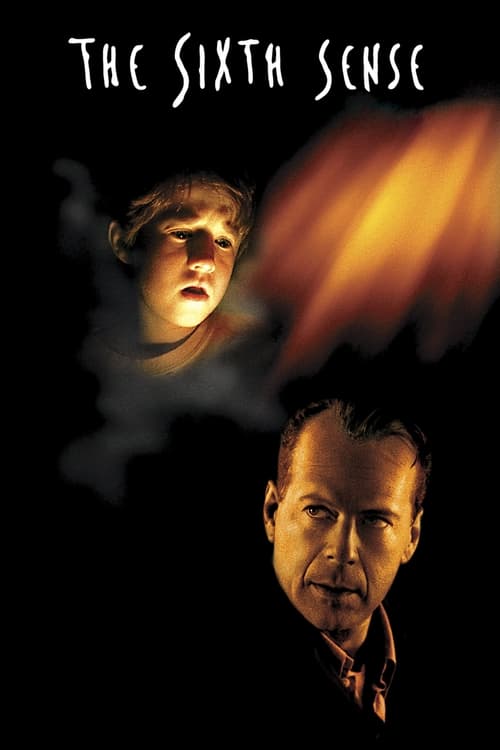
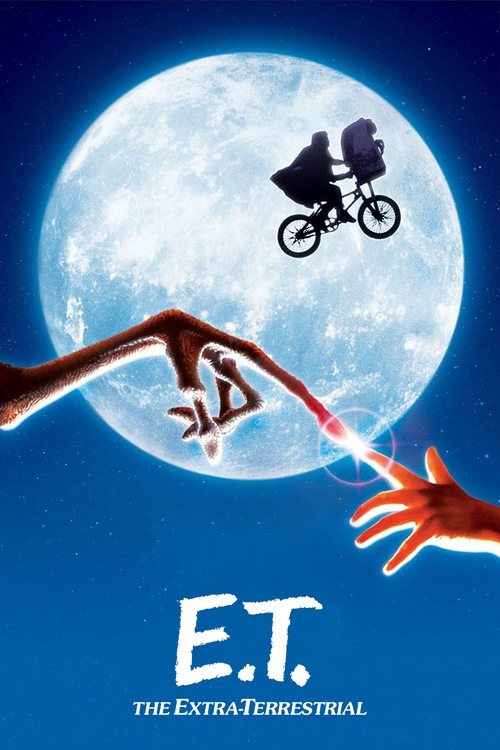
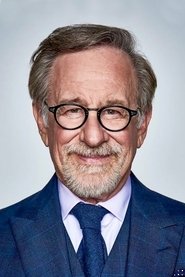
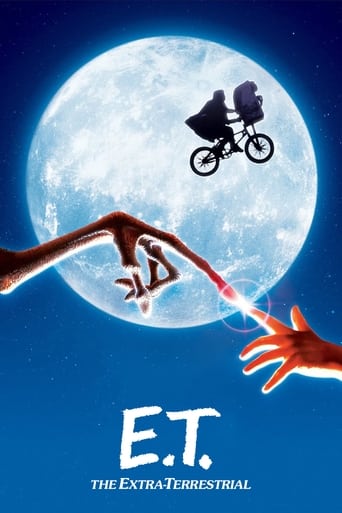
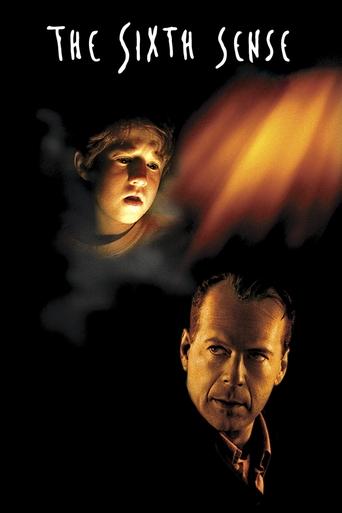
Some producers develop a deep, almost symbiotic relationship with a director, becoming an integral part of their creative process. Kathleen Kennedy exemplifies this type of producer. Her longstanding collaboration with Steven Spielberg, which as a producer began with E.T. the Extra-Terrestrial (1982), demonstrates a producer's ability to not only facilitate but also enhance a director's vision. On films like Jurassic Park (1993) and Lincoln (2012), Kennedy brought not just logistical prowess but an inherent understanding of narrative and character development that allowed Spielberg's ambitions to flourish. Even beyond Spielberg, her work as a Producer on M. Night Shyamalan's The Sixth Sense (1999) showcases her knack for identifying compelling stories and pairing them with the right creative talent, a true embodiment of passion for the craft.
LincolnThe Sixth SenseE.T. the Extra-TerrestrialJurassic Park
The Independent Visionary: Christine Vachon
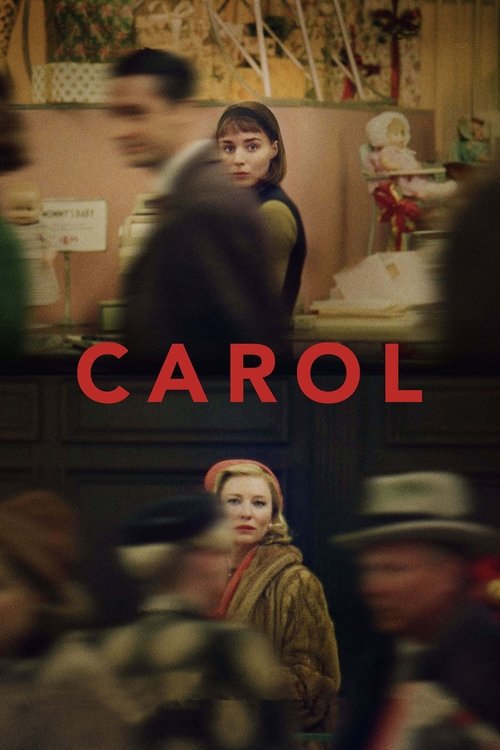
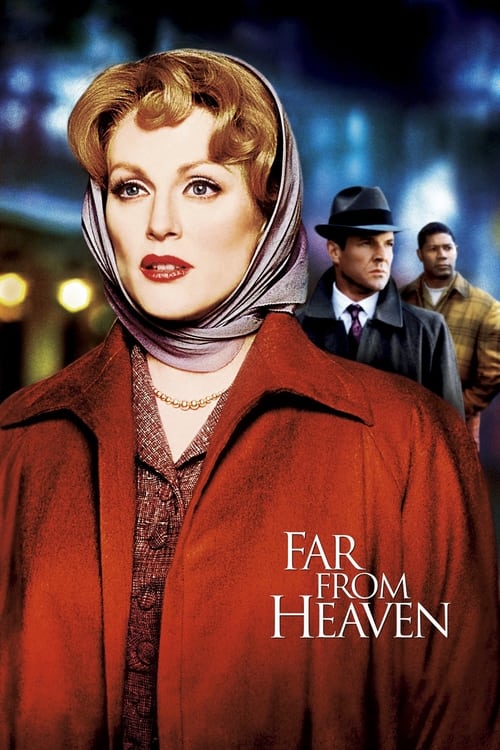
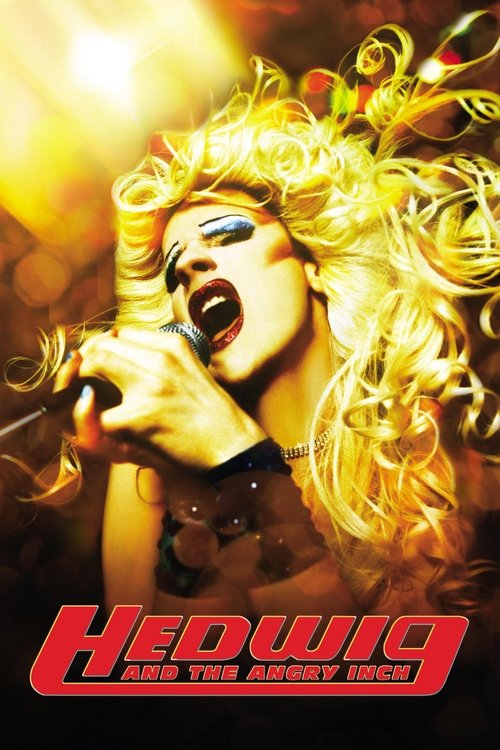
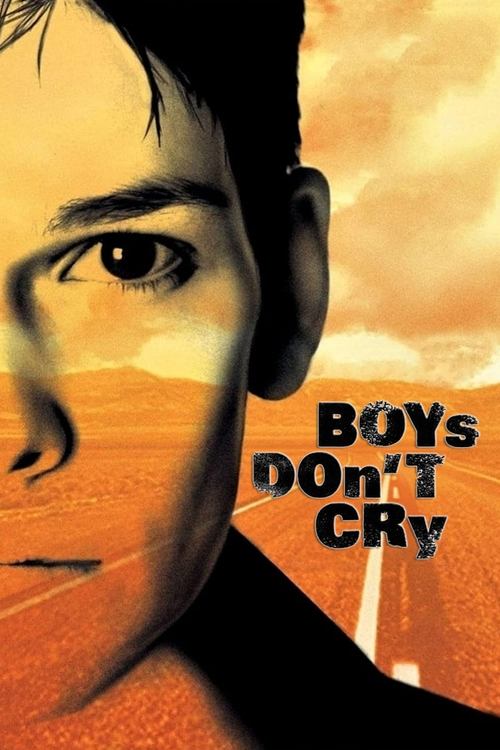
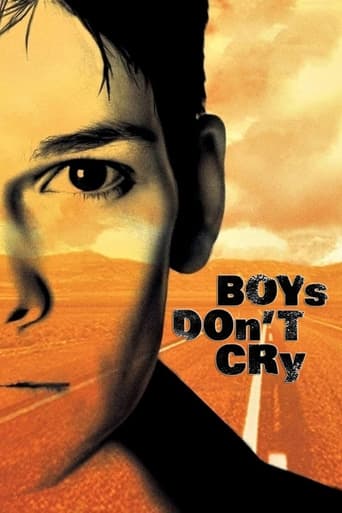
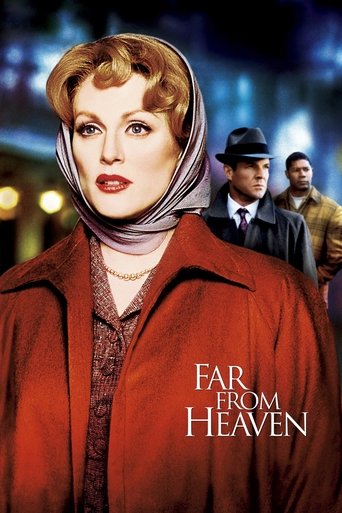
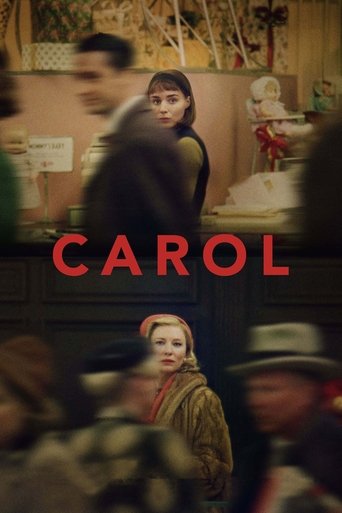
The independent film world often demands a producer who acts as both a shield and a spearhead for uncompromising artistic voices. Christine Vachon is a titan in this space. As a Producer, particularly with Killer Films, which she co-founded, Vachon has consistently championed challenging, director-driven projects that might otherwise struggle to find a path to the screen. Her filmography, including Kimberly Peirce's raw and vital Boys Don't Cry (1999), John Cameron Mitchell's vibrant Hedwig and the Angry Inch (2001), Todd Haynes' exquisite Far from Heaven (2002), and the elegant Carol (2015), demonstrates an unwavering commitment to singular aesthetics and complex narratives. Vachon's strength lies in her ability to secure the investment necessary to protect the artistic integrity of these films, navigating the realities of financing without diluting the vision.
CarolFar from HeavenHedwig and the Angry InchBoys Don't Cry
The Business Model Innovator: Jason Blum
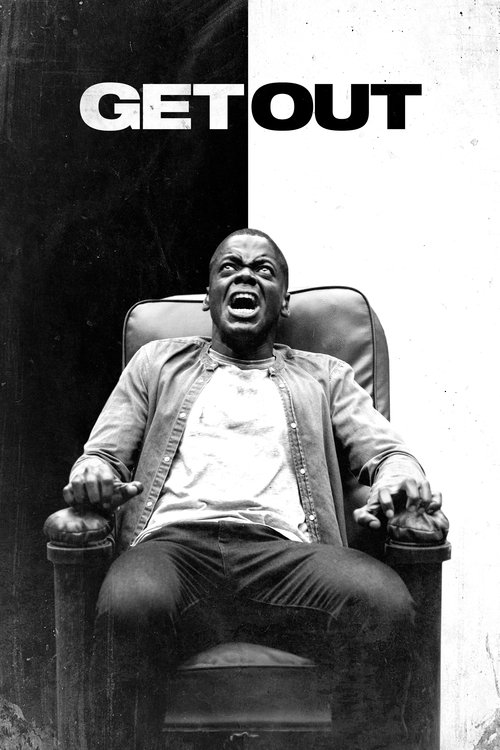
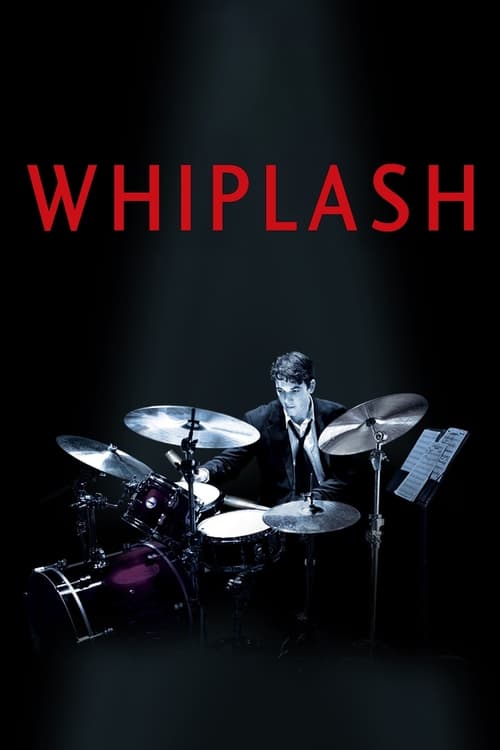
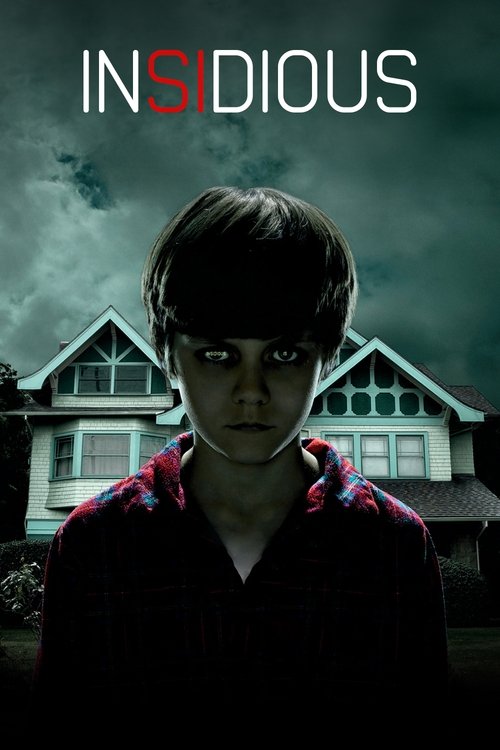
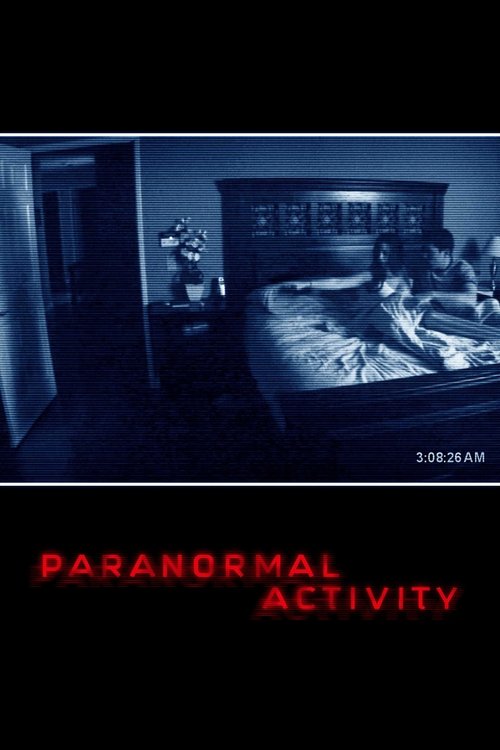
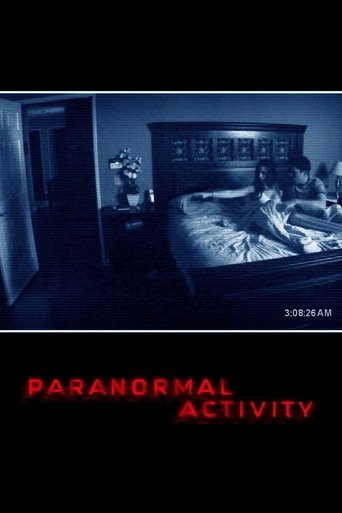
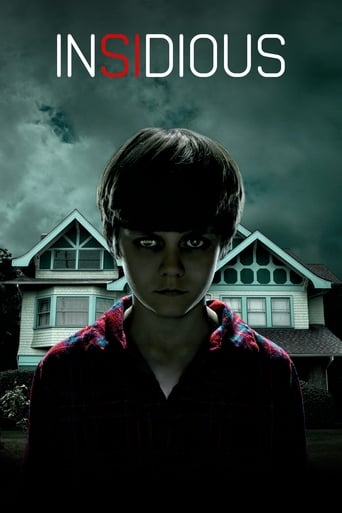
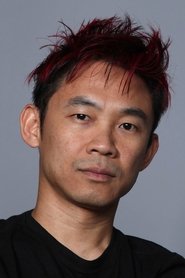
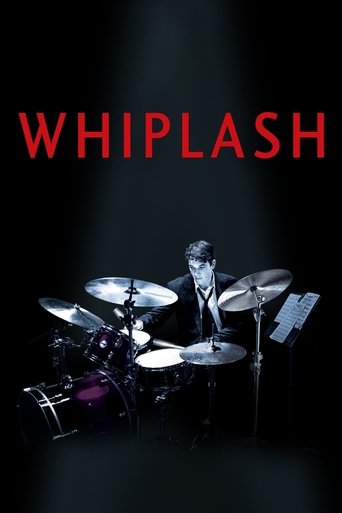
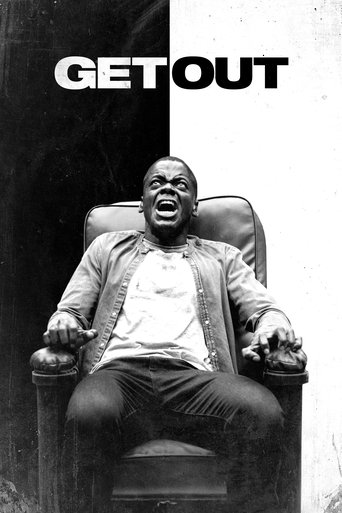
For some producers, the innovation lies in the business model itself, shaping how films are made and financed to maximize creative freedom. Jason Blum, through Blumhouse Productions, has built an empire on a distinctive approach: keeping production budgets intentionally low. This strategy, applied to films like Oren Peli's groundbreaking Paranormal Activity (2009) and James Wan's atmospheric Insidious (2011), often allows filmmakers more creative control and offers a significant share of the film’s financial upside. This model, while often associated with horror, has also facilitated critically acclaimed dramas such as Damien Chazelle's intense Whiplash (2014) and Jordan Peele's genre-redefining Get Out (2017). Blum's producing philosophy demonstrates how a strategic approach to investment can foster a prolific output of distinctive, director-led work, balancing commercial viability with artistic ambition.
Get OutWhiplashInsidiousParanormal Activity
The Brand Builder: Jerry Bruckheimer
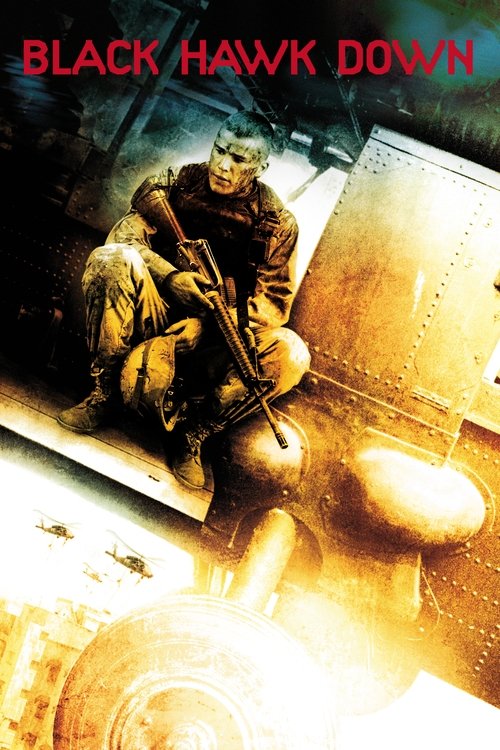
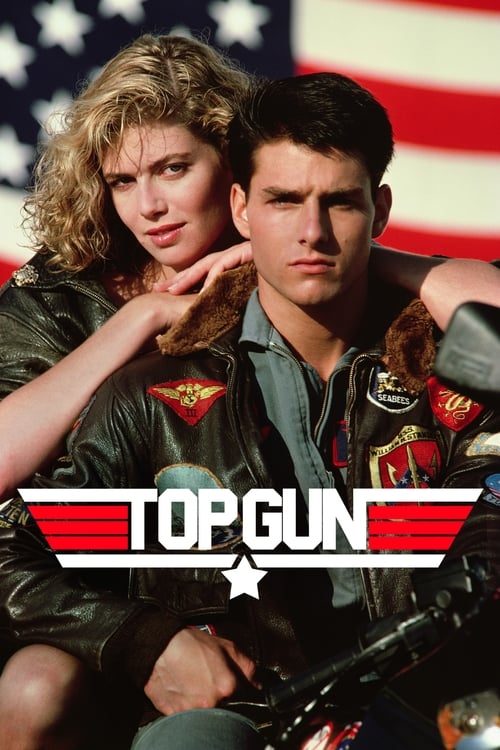
Then there are producers whose name itself becomes a recognizable brand, signifying a particular style, scope, and audience expectation. Jerry Bruckheimer is arguably the epitome of the producer as a brand. His company, Jerry Bruckheimer Films, has delivered a consistent slate of blockbuster entertainment, identifiable by its high production values and often exhilarating action sequences. As a Producer on films like Tony Scott's iconic Top Gun (1986), Ridley Scott's visceral Black Hawk Down (2001), Gore Verbinski's imaginative Pirates of the Caribbean: The Curse of the Black Pearl (2003), and Joseph Kosinski's acclaimed sequel Top Gun: Maverick (2022), Bruckheimer has cultivated an audience trust built on spectacle and thrills. His success illustrates how a producer can not only greenlight projects but also forge a distinct cinematic identity that attracts both investment and a global viewership.
Top Gun: MaverickPirates of the Caribbean: The Curse of the Black PearlBlack Hawk DownTop Gun
The Indispensable Force
These four producers, each with a distinct approach, illustrate the multifaceted nature of the role. Whether acting as a director's trusted confidante, a champion for independent voices, an architect of innovative financial strategies, or a curator of a recognizable brand, the producer is the person who makes the film possible. They are not merely the ones who secure the money, but the visionaries who facilitate the journey, ensuring that passion finds its investment and that a story ultimately reaches the screen.
Films in this article
Open any title for its cast, box office and trailer. Budget and worldwide gross from TMDB where published.
Title
Director / creator
Starring
Budget
Worldwide gross
(1993)
Steven Spielberg
Sam Neill, Laura Dern, Jeff Goldblum
$63M
$1.06B
Jurassic Park (1993)
An adventure 65 million years in the making.
Director
Released
June 11, 1993
Runtime
2h 7m
Budget
$63M
Worldwide gross
$1.06B
Starringas Grant · as Ellie · as Malcolm · as Hammond · as Muldoon
Steven Allan Spielberg KBE (born December 18, 1946) is an American filmmaker. A major figure of the New Hollywood era and pioneer of the modern blockbuster, Spielberg is widely regarded as one of the greatest and most influential filmmakers in the history of cinema and is the highest-grossing film director of all time. Among other accolades, he has received three Academy Awards, four Golden Globe Awards and three BAF…
Also known forSchindler's List(1993) · Saving Private Ryan(1998) · Catch Me If You Can(2002) · Ready Player One(2018)
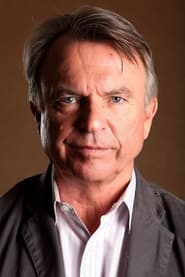
Born September 14, 1947 · Omagh, County Tyrone, Northern Ireland, UK · Died July 13, 2026
Sir Nigel John Dermot 'Sam' Neill (September 14, 1947 – July 13, 2026) was a New Zealand actor. His career included leading roles in both dramas and blockbusters. Considered an 'international leading man', he is regarded as one of the most versatile actors of his generation.
Born in Northern Ireland to an English mother and New Zealand father, Neill moved to Christchurch with his family in 1954.
Also known forThor: Ragnarok(2017) · Rick and Morty(2013) · Peaky Blinders(2013) · The Simpsons(1989)
Born February 10, 1967 · Los Angeles, California, USA
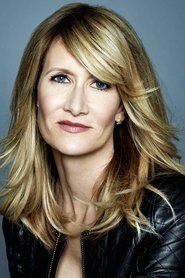
Laura Elizabeth Dern (born February 10, 1967) is an American actress. She is the recipient of numerous accolades, including an Academy Award, a Primetime Emmy Award, an Actor Award, a BAFTA Award, and five Golden Globes.
Born to actors Bruce Dern and Diane Ladd, Dern embarked on an acting career in the 1980s and rose to prominence for her performances in Peter Bogdanovich's Mask (1985) and in David Lynch's films Blu…
Also known forStar Wars: The Last Jedi(2017) · The Fault in Our Stars(2014) · Jurassic Park III(2001) · Marriage Story(2019)
Born October 22, 1952 · Pittsburgh, Pennsylvania, USA
Jeffrey Lynn Goldblum (born October 22, 1952) is an American actor and musician. He has starred in some of the highest-grossing films of his era, such as Jurassic Park (1993) and Independence Day (1996), as well as their respective sequels, The Lost World: Jurassic Park (1997) and Jurassic World: Fallen Kingdom (2018), and Independence Day: Resurgence (2016).
Goldblum also starred in films including Invasion of the…
Also known forGuardians of the Galaxy Vol. 2(2017) · Thor: Ragnarok(2017) · The Grand Budapest Hotel(2014) · Jurassic World: Fallen Kingdom(2018)
Born August 29, 1923 · Cambridge, Cambridgeshire, England, UK · Died August 24, 2014
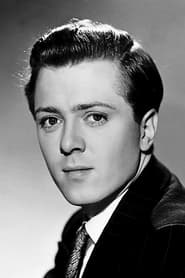
Richard Samuel Attenborough, Baron Attenborough, Kt, CBE (August 29, 1923 – August 24, 2014) was an English actor, filmmaker, entrepreneur, and politician. He was the President of the Royal Academy of Dramatic Art (RADA) and the British Academy of Film and Television Arts (BAFTA). Attenborough joined the Royal Air Force during World War II and served in the film unit.
Also known forThe Lost World: Jurassic Park(1997) · The Great Escape(1963) · Elizabeth(1998) · Miracle on 34th Street(1994)
Born August 23, 1945 · Leeds, West Yorkshire, England, UK · Died April 4, 1999
Robert Peck (23 August 1945 – 4 April 1999) was an English stage, television and film actor who was best known for his roles as Ronald Craven in the television serial Edge of Darkness and as gamekeeper Robert Muldoon in the film Jurassic Park.
Also known forLord of the Flies(1990) · Smilla's Sense of Snow(1997) · The Storyteller(1988) · FairyTale: A True Story(1997)
A wealthy entrepreneur secretly creates a theme park featuring living dinosaurs drawn from prehistoric DNA. Before opening day, he invites a team of experts and his two eager grandchildren to experience the park and help calm anxious investors. However, the park is anything but amusing as the security systems go off-line and the dinosaurs escape.
Steven Allan Spielberg KBE (born December 18, 1946) is an American filmmaker. A major figure of the New Hollywood era and pioneer of the modern blockbuster, Spielberg is widely regarded as one of the greatest and most influential filmmakers in the history of cinema and is the highest-grossing film director of all time. Among other accolades, he has received three Academy Awards, four Golden Globe Awards and three BAF…
Also known forJurassic Park(1993) · Schindler's List(1993) · Saving Private Ryan(1998) · Catch Me If You Can(2002)
Henry Jackson Thomas, Jr. (born September 9, 1971) is an American actor and musician. He has appeared in more than 60 films and is best known for his role as Elliott in the 1982 Steven Spielberg film E.T. the Extra-Terrestrial.
Description above from the Wikipedia article Henry Thomas, licensed under CC-BY-SA, full list of contributors on Wikipedia.
Also known forGangs of New York(2002) · Doctor Sleep(2019) · The Mentalist(2008) · Law & Order: Special Victims Unit(1999)
Born February 22, 1975 · Culver City, California, USA
Drew Blythe Barrymore (born February 22, 1975) is an American actress, director, producer, businesswoman, and talk show host. She is the recipient of numerous accolades, including a Golden Globe and a Screen Actors Guild Award, as well as five Emmy Award nominations and a BAFTA nomination.
Also known forDonnie Darko(2001) · The Simpsons(1989) · Scream(1996) · 50 First Dates(2004)
Born December 19, 1966 · New York City, New York, USA
From Wikipedia, the free encyclopedia.
Robert MacNaughton (born December 19, 1966) is an American actor, best known for his role as Elliott's brother Michael in E.T. the Extra-Terrestrial, for which he won a 1983 Young Artist Award as Best Young Supporting Actor in a Motion Picture.
Also known forNewhart(1982) · Frankenstein vs. The Mummy(2015) · Laugh Killer Laugh(2015) · Amen(1986)
Born October 10, 1941 · New York City, New York, USA
Peter Coyote (born Rachmil Pinchus Ben Mosha Cohon; October 10, 1941) is an American actor, author, director, screenwriter and narrator of films, theatre, television and audio books. His voice work includes narrating the opening ceremony of the 2002 Winter Olympics and Apple's iPad campaign.
Also known forThe Simpsons(1989) · A Walk to Remember(2002) · Erin Brockovich(2000) · Patch Adams(1998)
Dee Wallace (born 14 December 1948) is an American actress and comedienne. She is perhaps best known for her roles in several popular films. These include the starring role as Elliot's mother in the Steven Spielberg film E.T. the Extra-Terrestrial (1982), her most widely seen role.
Also known forGrey's Anatomy(2005) · Supernatural(2005) · The Office(2005) · Criminal Minds(2005)
An alien is left behind on Earth and saved by the 10-year-old Elliott who decides to keep him hidden in his home. While a task force hunts for the extra-terrestrial, Elliott, his brother, and his little sister Gertie form an emotional bond with their new friend, and try to help him find his way home.
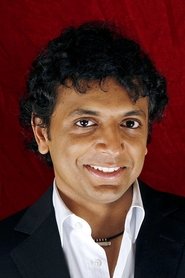
Manoj Nelliyattu "M. Night" Shyamalan, is an American filmmaker and actor. He is known for making original films with contemporary supernatural plots and twist endings. He was born in Mahé, India, and raised in Penn Valley, Pennsylvania. He made his directorial debut in 1992 with his first movie Praying with Anger. His second movie was the comedy-drama film Wide Awake (1998).
Also known forSplit(2017) · Unbreakable(2000) · Glass(2019) · After Earth(2013)
Born March 19, 1955 · Idar-Oberstein, West Germany [now Germany]
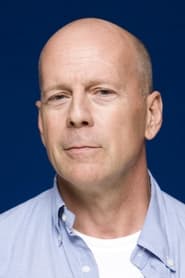
Walter Bruce Willis (born March 19, 1955) is a retired American actor. His career began on the off-Broadway stage in the 1970s, and he then achieved fame with a leading role on the comedy-drama series “Moonlighting” (1985–1989).
Also known forPulp Fiction(1994) · Split(2017) · Die Hard(1988) · The Fifth Element(1997)
Born April 10, 1988 · Los Angeles, California, USA
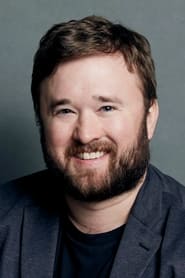
Haley Joel Osment (born April 10, 1988) is an American actor. After a series of roles in television and film during the 1990s, including a small part in Forrest Gump playing the title character’s son, Osment rose to fame with his performance as Cole Sear in M. Night Shyamalan’s thriller film The Sixth Sense that earned him a nomination for Academy Award for Best Supporting Actor.
Also known forForrest Gump(1994) · The Boys(2019) · Wednesday(2022) · A.I. Artificial Intelligence(2001)
Born November 1, 1972 · Sydney, New South Wales, Australia
Toni Collette Galafassi (November 1, 1972) is an Australian actress, producer, singer, and songwriter. Known for her work in television and independent films, she has received various accolades throughout her career, including a Golden Globe Award and a Primetime Emmy Award, in addition to nominations for an Academy Award, a Tony Award, and two British Academy Film Awards.
After making her film debut in Spotswood (1…
Also known forKnives Out(2019) · xXx: Return of Xander Cage(2017) · Hereditary(2018) · Little Miss Sunshine(2006)
Born July 26, 1968 · Camden Town, London, England, UK
Olivia Haigh Williams (born July 26, 1968) is a British actress who has appeared in British and American films and television. Williams studied drama at the Bristol Old Vic Theatre School for two years followed by three years at the Royal Shakespeare Company.
Also known forX-Men: The Last Stand(2006) · Friends(1994) · The Lord of the Rings: The Rings of Power(2022) · The Father(2020)
From Wikipedia, the free encyclopedia.
Trevor John Morgan (born November 26, 1986) is an American actor. He has appeared in the films Genius, The Sixth Sense, The Patriot, A Rumor of Angels, Jurassic Park III, The Glass House, Chasing 3000, Mean Creek, Barney's Great Adventure, Local Color, Family Plan and Uncle Nino.
Also known forJurassic Park III(2001) · The Patriot(2000) · Ghost Whisperer(2005) · CSI: Miami(2002)
Steven Allan Spielberg KBE (born December 18, 1946) is an American filmmaker. A major figure of the New Hollywood era and pioneer of the modern blockbuster, Spielberg is widely regarded as one of the greatest and most influential filmmakers in the history of cinema and is the highest-grossing film director of all time. Among other accolades, he has received three Academy Awards, four Golden Globe Awards and three BAF…
Also known forJurassic Park(1993) · Schindler's List(1993) · Saving Private Ryan(1998) · Catch Me If You Can(2002)
Born April 29, 1957 · Greenwich, London, England, UK
Sir Daniel Michael Blake Day-Lewis (born 29 April 1957) is an English and Irish actor. Often described as one of the greatest actors in the history of cinema, he is best known for intense method acting portrayed with eccentric characters in auteur films.
Also known forThere Will Be Blood(2007) · Gangs of New York(2002) · Phantom Thread(2017) · The Last of the Mohicans(1992)
Sally Margaret Field (born November 6, 1946) is an American actress. She has received many awards and nominations, including two Academy Awards, three Primetime Emmy Awards, two Golden Globe Awards, a Screen Actors Guild Award, a Cannes Film Festival Award for Best Actress, and nominations for a Tony Award and for two British Academy Film Awards.
Field began her career on television, starring in the comedies Gidget…
Also known forForrest Gump(1994) · The Amazing Spider-Man(2012) · The Amazing Spider-Man 2(2014) · Mrs. Doubtfire(1993)
Born January 26, 1949 · San Francisco, California, USA
David Russell Strathairn (born January 26, 1949) is an American actor, best known for his portrayal of journalist Edward R. Murrow in the feature film Good Night, and Good Luck (2005), for which he was nominated for an Academy Award. He also starred in L.A.
Also known forGodzilla(2014) · The Bourne Ultimatum(2007) · House(2004) · Godzilla: King of the Monsters(2019)
Born February 17, 1981 · Los Angeles, California, USA
Joseph Leonard Gordon-Levitt (born February 17, 1981) is an American actor and filmmaker. He has received various accolades, including nominations for the Golden Globe Award for Best Actor – Motion Picture Musical or Comedy for his leading performances in 500 Days of Summer (2009) and 50/50 (2011).
Also known forInception(2010) · The Dark Knight Rises(2012) · Star Wars: The Last Jedi(2017) · Knives Out(2019)
Born February 7, 1960 · Boston, Massachusetts, USA
James Todd Spader (/ˈspeɪdər/ SPAY-dər; born February 7, 1960) is an American actor. He is known for often portraying eccentric and morally ambiguous characters. He began his career in critically acclaimed independent films before transitioning into television, where he has received acclaim and many awards, including three Primetime Emmy Awards and nominations for three Golden Globe Awards, and ten Screen Actors Guil…
Also known forAvengers: Age of Ultron(2015) · The Office(2005) · Stargate(1994) · The Blacklist(2013)
The revealing story of the 16th US President's tumultuous final months in office. In a nation divided by war and the strong winds of change, Lincoln pursues a course of action designed to end the war, unite the country and abolish slavery. With the moral courage and fierce determination to succeed, his choices during this critical moment will change the fate of generations to come.
Born September 8, 1967 · Harrisburg, Pennsylvania, USA
Kimberly Peirce (born September 6, 1967) is an American feature film director, notable for her debut feature film, Boys Don't Cry (1999). Her second feature, Stop-Loss, was released by Paramount Pictures in 2008.
Description above from the Wikipedia article Kimberly Peirce, licensed under CC-BY-SA, full list of contributors on Wikipedia.
Also known forCarrie(2013) · The L Word(2004) · Halt and Catch Fire(2014) · SIX(2017)
Hilary Ann Swank (born July 30, 1974) is an American actress and film producer. She first became known in 1992 for her role on the television series Camp Wilder and made her film debut with a minor role in Buffy the Vampire Slayer (1992).
Also known forMillion Dollar Baby(2004) · Insomnia(2002) · Logan Lucky(2017) · The Hunt(2020)
Born November 18, 1974 · Springfield, Massachusetts, USA
Chloë Stevens Sevigny (/ˈsɛvəni/ SEV-ən-ee; born November 18, 1974) is an American actress. Known for her work in independent films, often appearing in controversial or experimental features, Sevigny has received several accolades, including a Golden Globe Award and a nomination for an Academy Award.
After graduating from high school, Sevigny found work as a model and appeared in music videos for Sonic Youth and The…
Also known forAmerican Psycho(2000) · Zodiac(2007) · American Horror Story(2011) · The Act(2019)
John Peter Sarsgaard (born March 7, 1971) is an American actor. His first feature role was in Dead Man Walking in 1995. He then appeared in the 1998 independent films Another Day in Paradise and Desert Blue. That same year, Sarsgaard received a substantial role in The Man in the Iron Mask (1998), playing Raoul, the ill-fated son of Athos.
Also known forThe Batman(2022) · Green Lantern(2011) · The Magnificent Seven(2016) · Orphan(2009)
Born February 21, 1980 · Staten Island, New York, USA
Brendan Eugene Sexton III (born February 21, 1980) is an American actor.
Also known forThree Billboards Outside Ebbing, Missouri(2017) · Black Hawk Down(2001) · El Camino: A Breaking Bad Movie(2019) · Seven Psychopaths(2012)
American writer, director, actor. Mitchell, the son of a U.S. Army general and a Scottish mother, grew up on various army bases, including Berlin; later the family lived in Colorado Springs, Colorado, where he attended a Catholic school.
Since the mid-1980s, he has worked as a theatre actor and director in New York City and played small roles in television and film productions.
Also known forRabbit Hole(2010) · Shortbus(2006) · GLOW(2017) · How to Talk to Girls at Parties(2017)
Miriam Shor (born July 25, 1971) is an American film and television actress.
Description above from the Wikipedia article Miriam Shor, licensed under CC-BY-SA, full list of contributors on Wikipedia.
Also known forGuardians of the Galaxy Vol. 3(2023) · Marvel's Jessica Jones(2015) · Bedazzled(2000) · The Midnight Sky(2020)
Stephen Trask is an American musician and composer who graduated from Wesleyan University. He was the music director and house band member at the NYC club Squeezebox, where they performed with stars such as Debbie Harry, Lene Lovich and Joey Ramone.
Trask composed the music and lyrics for the stage musical Hedwig and the Angry Inch (also a 2001 film), about a struggling rock star named Hedwig.
Also known fortick, tick... BOOM!(2021) · Whether You Like It or Not: The Story of Hedwig(2003) · Hedwig and the Angry Inch(1998)
Raised a boy in East Berlin, Hedwig undergoes a personal transformation in order to emigrate to the U.S., where she reinvents herself as an 'internationally ignored' but divinely talented rock diva, inhabiting a 'beautiful gender of one'.
Born January 2, 1961 · Los Angeles, California, USA
Todd Haynes (/heɪnz/; born January 2, 1961; Los Angeles) is an American filmmaker. His films span four decades with themes examining the personalities of well-known musicians, dysfunctional and dystopian societies, and blurred gender roles.
Haynes first gained public attention with his controversial short film Superstar: The Karen Carpenter Story (1987), which chronicles singer Karen Carpenter's life and death, usin…
Also known forCarol(2015) · Dark Waters(2019) · May December(2023) · I'm Not There(2007)
Born December 3, 1960 · Fayetteville, North Carolina, USA
Julianne Moore (born Julie Anne Smith; December 3, 1960) is an American actress and children's author. Prolific in film since the early 1990s, she is known for her portrayals of emotionally troubled women in independent films and her roles in blockbusters. She has received numerous accolades, including an Academy Award, a British Academy Film Award, two Golden Globe Awards, and two Emmy Awards.
Also known forThe Hunger Games: Mockingjay - Part 1(2014) · The Hunger Games: Mockingjay - Part 2(2015) · The Big Lebowski(1998) · Kingsman: The Golden Circle(2017)
Dennis William Quaid (born April 9, 1954) is an American actor. He became known during the 1980s after appearing in several successful films, including as Mike Brody in Jaws 3-D (1983), Alex Gardner in Dreamscape (1984), Remy McSwain in The Big Easy (1987), Tuck Pendleton in Innerspace (1987), Jefferson "Jeff" Blue in Undercover Blues (1993), Bowen in Dragonheart (1996), Joe Doe/William in Gang Related (1997), Frank…
Also known forThe Day After Tomorrow(2004) · The Substance(2024) · G.I. Joe: The Rise of Cobra(2009) · The Parent Trap(1998)
Dennis Dexter Haysbert (born June 2, 1954) is an American actor. He is known for his roles as baseball player Pedro Cerrano in the Major League film trilogy, Secret Service agent Tim Collin in the political thriller film Absolute Power, Sergeant Major Jonas Blane on the CBS military action drama series The Unit, God on the Netflix show Lucifer, and President David Palmer on the first five seasons of 24.
Also known forLucifer(2016) · Wreck-It Ralph(2012) · Heat(1995) · Kung Fu Panda 2(2011)
Born December 29, 1959 · New Orleans, Louisiana, USA
Patricia Davies Clarkson (born December 29, 1959) is an American actress. After studying drama on the East Coast, Clarkson launched her acting career in 1985, and has worked steadily in both film and television. She twice won the Emmy for Outstanding Guest Actress in Six Feet Under.
Also known forShutter Island(2010) · The Green Mile(1999) · The Maze Runner(2014) · Jumanji(1995)
Born August 11, 1965 · St. Matthews, South Carolina, USA
Viola Davis (/vaɪˈoʊlə/ vy-OH-lə; born August 11, 1965) is an American actress and film producer. Her accolades include both the Triple Crown of Acting and EGOT. Time named her one of the 100 most influential people in the world in 2012 and 2017. The New York Times ranked her ninth on its list of the greatest actors of the 21st century (2020). Davis received the Cecil B.
Also known forSuicide Squad(2016) · Prisoners(2013) · Ocean's Eleven(2001) · The Simpsons(1989)
Born January 2, 1961 · Los Angeles, California, USA
Todd Haynes (/heɪnz/; born January 2, 1961; Los Angeles) is an American filmmaker. His films span four decades with themes examining the personalities of well-known musicians, dysfunctional and dystopian societies, and blurred gender roles.
Haynes first gained public attention with his controversial short film Superstar: The Karen Carpenter Story (1987), which chronicles singer Karen Carpenter's life and death, usin…
Also known forDark Waters(2019) · May December(2023) · I'm Not There(2007) · Far from Heaven(2002)
Born May 14, 1969 · Melbourne, Victoria, Australia
Catherine Elise Blanchett (born May 14, 1969) is an Australian actor and producer. Regarded as one of the best actresses of her generation, she is known for her versatile work across independent films, blockbusters, and the stage.
Also known forThe Lord of the Rings: The Fellowship of the Ring(2001) · The Lord of the Rings: The Return of the King(2003) · The Lord of the Rings: The Two Towers(2002) · Thor: Ragnarok(2017)
Patricia Rooney Mara (born April 17, 1985) is an American film and television actress. Mara made her acting debut in 2005 and has gone on to star in films including A Nightmare on Elm Street, the remake of the 1984 horror film, and The Social Network.
Also known forHer(2013) · The Social Network(2010) · The Girl with the Dragon Tattoo(2011) · Lion(2016)
Kyle Martin Chandler (born September 17, 1965) is an American actor. He received critical acclaim for his performance as Eric Taylor in the NBC series Friday Night Lights (2006–2011), winning the Primetime Emmy Award for Outstanding Lead Actor in a Drama Series in 2011.
Making his screen acting debut in the 1988 television film Quiet Victory: The Charlie Wedemeyer Story, Chandler's first regular television role was…
Also known forThe Wolf of Wall Street(2013) · Grey's Anatomy(2005) · Godzilla vs. Kong(2021) · Argo(2012)
Jake Lacy (born February 14, 1986) is an American actor. He is known for his portrayal of Pete Miller on the final season of The Office and as a co-lead as Casey Marion Davenport on the ABC sitcom Better with You (2010–11).
Also known forRampage(2018) · The Office(2005) · How to Be Single(2016) · Johnny English Strikes Again(2018)
Sarah Catharine Paulson (born December 17, 1974) is an American actress. She began her acting career in New York City stage productions before starring in the short-lived television series American Gothic (1995–1996) and Jack & Jill (1999–2001). She later appeared in comedy films such as What Women Want (2000) and Down with Love (2003), and drama films such as Path to War (2002) and The Notorious Bettie Page (2005).
Also known for12 Years a Slave(2013) · Grey's Anatomy(2005) · Bird Box(2018) · Glass(2019)
Oren Peli is an Israeli-American filmmaker, screenwriter, and producer best known for creating and directing the groundbreaking horror film Paranormal Activity. Produced on a microbudget, the film became a worldwide phenomenon and helped redefine modern found footage horror.
Also known forChernobyl Diaries(2012) · Area 51(2015) · The River(2012)
Katie Featherston, a native Texan, was born on October 20, 1982. She has a younger brother and a younger sister back home along with a family to whom she is very close. Katie attended Southern Methodist University where she majored in acting. After graduating with a BFA in 2005, she moved to Los Angeles.
Also known forParanormal Activity 2(2010) · Paranormal Activity 3(2011) · Paranormal Activity 4(2012) · Paranormal Activity: The Marked Ones(2014)
From Wikipedia, the free encyclopedia Micah Sloat ( born May 8, 1981) is an American actor and musician, largely unknown before his leading role as Micah in the 2009 hit horror film, Paranormal Activity. He appeared in the sequel in 2010, Paranormal Activity 2. Description above from the Wikipedia article Micah Sloat, licensed under CC-BY-SA, full list of contributors on Wikipedia.
Also known forParanormal Activity 2(2010) · Paranormal Activity 3(2011) · Paranormal Activity: The Marked Ones(2014) · Unknown Dimension: The Story of Paranormal Activity(2021)
After a young, middle-class couple moves into what seems like a typical suburban house, they become increasingly disturbed by a presence that may or may not be demonic, but is certainly the most active in the middle of the night.
Born February 26, 1977 · Kuching, Sarawak, Malaysia
James Wan (born 26 February 1977) is an Australian filmmaker. He has primarily worked in the horror genre as the co-creator of the Saw and Insidious franchises and the creator of The Conjuring Universe. The lattermost is the highest-grossing horror franchise at over $2 billion.
Also known forAquaman(2018) · The Conjuring(2013) · Furious 7(2015) · Saw(2004)
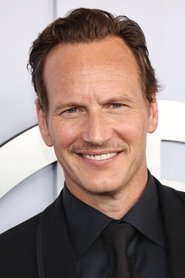
Patrick Joseph Wilson (born July 3, 1973) is an American actor, director, and singer. He began his career in 1995, starring in Broadway musicals. He is a two-time Tony Award nominee for his roles in The Full Monty (2000–2001) and Oklahoma! (2002).
Also known forBatman v Superman: Dawn of Justice(2016) · Aquaman(2018) · Prometheus(2012) · The Conjuring(2013)
Born July 24, 1979 · Sydney, New South Wales, Australia
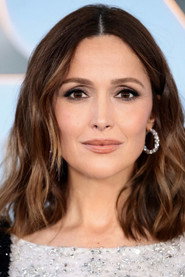
Mary Rose Byrne (born 24 July 1979) is an Australian actress. She made her screen debut in the film Dallas Doll (1994), and continued to act in Australian film and television throughout the 1990s.
Also known forStar Wars: Episode II - Attack of the Clones(2002) · X-Men: Apocalypse(2016) · X-Men: First Class(2011) · The Boys(2019)
Lin Shaye (born October 12, 1943) is an American actress. In a career spanning over fifty years, Shaye has appeared in more than a hundred feature films. She is regarded as a scream queen due to her roles in various horror productions, which include the films Alone in the Dark (1982), A Nightmare on Elm Street (1984), Critters (1986) and its sequel Critters 2: The Main Course (1988), Amityville: A New Generation (199…
Also known forDumb and Dumber(1994) · A Nightmare on Elm Street(1984) · There's Something About Mary(1998) · Insidious: Chapter 2(2013)
Born August 6, 2001 · New York City, New York, USA
Ty Keegan Simpkins (born August 6, 2001) is an American actor. His notable film credits include the supernatural horror Insidious (2011), its sequel Insidious: Chapter 2 (2013) and Jurassic World (2015). He is also known for his appearances in the Marvel Cinematic Universe as Harley Keener in Iron Man 3 (2013) and Avengers: Endgame (2019).
Also known forAvengers: Endgame(2019) · Iron Man 3(2013) · Jurassic World(2015) · War of the Worlds(2005)
Born February 5, 1948 · Hollywood, California, USA
Barbara Hershey (born Barbara Lynn Herzstein; February 5, 1948) is an American actress. In a career spanning more than 50 years, she has played a variety of roles on television and in cinema in several genres, including westerns and comedies. She began acting at age 17 in 1965 but did not achieve much critical acclaim until the latter half of the 1980s.
Also known forBlack Swan(2010) · Insidious: Chapter 2(2013) · Falling Down(1993) · The X-Files(1993)
A family discovers that dark spirits have invaded their home after their son inexplicably falls into an endless sleep. When they reach out to a professional for help, they learn things are a lot more personal than they thought.
Born January 19, 1985 · Providence, Rhode Island, USA
Damien Sayre Chazelle (/ʃəˈzɛl/; born January 19, 1985) is a French-American filmmaker. He directed the psychological drama Whiplash (2014), the musical romance La La Land (2016), the biographical drama First Man (2018), and the period black comedy Babylon (2022).
For Whiplash, he was nominated for the Academy Award for Best Adapted Screenplay.
Also known forLa La Land(2016) · 10 Cloverfield Lane(2016) · First Man(2018) · Babylon(2022)
Born February 20, 1987 · Downingtown, Pennsylvania, USA
Miles Teller (born February 20, 1987) is an American actor. He debuted his feature film with the independent drama Rabbit Hole (2010). He gained wider recognition for his roles in the coming-of-age film The Spectacular Now (2013) and the Divergent film trilogy (2014–2016).
Also known forDivergent(2014) · Top Gun: Maverick(2022) · Insurgent(2015) · Allegiant(2016)
Jonathan Kimble Simmons (born January 9, 1955) is an American actor. He has been cited as one of the greatest contemporary character actors, and has appeared in over 200 film and television roles since his debut in 1986. He is an Academy Award, BAFTA Award, Golden Globe Award, Screen Actors Guild Award, and Critics Choice Award winner, among other accolades.
His film roles include J.
Also known forSpider-Man: No Way Home(2021) · Spider-Man(2002) · Zootopia(2016) · La La Land(2016)
Born March 30, 1956 · New York City, New York, USA
Paul Reiser (born March 30, 1956) is an American actor, comedian, television writer, and musician. He is known for his roles as Michael Taylor in the 1980s sitcom My Two Dads, Paul Buchman in the NBC sitcom Mad About You, Modell in the 1982 film Diner, Carter Burke in the 1986 film Aliens, as Detective Jeffrey Friedman in Beverly Hills Cop (1984) and Beverly Hills Cop II (1987).
Also known forStranger Things(2016) · The Boys(2019) · Aliens(1986) · Beverly Hills Cop(1984)
Melissa Marie Benoist (born October 4, 1988) is an American actress, singer and producer. Her first major role was Marley Rose on the Fox musical comedy drama Glee (2012–2014), where she was a series regular during the fifth season.
Also known forThe Flash(2014) · Arrow(2012) · Supergirl(2015) · Law & Order: Special Victims Unit(1999)
Born December 24, 1984 · Kensington, Connecticut, USA
Austin Miles Stowell (born December 24, 1984) is an American actor. He is best known for his role as Kyle Connellan in Alcon Entertainment's Dolphin Tale and Dolphin Tale 2, and as Dalton Joiner in the Vietnam romantic drama Love and Honor with Liam Hemsworth.
Austin Stowell was born in Kensington, Connecticut, where he was raised by his father, Robert, a retired steelworker, and his mother, Elizabeth, a schoolteach…
Also known forBridge of Spies(2015) · 12 Strong(2018) · Fantasy Island(2020) · Colossal(2017)
Born February 21, 1979 · New York City, New York, USA
Jordan Haworth Peele (born February 21, 1979) is an American actor, comedian, and filmmaker. He is known for his film and television work in the comedy and horror genres. Peele started his career in sketch comedy before transitioning his career as a writer and director of psychological horror and satirical films.
Also known forUs(2019) · Nope(2022) · Candyman(2021) · Keanu(2016)
Daniel Kaluuya (/kəˈluːjə/; born 24 February 1989) is a British actor and filmmaker. His work encompasses both screen and stage, and his accolades include an Academy Award, two British Academy Film Awards, and a Golden Globe Award. In 2021, he was named among the 100 most influential people in the world by Time magazine.
Kaluuya began his acting career as a teenager in improvisational theatre.
Also known forBlack Panther(2018) · Sicario(2015) · Spider-Man: Across the Spider-Verse(2023) · Kick-Ass 2(2013)
Born April 13, 1988 · New Canaan, Connecticut, USA
Allison Howell Williams (born April 13, 1988) is an American actress. She first became known for starring as Marnie Michaels in the HBO comedy-drama series Girls (2012–2017), which earned her a Critics' Choice Award nomination.
Also known forThe Simpsons(1989) · M3GAN(2022) · M3GAN 2.0(2025) · The Perfection(2018)
Catherine Ann Keener (born March 26, 1959) is an American actress. Considered one of the independent film industry's most reliable performers, Keener is known for portraying disgruntled and melancholic yet sympathetic women in independent films, as well as supporting roles in studio films.
Also known forIncredibles 2(2018) · Into the Wild(2007) · Percy Jackson & the Olympians: The Lightning Thief(2010) · The Croods(2013)
Bradley Whitford (born October 10, 1959) is an American actor and producer. From 1999 to 2006, Whitford starred as Josh Lyman, White House Deputy Chief of Staff, in NBC's political drama television series The West Wing.
Also known forThe Cabin in the Woods(2012) · Godzilla: King of the Monsters(2019) · The Post(2017) · Malcolm in the Middle(2000)
Caleb Landry Jones (born December 7, 1989) is an American actor and musician. He first gained recognition for his supporting roles as Banshee in X-Men: First Class (2011), Jeremy Armitage in Get Out (2017), Jack Hicks in The Florida Project (2017), and Red Welby in Three Billboards Outside Ebbing, Missouri (2017). The latter earned him a SAG Award.
His leading roles include Syd March in Antiviral (2012), Ty Carter i…
Also known forBreaking Bad(2008) · No Country for Old Men(2007) · X-Men: First Class(2011) · The Social Network(2010)
Chris and his girlfriend Rose go upstate to visit her parents for the weekend. At first, Chris reads the family's overly accommodating behavior as nervous attempts to deal with their daughter's interracial relationship, but as the weekend progresses, a series of increasingly disturbing discoveries lead him to a truth that he never could have imagined.
The producer's role in filmmaking remains one of cinema's most misunderstood, yet vital, functions. Far from merely securing funds, producers are the essential