Runaway Train at Forty: A Simple Plan, an Unwanted Disciple and a Warden Who Gets His Due
Forty years on, Andrei Konchalovsky's Runaway Train remains a blistering testament to human will, driven by raw performances from Jon Voight and Eric Roberts. This 1985 thriller, born from an Akira Kurosawa screenplay, transcends its genre to explore freedom, loyalty, and the price of a simple plan gone irrevocably wild.
Andrei Konchalovsky’s 1985 thriller Runaway Train is a visceral, unrelenting cinematic experience that, four decades later, feels more potent and profound than ever. Despite earning three Academy Award nominations—including a Best Actor nod for Jon Voight and Best Supporting Actor for Eric Roberts—it arrived in a year that saw William Hurt take home the Oscar for Kiss of the Spider Woman, relegating Runaway Train to the realm of the critically respected but commercially overlooked. This perception of being underestimated has only deepened its legacy, cementing its status as one of the 1980s' most compelling, if unheralded, dramas.


Born from an unproduced screenplay by Akira Kurosawa and brought to the screen by Cannon Films producers Menahem Golan and Yoram Globus, from a final script by Djordje Milicevic, Paul Zindel, and Edward Bunker, the film is a masterclass in controlled chaos. It’s not just the locomotive’s literal momentum that drives the narrative, but the relentless force of its characters’ wills, pitted against each other and the unforgiving Alaskan wilderness.
The Simple Plan, Complicated Men
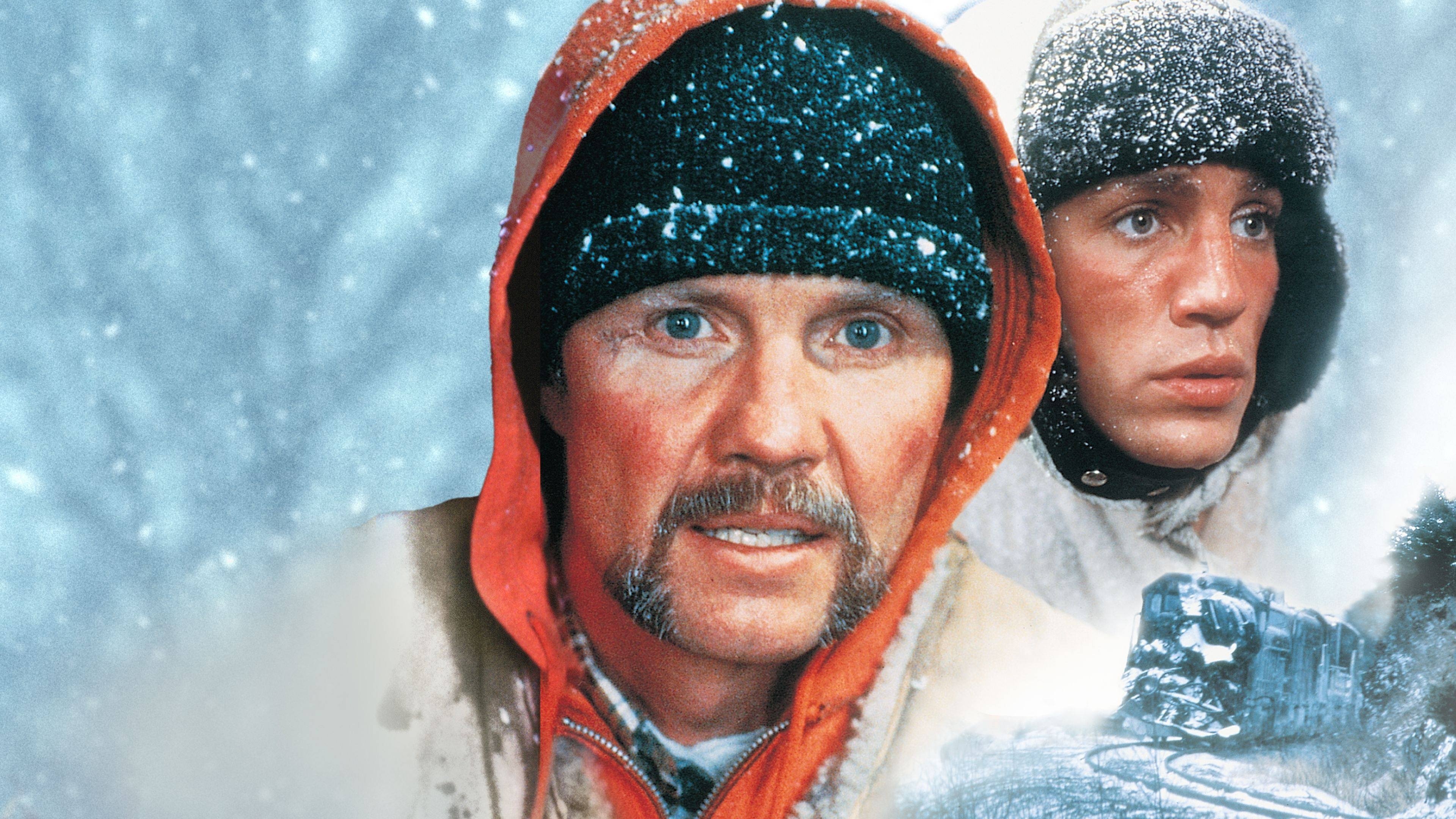
Jon Voight delivers an electrifying performance as Oscar 'Manny' Manheim, a legendary bank robber and the undisputed alpha of a maximum-security prison. After three years in solitary, a court order forces Warden Ranken to release him into the general population, setting the stage for Manny's daring escape. His plan is deceptively simple: through a sewer tunnel, across the frozen rail yard, and onto a waiting freight train. The initial execution is flawless, a testament to Manny’s meticulous mind and sheer grit.
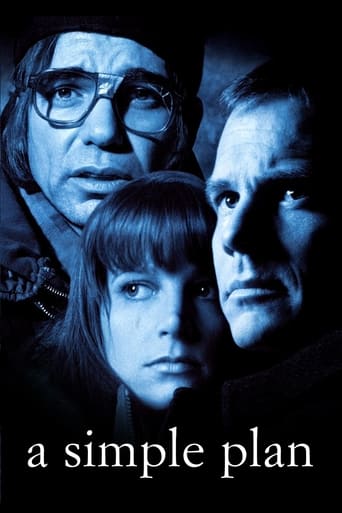
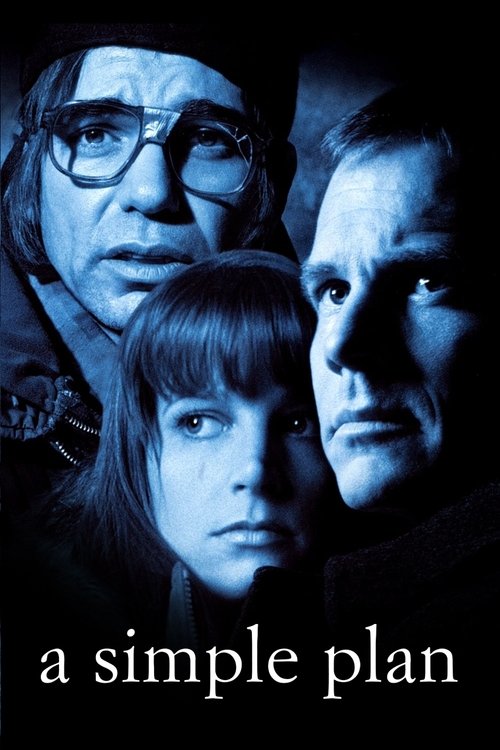
The comparison to films like A Simple Plan becomes clear here: a meticulously crafted scheme is rarely undone by its own design, but by the unpredictable element of human nature. In Runaway Train, that element arrives in the form of Buck McGeehy, played by Eric Roberts with an almost desperate intensity. Buck, a younger inmate, idolizes Manny and clandestinely joins the escape. His relentless chatter and youthful recklessness immediately strain Manny's composure, turning what was meant to be a two-man dash for freedom into a burdensome responsibility. The dynamic is taut, Manny’s hardened pragmatism clashing with Buck’s impulsive hero-worship, threatening to unravel their desperate bid for liberty even before the engineer suffers a fatal heart attack, leaving the brakes burned out and the four-locomotive train hurtling out of control with railroad worker Sara (Rebecca De Mornay) also aboard.
The Pursuit of Warden Ranken
John P. Ryan’s portrayal of Warden Ranken is as chilling as the Alaskan ice. Vain, cruel, and consumed by a personal vendetta against Manny, Ranken sees his former prisoner not as a man, but as an animal to be caged, a trophy to be reclaimed. His pursuit of the runaway train by helicopter is not merely an act of duty but a visceral manifestation of his twisted obsession. He orchestrates a desperate chase, demanding that dispatchers Frank Barstow (Kyle T. Heffner), Dave Prince (T. K. Carter), and their boss Eddie MacDonald (Kenneth McMillan) do whatever it takes to stop the train, even at the cost of lives.
The catharsis comes when Manny finally confronts and overpowers Ranken on the speeding train. Manny handcuffs the warden inside the lead engine, then uncouples the cars, allowing Buck and Sara to coast to safety. This act is not just about survival; it's a profound reversal of power. The hunter becomes the hunted, chained by his prey. Ranken’s fate, left to face the consequences of his actions with only Manny as his witness, is an emotional relief for the audience. The film, deftly, does not show us a crash or an on-screen death, but rather implies a reckoning, a final, inescapable judgment delivered by the relentless momentum of the locomotive itself.
An Ascension into the White
The climax of Runaway Train is one of cinema’s most haunting and iconic endings. Manny, having secured Buck and Sara’s escape, climbs onto the roof of the lone, speeding engine as it thunders through a blinding snowstorm. Spreading his arms wide, he stands as a solitary, defiant figure against the overwhelming force of nature and fate. This imagery, imbued with a quiet, almost Christlike resignation, offers a powerful, ambiguous conclusion to his savage journey.
It’s a striking contrast to the explosive finale of James Cagney’s Cody Jarrett in White Heat, where Jarrett, consumed by madness, bellows, “Made it, Ma! Top of the world!” as the chemical tank detonates beneath him in a blaze of fire and noise. Manny’s end is a study in stark opposition: not in fire, but in silence and white; not with a defiant scream, but with an open-armed acceptance. The film closes with a chilling line from Shakespeare’s Richard III: “No beast so fierce but knows some touch of pity. But I know none, and therefore am no beast.” This exchange, Lady Anne's line answered by the man who would become Richard III, resonates deeply with Manny’s own journey, an anti-hero who, despite his brutality, offers a final act of compassion for his unwitting companions, yet ultimately embraces his own isolated, untamed nature. Runaway Train leaves us with an enduring image of defiance and a profound meditation on the limits of freedom and the essence of the beast within.