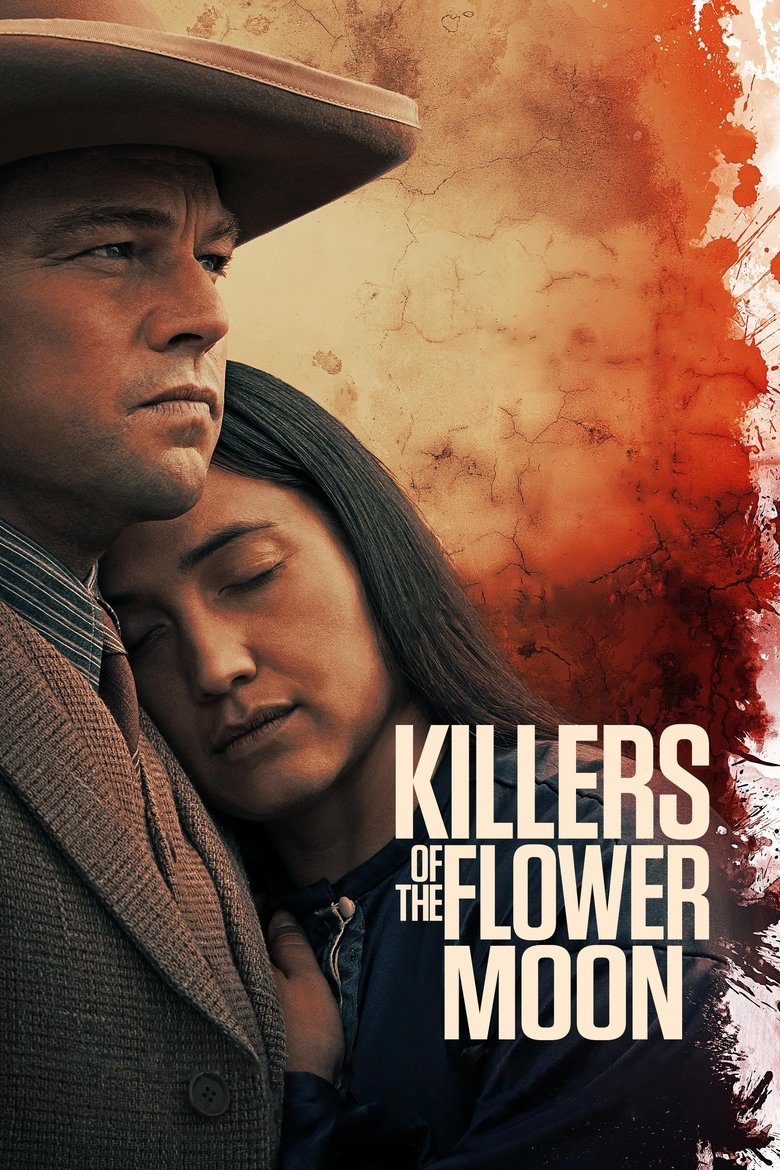
The Anchoring Stillness: Lily Gladstone's Mollie Burkhart in <em>Killers of the Flower Moon</em>
In a film teeming with grand performances and epic scope, Lily Gladstone delivers a portrayal of such profound internal strength that it anchors Martin Scorsese's sprawling narrative. Her Mollie Burkhart is a masterclass in controlled intensity and quiet devastation, a performance that speaks volumes without a single wasted gesture.
When a film spans three and a half hours, featuring a sprawling historical canvas and titanic performances from cinema stalwarts like Leonardo DiCaprio and Robert De Niro, it takes a truly exceptional central turn to prevent the entire enterprise from unraveling. In Martin Scorsese’s magnum opus, Killers of the Flower Moon (2023), that anchoring force is unequivocally Lily Gladstone as Mollie Burkhart. My interest, as always, turns to the profound choices an actor makes in defining a character’s arc and how those choices resonate across the broader narrative.
The Power of Presence and Understatement
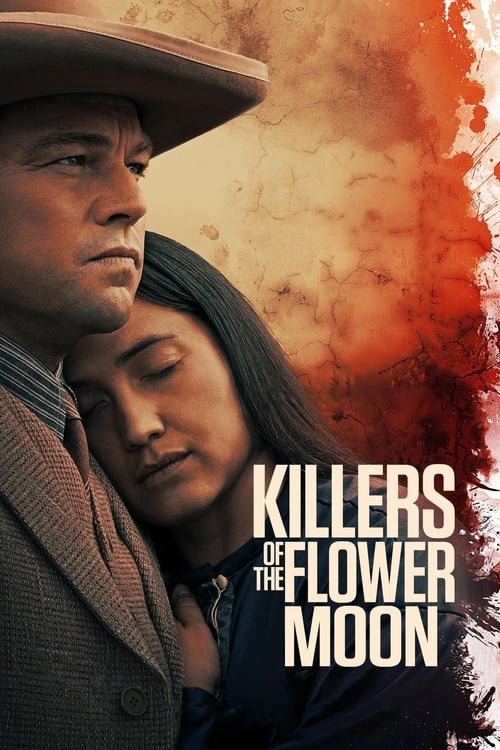
From Mollie’s first appearance, Gladstone exudes an ancient, knowing dignity. She is not merely a character; she is the soul of the Osage Nation, embodying its generational wisdom and its deep, tragic vulnerability. Her performance is a masterclass in internal monologue made manifest through posture, gaze, and the subtlest inflection. Mollie says very little, certainly compared to the verbose, scheming men around her, but every word she utters is weighted with consequence. This economy of expression, a deliberate artistic choice, serves to amplify her agency even as she is increasingly stripped of it.
Consider the famous moment from the early courtship, where Mollie challenges Ernest Burkhart, played by DiCaprio, demanding to know if he truly loves her or merely her money. Gladstone delivers this line with a quiet, searing directness that cuts through all of Ernest’s bluster. It’s not an accusation but a probing question, born of a lifetime of observation and hard-won experience. This moment is critical; it establishes Mollie as fully aware, even prescient, of the dangers around her, making her subsequent decline all the more heartbreaking. It’s a moment that Scorsese, a director fascinated by the interior lives of his characters, draws out with exquisite patience, allowing Gladstone’s silent contemplation to define the scene.
A Gaze That Speaks Volumes
So much of Gladstone’s performance resides in her eyes. There is a deep, unflinching observation in Mollie’s gaze, whether she is watching Ernest with a flicker of hope and suspicion, or observing the systemic destruction of her family. As the film progresses and Mollie succumbs to the insidious poisoning orchestrated by her husband and uncle-in-law, her physical vitality wanes, but the intensity of her gaze never does. Even when debilitated and confined to her bed, Mollie’s eyes retain their sharpness, her spirit unvanquished. This is where Gladstone truly shines, conveying an unbroken interior fortitude even as her body fails her.
Her work here reminds me of Daniel Day-Lewis's singular ability in The Age of Innocence (1993) to convey a character's profound, unspoken suffering and desire through subtle expressions, where every slight shift in countenance carries immense emotional weight. Gladstone, like Day-Lewis, understands that the most powerful performances often reside in what is withheld, in the subtext that ripples beneath the surface.

Bearing the Unbearable with Grace
The arc of Mollie Burkhart is one of unimaginable betrayal and sorrow, a woman watching her entire world, her family, and her health systematically destroyed. What Gladstone achieves is not just to portray this suffering, but to infuse it with an indomitable grace. There is no histrionics, no overt melodrama. Instead, we witness a steady, agonizing erosion, met with a quiet, desperate resilience.
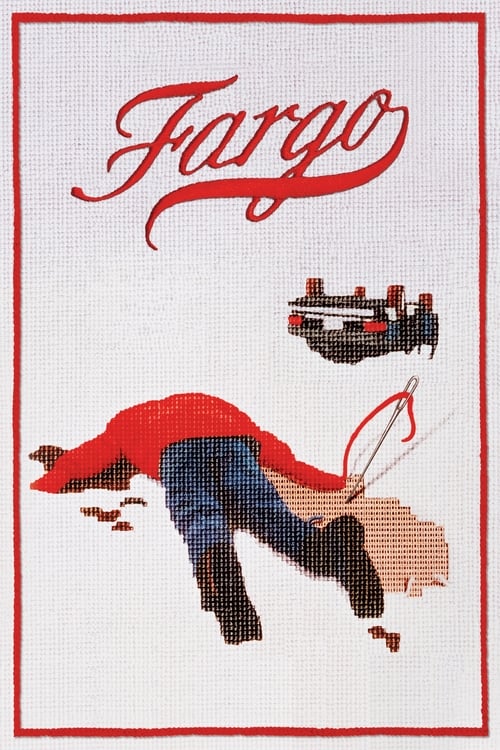
The scene where Mollie finally confronts Ernest about his complicity, after her sister has died and her own health is in ruins, is devastating precisely because of its restraint. Gladstone doesn't shout or scream; her voice is soft, imbued with a profound sadness that carries the weight of all the lives lost, all the trust broken. It’s a moment of profound character development, Mollie moving from trusting wife to clear-eyed survivor, determined to seek justice. This is a testament to Gladstone's understanding of the character's internal journey, prioritizing a deep, simmering pain over an explosive outburst. It’p a performance that allows the audience to feel the full, crushing weight of systemic evil without ever losing sight of the human cost. It’s a quiet strength that resonates far beyond the screen, much like Frances McDormand’s steadfast Marge Gunderson in Fargo (1996), enduring darkness with an unwavering moral compass.
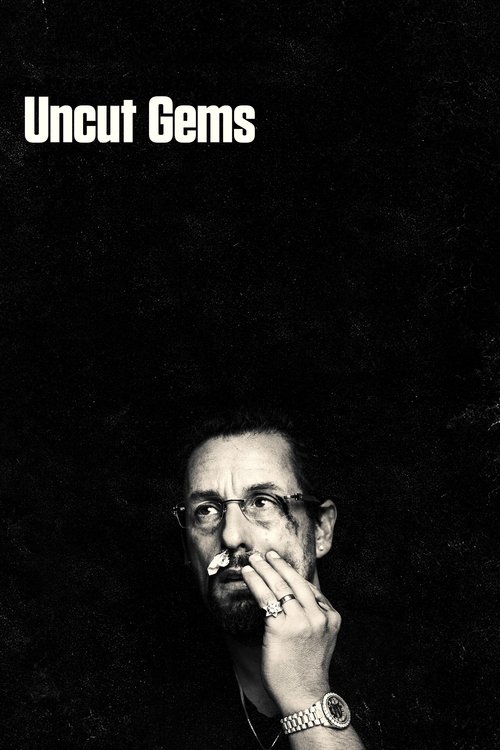
Lily Gladstone's Mollie Burkhart is far more than a supporting role; she is the film’s moral center, its beating heart. Her performance is a masterclass in how an actor can command the screen with stillness, dignity, and an intelligence that shines through the darkest circumstances. It’s a performance that will be studied for years to come, a testament to the power of embodying character with such truth and specificity that it transcends the narrative and becomes a piece of living history itself. She doesn't just act the part; she becomes the memory. For me, it stands as one of the great cinematic achievements of recent memory, alongside the raw intensity of an Adam Sandler in Uncut Gems (2019), but achieving its effect through almost antithetical means. It is truly a performance for the ages.