
The Architect of Atmosphere: Denis Villeneuve's Vision
Denis Villeneuve has carved a unique niche in modern cinema, a master of grand scale and intimate human drama. I find myself returning to his films not just for their breathtaking visuals, but for the profound questions they pose through meticulously crafted character journeys.
There are filmmakers whose work you recognize by the first frame, not by a signature shot or a specific actor, but by an ineffable quality of atmosphere. Denis Villeneuve is one of those rare directors. He builds worlds that feel simultaneously alien and profoundly human, leveraging monumental scale to explore the most intimate corners of the human condition. His films don't just tell stories; they immerse you in experiences, demanding a quiet reverence from the audience.
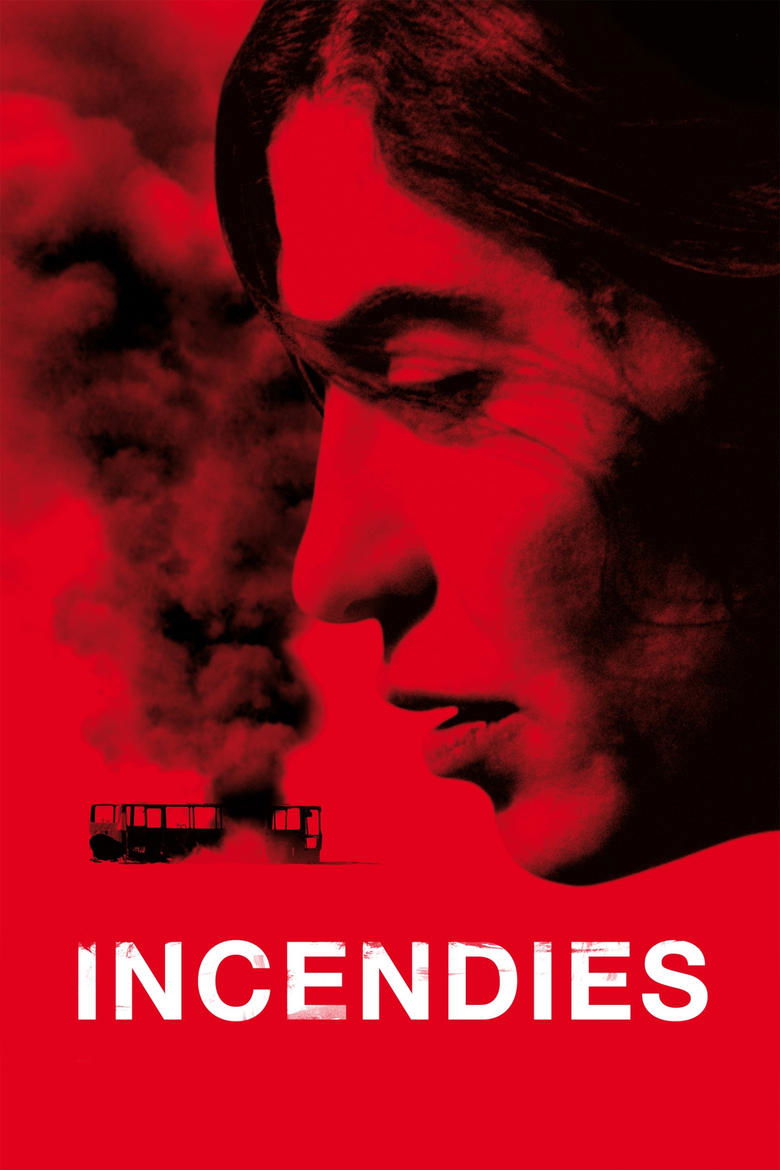
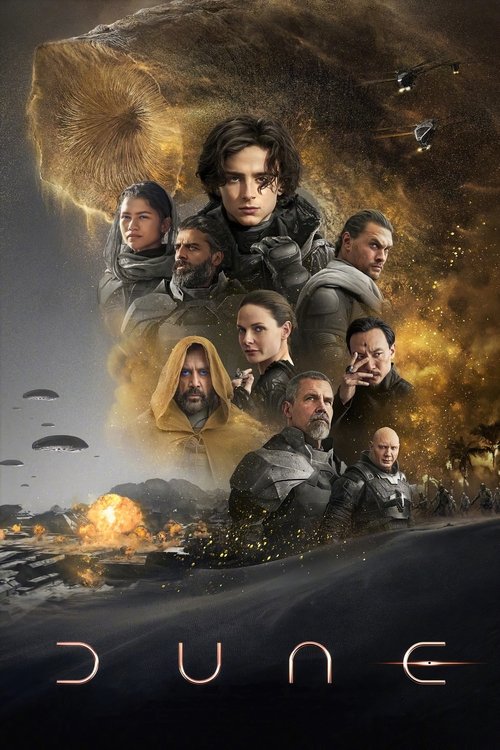
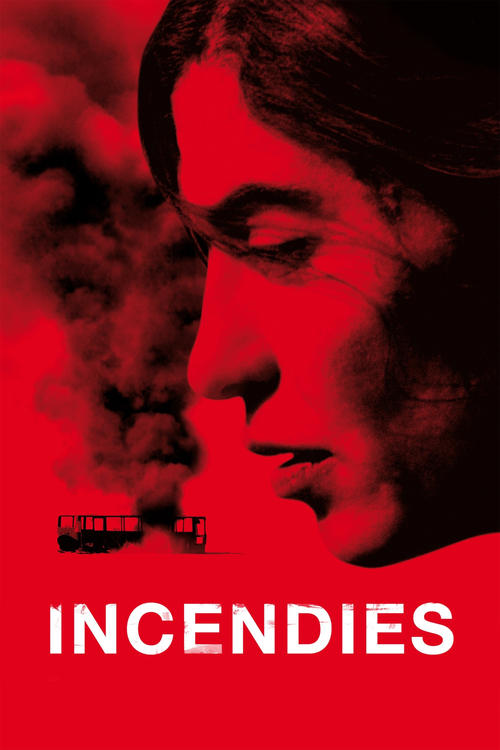
I find myself returning to Villeneuve’s filmography with the same sense of anticipation and intellectual curiosity that a scholar approaches a complex text. From the searing intensity of Incendies (2010) to the breathtaking cosmic canvas of Dune: Part One (2021), his films are a masterclass in meticulous craft. What strikes me most about Villeneuve's approach is his unwavering commitment to mood and specificity. Every visual, every sound cue, every lingering shot serves a larger purpose, building layers of tension or awe that few contemporary directors achieve.
Crafting the Uncanny: Sound and Silence
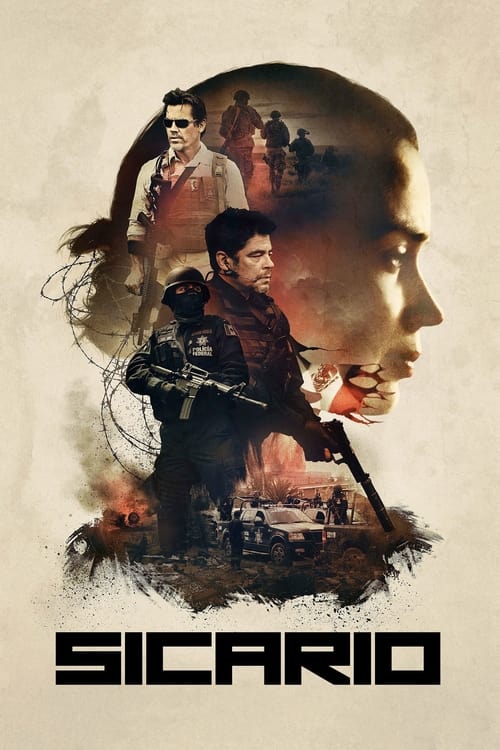
Villeneuve understands, perhaps better than anyone working today, the profound power of sound design and the deliberate use of silence. Think of the stark, wind-swept landscapes in Blade Runner 2049 (2017) or the unnerving quiet that precedes an alien arrival in Arrival (2016). These aren’t just backdrops; they are active participants in the narrative. His collaboration with cinematographers like Roger Deakins (Sicario, Blade Runner 2049) and Greig Fraser (Dune: Part One) is legendary, resulting in visuals that are both painterly and deeply unsettling. Deakins’ work on Sicario, for instance, transforms the arid borderlands into a morally ambiguous character itself, bathed in a sun-baked menace. It's an environment that presses down on the characters, informing their every desperate decision. It's a testament to the symbiotic relationship between director and director of photography that Siskel himself championed – where the visual language is as articulate as the script.
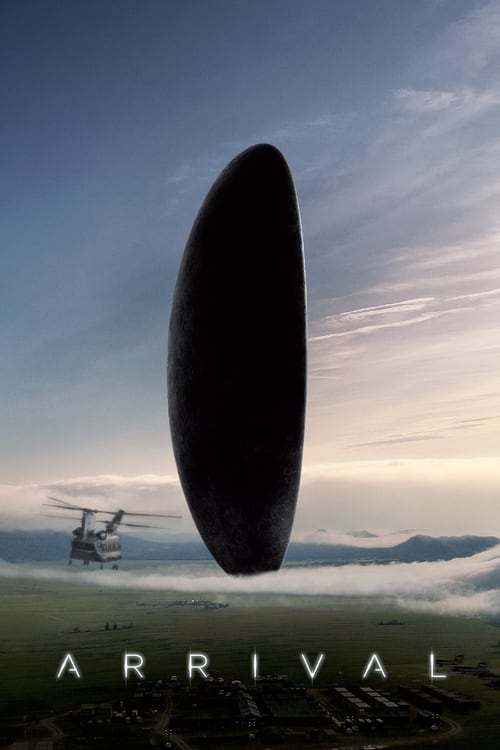
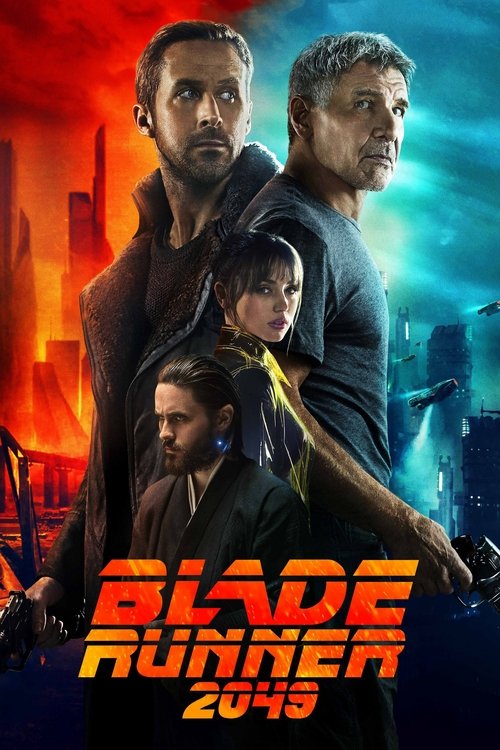
This deliberate pace and emphasis on environmental storytelling allows the psychological weight of his narratives to truly resonate. It's a patience I wish more modern productions would embrace, rather than relying on rapid-fire edits to mask narrative shortcomings. When I discuss these films with Luna, she often points out how Villeneuve’s visual economy allows the actors room to breathe, to inhabit the emotional truth of a scene without being rushed.
Characters in the Crucible: Humanity's Edge
While often celebrated for their grand scope, Villeneuve's films consistently anchor themselves in deeply human character journeys. He places individuals, often flawed and isolated, at the center of overwhelming circumstances, forcing them to confront existential dilemmas. In Arrival, Amy Adams' Dr. Louise Banks isn't just deciphering an alien language; she's navigating grief, memory, and the crushing weight of predetermination. Her interactions, particularly with Jeremy Renner’s Ian Donnelly, become the emotional core, the small, fragile human connection amidst a global crisis.
Even in the vast, sand-swept world of Dune: Part One, the emotional trajectory of Paul Atreides, brilliantly portrayed by Timothée Chalamet, is paramount. His struggles with destiny, loyalty, and burgeoning power are what ground the epic. Villeneuve doesn't just show us Paul's visions; he makes us feel Paul’s burden, his loneliness. It's a masterclass in developing internal conflict through external pressure, ensuring that even as the landscape expands, the focus remains on the interior lives of those caught within it. Kael once wrote about films that "get inside the characters," and Villeneuve consistently achieves this, making us complicit in their struggles and triumphs.
The Grand Canvas: Sci-Fi as Spiritual Epic
Villeneuve has increasingly gravitated towards science fiction, elevating the genre to a level of artistic and philosophical inquiry rarely seen since the likes of Kubrick. Blade Runner 2049 wasn't just a sequel; it was a profound meditation on identity, memory, and what it means to be human in a synthetic world. He expanded on Ridley Scott’s original vision with a reverence that avoided mere replication, instead digging deeper into its thematic core. Similarly, his adaptation of Frank Herbert's Dune is a sprawling, almost spiritual epic that resists easy categorization. It is a war story, a coming-of-age tale, a political thriller, and a deep dive into mysticism, all wrapped in visuals that feel both ancient and futuristic. He respects the source material not by literal translation, but by capturing its essence, its sense of wonder and its moral complexity.
For me, what truly elevates Villeneuve's sci-fi is its refusal to offer simple answers. He trusts the audience to grapple with ambiguity, to ponder the implications of his narratives long after the credits roll. His is a cinema of profound questions, rendered with breathtaking artistry. He is not just a director; he is an architect, building worlds for us to inhabit and interrogate.
In an industry often driven by disposable content, Denis Villeneuve stands as a singular voice, consistently delivering cinema that challenges, captivates, and endures. His next project will undoubtedly be met with intense scrutiny and expectation, and rightly so. For a filmmaker who understands the visceral power of the image and the quiet majesty of a well-told story, the only question that remains is how much further he can push the boundaries of what's possible on screen.
