
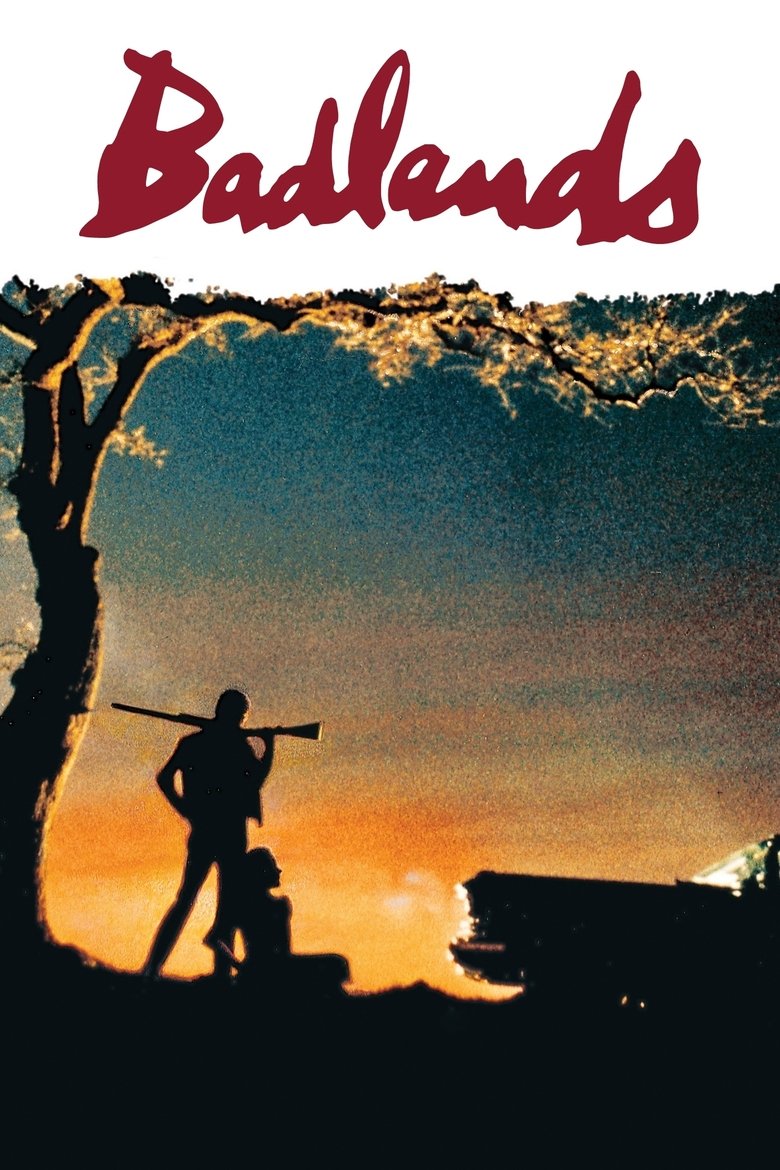
Watchlist: Badlands, Blue Moon, and For All Mankind
This week, I'm taking a closer look at the cinematography of three distinct projects: Badlands, Blue Moon, and For All Mankind. From the alien landscapes of Badlands to the character-driven drama of Blue Moon, and the sci-fi exploration of For All Mankind, each offers a unique perspective on the art of cinematography. Here's what caught my eye — and what didn't.
As a film historian, I'm always on the lookout for cinematography that transports me to another world. Badlands did just that, with its stunning alien landscapes and thoughtful portrayal of the Predator franchise's iconic villains. Showrunner Tommy Morgan notes that Badlands is a great example of the Hero's Journey toward Redemption and Family Honor, and I couldn't agree more. The film's use of lighting and composition creates a sense of unease and wonder, drawing the viewer into the world of the story.
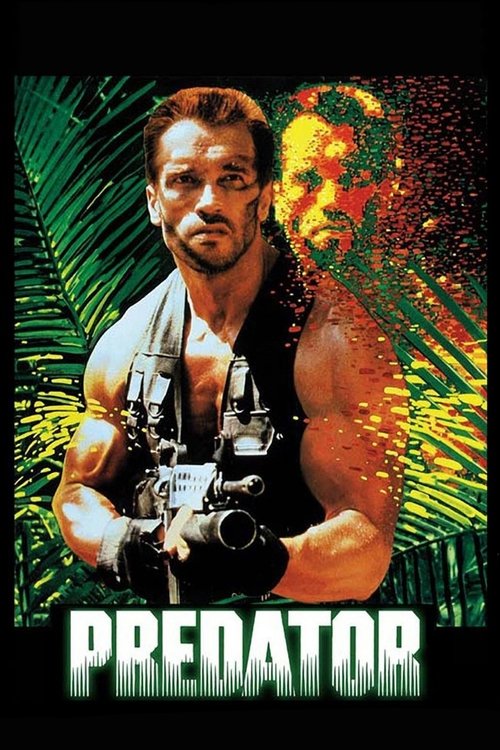
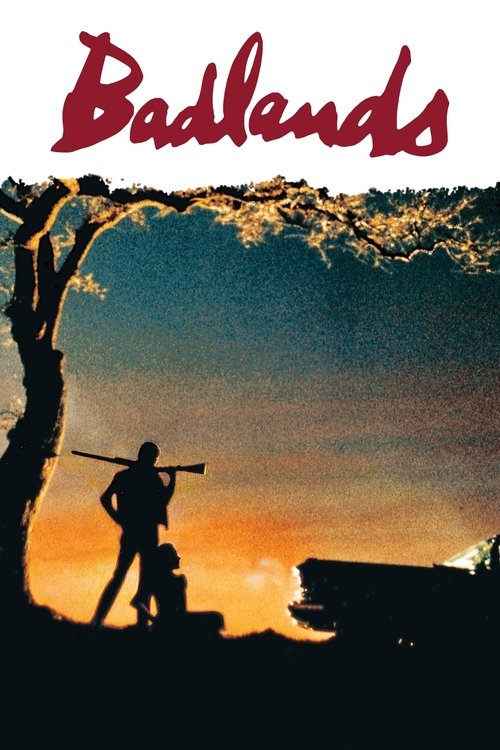
Badlands — Predator Franchise
The cinematography in Badlands is excellent, with a keen eye for detail and a deep understanding of the franchise's mythology. The film's portrayal of the Predator culture is both fascinating and terrifying, and the cinematography brings this world to life in a way that's both authentic and captivating. As Tommy Morgan notes, the authors have turned the evil predator class into huggable villains, and the cinematography plays a key role in this transformation.
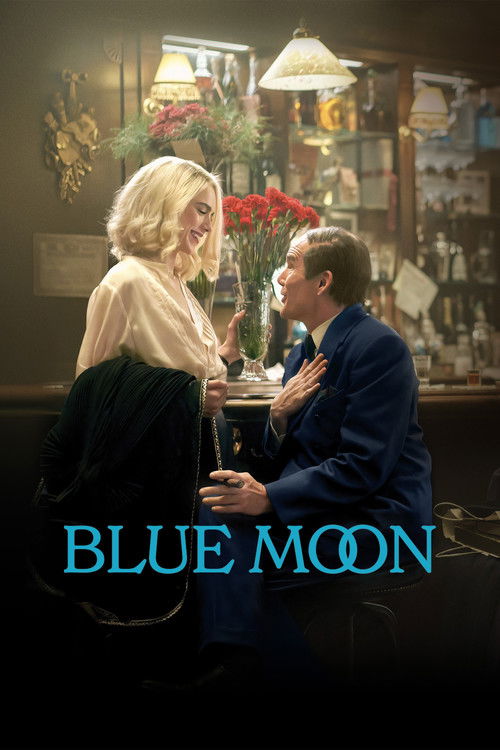
Blue Moon — Ethan Hawke
In contrast, Blue Moon is a more subdued film, with a focus on character-driven drama and a stellar performance from Ethan Hawke. While the cinematography is not as showy as Badlands, it's still effective in creating a sense of intimacy and nuance. However, I found myself distracted by the poorly done head piece Hawke wore to portray his character's balding, which took away from the overall impact of the film. As Tommy Morgan notes, Ethan Hawke is a consummate actor, and it's clear that he's dedicated to his craft.
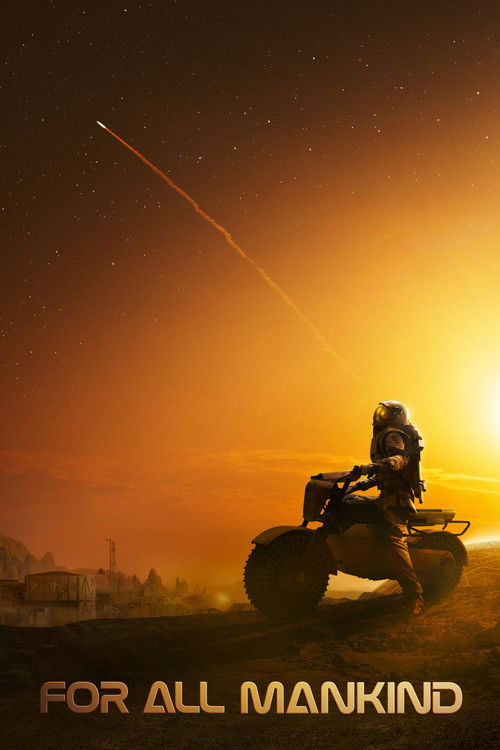
For All Mankind
Finally, For All Mankind is a mixed bag, with some great moments of cinematography but ultimately feeling like a night soap. The show's lack of energy and budget constraints are evident, and the cinematography suffers as a result. While there are some interesting ideas and concepts explored, the show's inability to fully realize its potential is disappointing. As Tommy Morgan notes, the show has devolved into a wrap-up of the characters' lives, and the cinematography reflects this.
In conclusion, these three projects offer a range of perspectives on cinematography, from the alien landscapes of Badlands to the character-driven drama of Blue Moon, and the sci-fi exploration of For All Mankind. While each has its strengths and weaknesses, they all demonstrate the importance of cinematography in bringing a story to life. As Tommy Morgan says, 'I'm always in awe of writers, directors, musicians, performers and actors. It takes unusual fortitude to do what they do — in front of a camera, for the world to judge, and be constantly in a place of competition and judgement for every performance.'
