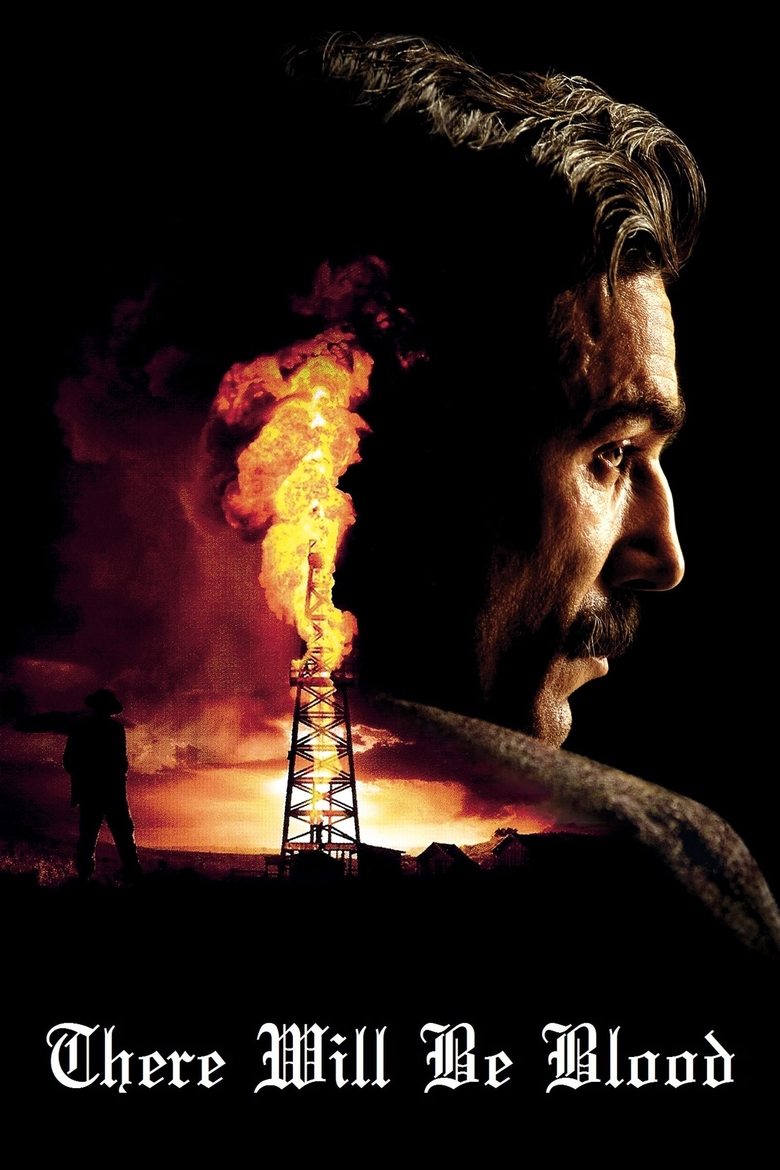
The Cinematography of <em>There Will Be Blood</em>: A Study in Light and Obsession
Robert Elswit’s Oscar-winning work on Paul Thomas Anderson’s 2007 masterpiece is far more than just pretty pictures; it’s the very bone and sinew of the film’s narrative, speaking volumes where dialogue falls silent. This is a masterclass in how light, shadow, and frame can manifest the dark soul of a man and an era.
There are films that tell stories, and then there are films that are stories. Paul Thomas Anderson’s 2007 epic, There Will Be Blood, belongs firmly in the latter category, and much of that visceral power emanates from the masterful cinematography of Robert Elswit. His work here is not merely an accompaniment to the narrative; it is the narrative, manifesting the desolate ambition and spiritual barrenness of Daniel Plainview and the emerging American century with unflinching clarity. It is, quite simply, one of the finest achievements in American cinematography of the new millennium, earning Elswit a richly deserved Academy Award.
The Vastness of an Empty Promise
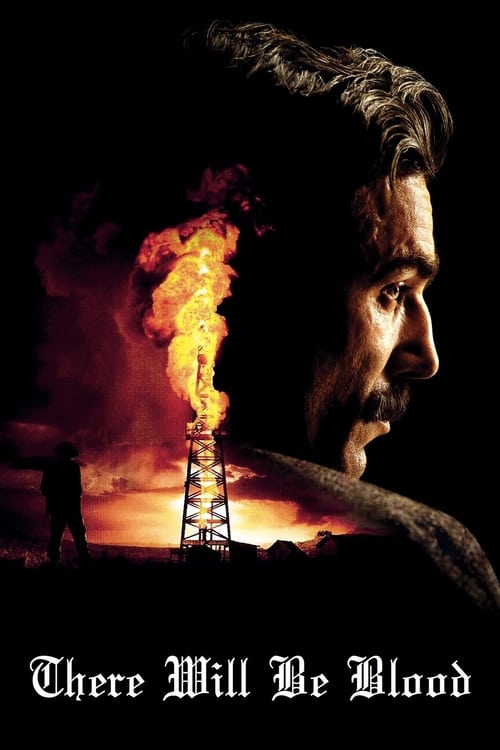
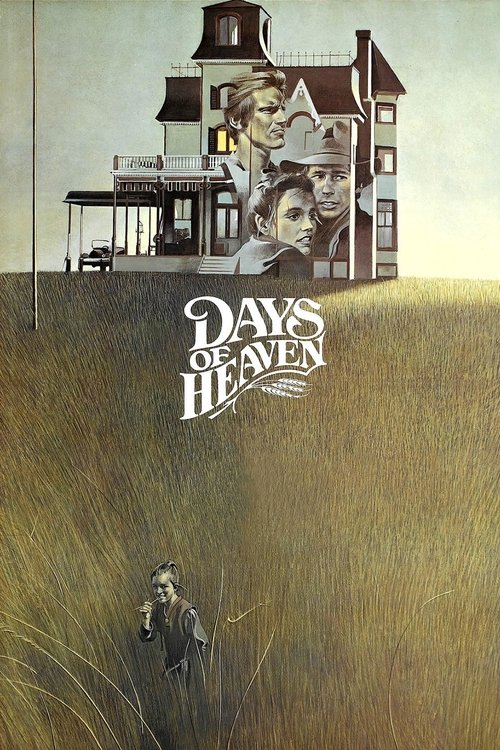
From its opening frames, There Will Be Blood establishes its visual language: stark, brutal, and breathtakingly expansive. Elswit captures the West Texas landscape not as a romanticized frontier, but as a forbidding, almost alien canvas of rock and dust, echoing the psychological terrain of its protagonist. The sweeping long shots that dominate the film’s early, silent passages immediately call to mind the grand, often unforgiving vistas of films like Terrence Malick's Days of Heaven (1978), where the natural world asserts its dominance over human endeavor. There's a deliberate choice in these early scenes to strip away dialogue, allowing Elswit’s camera to perform the heavy lifting of exposition, revealing Plainview's solitary toil and ruthless determination through his physical presence within these indifferent surroundings. The sheer scale of the landscape dwarfs humanity, foreshadowing the monstrous scale of Plainview's ambition and eventual isolation.
Light as a Weapon, Shadow as a Soul
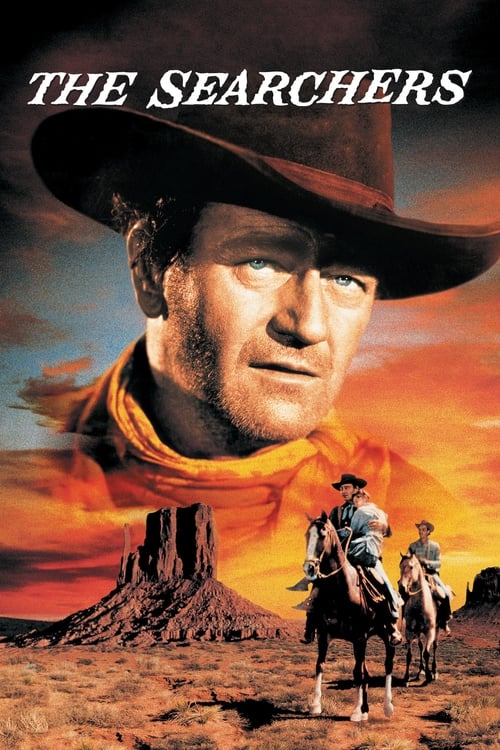
Elswit’s lighting in There Will Be Blood is a character unto itself. He largely eschews artificiality, embracing natural light with a reverence that borders on religious, especially in the early sections. The blinding glare of the sun on the dusty plains, the way it slices through the rough-hewn interiors of plain homes or the drilling derrick, is never merely aesthetic. It’s a tool for psychological illumination, stripping away pretense. Consider the scenes in the church, where the light struggles to penetrate the gloom, or the striking contrast between the harsh, open exteriors and the claustrophobic, often candlelit interiors where Plainview conducts his ruthless business. As the film progresses and Plainview’s soul darkens, Elswit’s palette shifts. The reds become richer, the blacks deeper, particularly in the later scenes set in the opulent, yet hollow, mansion. The flickering oil derrick fire, a truly iconic sequence, isn't just a spectacle; it’s a manifestation of Plainview's burning, destructive drive, captured in a symphony of chaotic light and frantic movement. It reminded me, in its sheer, primal visual power, of the destructive sublime often seen in classic Westerns like John Ford's The Searchers (1956), where the environment itself reflects the internal turmoil of its characters.
A Collaborative Vision: Anderson and Elswit
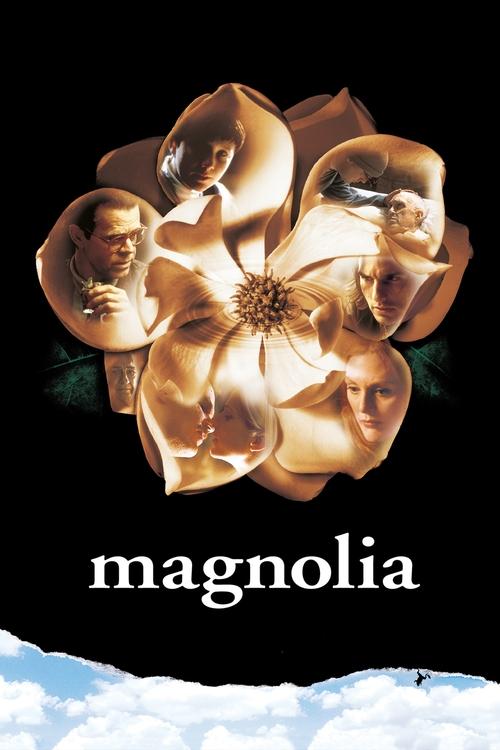
The synergy between Paul Thomas Anderson’s direction and Elswit’s cinematography is undeniable, a partnership forged over many films, including the frenetic energy of Boogie Nights (1997) and the sprawling tapestry of Magnolia (1999). With There Will Be Blood, they refined their collaboration into something more austere, more menacing. Anderson’s long takes and deliberate pacing allow Elswit’s compositions to breathe, to linger, forcing the viewer to confront the stark beauty and brutality within each frame. It’s a patient approach that trusts the image to convey subtext and emotion without reliance on rapid cutting. This allows for moments of incredible visual specificity, like the infamous "milkshake" monologue, where the wide, static shot emphasizes Plainview’s absolute dominance and isolation within the bowling alley, the composition itself cementing his final, horrifying victory.

The Enduring Image of Greed
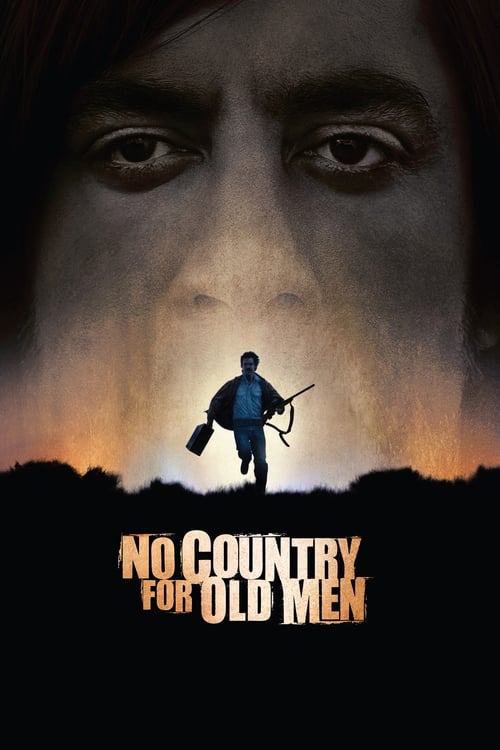
The cinematography of There Will Be Blood is not just technically brilliant; it is essential to the film's thematic resonance. It makes tangible the corrupting influence of greed, the loneliness of power, and the desolate nature of a life devoid of genuine connection. Elswit’s choice to shoot predominantly on 35mm film, favoring anamorphic lenses, lends the movie a monumental, epic quality that feels both classical and hauntingly modern, a stark contrast to the digital sheen of many contemporary films. It stands as a testament to the power of film as a visual medium, a work that demands repeat viewings not just for its narrative intricacies but for the sheer artistry of its image-making. In a year that also saw Roger Deakins's exquisite work on No Country for Old Men (2007), Elswit’s achievement proved that the craft of the Director of Photography remains paramount in shaping cinematic legacy. This film is a definitive argument for the visual grammar of cinema, a stark and unforgettable portrait painted in light and shadow that continues to resonate.