

The Performance: Joaquin Phoenix's Arthur Fleck in <em>Joker</em>
Joaquin Phoenix's portrayal of Arthur Fleck wasn't just acting; it was a total transformation that redefined one of cinema's most iconic villains. His work in <em>Joker</em> dives deep into the unsettling unraveling of a man, making it a landmark character study.
To tackle a character as iconic and as thoroughly explored as the Joker is to walk a tightrope over cinematic history. To not only succeed but to redefine the role, making it uniquely terrifying and tragically human, is a testament to an actor's singular vision. Joaquin Phoenix, in Todd Phillips’ 2019 film Joker, didn't just play Arthur Fleck; he inhabited him, offering a performance that felt less like acting and more like a harrowing possession. It’s the kind of raw, uncompromising work that demands discussion, not just as entertainment, but as a masterclass in psychological disintegration.

The Weight of Expectation
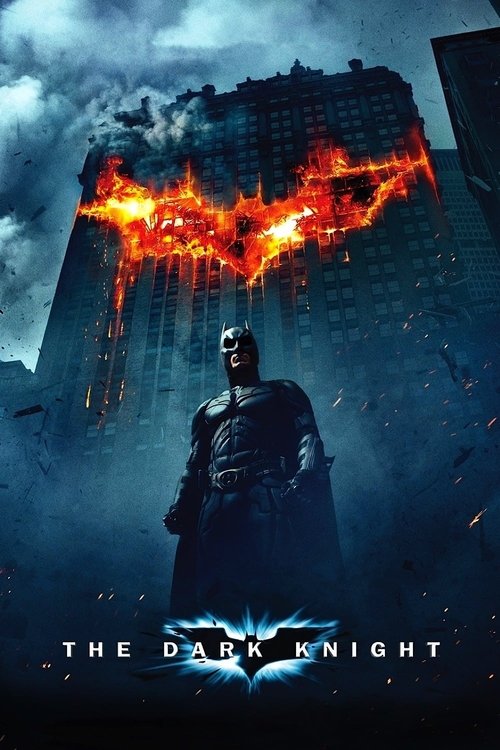
Before Phoenix stepped into the greasepaint, the character of the Joker carried an immense legacy. From Jack Nicholson’s theatrical menace in Tim Burton’s Batman to Heath Ledger’s anarchic terror in Christopher Nolan’s The Dark Knight, each portrayal set a formidable benchmark. The brilliance of Phoenix's approach was his absolute refusal to imitate. Instead, he chose excavation, digging into the psyche of Arthur Fleck, a man barely holding on at the fringes of a decaying city. This wasn't the Joker as a force of nature, but the Joker as a byproduct of systemic neglect and personal trauma. Phoenix gave us the origin story of a monster not through grand pronouncements, but through a terrifyingly intimate character study.

A Symphony of Subtlety and Spectacle
What makes Phoenix’s performance so compelling are the myriad, meticulously crafted details that build the character's descent. His physical transformation alone — the gaunt frame, the skeletal movements — speaks volumes before a word is uttered. Then there's the laugh, a spasmodic, painful eruption that's more a cry for help than an expression of mirth, revealing his neurological condition and the constant agony of his existence. Each interaction Arthur has with the world around him — his ailing mother Penny, the dismissive social worker, the cruel subway bullies, his fantasy girlfriend Sophie, and finally, the condescending Murray Franklin — peels back another layer, showing us how these exchanges warp him further.
Consider the scenes where Arthur dances, whether it's the unsettling contortions in the bathroom after his first violent act or the defiant, almost balletic sequence on the iconic stairs. These aren't just visually striking moments; they are crucial character beats. They represent his fleeting moments of liberation, his embrace of his evolving identity, his defiant assertion of self in a world that has only ever beaten him down. Phoenix communicates Arthur’s growing confidence, his shift from victim to perpetrator, with startling clarity, allowing these physical expressions to bridge the gap between his internal torment and external manifestation. It's a testament to the actor's craft that such deeply disturbing moments can also feel, in a twisted way, like the character finally finding his voice.
Echoes of the Past, a New Mythology
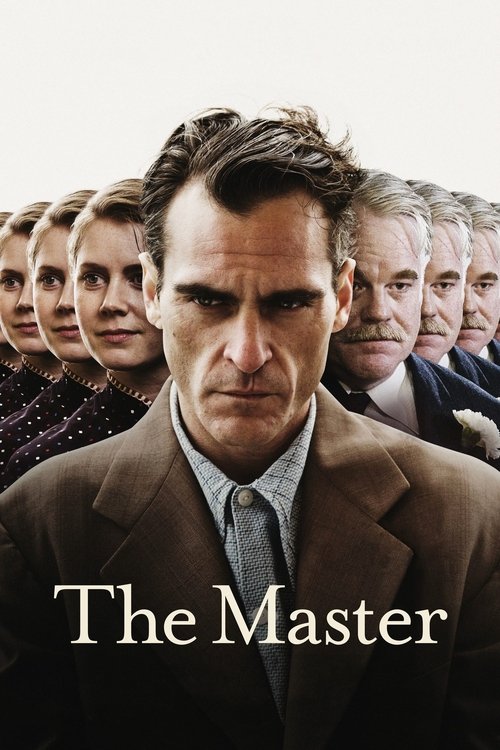
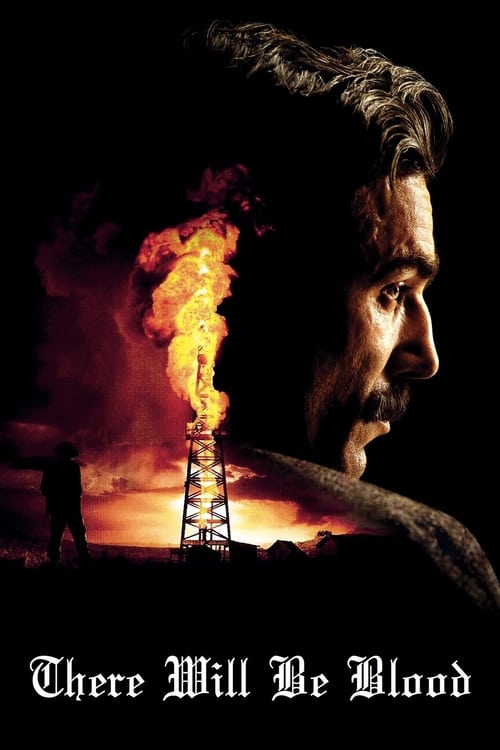
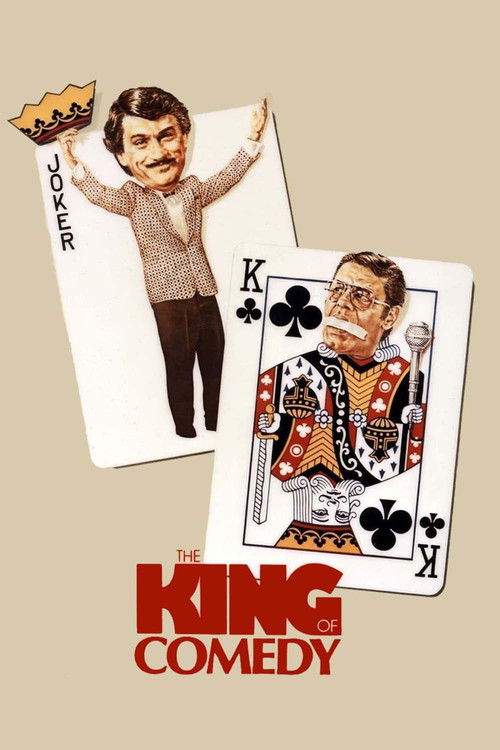
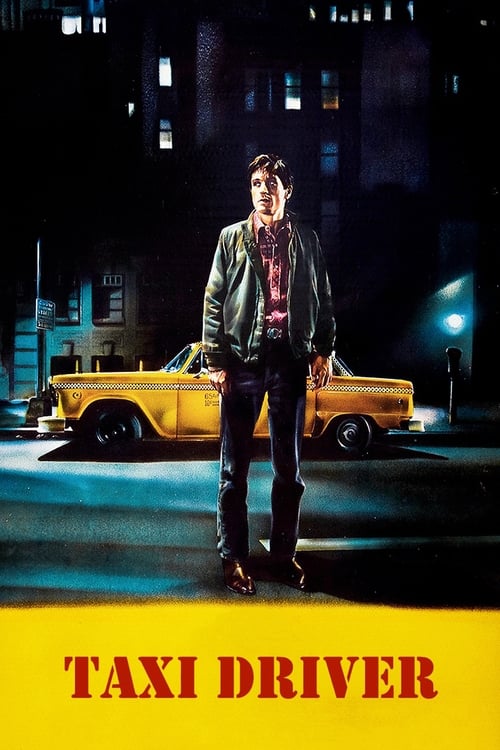
Phoenix’s Arthur Fleck sits comfortably alongside cinema’s great portrayals of urban alienation and psychological unraveling. One immediately thinks of Robert De Niro’s Travis Bickle in Martin Scorsese’s Taxi Driver or his Rupert Pupkin in The King of Comedy (which, ironically, features De Niro himself in Joker). Like those characters, Arthur is a lonely man pushed to the brink, his grievances festering in isolation. Phoenix draws from a rich lineage of actors who immerse themselves completely in a role, a method that recalls the intensity of Daniel Day-Lewis in There Will Be Blood or even his own haunted work in Paul Thomas Anderson’s The Master. He doesn't just play a mentally ill man; he embodies the systemic failures that contribute to his illness, making Arthur a potent, if uncomfortable, cultural mirror.
The Unsettling Truth
Regardless of where one stands on Joker as a film, the power of Joaquin Phoenix’s performance is undeniable. It's a searing, uncomfortable portrait of a man's descent into madness, a masterclass in transformation and character development that leaves an indelible mark. He created a Joker not of bombast and grand schemes, but of quiet desperation and explosive rage, a figure born less of a comic book and more of a chilling social critique. Phoenix's Arthur Fleck isn't merely an acting achievement; it's a profound, disturbing meditation on trauma, neglect, and the birth of a monster that demands to be seen and debated for years to come.
