Why At Play in the Fields of the Lord Still Matters
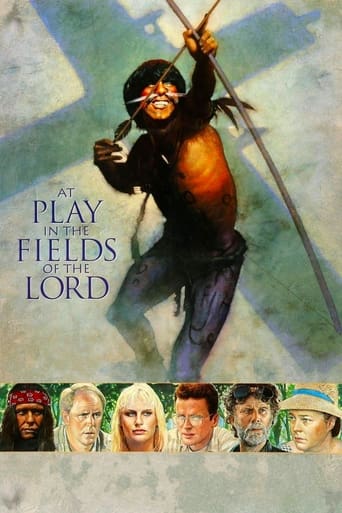
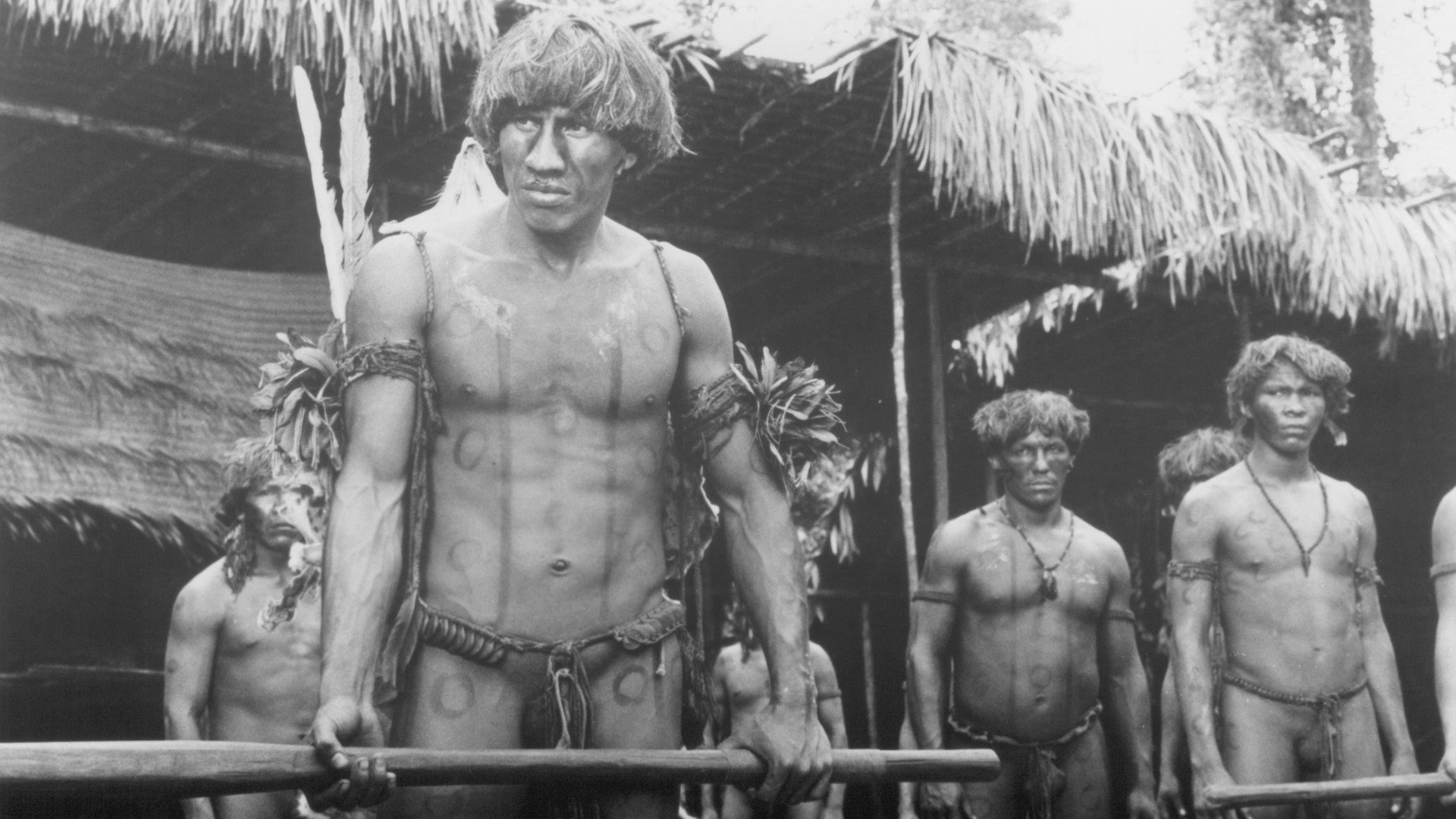
Hector Babenco’s ambitious 1991 epic, At Play in the Fields of the Lord, remains a profound, uncomfortable exploration of cultural collision. This overlooked three-hour drama masterfully dissects the tragic consequences when outsiders impose their will on an indigenous Amazonian tribe.
Few films grapple with the sheer, crushing weight of cultural contamination with the unflinching honesty of Hector Babenco’s 1991 epic, At Play in the Fields of the Lord. Adapted from Peter Matthiessen’s monumental novel, this three-hour odyssey into the Amazonian heartland stands as a quiet, harrowing indictment of colonialism, delivered not through overt polemic, but through the slow, agonizing unraveling of a pristine world by well-meaning and ill-meaning outsiders alike. It is a film that demands patience and rewards it with a profound, discomforting truth.
The Contamination of Faith and Unbelief
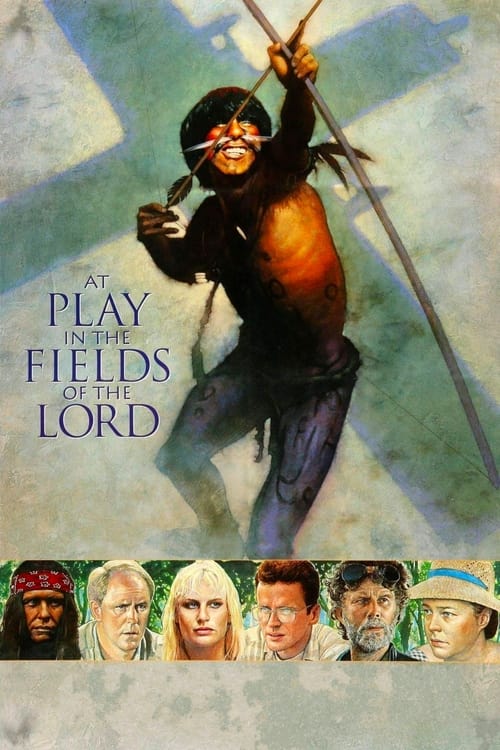
The narrative pits two distinct forces of Western intrusion against the Niaruna tribe: evangelical missionaries and a mercenary pilot. Leslie Huben (John Lithgow), who runs the mission effort in the region, seems more concerned with beating his Catholic rivals than with the people he means to save; Lithgow plays his piety as a performance, and Daryl Hannah, as his wife Andy, carries its quieter cost. Huben sends a new couple from small-town America, Martin and Hazel Quarrier (Aidan Quinn and Kathy Bates), with their young son, to a remote station whose Catholic predecessors were killed. They bring Bibles, Western clothes and a worldview with no room for the one already there, a people whose spiritual life is bound up with the forest around them. Bates, as Hazel, gives the film its most painful portrait of what that certainty costs the people who carry it.
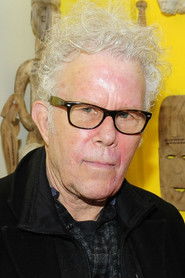
On the other side is Lewis Moon (Tom Berenger), a half-Cheyenne mercenary pilot stuck in a frontier town with his partner Wolf (Tom Waits). The local commandante wants the Niaruna cleared from the land and offers the pilots a way out if they bomb the village. Driven by a volatile mix of nihilism and a yearning for belonging, Moon instead decides to “go native.” He parachutes into the Niaruna village, convinced he can shed his Western identity and integrate. Berenger’s performance is raw and magnetic, capturing the desperate, often violent, spiritual quest of a man adrift. His path, however, proves equally disastrous. While the missionaries impose their god, Moon imposes his fractured identity, disrupting the tribe’s delicate social fabric in a way that is no less destructive than organized religion. Both paths, despite their vastly different intentions, lead to the same tragic conclusion: the Niaruna people are not helped, but irrevocably harmed.
A Stellar Cast Under Babenco's Vision
Babenco, known for his incisive character studies in films like Pixote (1980) and the Oscar-nominated Kiss of the Spider Woman (1985), marshals an exceptional ensemble cast. Aidan Quinn’s Martin is the film’s conscience, a missionary whose doubt grows as the mission goes wrong, and his journey mirrors the film’s central moral question. Tom Waits, in a smaller but memorable role as Wolf, adds a layer of weary pragmatism. The performances collectively convey the immense human cost of cultural collision, with characters grappling with their own motives and the horrifying outcomes of their actions.


The film’s visual language is as immersive as its narrative. Shot on location, it conveys the overwhelming beauty and harshness of the Amazon, making the environment a character in itself. Zbigniew Preisner’s melancholic score subtly underpins the spiritual and tragic elements, enhancing the film’s contemplative tone without ever becoming overbearing. At 189 minutes, the film takes its time, allowing the intricate ethical dilemmas and the slow erosion of the Niaruna’s way of life to unfold with necessary depth and gravity.
The Enduring Argument and Theatrical Struggles
At Play in the Fields of the Lord’s quiet argument—leave these people alone—has aged remarkably well. In an era more willing to count the cost of missionary and colonial contact with isolated peoples, its message resonates with renewed force. It is not an easy film, nor does it offer simple answers. Instead, it presents a mirror to humanity’s persistent need to impose its will, whether through piety or self-discovery, and the devastating cost of that imposition.
Despite its critical ambition, stellar cast, and profound themes, the film reportedly struggled theatrically, grossing approximately $1.3 million in the US against a reported budget of about $36 million. Such a stark box office performance for a long, serious, ambitious picture is not uncommon. Audiences are often hesitant to commit three hours to a challenging drama that offers no easy heroes or simple resolutions. Its complex moral landscape, coupled with its unflinching portrayal of cultural destruction, likely made it a difficult sell for mainstream distribution, relegating it, for many, to late-night cable viewings or niche retrospectives. Yet, it is precisely these qualities that make At Play in the Fields of the Lord a vital, if underseen, piece of cinema history that continues to provoke thought and conversation. It remains a powerful, necessary meditation on innocence lost and the irreversible damage wrought by the best and worst of intentions.