
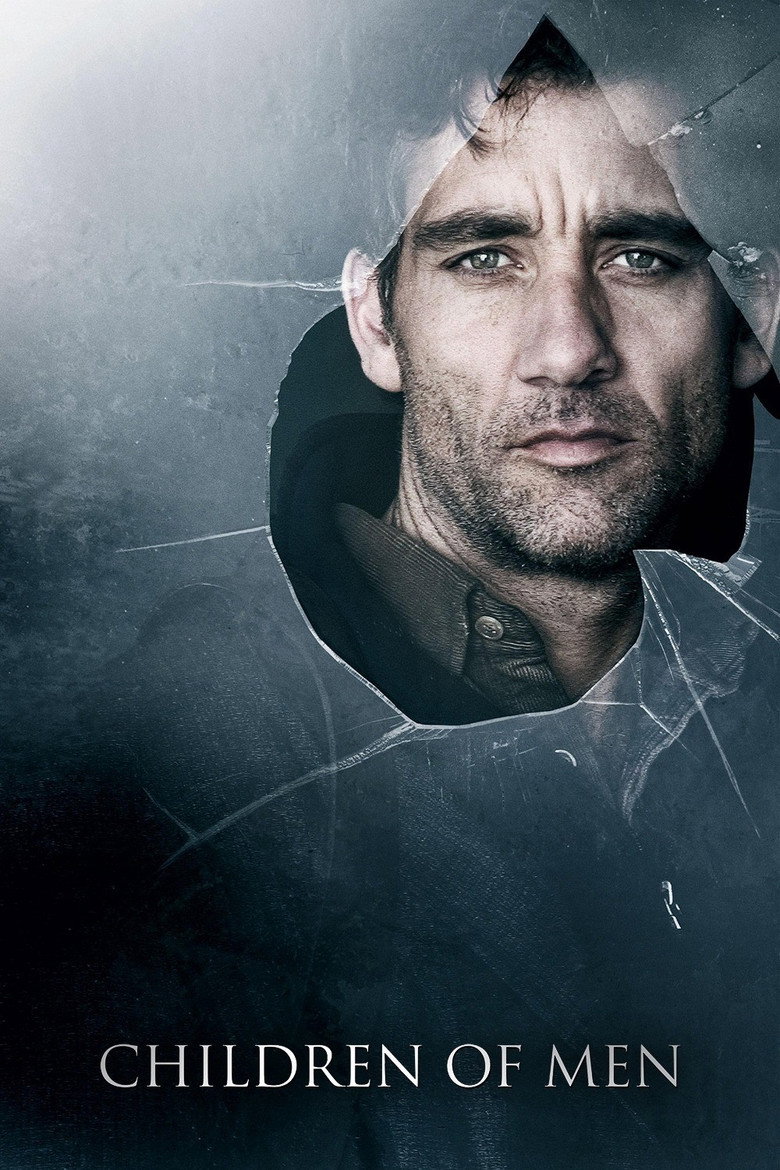
Why Alfonso Cuarón’s 'Children of Men' Still Matters
Alfonso Cuarón’s 2006 masterpiece, <em>Children of Men</em>, isn't merely prescient; it's a prophetic vision of a world teetering on the brink. Nearly two decades on, its themes and groundbreaking craft resonate with a chilling, undiminished power.
Some films are prescient. Others are prophetic. Alfonso Cuarón’s Children of Men, released in 2006, is both, a searing indictment of human folly and an ode to enduring hope that, nearly two decades on, feels less like science fiction and more like a documentary from a terrifying alternate timeline. This isn't just a great film; it's a vital one, a masterclass in immersive storytelling that demands our attention now more than ever.
A Dystopia That Feels Too Real
The premise is simple, horrifying, and utterly devastating: humanity faces extinction after 18 years of unexplained global infertility. Civilization crumbles, replaced by a brutal, xenophobic police state, where refugees are hunted, and hope is a forgotten currency. What sets Children of Men apart from other dystopian visions is its grounding in the tragically familiar. There are no ray guns or alien invaders; just bureaucratic cruelty, environmental decay, and the casual dehumanization of those deemed 'other.' It’s a vision so meticulously crafted that it bypasses the usual genre filters, landing with the gut-punch of immediate reality. Roger Ebert, ever the keen observer of a film's deeper resonance, rightly praised its 'urgent despair,' and that urgency has only deepened with time. While Korie often champions films that capture the cultural zeitgeist, Children of Men didn't just capture it; it predicted it.
The Unblinking Eye: Cuarón and Lubezki's Masterclass
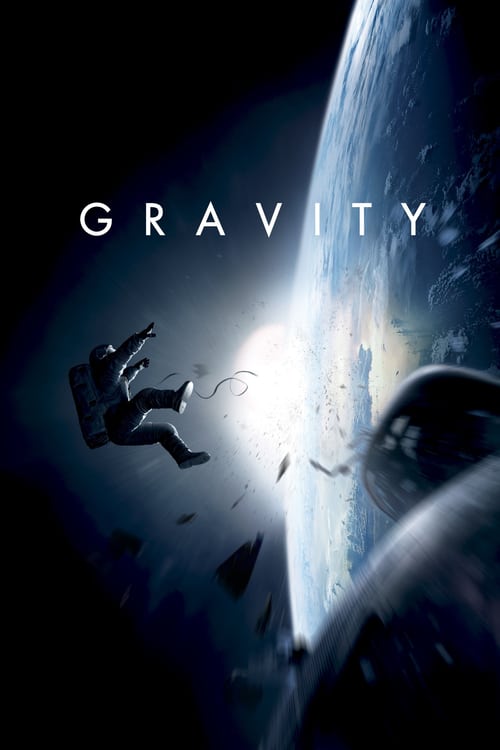
But the true genius of Children of Men lies not just in its themes but in its unparalleled craft. Cuarón and cinematographer Emmanuel Lubezki redefined what was possible with long takes, elevating them from technical stunt to narrative imperative. The famed ‘one-shot’ sequences—particularly the harrowing car ambush and the climax through the besieged apartment building—are not mere technical flexes. Lubezki, who would go on to win three consecutive Oscars for his work (including for Cuarón's Gravity and Iñárritu's Birdman or (The Unexpected Virtue of Ignorance) and The Revenant), frames these moments with a visceral urgency that plunges the viewer into the chaotic present. There's no escaping the horror, no convenient cuts to soften the blows. The camera doesn't merely observe; it participates, weaving through the action like an embedded journalist, breathing the same acrid air as Theo Faron, Clive Owen’s reluctant hero. I often think of Elem Klimov's relentless camerawork in Come and See or even Hitchcock’s mastery of confined tension in Rear Window when I consider films that rely on a sustained, unblinking perspective, but Cuarón and Lubezki push that concept into a dynamic, handheld, unrelenting torrent.




Performance and the Weight of Hope
Amidst the technical marvels and thematic weight, the performances anchor the film's emotional core. Clive Owen delivers a career-defining turn as Theo, a cynical, detached bureaucrat whose journey from apathy to desperate heroism is utterly convincing. His weariness, etched into every frame, makes his eventual resolve all the more powerful. Julianne Moore, though present for a relatively short but pivotal part of the film, radiates fierce conviction as Julian. And Michael Caine, in a brilliant against-type casting as a pot-smoking, anarchist former political cartoonist, provides much-needed moments of humanity and gallows humor. Each actor inhabits their role with a profound sense of resignation and defiance, embodying the fragile balance between despair and the slim possibility of salvation. It's a testament to Cuarón's direction that these performances never feel overshadowed by the grand-scale spectacle; they are integral to its impact, vital human sparks in a dying world.
Children of Men doesn’t offer easy answers or saccharine hope. It presents a world that is ugly, broken, and dangerously familiar. Yet, in the persistent, almost miraculous glimmer of human connection and the audacious pursuit of a single, impossible future, it finds its profound power. It is a film that challenges us, not just to consider a grim future, but to look at our present with clear, unblinking eyes. Like Cuarón's later masterpiece Roma, it's a testament to the power of cinema to immerse us so completely that we feel, rather than simply witness, the stakes. In a cinematic landscape often consumed by cyclical franchise content and safe bets, Children of Men remains a fiercely independent vision, a brutal yet beautiful reminder of what cinema can achieve when it dares to look unflinchingly at our future, and at ourselves. It doesn't just matter; it screams.