
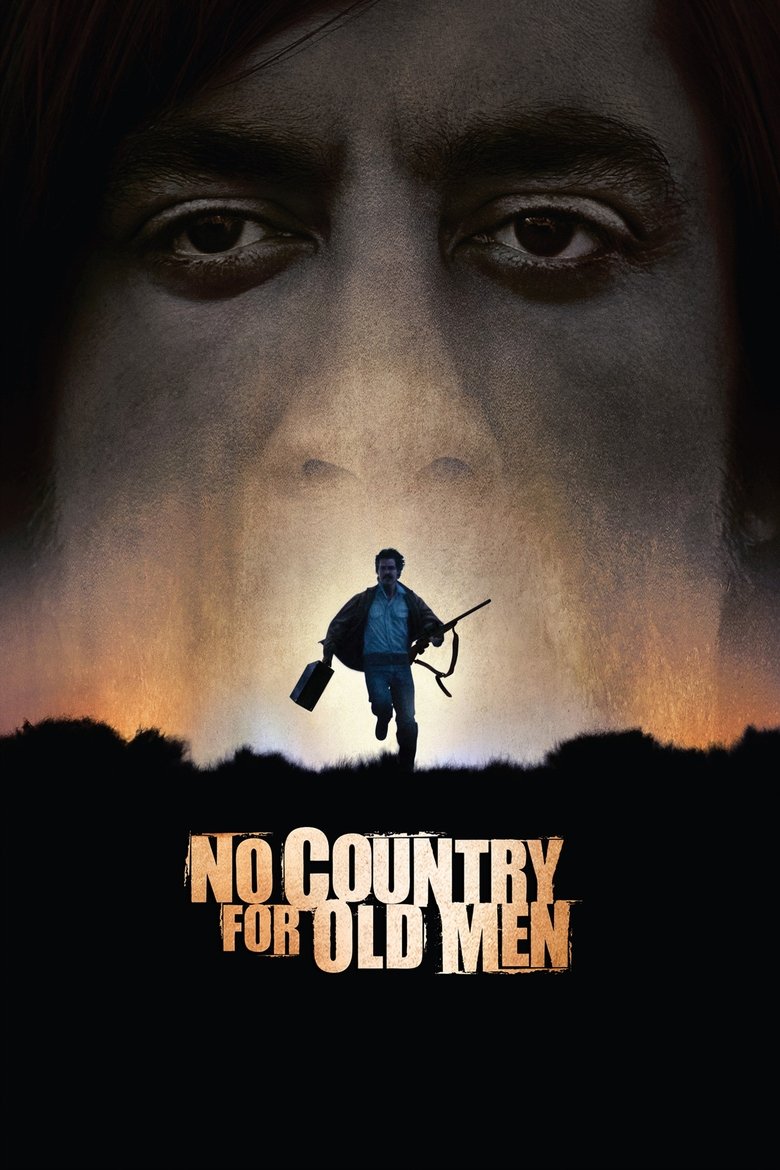
Why <em>No Country for Old Men</em> Still Matters
Joel and Ethan Coen's 2007 masterpiece isn't just a crime thriller; it's a profound, chilling meditation on fate, violence, and the relentless march of time. More than a decade and a half later, its stark vision remains as relevant and unsettling as ever.
This isn't merely a film; it's a force of nature, an experience that grips you and refuses to let go, even sixteen years after its initial release. Joel and Ethan Coen’s No Country for Old Men (2007) is a masterpiece of the highest order, a bleak, beautiful meditation on American violence and the unsettling entropy of a world losing its moral compass. It’s a film that arrives, lays waste to expectations, and leaves you to reckon with its implications long after the credits roll.
The Unforgiving Landscape
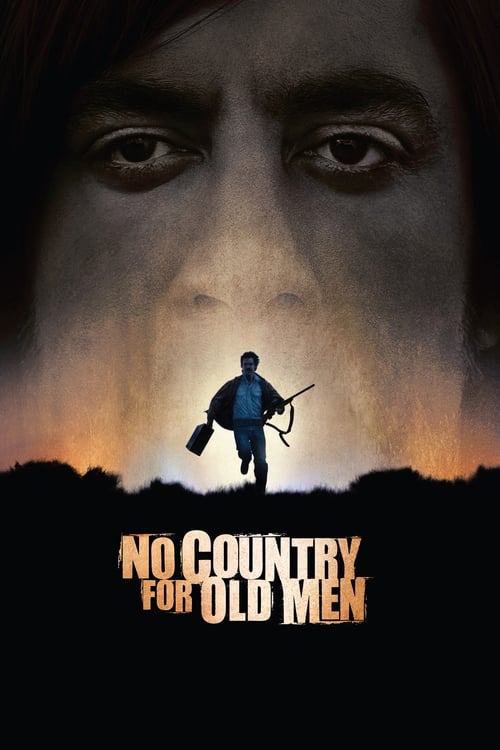
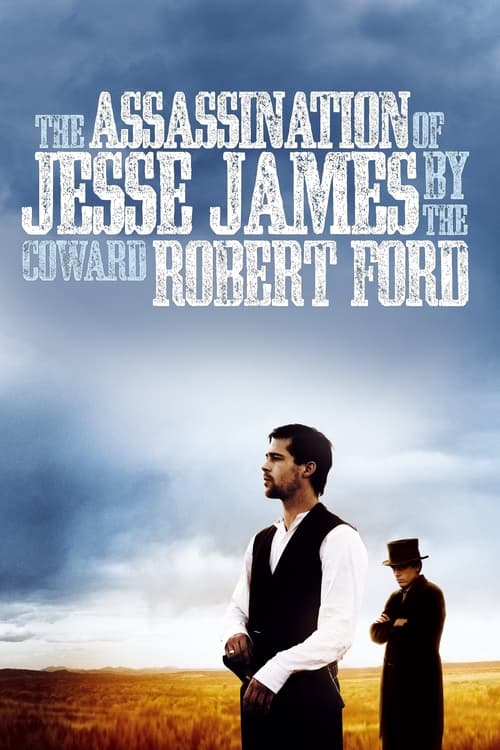
One cannot discuss No Country for Old Men without first acknowledging its vast, desolate canvas. Shot by the unparalleled Roger Deakins, the film’s West Texas setting isn't just a backdrop; it’s an active participant, a character unto itself. Deakins’ cinematography strips the landscape bare, rendering it in tones of dust, blood, and sky that evoke a profound sense of isolation and inevitability. Every frame feels meticulously composed, an exercise in stark beauty that mirrors Cormac McCarthy's sparse, poetic prose. The wide-open spaces, often presented in haunting twilight or golden hour, feel less like freedom and more like an arena where human struggle is rendered insignificant. This isn't the romanticized West of John Ford; it’s a parched, unforgiving land where the ghosts of both the frontier and the modern world collide. The Coens, with Deakins, transform the genre, leaning into the bleak existentialism that also defined a film like Andrew Dominik’s equally magnificent but visually distinct The Assassination of Jesse James by the Coward Robert Ford (2007) in the same year. While Dominik’s film was a painterly elegy, the Coens' vision is a hammer blow.
The Silence and the Scythe
Perhaps the most radical and effective choice the Coens made was the near absence of a traditional musical score. This decision, as bold as it was brilliant, allows the ambient sounds of the environment—the wind, the crunch of footsteps on gravel, the chilling hiss of a captive bolt pistol—to take center stage. This auditory starkness amplifies the tension to an almost unbearable degree, particularly in the scenes featuring Anton Chigurh. Javier Bardem’s performance as Chigurh isn't merely menacing; it’s an iconic embodiment of pure, unreasoning evil. He moves with the methodical precision of a force of nature, not a man. As Pauline Kael might have observed, Chigurh is less a villain and more a walking philosophy, a relentless, unfeeling agent of chaos whose actions are as senseless as they are absolute. His presence, whether unseen or fully manifest, infiltrates every moment of the film, proving that true terror often stems from a void of explanation rather than an excess of motive. It's a performance that stands shoulder to shoulder with cinema's most memorable monsters, a testament to Bardem's chilling commitment and the Coens' unflinching direction.
Beyond Good and Evil
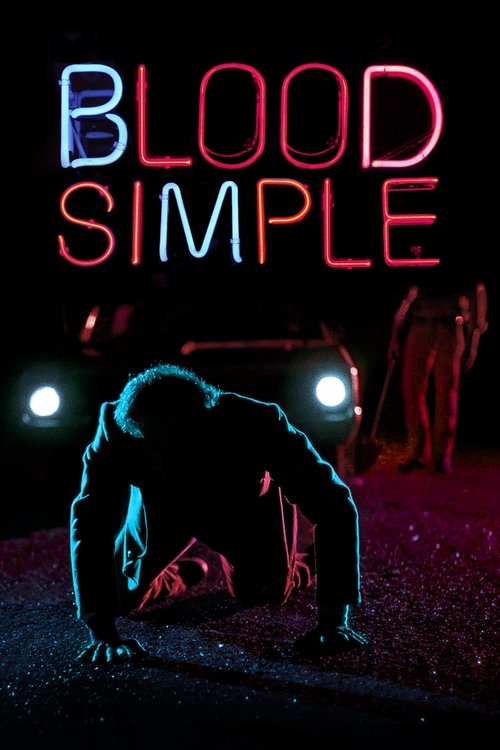
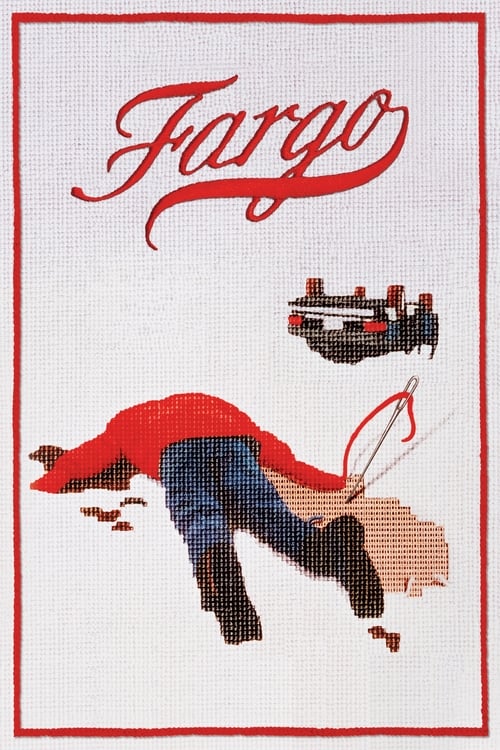
What truly elevates No Country for Old Men beyond a mere cat-and-mouse thriller is its unwavering exploration of profound themes. Sheriff Ed Tom Bell, portrayed with weary grace by Tommy Lee Jones, serves as the audience’s moral compass, a man trying to make sense of a world that has outpaced his understanding of decency and order. His monologues, drawn directly from McCarthy’s novel, are laments for a bygone era, for a country that he feels has lost its way. The film questions the very nature of justice and the futility of resistance against an indifferent universe. Just as they did with the quirky criminal enterprise in Fargo (1996) or the desperate consequences of greed in Blood Simple (1984), the Coens here dismantle the conventions of the genre to deliver something far more resonant. They offer no easy answers, no tidy resolutions. The film’s ending, famously ambiguous and deeply unsettling, refuses to provide the catharsis audiences often crave. Instead, it forces a prolonged contemplation of the themes—the randomness of violence, the burden of moral choice, the inevitability of fate. It challenges us to look beyond the surface thrill and confront the unsettling truths of human existence.
For a film to persist in the cultural consciousness for this long, it must offer more than just entertainment. No Country for Old Men is a haunting, visceral experience that grapples with timeless questions. It is a monumental achievement in craft and storytelling, a modern classic that confirms the Coens’ status as singular American auteurs. And it matters today precisely because the questions it raises about morality, violence, and the inescapable tide of change remain as pertinent and unsettling as they were the day it premiered.
