
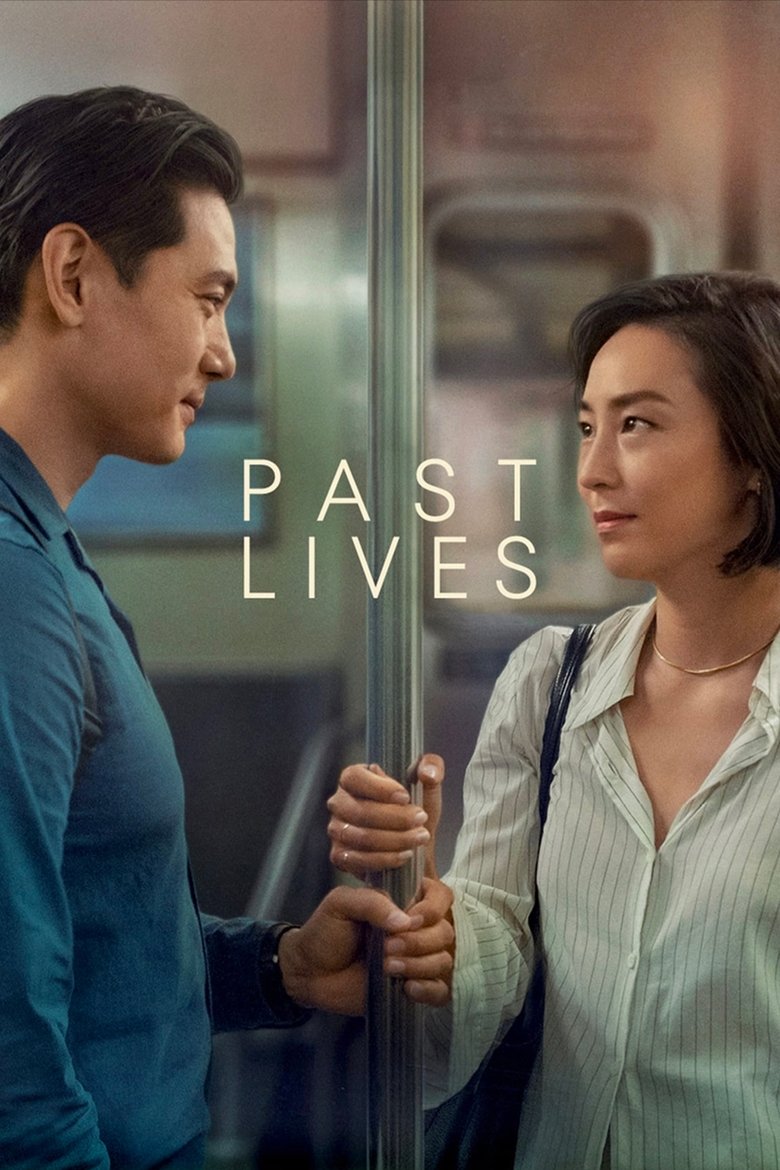
In an era often dominated by cinematic spectacle and the relentless pursuit of scale, it is a rare and vital thing to encounter a filmmaker whose voice is so distinctly etched in the intimate, the profoundly personal. Celine Song, with just two features to her name, has already laid claim to a particular cinematic territory: the quiet devastations of human choice, the phantom pains of paths not taken, and the crushing weight of unspoken affection.
From the tender, yearning beauty of Past Lives (2023) to the sharp-edged, brittle elegance of Materialists (2025), Song establishes a narrative grammar built on what is left unsaid, on the subtle shifts in gaze, and the profound implications of a shared silence. This is not the cinema of grand gestures, but of the granular, where the universe of a relationship can be contained within a single, pregnant pause.

The Melancholy Architecture of Past Lives
The brilliance of Past Lives lies in its exquisite understanding of in-yeon, the Korean concept of fated connection, and how it is both a solace and a torment. Song’s direction, particularly in the film’s masterful final act, is a clinic in emotional precision. Consider the scene where Nora, Hae Sung, and Arthur sit together at the bar. The dialogue is restrained, almost polite, but Song’s framing tells the true story. We are given the perspectives of all three, but the sustained shots on Hae Sung’s face, registering every nuance of Nora’s connection with her husband, are almost unbearably poignant. The quiet hum of the bar becomes a suffocating drone, amplifying the vast chasm between his enduring love and the life Nora has built. It’s a moment of profound, quiet heartbreak, orchestrated with surgical precision, proving that true drama often resides not in what characters say, but in what they bravely, agonizingly withhold.
The Brutal Candor of Materialists
With Materialists, Song takes a stylistic pivot while retaining her core thematic concerns. Gone is the gentle pace of Past Lives; in its place is a rapid-fire, almost theatrical rhythm that still scrutinizes the delicate mechanics of connection and disconnection. Here, the choices are immediate, often mercenary, and spoken aloud with a bracing, almost uncomfortable honesty. The film’s central trio navigates a transactional world of love, sex, and ambition, and Song’s direction mirrors this with a dynamic energy that feels both fresh and acutely observed. She uses the tight spaces of apartments and bars to create a claustrophobic intimacy, forcing her characters into brutal candor. One particular scene, an argument conducted entirely over text messages projected on screen while the actors' faces register every digital pause, is a striking evolution of cinematic dialogue, illustrating how modern communication both connects and alienates with equal force.
A Voice of Empathy and Specificity
What unites these two disparate films, beyond Song’s singular focus on the architecture of human relationships, is her profound empathy. Even when characters make flawed, sometimes cruel, decisions, Song never judges. She merely presents the emotional landscape, allowing us, the audience, to inhabit the ambiguities and feel the reverberations. Her films are not just about the choices made, but about the lives left unlived because of them, the ghost selves that linger at the edges of our present. It’s a sophistication reminiscent of Richard Linklater’s early work, particularly Before Sunrise (1995), in its conversational naturalism, but Song adds a layer of existential melancholy that is entirely her own.

Celine Song’s burgeoning filmography suggests a director working with rare emotional intelligence and a willingness to explore the most fragile corners of the human heart. She has already established herself as an essential voice, proving that the most powerful cinema often isn't the loudest, but the most acutely, painfully observant. I eagerly await where her choices will lead us next.

![Outlander: Seasons 1–5 [Blu-ray]](https://m.media-amazon.com/images/I/71tlWlGdBpL._SL1001_.jpg)


