
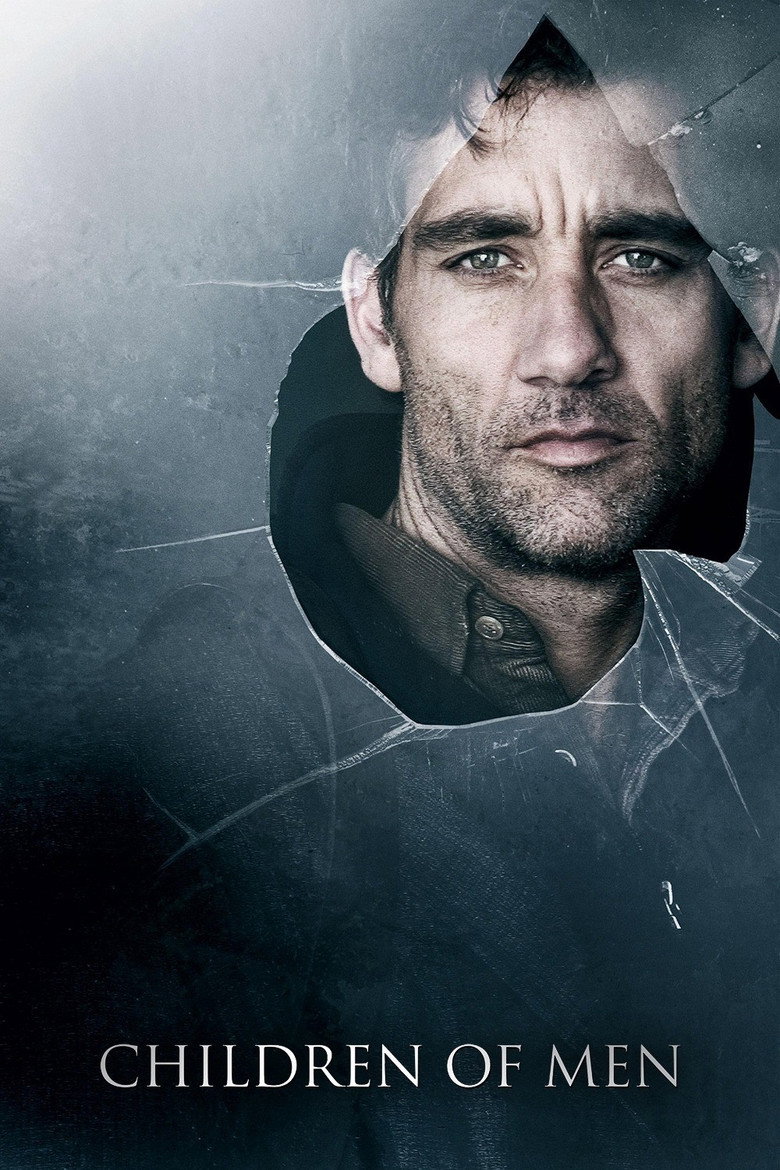
It’s rare for a film to become more potent with each passing year, its fictional anxieties morphing into uncomfortable echoes of reality. Alfonso Cuarón’s Children of Men, released nearly two decades ago, isn't just one such film; it's a chilling prophecy that continues to resonate with frightening precision. From the moment the film opens on the news of the world's youngest person dying, the audience is plunged into a future devoid of hope, a meticulously crafted dystopia that feels less like science fiction and more like a dire premonition.
I remember seeing this film in late 2006, marveling at its technical audacity, but its true power has only unfurled itself in the years since. In an era saturated with grim blockbusters, Children of Men stands apart by refusing to offer easy answers or cheap sentimentality. It presents a world grappling with infertility, mass migration, and systemic breakdown, where the veneer of civilization is thin and crumbling. The despair is palpable, yet Cuarón somehow threads a needle of profound humanism through its bleakest moments. It’s a remarkable feat of storytelling, a masterclass in how to build a world that is both utterly alien and tragically familiar.
The Craft of Despair
To discuss Children of Men without immediately diving into the cinematography of Emmanuel Lubezki would be an oversight bordering on negligence. Lubezki, a frequent collaborator with Cuarón, achieved something monumental here, pushing the boundaries of immersive filmmaking. His long, unbroken takes are not mere technical showmanship; they are integral to the film's relentless tension and unflinching realism. We are not just observing Theo Faron’s (Clive Owen) journey; we are right there beside him, suffocating in the same dust, ducking the same bullets.
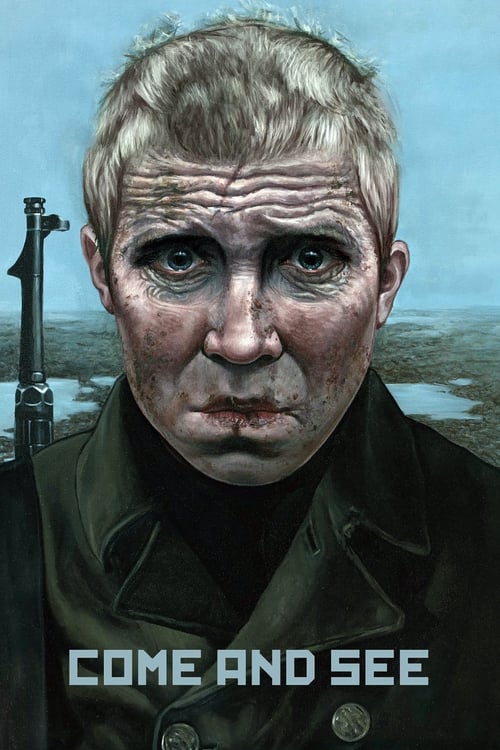
Consider the infamous car ambush scene, a single take lasting over four minutes, where chaos erupts inside a moving vehicle. The camera pivots, ducks, and weaves with an impossible grace, capturing every jarring impact and desperate reaction. There are no cuts to relieve the pressure, no convenient edits to smooth over the brutality. It’s an act of cinematic daring that few directors would even attempt, let alone execute with such surgical precision. Lubezki and Cuarón don't just show us violence; they make us feel its unedited, visceral horror. One might argue its commitment to continuous, unvarnished reality rivals even the grim intensity of Elem Klimov's Come and See.
A World Without Children, A Future Without Hope
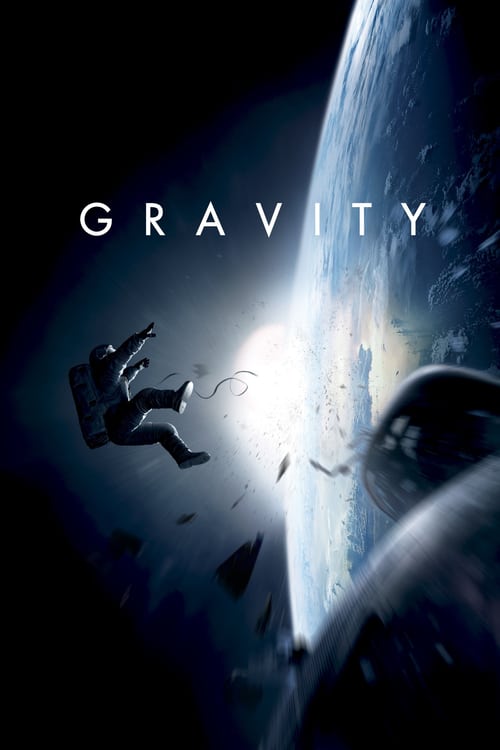
The film’s central premise—humanity’s inexplicable inability to reproduce—is the ultimate ticking clock, casting a long shadow over every frame. This isn't just a plot device; it's a thematic anchor that explores the very essence of human existence and legacy. How do societies function when there is no future generation to inherit them? How do individuals cope when their hope for the future is extinguished? Cuarón, who would later explore themes of isolation and survival in the void of space with Gravity, and the intimate expanse of memory in Roma, brings a singular focus to these questions. He populates his decaying world with characters who are both broken and resilient, from Julianne Moore’s revolutionary Kee to Michael Caine’s philosophical, pot-growing hippy. Clive Owen’s performance, in particular, anchors the film, a cynical everyman slowly reawakened to a flickering ember of hope.

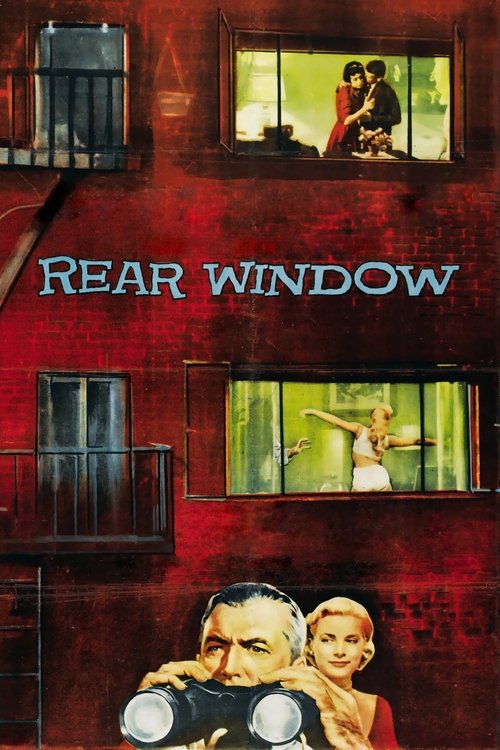
What’s truly striking is how the film uses minimal exposition. Instead, it builds its world through visual cues: caged refugees, propaganda posters, derelict cities, and the omnipresent, mournful silence where children’s laughter should be. Like Hitchcock’s masterful use of restricted point-of-view in Rear Window, Cuarón subtly immerses us without resorting to heavy-handed monologues or news reports. The narrative unfolds with an urgency that mirrors Theo's desperate mission, pushing him through a gauntlet of bureaucratic indifference, brutal militias, and the constant threat of starvation.
Its Unsettling Legacy
Nearly two decades on, Children of Men feels less like a fantastical extrapolation and more like a stark mirror held up to our present. The themes of global migration, environmental decay, political extremism, and societal division are not just background noise; they are the very fabric of our contemporary anxieties. The film predicted a future where borders harden, where humanity turns on itself in a desperate scramble for diminishing resources and dwindling hope. It depicted a world where the idea of a shared future seems almost impossible, a sentiment echoed daily in our news cycles.
Cuarón, who previously demonstrated his knack for blending social commentary with compelling narrative in films like Y tu mamá también, elevates Children of Men beyond mere entertainment. It’s a work of profound social commentary, delivered with astonishing craft. Even Lubezki's later Oscar-winning efforts on Birdman or (The Unexpected Virtue of Ignorance), while technically brilliant, never quite matched the sustained, harrowing immersion achieved here. Children of Men is not just a film I recommend; it's one I consider essential viewing, a stark, beautiful, and deeply human cinematic experience that, against all odds, finds glimmers of light in the darkest corners of a dying world. It's a testament to cinema's power not just to entertain, but to warn.



![Outlander: Seasons 1–5 [Blu-ray]](https://m.media-amazon.com/images/I/71tlWlGdBpL._SL1001_.jpg)


