Anya Sharma’s latest, Chrono-Echoes, is a beautiful, confounding beast of a film, a cinematic puzzle box that demands — and largely rewards — an audience's full intellectual and emotional engagement. It is not an easy watch, by any measure, but its ambition and visual artistry elevate it far beyond the typical genre fare, posing profound questions about identity, memory, and the very fabric of time itself.
Sharma, known for her intricate narratives and stunning visual language, has taken a significant leap from her independent roots, and the results are mostly exhilarating. This is a film that bravely pushes against the prevailing currents of blockbuster simplicity, offering a textured, often disorienting experience that echoes the likes of Kubrick and Tarkovsky, rather than the safe, familiar patterns of modern franchise cinema. It’s a film that demands discussion, the kind Korie and I will be dissecting for weeks to come.
The Lure of the Unseen Architecture
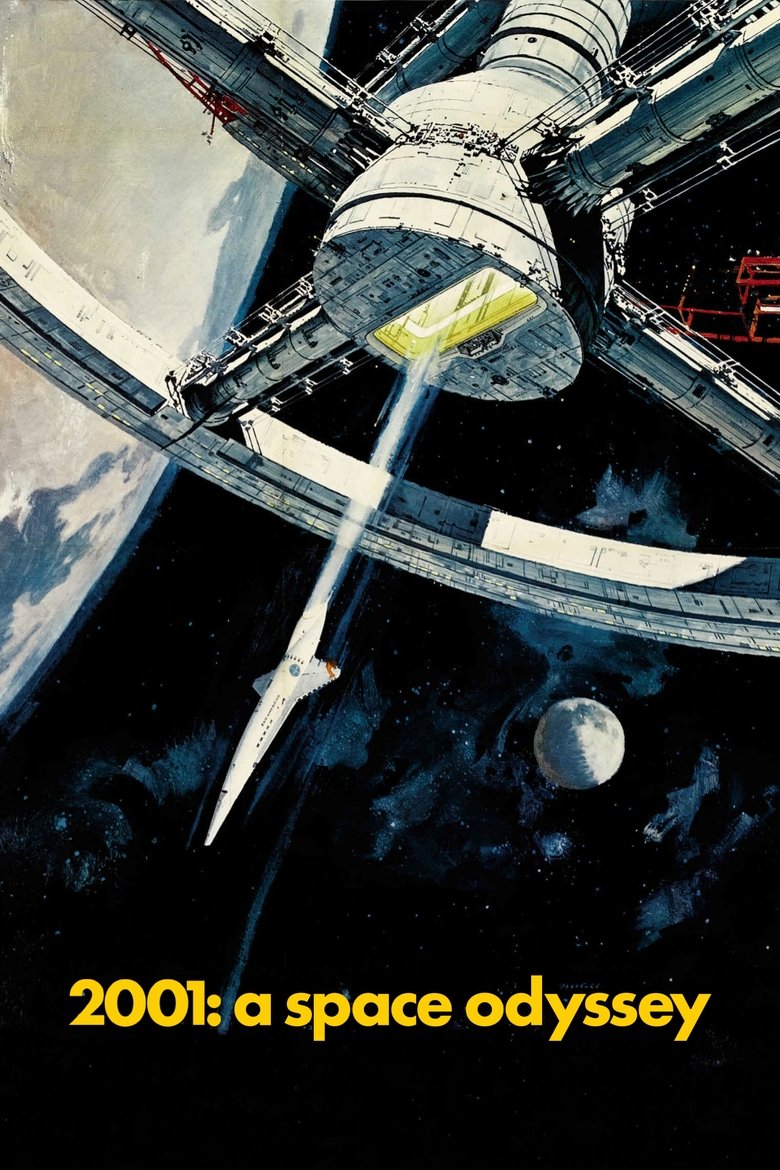
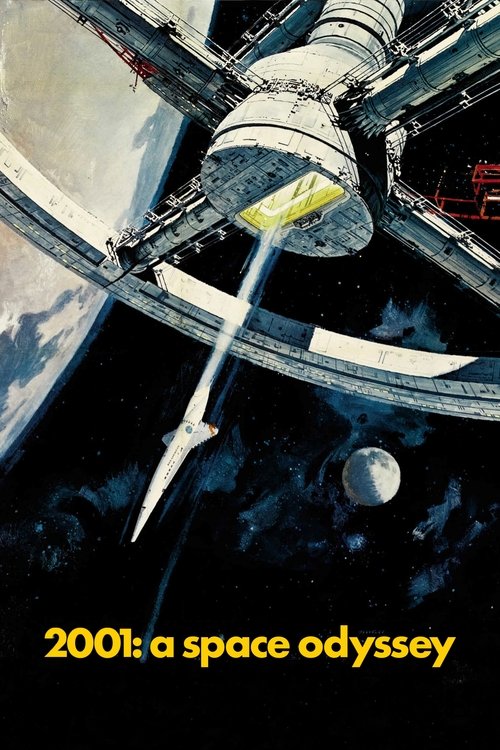
From its opening frames, Chrono-Echoes announces its visual authority. Cinematographer Elara Vance (no relation to Korie, thankfully, but a name to remember) crafts a world that feels both futuristic and unsettlingly organic. The film eschews the sleek, sterile aesthetic often associated with sci-fi for something more granular, more tactile. Vance’s camera lingers on details, on the subtle distortions of light and reflection that mirror the film’s thematic concerns. There are sequences here, particularly one involving a fragmented memory palace, that feel as meticulously composed and psychologically resonant as anything in 2001: A Space Odyssey. Sharma and Vance understand that the horror of the unknown is often more potent than explicit spectacle, and they wield that understanding with surgical precision.
The film’s production design, under the masterful eye of Kai Petersen, is similarly breathtaking. The decaying grandeur of its memory facilities and the disorienting, non-linear architecture of its central premise create a palpable sense of unease and wonder. It’s a bold artistic statement that reinforces the narrative without ever overpowering it. This is world-building through implication and atmosphere, rather than expository dialogue dumps.
Performances in the Labyrinth
At the core of this cerebral narrative are a series of compelling performances that anchor its philosophical explorations. Dr. Aris Thorne, played with quiet intensity by Julian Vance, is a particularly standout. Thorne's struggle with his own fragmented past, his desperate attempts to piece together the temporal inconsistencies that plague him, is portrayed with a nuanced vulnerability that prevents the character from becoming merely a narrative device. Vance makes us feel the internal chaos beneath the scientist's stoic exterior, embodying the film's central question: what remains of us when our memories betray us?
Equally powerful is the supporting turn from Lena Khan as Dr. Evelyn Reed, Thorne's colleague and reluctant confidante. Khan brings a much-needed grounding presence, her skepticism and methodical approach providing a counterpoint to Thorne's spiraling obsession. Their interactions, often fraught with unspoken tension and intellectual sparring, are critical to the film's dramatic weight. Brian, the young filmmaker I know, would likely point to how these character interactions through the timeline are pivotal, not just for plot, but for our connection to the otherwise abstract concepts.
An Industry's Daring Gambit
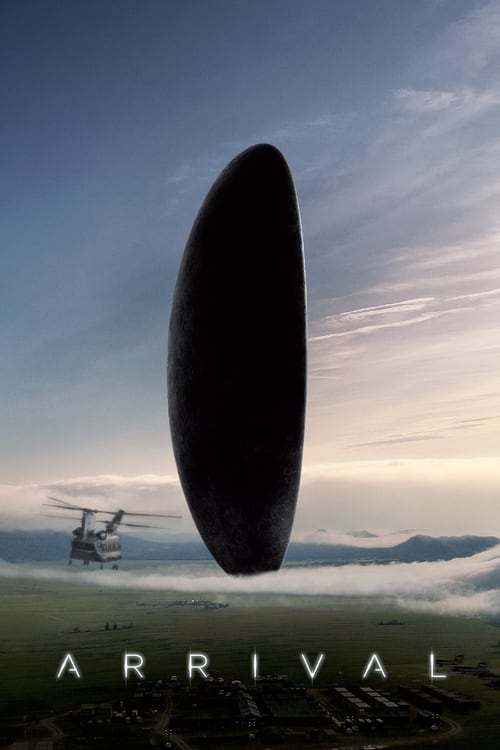
Chrono-Echoes is, in many ways, an industry gamble. In an era dominated by established intellectual property and safe bets, a film of this scope and complexity is a welcome anomaly. It’s a testament to Sharma’s growing directorial clout that she was given the resources to realize such an expansive and challenging vision. The studio, to its credit, has largely allowed her to craft a film that prioritizes thematic depth over immediate accessibility. This is a film that will benefit from repeat viewings, much like Blade Runner or Arrival, slowly revealing its layers and rewards.
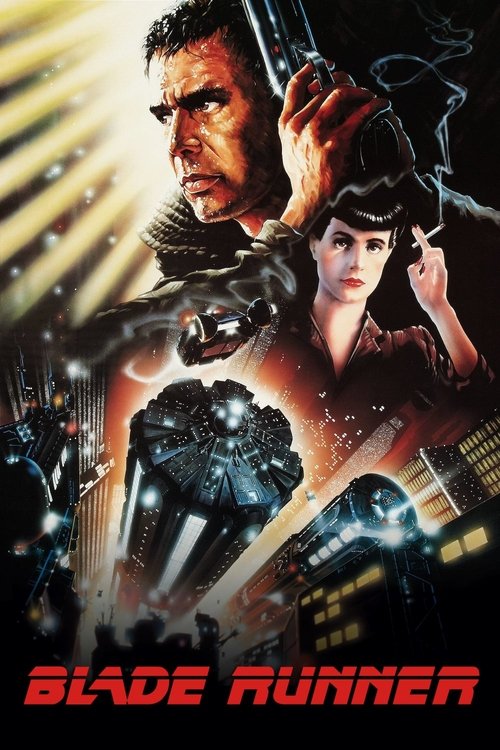
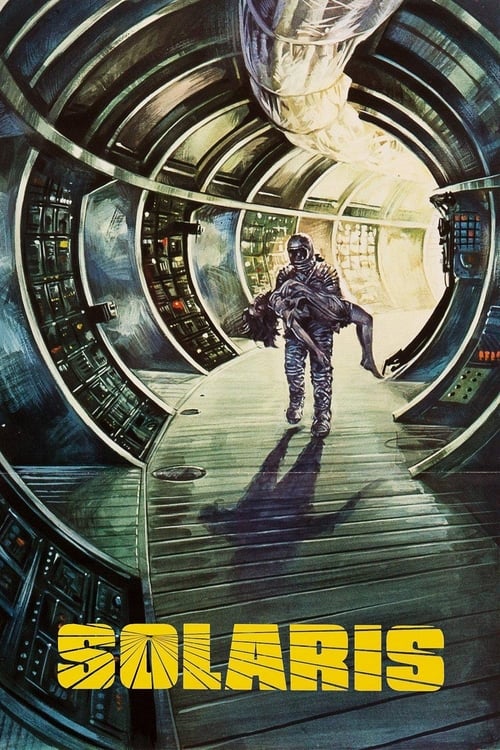
While the film’s deliberately enigmatic structure might frustrate some, I find its refusal to spoon-feed answers refreshing. It demands that the audience actively participate in the act of storytelling, piecing together fragments, speculating on possibilities. This is cinema that respects its viewer’s intelligence, inviting them into a dialogue rather than simply delivering a monologue. Some might criticize its pacing, arguing it prioritizes mood over momentum, and Korie might rightfully point out that some of the more abstract sequences could alienate a broader audience, but I argue that this deliberate slowness is essential to its meditative quality, much like Tarkovsky's Solaris.
Chrono-Echoes is a formidable achievement, a film that doesn't just ask big questions but dares to leave them open-ended. It’s a challenging, occasionally frustrating, but ultimately essential piece of modern science fiction that reminds us of cinema's power to provoke, to mesmerize, and to leave an indelible mark on the mind long after the credits roll.
![Outlander: Seasons 1–5 [Blu-ray]](https://m.media-amazon.com/images/I/71tlWlGdBpL._SL1001_.jpg)