

When we talk about the architecture of a cinematic world, too often we focus on production design or directorial vision alone, overlooking the essential truth: it is the cinematographer who translates that vision into light, shadow, and color, breathing life into every frame. And in the case of Denis Villeneuve's Blade Runner 2049 (2017), the work of Roger Deakins stands not just as an accomplishment, but as a monumental statement on the power of visual storytelling. This isn't just a beautifully shot film; it's a film whose very narrative, its thematic weight, and the profound journey of its protagonist, K, are inextricably bound to Deakins' lens.

A World Forged in Light and Despair
From the opening shot, a stark, bleached-out landscape under an unforgiving sun, Deakins establishes the film’s desolate tone. He doesn't just show us a future; he makes us feel its oppressive weight. The color palette of Blade Runner 2049 is a masterclass in mood. We move from the sterile, desaturated grays and blues of the LAPD headquarters, reflecting K's own clinical and isolated existence, to the sickly, apocalyptic orange-yellows of the abandoned Las Vegas, where humanity's remnants wither. Every choice of light and hue serves to underscore the environmental decay and the existential ennui of the characters. We see K, a synthetic being grappling with what it means to be real, dwarfed by these vast, unforgiving environments. Deakins consistently uses extreme wide shots to emphasize his solitude, making K a small figure against immense, often crumbling backdrops, visually articulating his struggle for identity within a world that sees him as disposable.
Framing Identity: K's Internal Landscape
What truly elevates Deakins' work here is how intimately it serves the character. K's journey from obedient replicant to a being questioning his own past is told as much through his visual presentation as through Ryan Gosling's nuanced performance. Consider the scenes with Joi, K's holographic companion. Deakins uses distinct, often ethereal lighting for Joi, making her feel both present and impossibly distant. He often frames K and Joi with reflections and digital overlays, blurring the line between physical and virtual reality, mirroring K's own struggle with authenticity. In the orphanage scene, for instance, the hard, almost clinical lighting and the sterile composition reflect the harsh truths K is uncovering. Compare this to the intimate, low-key lighting in his apartment, highlighting the fragile humanity he attempts to cultivate with Joi. These are not just aesthetic choices; they are psychological insights, showing us K's internal landscape and the nature of his interactions with those around him, whether real or imagined.
The Canon of Light: Echoes and Innovations
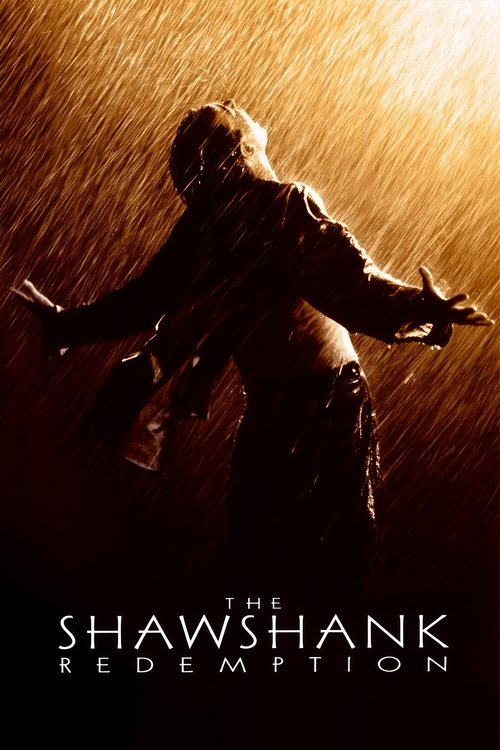
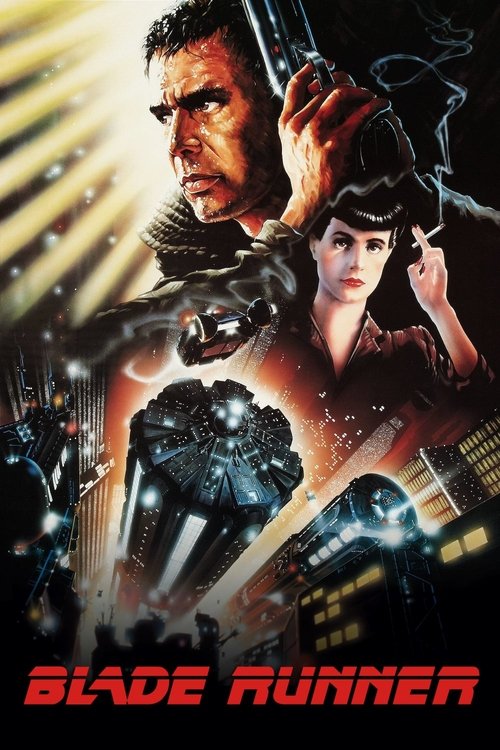
Deakins, of course, isn't working in a vacuum. He respectfully acknowledges the noir-infused shadows of Ridley Scott's original Blade Runner (1982) while pushing the visual language forward. The neon-drenched, rain-slicked streets are still there, but now interspersed with blinding, almost painful shafts of light slicing through the perpetual gloom, creating dynamic compositions that are both beautiful and unsettling. Deakins, known for his ability to find the perfect light in any circumstance, whether it's the stark naturalism of Sicario (2015) or the muted dread of No Country for Old Men (2007), brings a profound sense of naturalism to even the most alien future. His commitment to practical lighting and his innovative use of LED panels allowed him to create a world that felt both alien and tactile. The visual effects are seamless because they are grounded in a meticulously crafted physical reality, a testament to his understanding of light as a narrative tool. One can see glimpses of his early career's stark elegance, like in The Shawshank Redemption (1994), transposed onto a monumental scale here.


A Legacy Illuminated
Blade Runner 2049 is a triumph of sustained visual artistry, a film that demonstrates unequivocally how cinematography can be as vital to storytelling as script or performance. Deakins’ Oscar-winning work here is not merely a collection of stunning images; it is the very canvas upon which K's agonizing quest for purpose is painted. It’s a masterclass in using every element of the visual frame—light, shadow, color, composition—to deepen character, advance theme, and immerse the viewer in a future that feels both distant and eerily possible. This film, alongside his later single-take marvel 1917 (2019), cements Deakins' legacy as one of the true titans of the craft, someone who never settles for mere prettiness, but always strives for profound meaning within the image. His light illuminates not just the scene, but the very soul of the story.


![Outlander: Seasons 1–5 [Blu-ray]](https://m.media-amazon.com/images/I/71tlWlGdBpL._SL1001_.jpg)


