

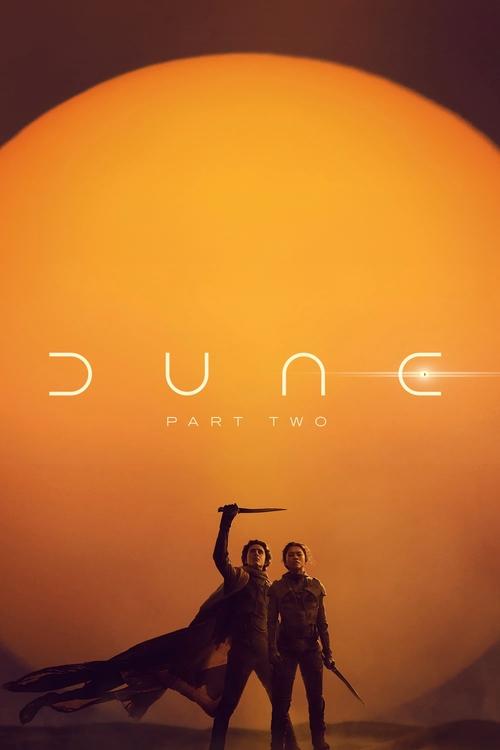
There are directors who make big films, and then there are directors who make films that feel *big*. Denis Villeneuve belongs squarely in the latter category, and with each successive project, he cements his place as a master architect of cinematic scale. I'm not just talking about budget or visual effects, but an innate understanding of how to make an audience feel the immense weight and indifference of the universe around his characters, most recently and brilliantly showcased in Dune: Part Two.
The Weight of Worlds
From the first lingering shot of Arrival’s alien craft hovering ominously above a pastoral field, or the sprawling, dust-choked future of Blade Runner 2049, Villeneuve has demonstrated a unique visual language for immensity. His cinematographer, Greig Fraser, has been an indispensable partner in this endeavor, particularly across the Dune saga. Together, they create landscapes that aren’t merely backdrops but active participants in the drama. In Dune: Part Two, the deserts of Arrakis are not just sand; they are an ocean of colossal, indifferent force. The Spice, the worms, the sheer scale of the Imperial structures – all conspire to make humanity feel like a mere speck. This isn't just spectacle; it's a deliberate choice to externalize the internal struggle. Paul Atreides’ destiny isn't just about his choices; it's about his struggle against an overwhelming tide that would consume him.


Silence and Subterranean Rumbles
It’s a peculiar thing, but in Villeneuve’s most expansive films, it’s often the absence of sound that strikes hardest. Or, more accurately, the meticulous sculpting of sound. Hans Zimmer’s scores for Dune: Part Two and Blade Runner 2049 are less traditional melodies and more primal sonic textures, a constant hum of dread and wonder. But consider the moments of absolute silence: the vast emptiness of space, the breathless anticipation before a worm ride, the hushed awe of encountering something truly alien. These silences don't just create tension; they force the audience to lean in, to feel the space, to confront the enormity of what's unfolding. It's a testament to Villeneuve's precision that he knows exactly when to let the soundscape speak volumes and when to let the sheer visual scale absorb us completely. He understands, as Roger Ebert often observed, that film is not just about what you show, but what you *make* the audience feel.
Existential Humanity in the Immense
What truly elevates Villeneuve’s work beyond mere spectacle is his unwavering focus on the human element, however dwarfed it may be. Amy Adams’ quiet resolve in Arrival, Ryan Gosling’s melancholic search for identity in Blade Runner 2049, and Timothée Chalamet’s tortured ascent to messiah in Dune: Part Two – these are characters grappling with forces far larger than themselves. They are isolated, often overwhelmed, searching for meaning and connection in worlds that seem designed to deny both. Villeneuve never lets the grandiosity overshadow the personal cost. He's exploring themes of choice, destiny, power, and sacrifice with an intelligence that often feels rare in contemporary blockbusters. Even in the relentless tension of Sicario, the ethical quandaries faced by Emily Blunt’s Kate Macer are paramount, showing this commitment to interiority even in his earlier, more terrestrial thrillers.

A Master of Modern Epic
From the raw, emotional power of Incendies to the staggering ambition of his science fiction epics, Villeneuve’s filmography showcases a consistent thematic thread: individuals confronting overwhelming systems, whether they be familial trauma, geopolitical conflict, or the vastness of the cosmos. He has a rare ability to infuse blockbuster aesthetics with genuine philosophical weight, creating films that are as intellectually stimulating as they are visually arresting. He doesn’t apologize for his scale; he embraces it as a means to explore deeper questions about what it means to be human in an increasingly complex and indifferent universe. For that, he deserves our continued attention and admiration.


![Outlander: Seasons 1–5 [Blu-ray]](https://m.media-amazon.com/images/I/71tlWlGdBpL._SL1001_.jpg)


