

There are filmmakers whose work expands the very definition of what cinema can achieve, not just in spectacle, but in its capacity to provoke profound thought. Denis Villeneuve is undeniably one such artist, a director whose ascension from compelling indie thrillers to breathtaking science fiction epics has been nothing short of extraordinary. He commands the frame with an almost surgical precision, crafting worlds that feel simultaneously alien and intimately human.
The Ascent of a Visionary
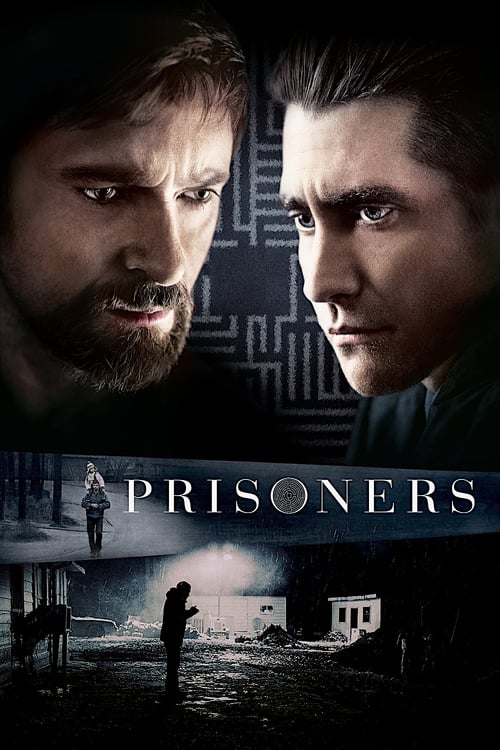
Villeneuve's journey began to garner international attention with films like Incendies (2010), a harrowing family saga that announced his command of complex narrative and emotional depth. But it was his pivot to American thrillers that truly solidified his distinctive style. Prisoners (2013) was a masterclass in suffocating tension, shot with a chilling elegance by Roger Deakins, whose collaboration with Villeneuve would continue to define much of his subsequent work. The film’s muted palette and relentless pacing became hallmarks, exploring moral ambiguities in ways that reminded me of early Sidney Lumet, a director unafraid to expose the dark underbelly of human nature.

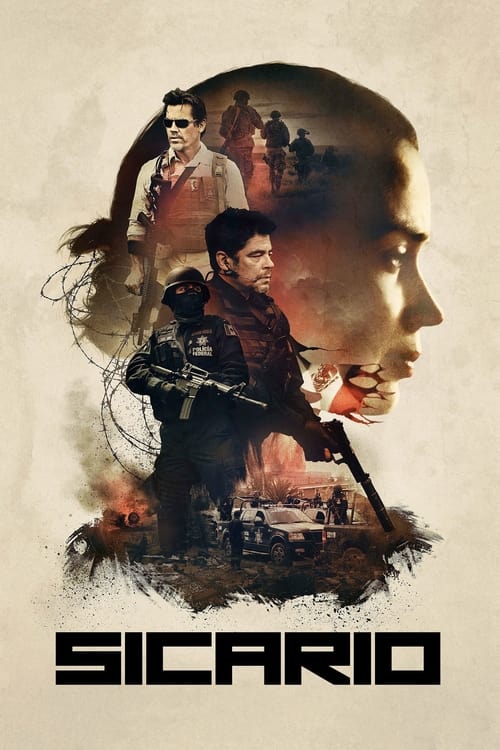
Then came Sicario (2015), a brutal, mesmerizing descent into the abyss of the drug war. Here, Villeneuve’s control over atmosphere and sound design became paramount. The border crossing scene, with its ballet of slow-motion violence and pulsating score, is a visceral experience that still rattles me when I revisit it. It's a sequence that Pauline Kael, I imagine, would have lauded for its audacious sensory assault — cinema not just observed, but felt in the gut.
Crafting the Unseen and the Unknowable
What truly sets Villeneuve apart is his uncanny ability to render the abstract tangible, to give form to the formless. His narratives frequently grapple with themes of communication, perception, and our often-fragile place in the universe. This is perhaps best exemplified in Arrival (2016), a film that I believe will stand as a touchstone in cerebral science fiction for generations. Working with Bradford Young, Villeneuve created visuals that were simultaneously majestic and intimate, giving weight to every unspoken glance and every profound realization. The film doesn't just ask us to suspend disbelief; it asks us to re-evaluate our entire understanding of time and language.
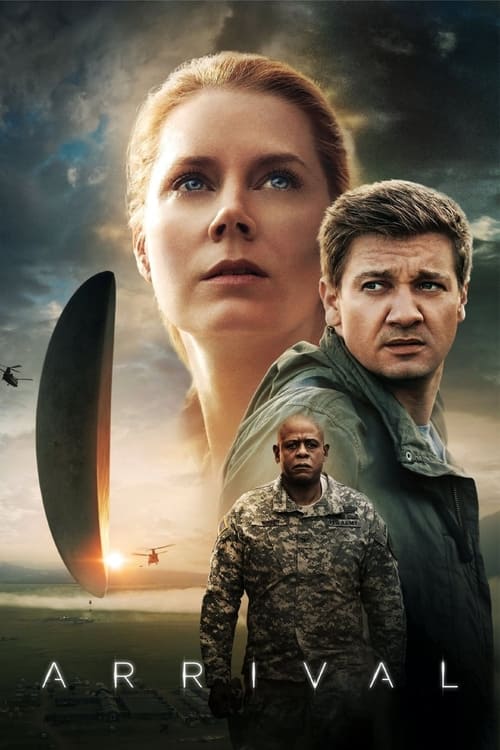
He has a gift for making the unseen as frightening as the seen, a trait that permeates his work, whether it’s the existential dread of deciphering alien ideograms or the looming threat in the shadows of a cartel safe house. It's a directorial choice that consistently elevates his genre exercises into something more profound.
Science Fiction's New Classicist
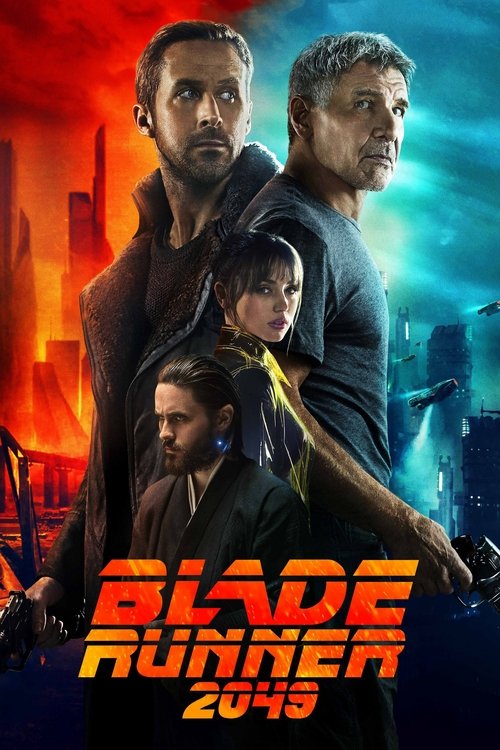
Villeneuve's foray into large-scale science fiction with Blade Runner 2049 (2017) and the Dune saga (2021, 2024) cemented his status as a major cinematic force. With Blade Runner 2049, he accomplished the near-impossible: a sequel that not only honored but expanded upon a beloved classic, delivering a visually stunning, philosophically dense continuation. The sheer scale and meticulous detail in every frame were staggering, again thanks to Deakins's inimitable eye.
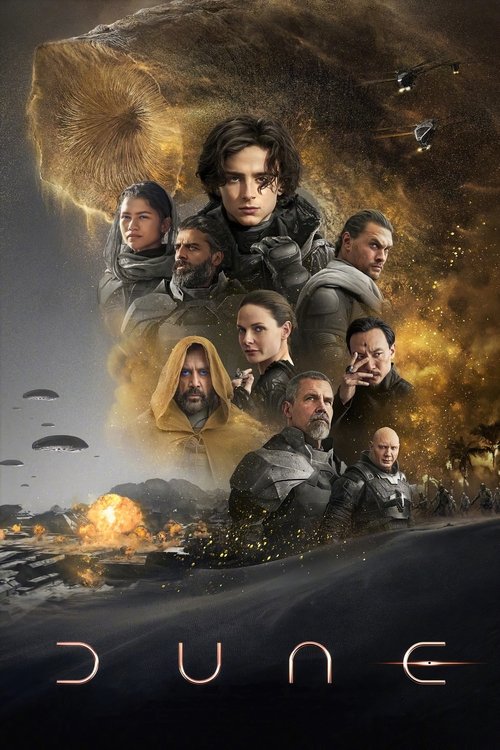
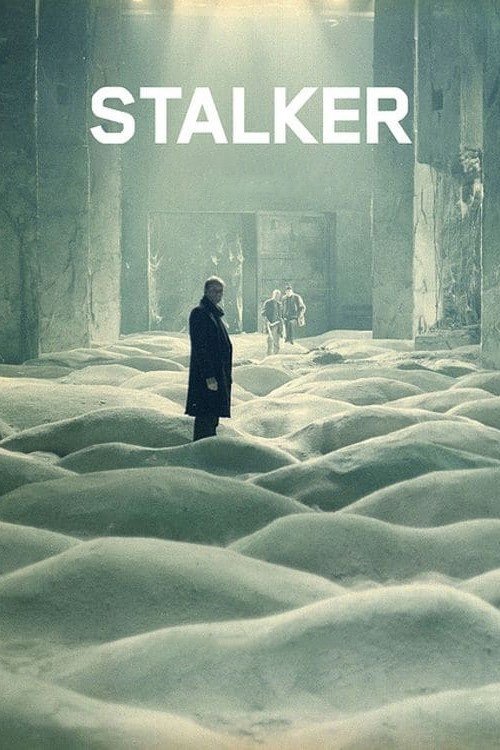
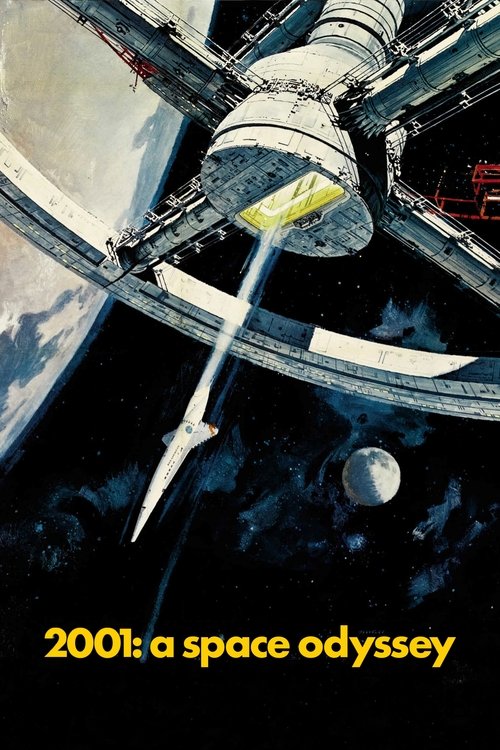
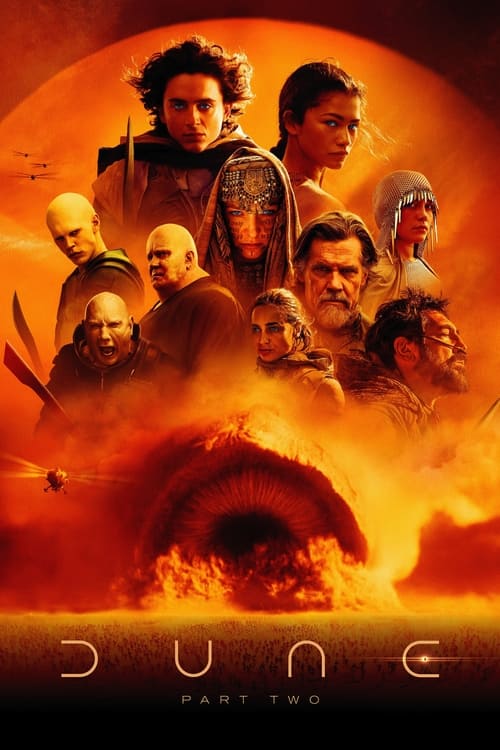
And then there is Dune. What Frank Herbert's novel did for literature, Villeneuve has done for the screen. He has taken an intricate, sprawling saga and delivered it with a reverence and cinematic scope that few contemporary directors could achieve. From the oppressive grandeur of Arrakis to the chilling political machinations, he immerses us entirely. These are films that demand the biggest screen, the most pristine sound system, because every element — from the thrum of a 'thopter to the whisper of the desert wind — is meticulously crafted to transport you. He reminds me of the bold vision of Stanley Kubrick with 2001: A Space Odyssey (1968) or the spiritual weight of Andrei Tarkovsky in Stalker (1979), using genre as a vehicle for grand philosophical inquiry.
The Human Element Amidst the Vast
Despite the epic canvases and often bleak outlooks, Villeneuve never loses sight of the human element. His characters are often isolated, burdened by fate or circumstance, but their internal struggles are always at the core. Consider the quiet stoicism of Ryan Gosling's K in Blade Runner 2049 or the reluctant heroism of Timothée Chalamet's Paul Atreides in Dune: Part Two; their performances anchor these vast worlds. Villeneuve understands that even amidst the most stunning visual effects, it is the emotional resonance that ultimately binds an audience to the narrative.
Denis Villeneuve is not simply making movies; he is building temples to the sublime, challenging us to look beyond the immediate and consider the profound. His filmography is a testament to the power of unwavering vision and meticulous craft, assuring his place as one of the most significant directors working today. And frankly, the man understands that sometimes, the quietest moment speaks the loudest. What he will turn his lens to next is, for me, one of the most exciting questions in cinema.

![Outlander: Seasons 1–5 [Blu-ray]](https://m.media-amazon.com/images/I/71tlWlGdBpL._SL1001_.jpg)


