

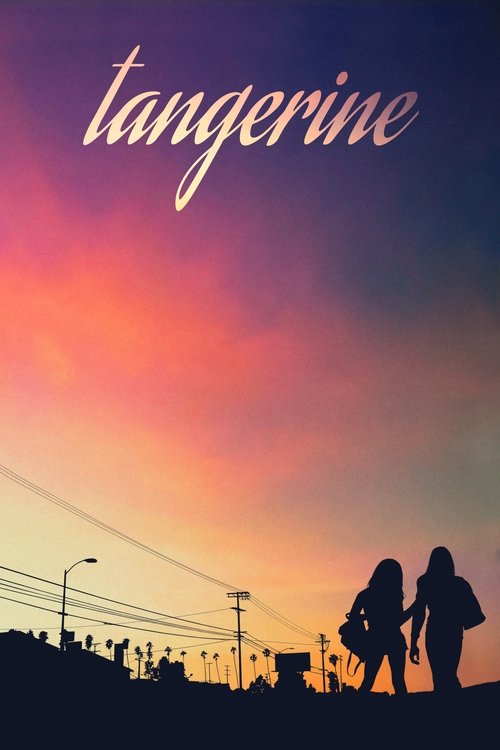
Sean Baker’s Anora doesn’t merely kick down the door; it obliterates it with a sledgehammer, leaving you to sift through the beautiful, chaotic debris. This is cinema as a contact sport, a two-hour-plus rush that grips you by the throat and doesn’t let go until the credits roll. It’s been a festival darling, and now that it’s reaching wider audiences, I hope it finds the recognition it so profoundly deserves. Baker, a director I’ve championed since his groundbreaking Tangerine, continues to push boundaries, not through gimmickry, but through an unwavering commitment to character and an almost anthropological gaze at lives too often ignored.

The Hurricane Named Ani
At the beating heart of Anora is Mikey Madison’s Ani, a whirlwind of ambition, vulnerability, and street smarts. This isn't just a performance; it’s an absolute force of nature. Madison doesn't play a stripper who marries a Russian oligarch’s son; she becomes her, every flicker of emotion, every sharp retort, every moment of desperate courage etched onto her face with devastating clarity. It’s the kind of turn that recalls Gena Rowlands in A Woman Under the Influence – a raw, unfiltered immersion that transcends mere acting and becomes an almost painful form of human expression. The way she navigates the film’s escalating absurdity, from the initial, whirlwind romance to the frantic, darkly comedic escape attempts, is a masterclass in dynamic characterization.

Baker’s Unflinching Lens
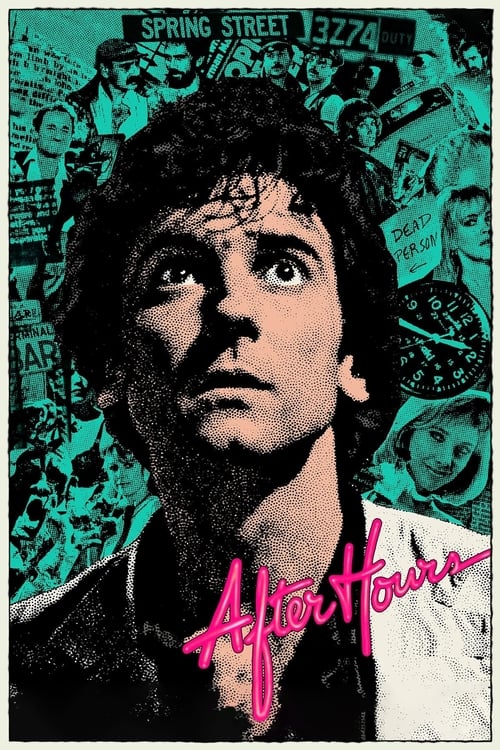
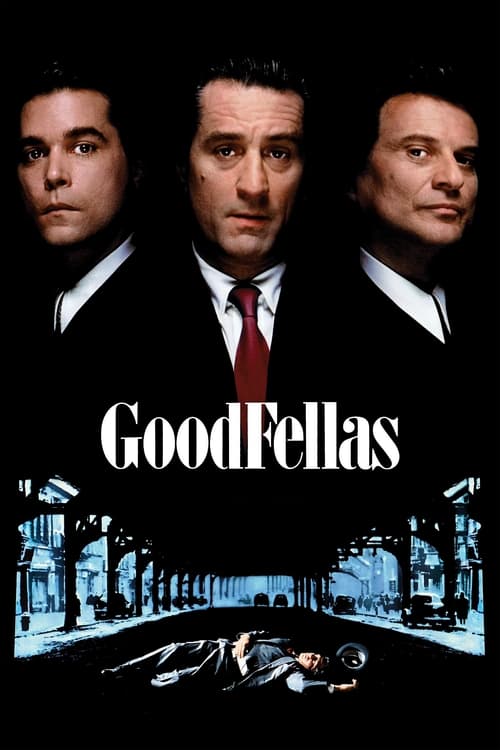
What Baker, alongside his exceptional cinematographer Drew Daniels, achieves here is nothing short of brilliant. Daniels' camera work is immersive, kinetic, and utterly without judgment. It moves with a restless energy, capturing the frenetic pace of Ani's world without ever feeling disorienting. There's an aesthetic here that's both polished and gritty, reflecting the aspirational yet grounded reality of its characters. This isn't the hyper-stylized world of Scorsese, though the sheer kinetic energy of certain sequences, particularly the escalating chase through Brooklyn, certainly carries echoes of a young Scorsese’s early work – think less Goodfellas, more a frantic cousin to After Hours. Baker consistently finds humanity in the unlikeliest of places, and Anora is perhaps his most ambitious, and successful, exploration of that theme yet.
The High Stakes of Belonging
Like his earlier triumphs, The Florida Project and Red Rocket, Anora dives deep into the lives of individuals navigating the fringes, chasing a dream or simply trying to survive. But here, the stakes are ratcheted up exponentially. The film deftly blends outrageous comedy with moments of genuine pathos, particularly as Ani finds herself caught in the crosshairs of the bewildered, furious Russian parents. It’s a testament to Baker’s skill that the tonal shifts never feel jarring; they simply reflect the chaotic, unpredictable nature of life itself. He’s not here to offer easy answers or moralize; he’s here to show us a world in all its messy, glorious complexity. The sheer audacity of the premise, combined with its grounded, empathetic execution, is what makes Anora so utterly compelling.


A Necessary Shock to the System
In an era where so much studio product feels focus-grouped and safe, Anora arrives like a necessary shock to the system. It’s a bold, uncompromising vision that demands your full attention and rewards it tenfold. It’s a film that reminds us of the power of independent cinema to tell stories that are vibrant, uncomfortable, and undeniably real. Sean Baker isn't just a director; he's an essential chronicler of modern American life, and Anora is his most potent dispatch yet. Go see it. You won't forget it.

![Outlander: Seasons 1–5 [Blu-ray]](https://m.media-amazon.com/images/I/71tlWlGdBpL._SL1001_.jpg)