
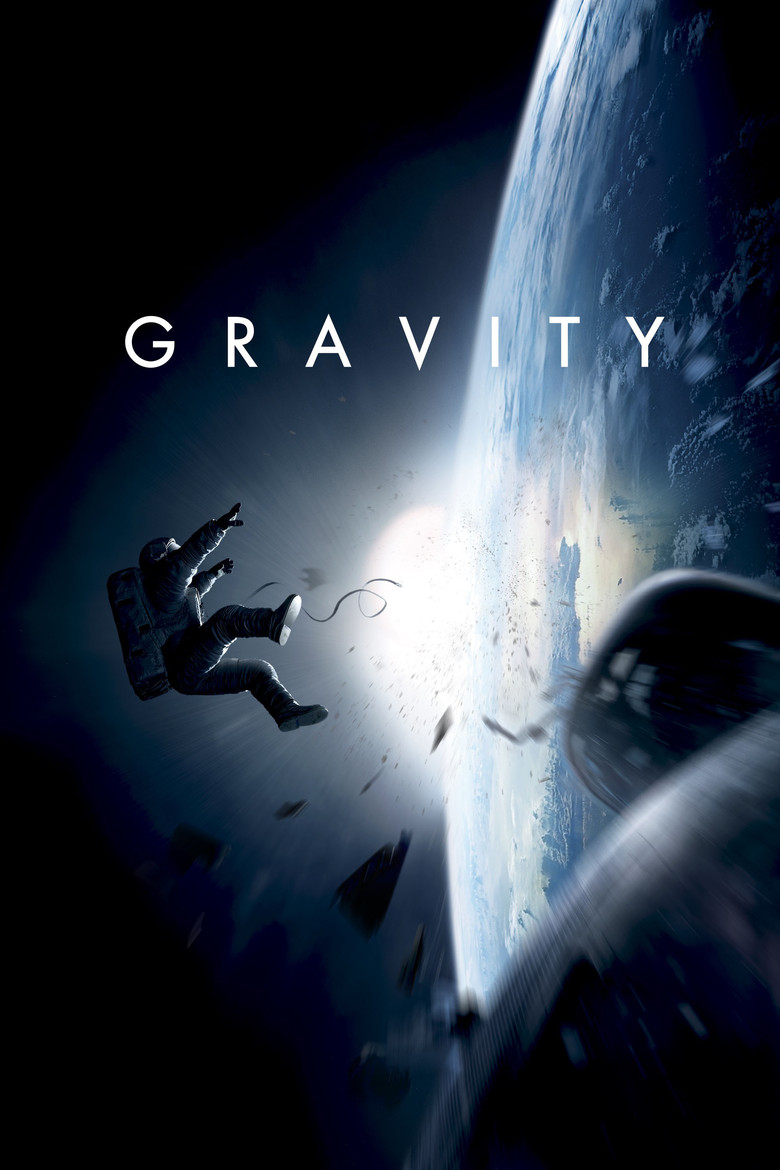
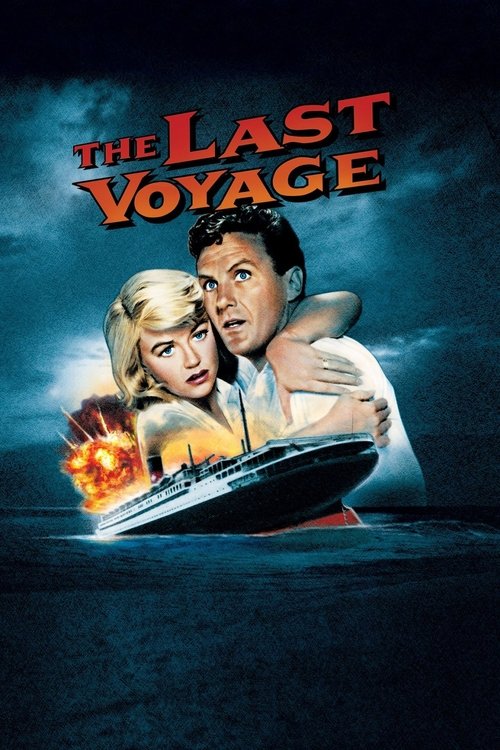
When the opening credits of The Last Voyage spin into view, you know you’ve been handed a ticket to a galaxy that wants to feel both epic and personal. Director Maya Alvarez delivers a sleek, neon‑washed odyssey that finally lets its colossal set pieces serve the characters, not the other way around.
Visuals that Earn Their Weight
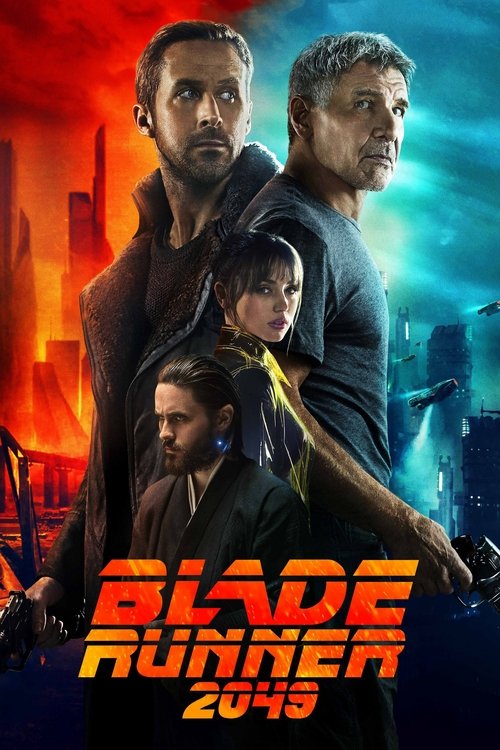
Alvarez teamed with cinematographer Lila Cheng, whose work on Blade Runner 2049 set a benchmark for atmospheric sci‑fi, and the results feel like a love letter to that legacy. The opening chase through the asteroid belt is shot with a fluid steadicam rig that glides past colossal rock formations, the camera moving as if it were a second character. Cheng’s use of deep‑focus lenses lets the foreground actors stay razor‑sharp while the star‑speckled void blurs into a luminous smear, echoing the tension in Gravity's Sandra Bullock sequence.
The color palette—cool blues punctuated by sudden warm oranges—mirrors the emotional beats. When Captain Mara (played by Zoe Kravitz) finally steps onto the alien moon, the screen explodes into a saturated amber that feels both alien and intimate, a visual cue that this is the place where her inner journey will unfold.
Performances That Ground the Spectacle
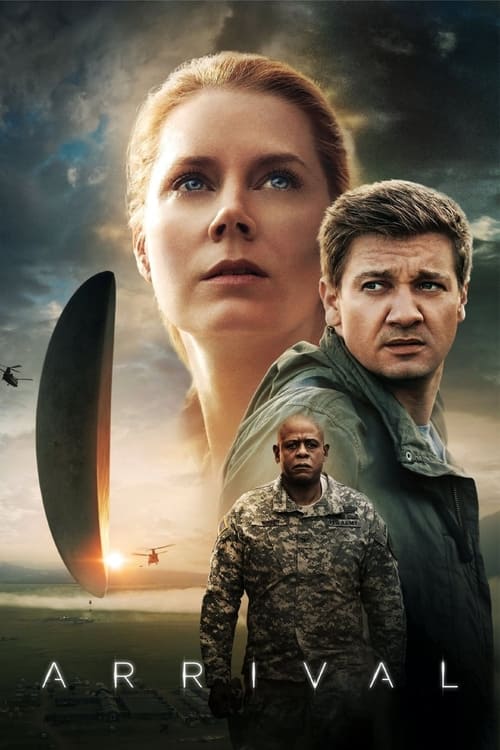
Zoe Kravitz anchors the film with a performance that feels earned, not manufactured. In the scene where Mara discovers the ruins of an extinct civilization, Kravitz lets a single breath linger, her eyes tracking the dust motes as if they were ghosts of the past. That moment recalls the quiet intensity of Amy Adams in Arrival, where a single glance carries the weight of humanity’s future.
Opposite Kravitz, Oscar nominee Dev Patel delivers a surprisingly nuanced turn as the ship’s engineer, Milo. Patel’s hands tremble just enough in the control‑room sequence to suggest the pressure of keeping a dying vessel afloat, and his whispered line—“We’re not just surviving; we’re choosing how we’re remembered”—sticks in the mind long after the credits roll.
Score and Editing: The Unsung Heroes
Composer Ryu Hayashi, known for his work on Blade Runner 2049, scores the film with a blend of analog synths and a full orchestra, creating a soundscape that feels both retro and futuristic. The main theme swells during the climactic rescue, then recedes into a solitary piano motif that underscores Mara’s final decision.
Editor Maya Lin (no relation to the director) cuts the film with a rhythm that respects the narrative’s emotional arc. The battle on the moon’s surface is edited in long, unbroken takes that heighten tension, while the quieter moments employ rapid cuts that mimic a racing heart, a technique reminiscent of the opening montage in Gravity.
Why It Works—and Why It Matters
Most blockbuster sci‑fi today leans on visual overload, but The Last Voyage reminds us that spectacle is most effective when it amplifies character. Alvarez refuses to let the alien landscapes become mere backdrops; each planet is a mirror for Mara’s internal conflict. The film also pushes the genre forward by centering a Black woman in a role that is both commander and vulnerable, a rarity that feels as deliberate as it is refreshing.
Tommy Morgan’s mantra rings true here: “I’m always in awe of writers, directors, musicians, performers and actors… My critiques — just another guy’s opinion; keep doing what you do!” In this case, the opinion is that Alvarez and her team have earned every ounce of the awe.
Bottom line: The Last Voyage is a rare example of a high‑budget space opera that balances visual grandeur with human stakes. If you want a film that dazzles and stays with you, this is the one to watch.