
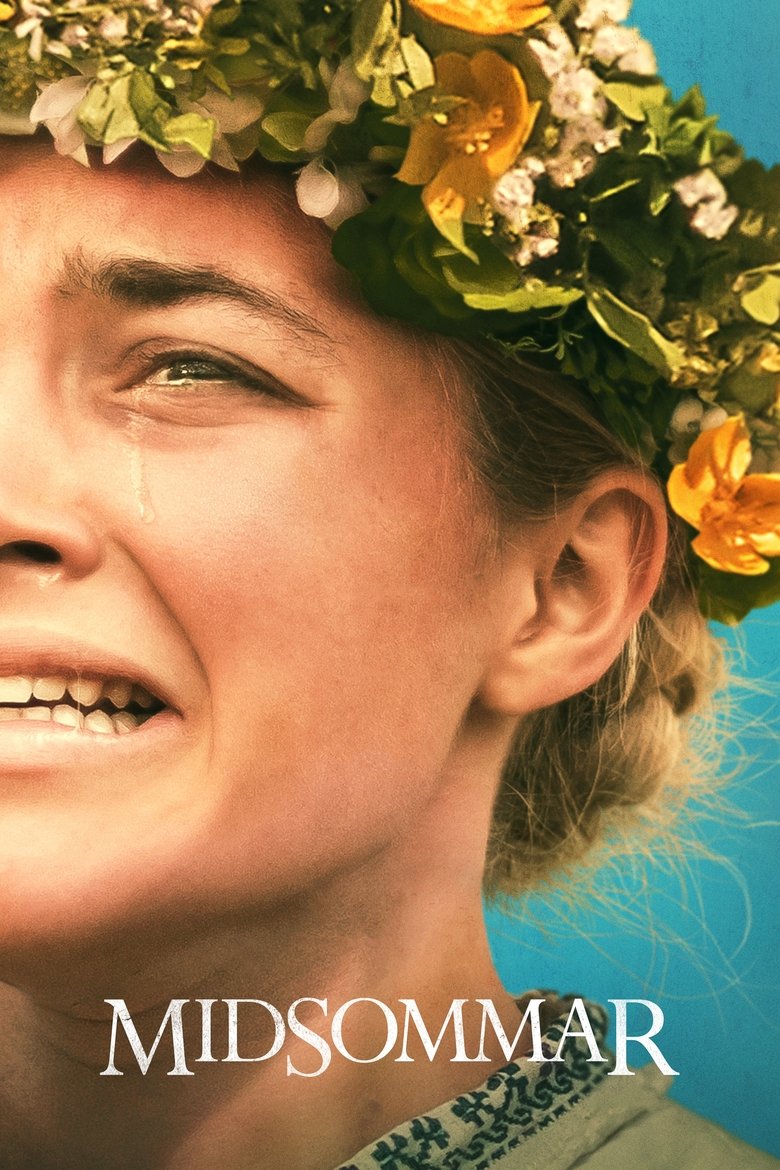
When we speak of truly transformative performances, we often invoke the chameleons, the method actors who disappear into a role. Yet, sometimes, the greatest transformations occur not in physical disguise, but in the harrowing exposure of the human soul. Such is the case with Florence Pugh's monumental turn as Dani Ardor in Ari Aster's 2019 folk horror epic, Midsommar. This is not merely acting; it is an exorcism, a meticulous charting of psychological disintegration and unsettling rebirth.
Pugh's performance is the undeniable axis around which the film's dizzying, sun-drenched dread rotates. Without her capacity to render Dani's profound, suffocating grief so palpably, Midsommar would risk being an exercise in aestheticized horror, rather than the deeply unsettling character study it ultimately becomes. She pulls us into Dani's fractured reality, demanding our empathy even as the character descends into a bizarre, ecstatic form of acceptance.
The Architecture of Anguish
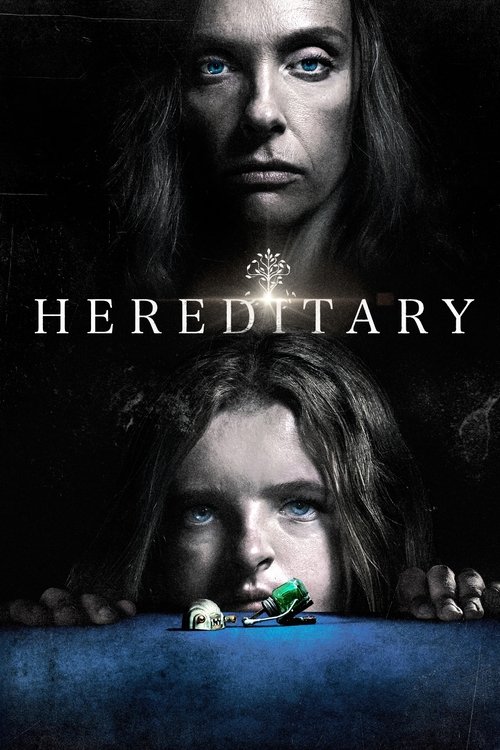
The film opens with a sequence of unimaginable tragedy, and Pugh sells every agonizing beat of it. Her initial phone call, the silent, trembling anticipation of the worst, followed by the guttural, primal scream that erupts from deep within her — it's a masterclass in controlled collapse. She doesn't just cry; she convulses, her body wracked by a grief so immense it feels physically violent. We witness the immediate, visceral aftermath of trauma, and Pugh imbues Dani with a fragile, almost spectral quality, as if she might simply dissipate under the weight of her sorrow. This establishes a baseline of vulnerability and perpetual anxiety that informs every subsequent interaction, every subtle shift in her posture, every hesitant glance. It’s a performance built on the quiet, devastating echoes of that opening, akin to Toni Collette’s raw portrayal of maternal grief in Aster’s preceding work, Hereditary, yet distinct in its internalization and slow burn.
The Body as Battlefield
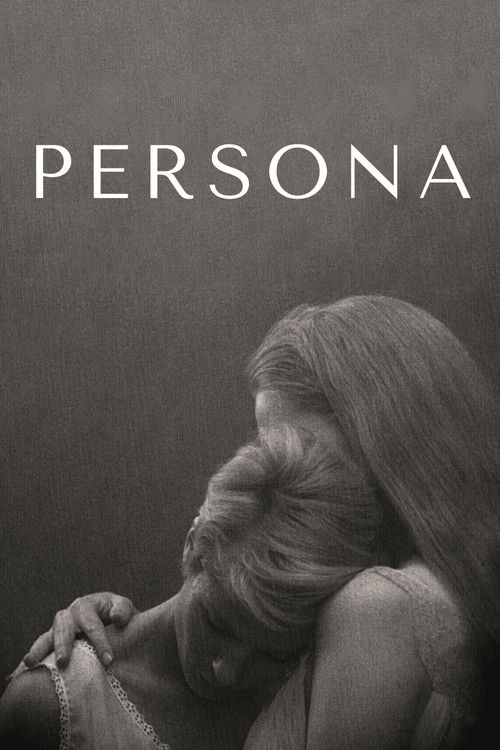
As Dani is transplanted from the familiar, if dysfunctional, landscape of her life into the surreal, perpetually bright world of Hårga, Pugh's physical acting becomes paramount. Her movements are often hesitant, her posture defensively hunched. She's a body perpetually bracing for impact, whether it's another slight from her emotionally distant boyfriend Christian, or the next horrifying discovery in the Swedish commune. Consider the scene where she experiences a panic attack after Christian forgets her birthday: her breathing becomes shallow, rapid; her eyes dart, glazed with fear. But then, in a truly striking moment, the women of Hårga surround her, mirroring her anguish, breathing with her, screaming with her. Pugh allows Dani to be subsumed by this collective emotion, her individual pain dissolving into a communal catharsis. It’s a terrifying moment of connection, and Pugh’s ability to transition from isolated suffering to almost desperate, permeable absorption is electrifying. It recalls the intense, nearly wordless emotional exchanges found in Bergman's Persona, where interiority is projected and shared.
A Masterclass in Empathy and Alienation
What truly elevates Pugh's work here is her capacity to maintain our connection to Dani, even as the character's journey becomes increasingly unsettling. We understand her yearning for belonging, her desperate need for a family, however warped. Pugh never allows Dani to become a mere victim; there's a growing, albeit twisted, agency in her transformation. The final moments, as Dani, crowned May Queen, watches Christian burn and a slow, beatific smile spreads across her face, are chillingly ambiguous. Is it liberation? Madness? Both? Pugh's choice to land on that smile, a flicker of light in the ultimate darkness, is a testament to her profound understanding of the character's arc. It's a performance that doesn't shy away from the ugly, the uncomfortable, the deeply human desperation for acceptance, even at the cost of one's former self. I remember Roger Ebert writing about Gena Rowlands in A Woman Under the Influence, praising her fearlessness in depicting mental anguish. Pugh brings a similar, unvarnished bravery to Dani, showing us a woman unraveling and then re-stitching herself into something new and terrifying.

Florence Pugh's Dani Ardor is a definitive modern performance, a testament to the power of an actor to anchor a narrative, to embody complex emotions, and to leave an indelible mark. It’s a career-defining turn that places her among the greats capable of communicating the profound, often uncomfortable, truths of the human condition. This is not just acting; it is a profound meditation on grief, belonging, and the terrifying beauty of surrender. It is, simply put, extraordinary, and a performance that will be studied for decades to come, much like Frances McDormand's raw intensity in Three Billboards Outside Ebbing, Missouri.


![Outlander: Seasons 1–5 [Blu-ray]](https://m.media-amazon.com/images/I/71tlWlGdBpL._SL1001_.jpg)