
In a medium where the auteur theory often relegates the cinematographer to a mere technician, a support for the director’s vision, there are rare instances when a director of photography transcends that role, becoming an artistic voice so distinct, so recognizable, that their name alone conjures an entire visual universe. Roger Deakins is precisely such a figure, arguably the most celebrated and studied cinematographer working today. His journey from gritty social realism to grand, sweeping epics, punctuated by two Academy Awards and fifteen nominations, has not merely illuminated scenes; it has redefined the very act of seeing on screen.
The Genesis of a Signature: Hope and Desolation
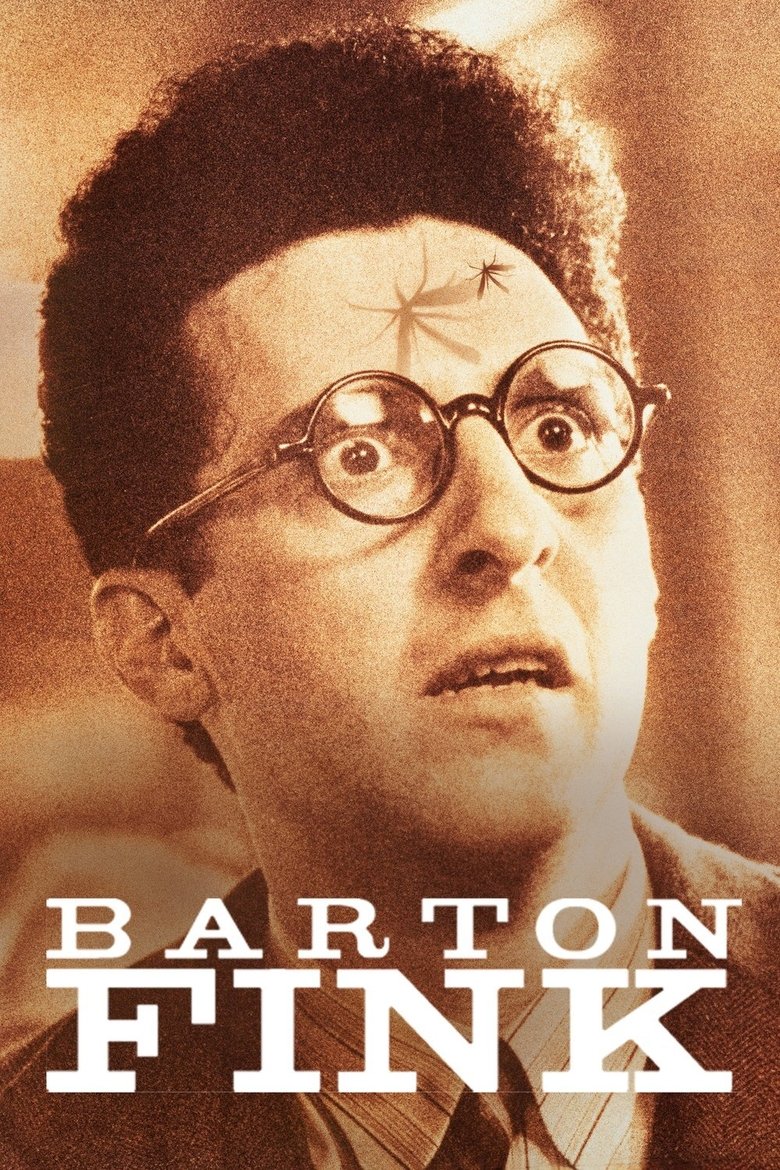
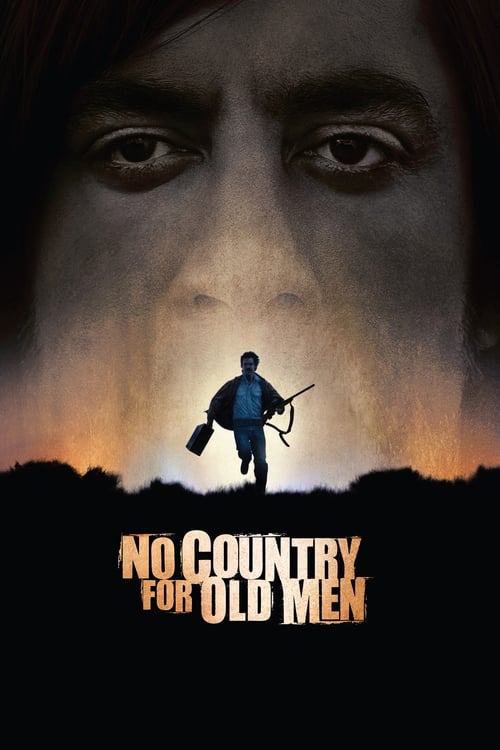
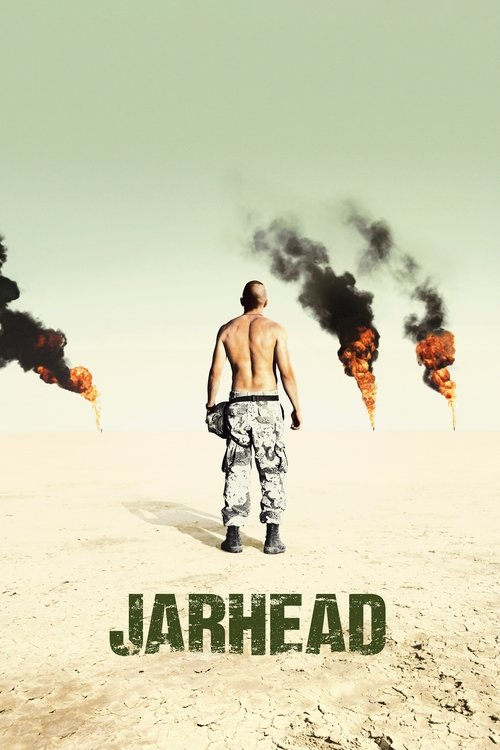
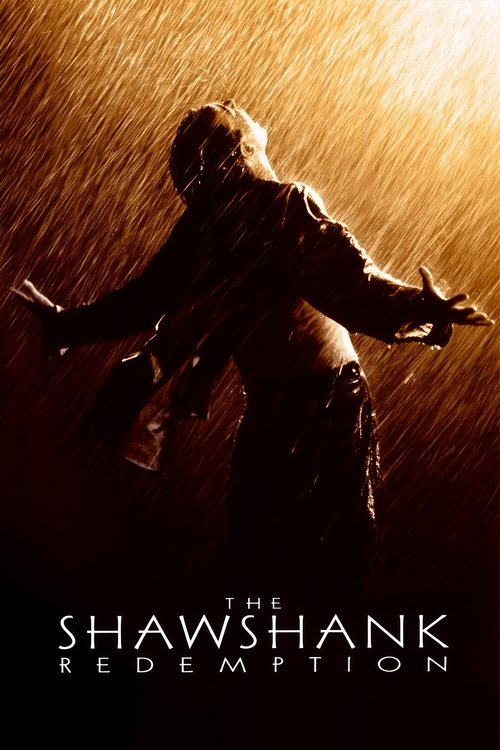
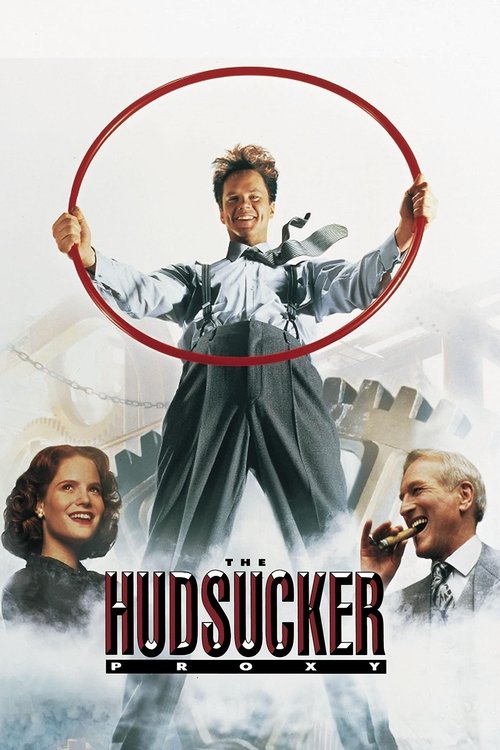
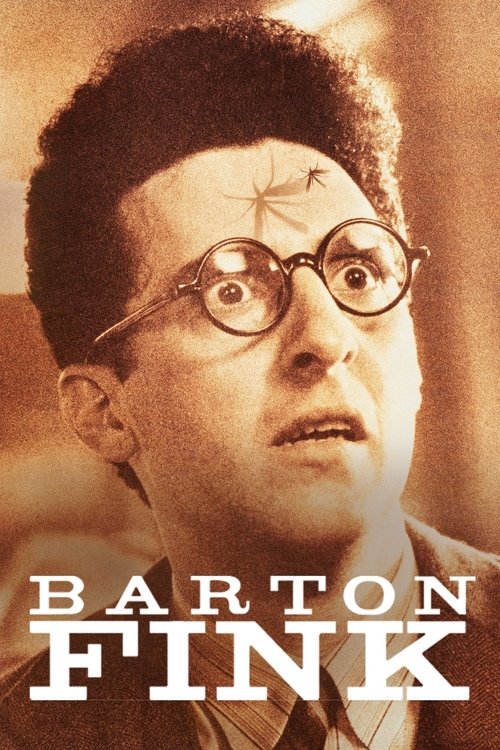
I remember the first time I truly recognized Deakins’ specific genius – not just admired it, but understood its unique DNA. While his early collaborations with the Coen Brothers on films like Barton Fink (1991) and The Hudsucker Proxy (1994) already showcased an almost preternatural command of light and shadow, it was Frank Darabont’s The Shawshank Redemption (1994) that solidified his signature. Think of the wide shots of the prison yard under a perpetually gray sky, the sterile, oppressive interiors. And then, the moment Andy Dufresne stands in the torrential rain, arms outstretched, finally free. Deakins doesn’t just light the scene; he imbues it with a visceral, almost spiritual catharsis. He understands the dichotomy of hope within desolation, rendering both with an unblinking honesty that never slips into sentimentality. His blacks are deep, his highlights precise, and every frame feels meticulously composed, yet utterly organic. It’s an aesthetic that would echo through his work, from the bleached, sun-drenched emptiness of Jarhead (2005) to the brutal, unforgiving landscapes of No Country for Old Men (2007).
Evolving Vision: From Neo-Westerns to Neo-Noir
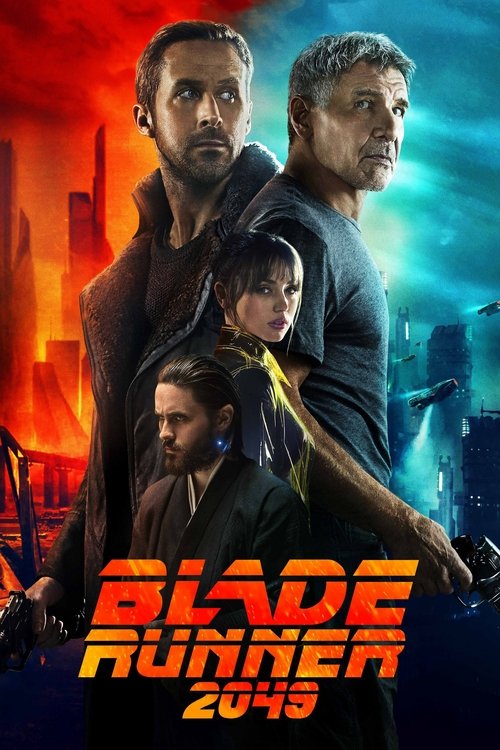
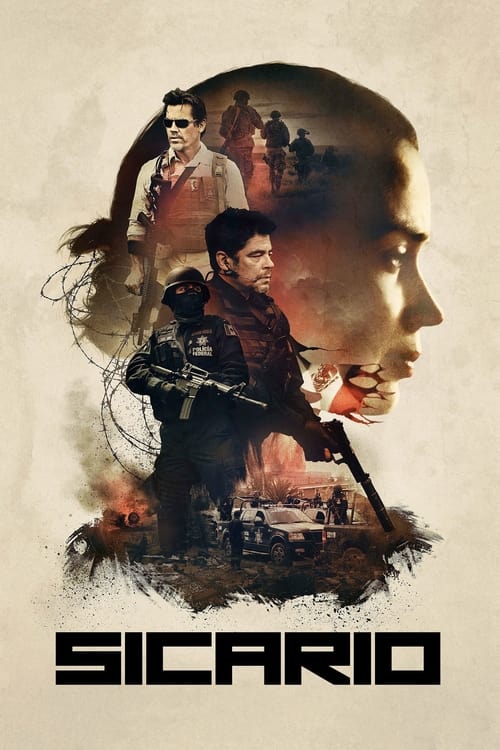
Deakins has this uncanny ability to adopt entirely new visual lexicons for different collaborators while retaining his undeniable fingerprint. With Denis Villeneuve, he forged a partnership that produced some of the most breathtaking images of the last decade. In Sicario (2015), he weaponized light and shadow, turning the desert sun into an oppressive antagonist and the night-vision sequence into a harrowing ballet of menace. But it was Blade Runner 2049 (2017) that truly pushed the boundaries, a triumph of digital cinematography that earned him his first Oscar. How many times have I rewatched the scenes of K walking through the orange-hued, dust-choked ruins of Las Vegas, or the holographic Joi flickering in the perpetual twilight? Deakins crafts entire environments with his lighting, blending the practical and the digital seamlessly, creating worlds that feel tangible and lived-in, even as they stretch the limits of imagination. He understands that sci-fi isn't just about special effects; it’s about creating a believable reality, however fantastical.
The Immersive Masterpiece of 1917

And then there’s 1917 (2019), a film that became synonymous with its "one-shot" illusion, a technical marvel that could have easily overshadowed its artistry. But under Sam Mendes’ direction and Deakins’ masterful eye, the continuous take became a relentless, immersive experience. The camera follows Lance Corporal Schofield through ravaged trenches, across corpse-strewn battlefields, and into the terrifying, flare-lit ruins of Écoust. Deakins, again winning an Academy Award, demonstrates an absolute command over dynamic lighting. Consider the scene where Schofield navigates the destroyed town, only the intermittent flashes of distant explosions and the sporadic light of signal flares illuminating his path. It is a dance between terror and beauty, a profound illustration of how light can be both a guide and a betrayer. He turns the camera into a character, a relentless witness, never letting us escape the immediacy of the journey. This isn't just cinematography; it's a profound act of storytelling, a testament to how visual language can elevate narrative to an almost unbearable pitch of intensity.
The Unseen Art of Precision
What sets Deakins apart isn't just his aesthetic brilliance, but his absolute precision and his commitment to serving the story above all else. He eschews ostentation; his work never screams for attention, it simply commands it through its inherent beauty and thematic resonance. There's a purity to his light, an elegance to his compositions that feels both classical and utterly contemporary. His upcoming projects, whatever they may be, will undoubtedly continue this legacy of quiet innovation, proving time and again that the cinematographer is not merely a technician, but a principal architect of cinematic emotion. Roger Deakins doesn't just paint with light; he sculpts worlds, evoking feeling and understanding with every meticulously crafted frame. His work is a masterclass in visual storytelling, an enduring testament to the power of the image.
![Outlander: Seasons 1–5 [Blu-ray]](https://m.media-amazon.com/images/I/71tlWlGdBpL._SL1001_.jpg)