
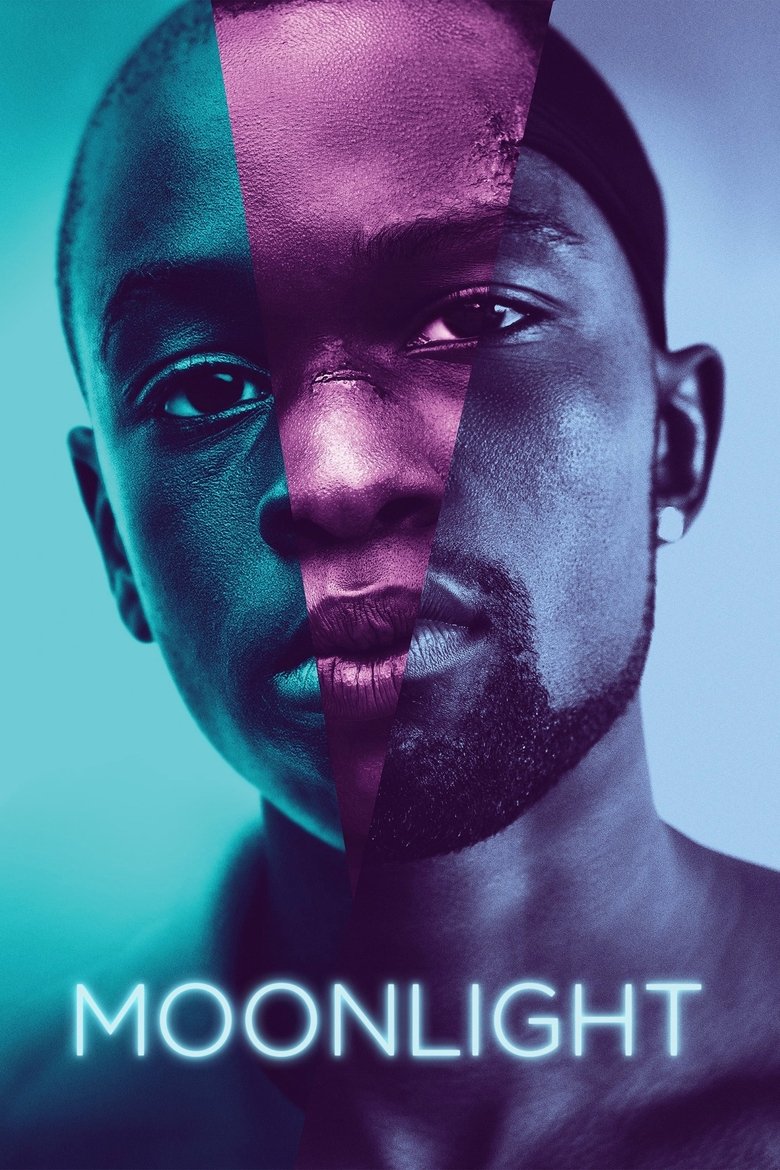
Six years after it reshaped the landscape of American independent cinema and rightfully claimed the Academy Award for Best Picture, Barry Jenkins’ Moonlight remains less a film and more a cinematic anointing. Its impact isn’t merely about its awards haul, nor its place as a touchstone in representation. Rather, Moonlight endures because it is a masterclass in empathetic filmmaking, a testament to the power of specificity, and a profound statement on the malleability of identity across a lifetime.

The Lyrical Specificity of Character
What sets Moonlight apart, even now, is its refusal to generalize. Jenkins, working from Tarell Alvin McCraney’s play, resists the urge to make Chiron a symbol. Instead, we are given three distinct iterations of one boy navigating the profound solitude of his own burgeoning selfhood. This isn't just smart writing; it’s a directorial choice that prioritizes interiority above all else. Jenkins understands that the most universal stories often emerge from the most granular details. He crafts a triptych that, rather than presenting a linear progression, shows how past selves continue to haunt and inform the present, even when we believe we’ve left them behind. It’s a delicate dance of performance, where Alex R. Hibbert, Ashton Sanders, and Trevante Rhodes each embody Chiron with an astonishing continuity of spirit, a testament to Jenkins’ meticulous guidance.
James Laxton’s Hypnotic Visual Language
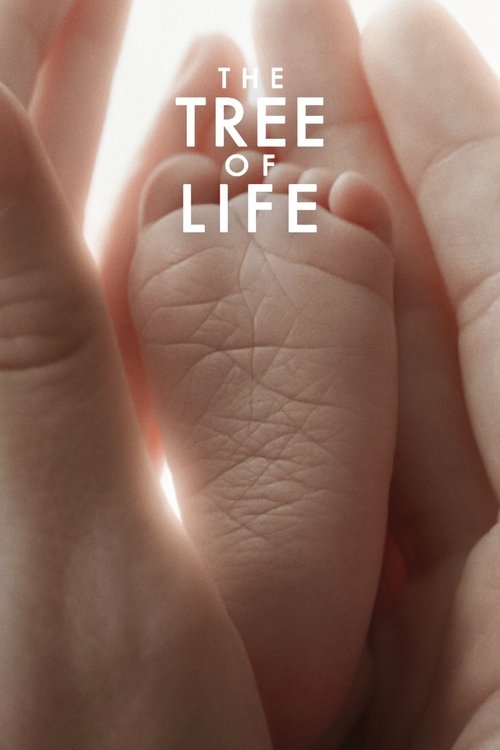
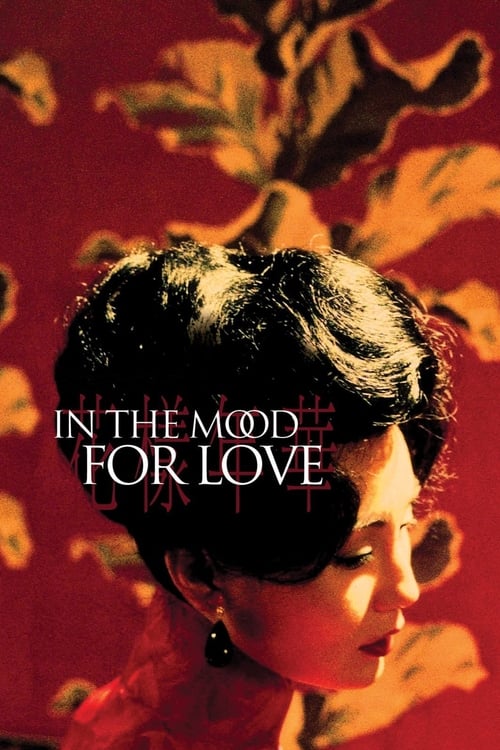
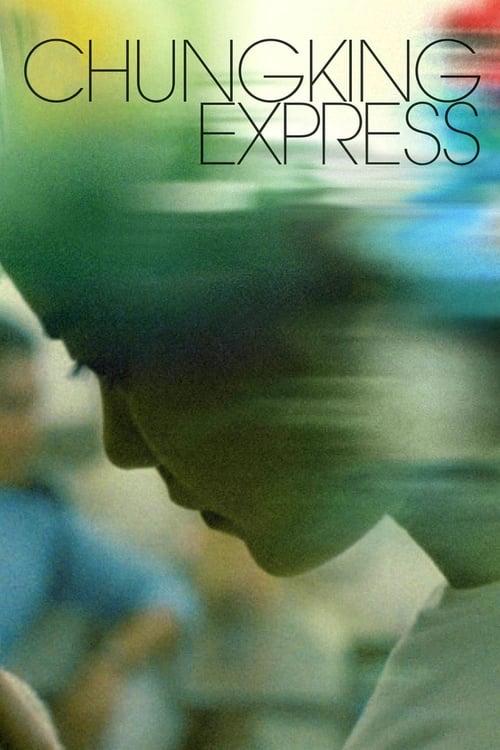
To speak of Moonlight without extolling the virtues of James Laxton’s cinematography would be a critical dereliction. Laxton's work here isn't merely beautiful; it’s narrative. He bathes Chiron’s world in deep, oceanic blues and greens, colors that feel both isolating and enveloping, echoing the character's internal struggle and the warmth he desperately craves. The camera often floats, a silent observer trailing Chiron, sometimes pulling back to frame him against the vastness of the water, sometimes pressing in close to catch the flicker of emotion in his eyes. There's a particular shot where a young Chiron learns to swim, the camera submerged with him, the light refracting through the water – it’s a moment of profound vulnerability and freedom, rendered with a visual poetry reminiscent of Wong Kar-wai’s lyrical character studies like Chungking Express or In the Mood for Love, yet entirely distinct. Laxton’s commitment to natural light, his use of handheld intimacy, and his bold color palette ensure that the film feels both grounded and dreamlike, a conscious echo of Terrence Malick’s ethereal sensibility in a film like The Tree of Life, but with a gaze firmly fixed on a marginalized experience.
The Long Tail of a Quiet Revolution
Moonlight’s influence on American independent cinema is undeniable, not just in the conversations it ignited about identity and representation, but in its bold aesthetic choices. It proved that deeply personal, emotionally intricate stories, told with uncompromising artistic vision, could break through. It championed a different kind of heroism, one found in quiet resilience and the painful pursuit of self-acceptance. While many have since tried to replicate its intimate grandeur, few have achieved its delicate balance. Jenkins himself continued this exploration with If Beale Street Could Talk, deepening his collaboration with Laxton and further honing his unique cinematic voice. In a film landscape often dominated by spectacle and grand pronouncements, Moonlight remains a potent reminder that the most revolutionary stories are often whispered, the most enduring images etched in the soul with light and shadow. It didn't just win awards; it opened a door, showing the industry and audiences alike that empathy, craft, and a singular vision can transcend any perceived boundary. Its quiet power continues to ripple through contemporary filmmaking, from the nuanced performances of a film like Causeway to the thoughtful construction of new indie narratives.


Six years on, Moonlight isn't just a great film; it's an essential one, a benchmark against which modern character studies will be measured for decades to come.
![Outlander: Seasons 1–5 [Blu-ray]](https://m.media-amazon.com/images/I/71tlWlGdBpL._SL1001_.jpg)