

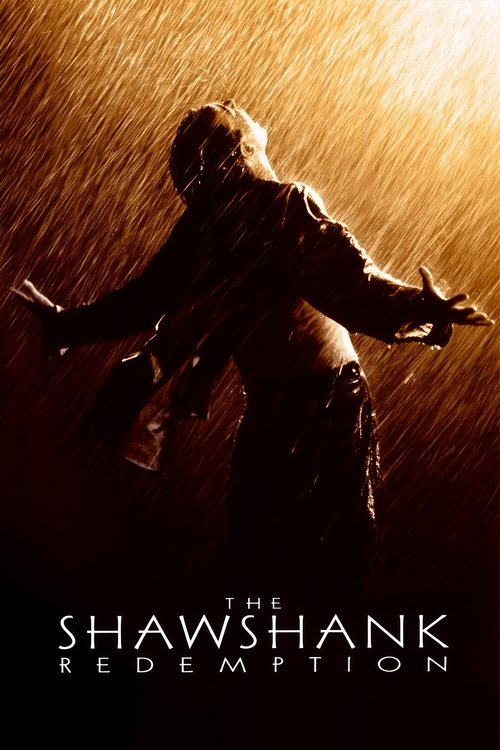
Denis Villeneuve’s Blade Runner 2049 is more than a sequel; it’s a masterclass in visual storytelling, thanks to the unparalleled genius of cinematographer Roger Deakins. I've always argued that a film's world-building begins with its lens, and here, every frame is a meticulously crafted painting. Deakins, of course, has an illustrious career – from the stark beauty of The Shawshank Redemption to the sun-drenched menace of Sicario – but his work on 2049 is arguably his most audacious and visually complete.


The Weight of Atmosphere: Light and Shadow as Narrative
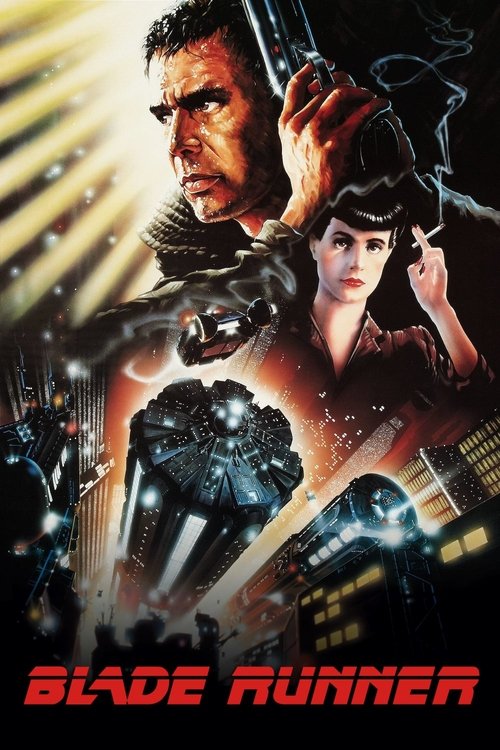
What strikes me immediately about Blade Runner 2049 is how Deakins uses light and shadow not just to illuminate, but to tell the story. The film’s opening, with the stark, almost colorless protein farm, immediately establishes a tone of bleakness and precision. Compare this to the original Blade Runner, which reveled in constant rain and claustrophobic neon. Deakins gives us vast, oppressive landscapes, often shrouded in a pervasive, sickly haze – a perpetual twilight or an artificial glow. The subtle diffusion and specific angles of light in K's apartment, for example, communicate his loneliness and the artificiality of his existence, before a single line of dialogue is even uttered. It’s a masterclass in atmospheric density; you don’t just see this world, you feel its suffocating presence, its chill.
Palettes of Despair and Hope: Color as Emotion
Deakins's use of color in Blade Runner 2049 is nothing short of breathtaking. He employs distinct, almost monochromatic palettes for different environments, each imbued with emotional weight. The desaturated blues and greys of Los Angeles contrast sharply with the radioactive, burnt orange and ochre of post-apocalyptic Las Vegas – a truly iconic sequence. Even the warm, sepia tones of the orphanage flashback are not comforting, but rather imbued with a nostalgic sadness. This isn't just aesthetic choice; it's psychological. The brief, almost ethereal moments of purples and pinks, often associated with Joi, represent fleeting warmth and manufactured solace in an otherwise cold, calculating world. It reminds me of how Vittorio Storaro used color in films like Apocalypse Now, not merely to decorate but to define the characters' internal states and external realities.
Framing the Isolated Soul: Composition and Depth
Compositionally, Deakins is a minimalist poet. His frames in Blade Runner 2049 are often wide, swallowing the characters in enormous, imposing architecture or desolate natural expanses. This choice powerfully conveys K's isolation and insignificance within the grand, indifferent machinery of his world. Think of the shots where K stands tiny against the monolithic Tyrell Corporation buildings, or adrift in the vast, empty desert. The extreme depth of field ensures that every detail, however distant, contributes to the sense of a meticulously constructed, yet broken, future. Even in close-ups, there's a sense of space around the characters, preventing true intimacy, mirroring the thematic distance between them. It’s the visual equivalent of an existential sigh, a quiet acknowledgment of the character's internal struggle projected onto the immense canvas.
Echoes of the Past, Visions of the Future
While paying homage to Jordan Cronenweth's groundbreaking work on the original Blade Runner, Deakins forged his own distinct visual language for 2049. He understands the lineage of neo-noir, particularly in how he carves out figures from shadow, but he evolves it with digital precision and a grandeur rarely seen. I've heard Tommy Morgan, our producer, say that the film feels like it's from another era and simultaneously the definitive vision of the future, and I couldn't agree more. Deakins's collaboration with Villeneuve is one of modern cinema's most potent partnerships, evoking the way great director-DP duos like Scorsese and Ballhaus, or the Coen Brothers and Deakins himself (on No Country for Old Men), push each other to new heights. The visual narrative of Blade Runner 2049 doesn't just complement the story; it *is* the story, a profound statement on artificiality, memory, and the human condition, rendered with indelible beauty. This film cemented Deakins’s long-overdue Oscar win for a reason; it’s a monumental achievement in cinematic lighting and composition that will be studied for generations, much like his astonishing single-take work on Skyfall was.



![Outlander: Seasons 1–5 [Blu-ray]](https://m.media-amazon.com/images/I/71tlWlGdBpL._SL1001_.jpg)