The whispered reassurance, "Don't worry, it will do great on Netflix," once offered as a solace for films struggling to find a theatrical home, has curdled into a knowing industry joke. It’s a polite euphemism for a project that has failed to ignite interest from distributors willing to invest in a theatrical run, and by extension, a candid admission that its financial prospects for traditional investors are bleak. This shift reveals a fundamental misunderstanding of the streamer economy versus the enduring, if challenging, theatrical model.
The Allure of the Flat Fee
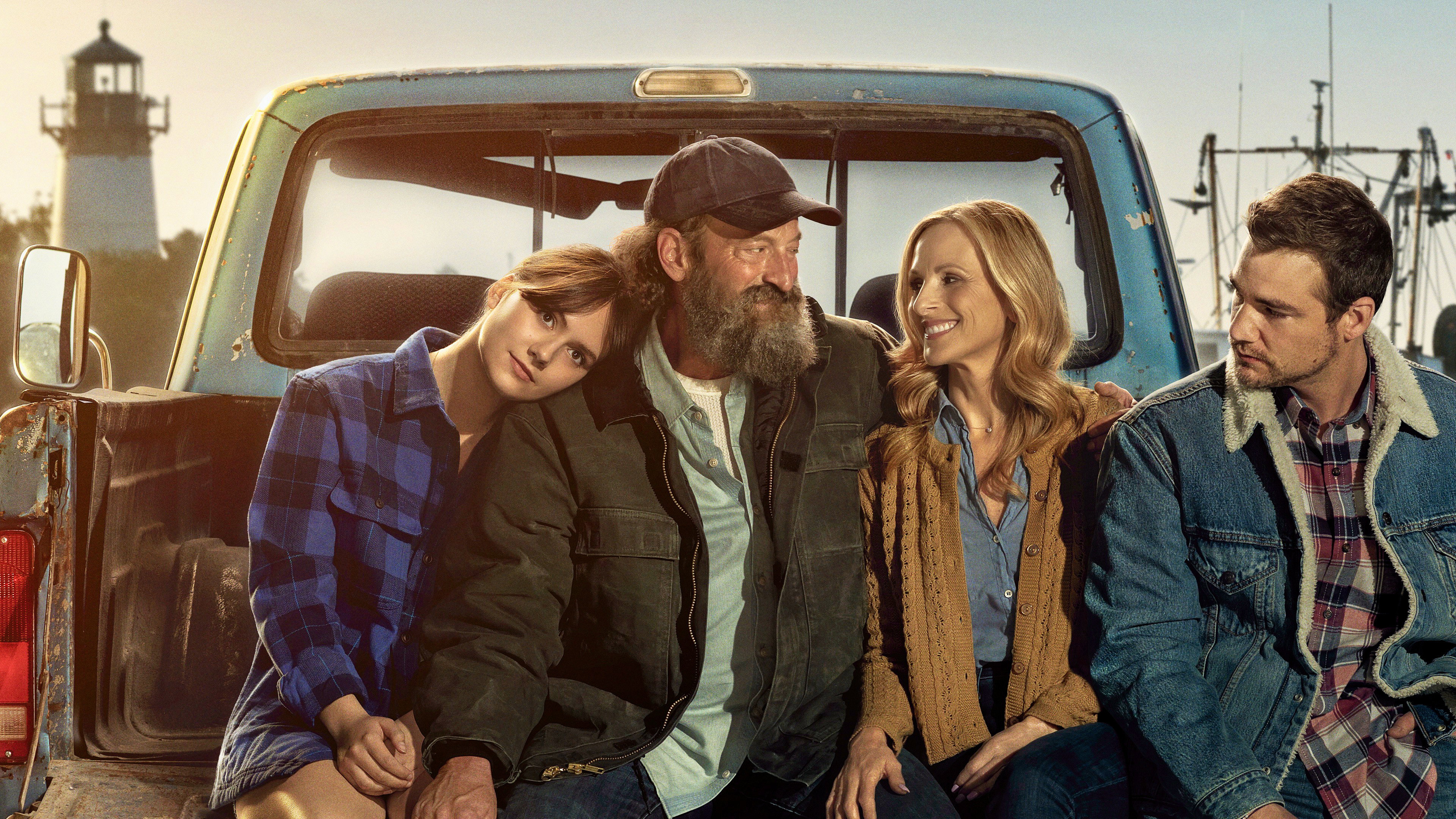
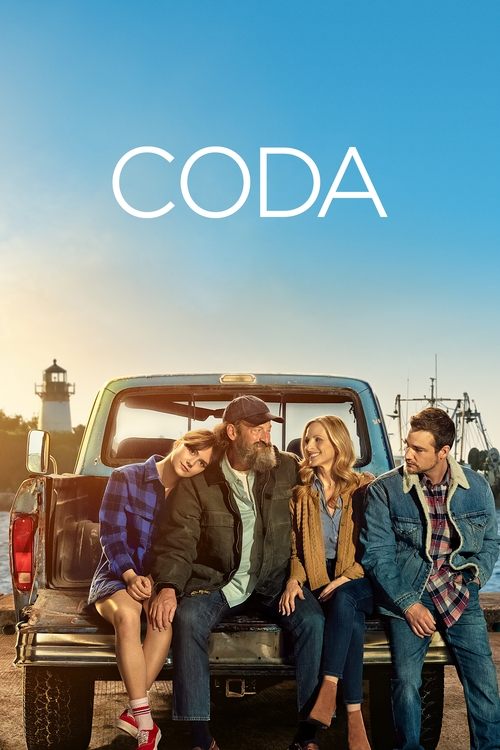
For a time, the promise of streamer money felt like salvation. Here were companies with bottomless pockets, seemingly eager to pay hefty acquisition fees for "content." The allure for independent producers, in particular, was undeniable: a lump sum payment that often covered the budget, eliminating the grueling, uncertain path of securing presales, minimum guarantees, and gap financing. Films like Sian Heder’s CODA, famously acquired by Apple TV+ at Sundance for a record-breaking $25 million in 2021, seemed to validate this new gold rush. It offered immediate liquidity, a direct path to an audience, and the intoxicating prospect of an awards season push backed by a tech giant. For the filmmakers, it was a dream. For the initial investors, however, the picture often looked far less rosy, particularly when compared to the potential upside of a successful theatrical release. The flat fee, while covering costs, inherently caps the profit margin.
The Traditional Tightrope: Presales and MGs
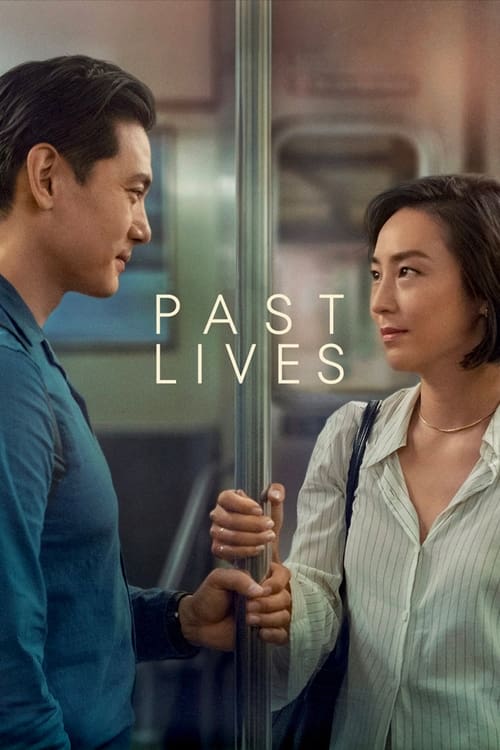
Before the streaming boom reshaped the landscape, film financing was a complex mosaic built on a mix of equity investment and distribution presales. A producer would go to market with a script, a director, and maybe a star attached, selling off the rights for specific territories (e.g., North America, Western Europe, Asia) to distributors before a single frame was shot. Each deal came with a minimum guarantee (MG) — an upfront payment from the distributor, recouped against future earnings. This cash, combined with equity and potentially gap financing, would fund the production. The upside for investors came from the overages after the MGs were recouped and from retaining rights in territories not presold, or for specific windows (e.g., home video, TV after theatrical). Think of A24's model for many of its successful independent films, such as Celine Song's Past Lives (2023), where a carefully orchestrated theatrical release builds critical buzz and box office, setting up strong ancillary revenue streams and a longer tail of profitability. The theatrical run is not just about ticket sales; it's a marketing campaign that raises the film's profile for every subsequent monetization window.
The Streamer's Game: Acquisition vs. Investment
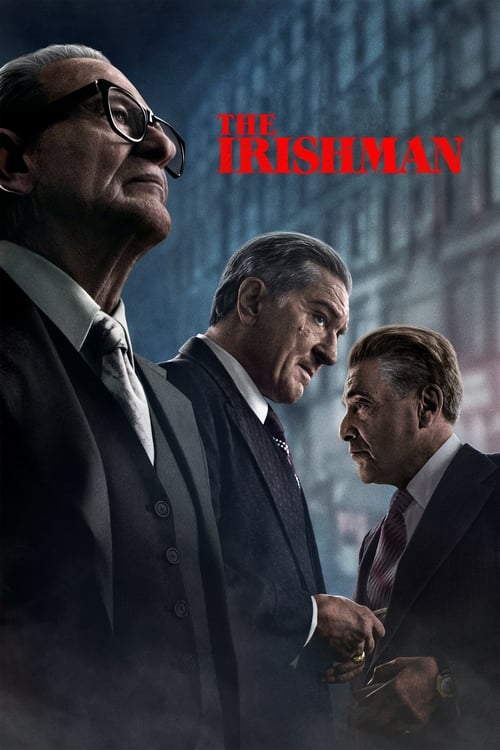
When a streamer acquires a completed film, they typically purchase global, all-rights access for a fixed term, or sometimes in perpetuity. This is often a non-recoupable license fee. The money goes to the producers, who then use it to pay off their investors and recoup their own expenses. The problem is that once the acquisition fee is paid, the streamer owns the content, and any success it has — subscriber acquisition, retention, cultural impact — directly benefits the streamer, not the original investors. There’s no backend participation, no share of the "box office" (or equivalent streaming viewership numbers, which are rarely made public), no split of home video sales. Martin Scorsese's The Irishman (2019), a monumental Netflix production, exemplified this model. While Netflix enabled a film that traditional studios deemed too expensive and risky, the financial structure meant that its massive cultural footprint and critical acclaim translated purely into subscriber value for Netflix, not residual profit for external investors beyond the initial production budget. For a film that cost upwards of $150 million, the financial upside for those not named Netflix was predetermined and fixed.
Reclaiming the Upside
For investors and savvy producers, the real path to return on investment in the modern landscape requires a strategic understanding of rights ownership and exploitation. It means valuing the long tail of intellectual property. This might involve structuring deals where the streamer is merely a distributor for a specific window, rather than an outright owner. It could mean leveraging theatrical releases, even limited ones, to create value and demand that drives subsequent deals for home entertainment, broadcast, and then streaming. The crucial distinction is this: a streamer acquisition often functions as a buyout, a final payment that closes the book on a film’s financial journey for its initial backers. A truly profitable film, conversely, continues to generate revenue across multiple platforms and territories, often for decades, with the original investors participating in that ongoing success. The lesson is clear: for a film to genuinely "do great," it needs a path where its value isn't capped at the point of sale, but allowed to flourish and reward those who believed in its initial vision. The content maw of streaming offers exposure, but for true financial upside, the old-school rules of ownership and strategic distribution still hold the key.