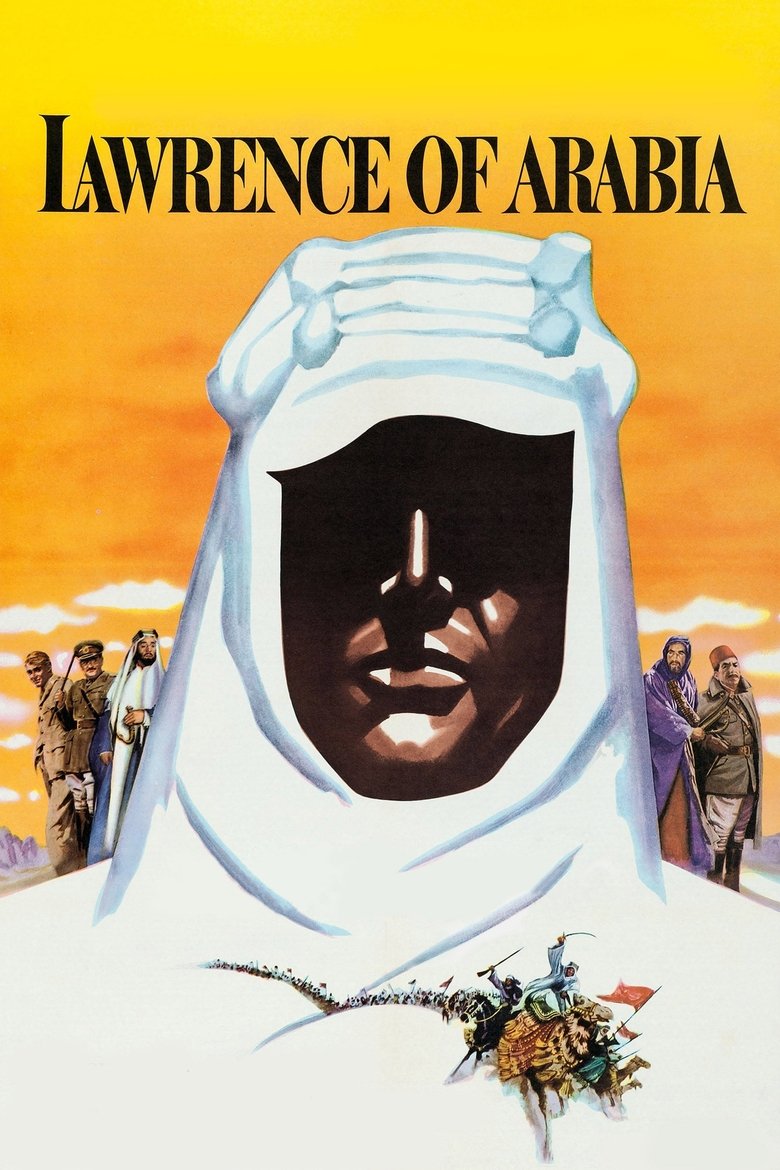
When director Alistair Finch first pitched The Obsidian Sky, his ambition was clear: a sweeping, visually groundbreaking science fiction epic that demanded the communal reverence of the cinema. He spoke of monumental cityscapes, bespoke alien soundscapes, and performances designed to resonate within the quiet darkness of a packed auditorium. Yet, this past quarter, we saw the film, intended as a modern spectacle on par with a grand vision like Lawrence of Arabia, caught in the very quagmire that defines contemporary film distribution. The question is no longer merely 'theatrical or streaming,' but 'what kind of cinematic experience are we willing to sacrifice?'
The Spectacle's Promise: Theatrical Intent
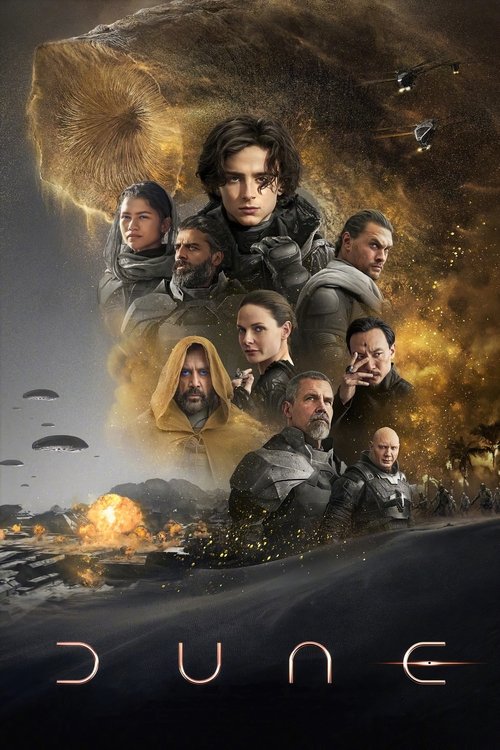
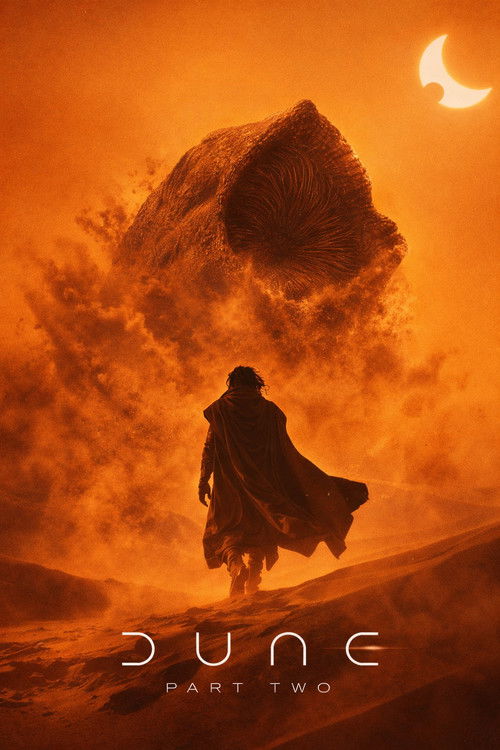
There was never any doubt that The Obsidian Sky was conceived for the big screen. Finch, a meticulous craftsman known for his world-building, worked for years with cinematographer Elara Vance to create a distinctive visual language. The film’s opening sequence alone, a meticulously choreographed aerial chase through a storm-ravaged metropolis, was a masterclass in scale and tension, begging for the immersive power of a large format screen and a finely tuned sound system. This wasn’t just a narrative; it was an environment, an experience. The initial marketing, rightly, leaned into this, positioning it as an unmissable cinematic event – a true heir to films that truly understand visual storytelling, like Denis Villeneuve’s recent Dune: Part Two, which only amplified its predecessor, Dune: Part One, by doubling down on the theatrical promise.
Brian and I have argued about the nature of spectacle versus intimate storytelling for years. He always reminds me that films aren't just stories; they're experiences. He’d often point to Pauline Kael’s take on a film's initial impact, its direct hit, and how much of that is tied to the collective experience. The Obsidian Sky, with its intricate details and booming score by Lyra Chen, was built to hit hard, designed for the big, shared moment. To diminish that is to fundamentally misunderstand its artistic intent.
The Algorithm's Imperative: A Hybrid Hand
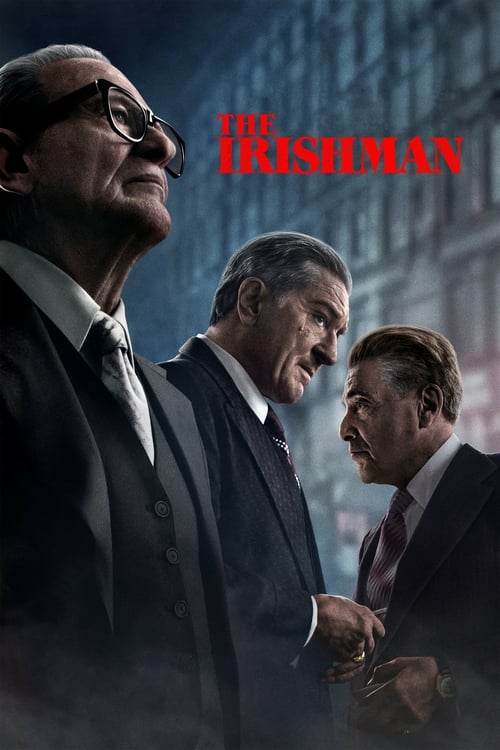
Then came the pivot. Faced with the familiar pressures of subscriber growth and investor confidence, the studio behind The Obsidian Sky announced a hybrid release: a truncated two-week theatrical window followed by an immediate premium streaming debut. The rationale, as ever, was rooted in maximizing reach and mitigating risk. They cited shifting audience habits, the comfort of the home viewing experience, and the undeniable draw of 'new content' for their streaming platform. It's a calculation driven by spreadsheets, not by reverence for the medium. We've seen this play out before, with Netflix’s limited theatrical runs for films like Roma and The Irishman. While those films found critical acclaim, they inherently conceded the immersive power of the theatrical space for the convenience of the small screen.

The argument is always that 'people will watch it how they want to watch it.' But that sidesteps the issue of how the film was *intended* to be watched, how its very artistic DNA was structured around a specific presentation. When a film like The Obsidian Sky is designed to overwhelm your senses, to fill your peripheral vision, to make the walls vibrate with its score, relegating it quickly to a laptop or a tablet feels less like a choice and more like a surrender to an inferior experience.
A Pyrrhic Victory for Cinema?
The numbers from the hybrid release are in: a respectable, though not explosive, theatrical run, followed by significant streaming engagement. The studio calls it a success. But at what cost to the film's legacy? Will future generations, encountering The Obsidian Sky on a streaming service, truly grasp the scale and ambition that Finch and Vance poured into every frame? Roger Ebert once wrote about the shared experience in a movie theater, how the energy of the crowd amplifies the emotions on screen. That energy, that collective gasp or cheer, is largely absent when watching alone at home, no matter how large your TV is.
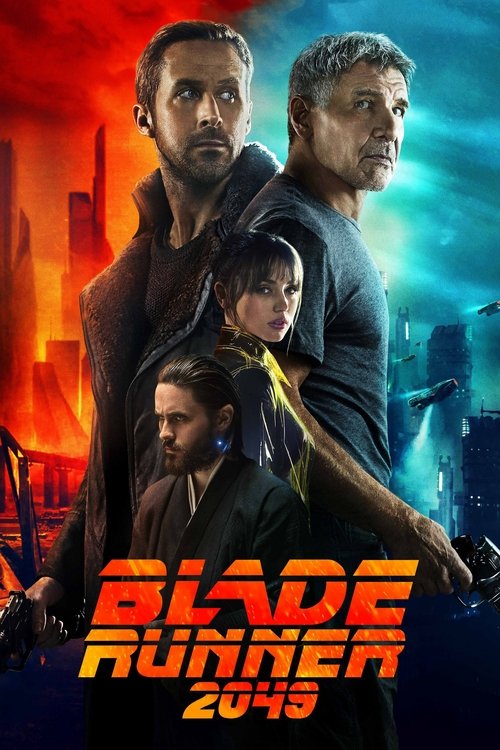
This isn't about Luddism; it's about artistic preservation. Streaming offers unparalleled access, a library beyond imagining, and a convenience that reshaped our viewing habits. But when a film like The Obsidian Sky, designed with such specific theatrical intent, is hurried to the smaller screen, it sets a dangerous precedent. It tells filmmakers that even their grandest visions might be reduced to just another piece of 'content' in an endless scroll. The theatrical experience isn’t just a distribution model; it’s a commitment to the art form, a space where films like Blade Runner 2049 could truly shine as monumental visual achievements.
While the financial incentives for studios to prioritize streaming are undeniable, the long-term erosion of the theatrical experience for films built to fill that space is a tragedy. The Obsidian Sky deserved better, and so do the audiences who crave the full, undiluted power of cinema.

![Outlander: Seasons 1–5 [Blu-ray]](https://m.media-amazon.com/images/I/71tlWlGdBpL._SL1001_.jpg)