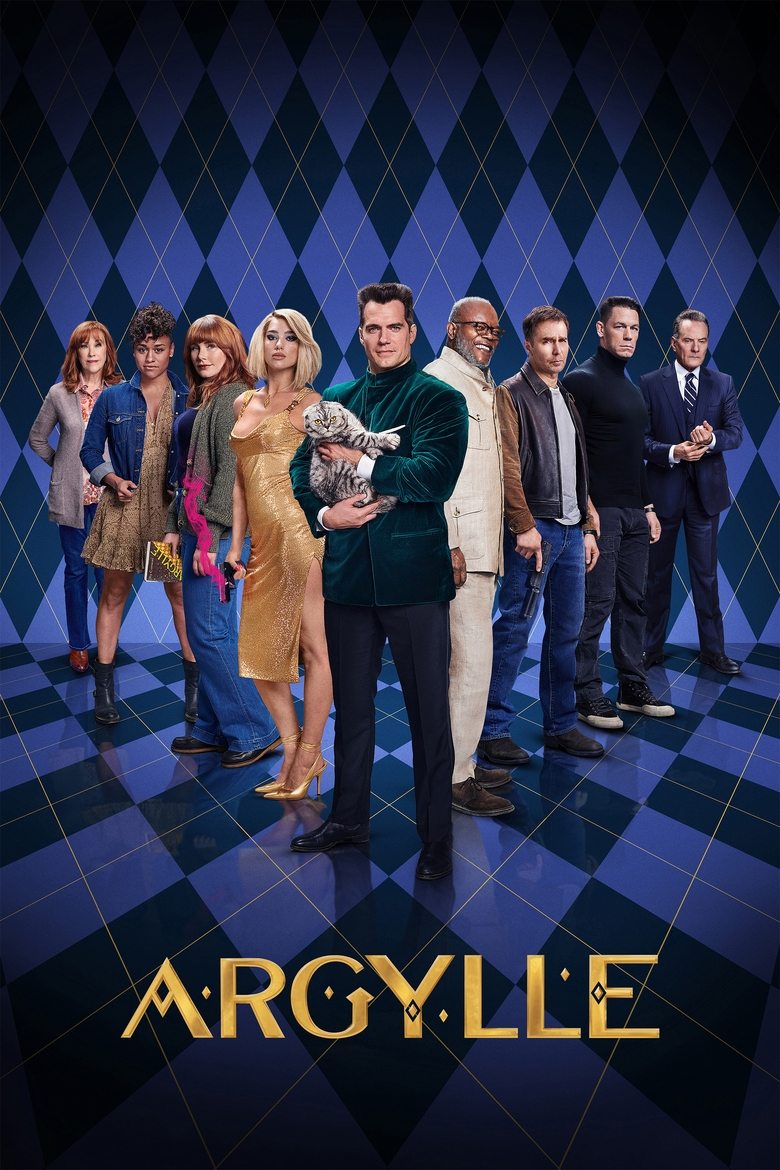
The battle for where we consume cinema is hardly new, but every so often, a film comes along that throws the entire skirmish into stark relief. Lately, that film has been Matthew Vaughn’s sprawling spy caper, Argylle. On paper, it had all the hallmarks of a traditional big-screen event: an all-star cast, globetrotting locations, lavish production design, and a budget rumored to be well north of $200 million. Yet, its theatrical run was, by most metrics, an unmitigated disaster, raking in a paltry $96 million worldwide. And yet, for Apple, the studio behind it, that box office number might barely register. This isn't just a flop; it’s a fascinating, and frankly, disturbing, case study in the evolving economics of film distribution.
Theatrical Release as a Loss Leader
For decades, the math was simple: a film’s success was primarily measured by its box office gross. A massive budget demanded massive ticket sales to turn a profit, let alone make a studio happy. But Apple, much like Amazon and Netflix before it, operates on a fundamentally different paradigm. Their primary goal isn't ticket revenue; it’s subscriber acquisition and retention for Apple TV+. Tommy Morgan, our producer here at Cinema Dialogue, has often highlighted how these tech giants treat content. He’s right. For them, a film like Argylle, regardless of how it performs at the multiplex, is simply another chess piece in the streaming wars.
Think about it: A $200 million film that barely cracks $100 million at the box office would be a catastrophic write-off for a traditional studio. But for Apple, the theatrical release of Argylle functions more like a global marketing campaign. It generates buzz, lands headlines, and primes potential viewers for its inevitable arrival on Apple TV+. The investment isn’t recouped at the box office, but in monthly subscription fees and the perception of a premium content offering. It's a costly billboard, yes, but one that drives traffic to their digital storefront. This, to me, is where the integrity of the theatrical experience begins to erode.
The Spectacle Versus The Sofa
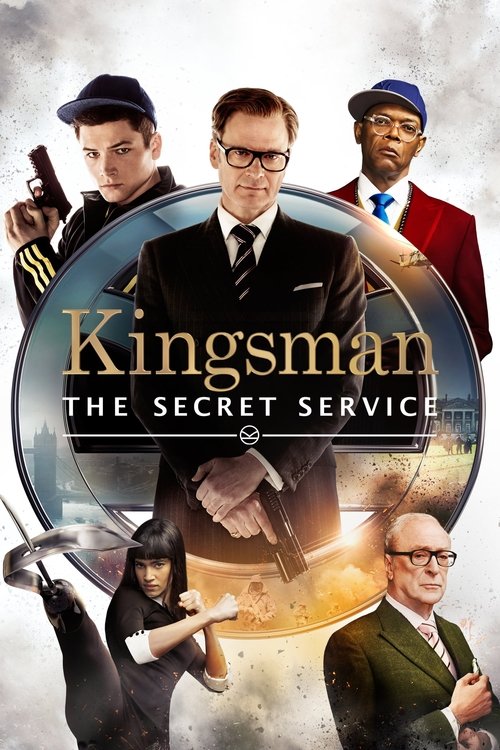
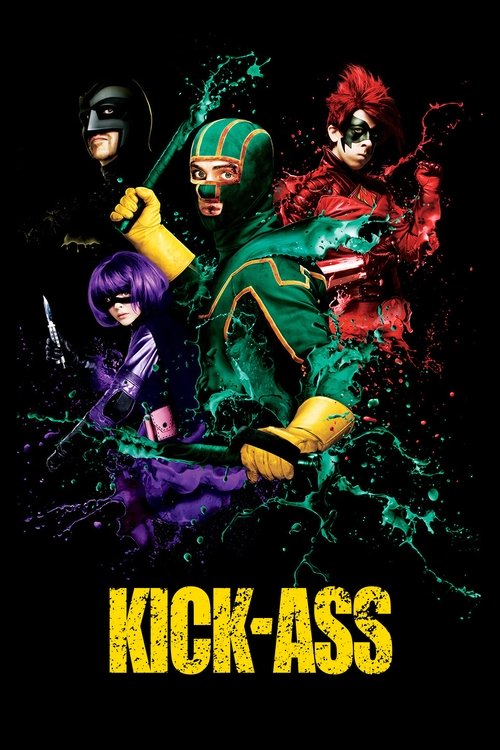
This isn't to say that Argylle, as a film, was universally revered. Critical reception was, to put it mildly, mixed, and I confess I found myself frequently checking my watch rather than marveling at the set pieces. Vaughn, a director whose work on films like Kick-Ass and the early Kingsman: The Secret Service entry I’ve admired for their kinetic energy, seemed to lose the plot here, quite literally. The dizzying twists and turns became more convoluted than clever, and the visual effects, while abundant, rarely felt truly inspired. It’s the kind of film that, frankly, plays much better when you can pause it to fetch a drink or scroll through your phone without guilt. And that's precisely the point.
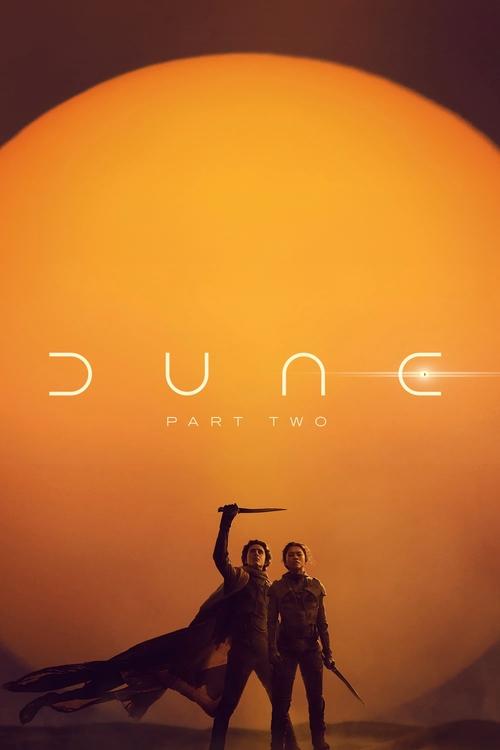
The film struggled to justify its existence on the big screen because it offered so little in terms of genuine cinematic spectacle. As the late, great Roger Ebert once mused, "The movie theater, for a long time, has offered us a space, a ritual, an experience. When that experience no longer distinguishes itself, then it loses its reason for being." Argylle, despite its scale, failed that distinction. It lacked the visual grandeur of a film like Dune: Part Two, which simply demands the biggest screen possible, or the intimate emotional resonance that elevates a quiet drama to a shared experience. It felt, from its inception, like something designed for convenience, not communion.
The Future of Mid-Budget and Original IP
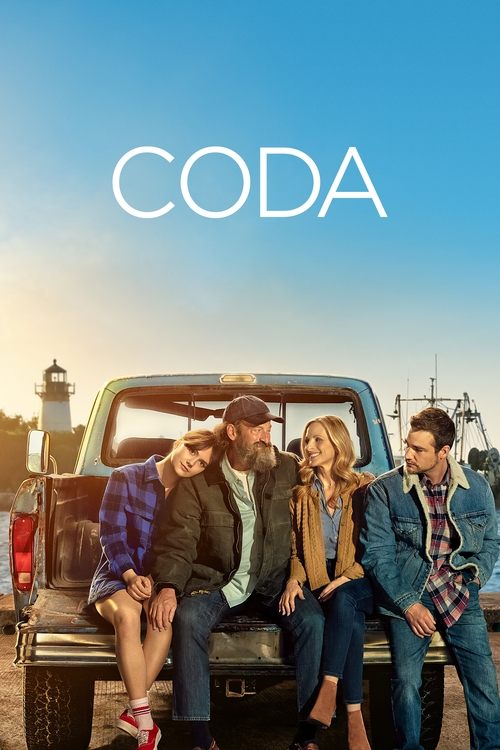
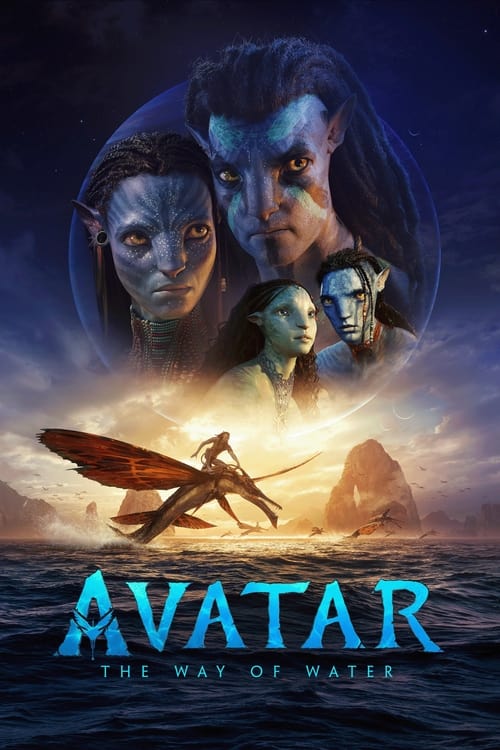
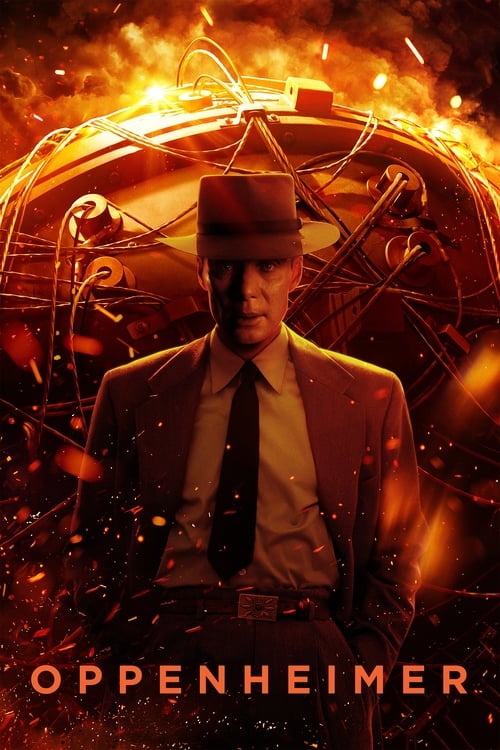
So what does this mean for the future? If streaming services are willing to absorb massive theatrical losses for the sake of subscriber growth, what kinds of films will get made? And more importantly, what will be expected of their theatrical runs? We could see a widening chasm: on one side, true event cinema – the Oppenheimers and the Avatar: The Way of Waters – that absolutely must be seen on a big screen. On the other, everything else, from prestige dramas like Apple's own Oscar-winning CODA, to genre fare like Argylle, will be primarily judged on its ability to drive streaming numbers. The theatrical release becomes a glorified trailer, a necessary evil to generate buzz before the real business of streaming begins.
This is a dangerous path, particularly for original IP and mid-budget films that don't have a built-in fan base or aren't tentpole-sized. They still need that theatrical launchpad to gain cultural traction, but if their success is no longer tied to ticket sales, who is truly incentivized to champion them on the big screen? The communal experience of going to the movies, the shared gasp, the collective laughter – these are not easily quantifiable metrics for a subscription service, but they are absolutely essential to the art form. The Argylle experiment suggests that for some players, cinema is less about art and more about data. And that's a trade-off I’m increasingly unwilling to make.

![Outlander: Seasons 1–5 [Blu-ray]](https://m.media-amazon.com/images/I/71tlWlGdBpL._SL1001_.jpg)


