

I recently caught up with the latest season of For All Mankind, and I have to say, I was underwhelmed. As a film historian, I appreciate the attention to detail and the alternative history that the show presents. However, I couldn't help but feel that the series has lost its way, devolving into a night soap that prioritizes character drama over sci-fi exploration.

Streaming vs. Theatrical: The Current Landscape
The showrunner, Tommy Morgan, has expressed his disappointment with the current state of the series, citing a lack of energy and a shift towards a more grounded, soap-opera-like narrative. I have to agree with him. The show's initial seasons were full of promise, exploring the what-ifs of space travel and the consequences of human exploration. However, the latest season feels like a shadow of its former self, relying on tired tropes and formulaic storytelling.
The Case Study: For All Mankind
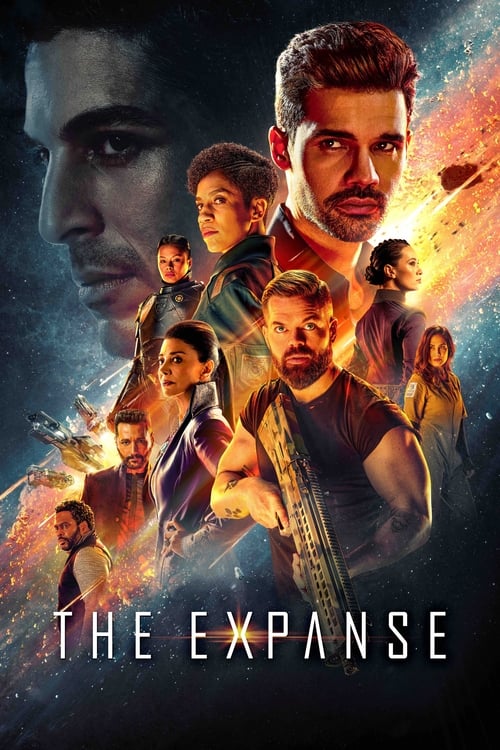
So, what can we learn from the case study of For All Mankind? For one, it highlights the challenges of creating a compelling narrative that balances character development with sci-fi exploration. The show's shift towards a more character-driven approach may have been an attempt to appeal to a broader audience, but it has ultimately watered down the show's unique selling point. As Tommy Morgan noted, the series has become another night soap, imitating the likes of The Expanse without adding anything new or innovative to the genre.
Implications for the Industry
The implications of this case study are far-reaching. As streaming services continue to disrupt the traditional theatrical model, we're seeing a shift towards more niche, character-driven content. While this may be beneficial for some shows, it can also lead to a homogenization of content, where unique voices and perspectives are lost in the noise. As a film historian, I believe that it's essential to strike a balance between character development and genre exploration, creating a narrative that is both compelling and thought-provoking.
In conclusion, the case study of For All Mankind serves as a cautionary tale for the streaming industry. While it's essential to adapt to changing audience preferences, it's equally important to stay true to the unique vision and tone that made a show successful in the first place. As Tommy Morgan so eloquently put it, 'I'm always in awe of writers, directors, musicians, performers and actors. It takes unusual fortitude to do what they do — in front of a camera, for the world to judge, and be constantly in a place of competition and judgement for every performance.' Let's hope that the industry takes heed of this advice and continues to push the boundaries of what's possible in storytelling.

![Outlander: Seasons 1–5 [Blu-ray]](https://m.media-amazon.com/images/I/71tlWlGdBpL._SL1001_.jpg)