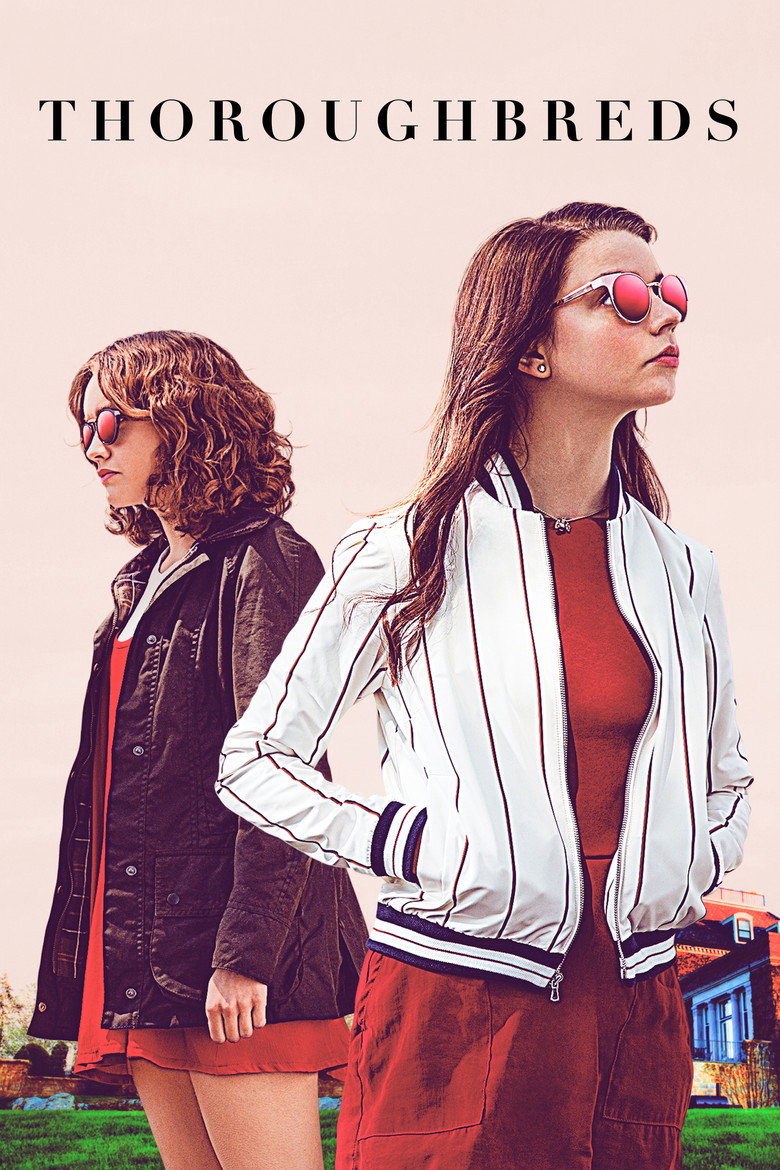
There are films that hit you like a punch to the gut, and then there are films that slip in like a whisper, chilling you to the bone long after the credits roll. Cory Finley’s 2017 directorial debut, Thoroughbreds, is unequivocally the latter. It’s a movie that I still think about regularly, often wondering aloud why it didn't become a cultural touchstone the way other dark comedies of its ilk have. It’s sharp, unsettling, and boasts two of the most captivating performances of the last decade.
I remember seeing it for the first time, probably because Brian had sent me a cryptic text, something like, "Korie, you need to see this movie, it's like Heathers but with more nihilism and horses." And, well, he wasn't wrong. This isn't just a quirky indie; it’s a meticulously crafted psychological thriller wrapped in the glossy veneer of privilege, dissecting the chilling banality of evil with a dry wit that will leave you both laughing and deeply uncomfortable.

A Unique Tone, Sharper Than Any Knife
What sets Thoroughbreds apart immediately is its absolutely distinct tone. Finley, who also wrote the screenplay, orchestrates a darkly comedic ballet between the suburban ennui of its setting and the sinister intentions of its protagonists. The film opens on the sterile opulence of Lily (Anya Taylor-Joy)’s life, whose strained relationship with her tyrannical stepfather, Mark (Paul Sparks), fuels a quiet desperation. Enter Amanda (Olivia Cooke), Lily’s childhood friend, recently reintroduced into her life after a brutal incident involving a horse. Amanda, diagnosed with antisocial personality disorder, feels nothing – or at least, claims to. Her blunt honesty and inability to feign emotion make for some truly hilarious, albeit disturbing, exchanges.
The cinematography, by Lyle Vincent, is crisp and clinical, often framing the girls in wide shots that emphasize their isolation within their luxurious surroundings. The deliberate pacing and often static shots allow the tension to build almost imperceptibly, punctuated by moments of startling bluntness. It’s less about jump scares and more about the creeping dread of what these two seemingly ordinary, albeit deeply troubled, young women might be capable of. The score, by Erik Friedlander, is just as unsettling, a string-heavy, minimalist pulse that underscores the film's ominous atmosphere without ever overwhelming it.
The Performances You Can't Unsee
But let’s be honest, the real engine of this film, and why it resonated so deeply with me, are the performances by Olivia Cooke and Anya Taylor-Joy. Cooke’s Amanda is a masterclass in understated menace. She delivers her lines with an unsettling calm, whether discussing the intricacies of murder or simply stating her emotional detachment. Her deadpan delivery is perfect, allowing us to simultaneously be repulsed by and fascinated by her lack of empathy. Taylor-Joy, as Lily, is equally compelling, her character a swirling vortex of suppressed rage, class anxiety, and a desperate desire for control. We watch her carefully constructed facade crack and crumble under Amanda’s influence, revealing the darkness lurking beneath her polished exterior.
Their chemistry is electric and twisted, a bizarre symbiotic relationship where one's emotional void perfectly complements the other's simmering resentment. And then there's the late, great Anton Yelchin, in one of his final roles, as Tim, a small-time drug dealer caught in their web. Yelchin brings a surprising depth and vulnerability to a character who, in lesser hands, might have been a caricature. His scenes ground the film in a fleeting sense of reality, even as the girls’ plans grow increasingly outlandish.
Subtlety, Satire, and Suburban Rot
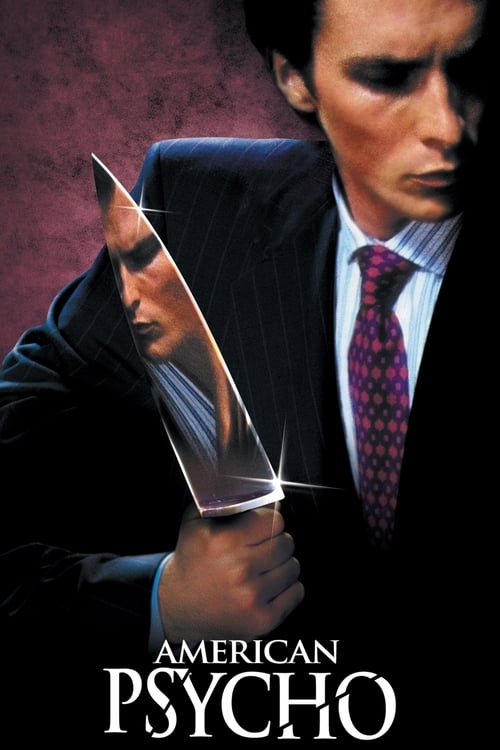
Thoroughbreds isn't just a stylish thriller; it’s a biting satire on the absurdity of privilege and the lengths people will go to maintain it. It echoes films like American Psycho in its unflinching look at the soullessness that can breed in extreme wealth, though with a decidedly more contained, intimate scope. Finley never resorts to overt moralizing; instead, he trusts the audience to connect the dots, to feel the uncomfortable truth of what happens when emotional intelligence is replaced by transactional logic, especially when money can solve—or, at least, cover up—most problems. The film suggests that while Amanda might be clinically unable to feel, Lily's emotional state is a product of her environment, a twisted manifestation of societal pressures and a desire for freedom from an oppressive patriarchal figure.
This isn't a film about good versus evil in any traditional sense. It's about two individuals, both broken in their own ways, finding a terrifying synergy. It’s a quiet scream against the gilded cage of suburban perfection and the psychological toll it takes, particularly on young women. The film doesn’t offer easy answers, nor does it let its characters off the hook. Instead, it invites us to ponder the nature of cruelty, complicity, and the often-unseen struggles beneath the surface of seemingly perfect lives.
So, if you’re looking for a film that will genuinely stick with you, a film that challenges and provokes while being utterly engrossing, then you owe it to yourself to track down Thoroughbreds. It’s a cinematic thoroughbred in every sense: sleek, powerful, and absolutely unforgettable.

![Outlander: Seasons 1–5 [Blu-ray]](https://m.media-amazon.com/images/I/71tlWlGdBpL._SL1001_.jpg)