
To speak of Stanley Kubrick is to invoke not merely a director, but an entire philosophy of filmmaking, a singular pursuit of cinematic truth that often felt like a cold, unblinking examination of the human condition. He didn't just make films; he constructed meticulously engineered experiences, each one a universe unto itself, demanding engagement, often challenging, and always unforgettable. From his earliest forays into noir to his final, enigmatic vision, Kubrick remained the ultimate auteur, a filmmaker whose name is synonymous with uncompromising artistry and intellectual rigor. He was, in the words of Pauline Kael, "the perfect control freak," and cinema is demonstrably richer for it.
The Architect of Worlds
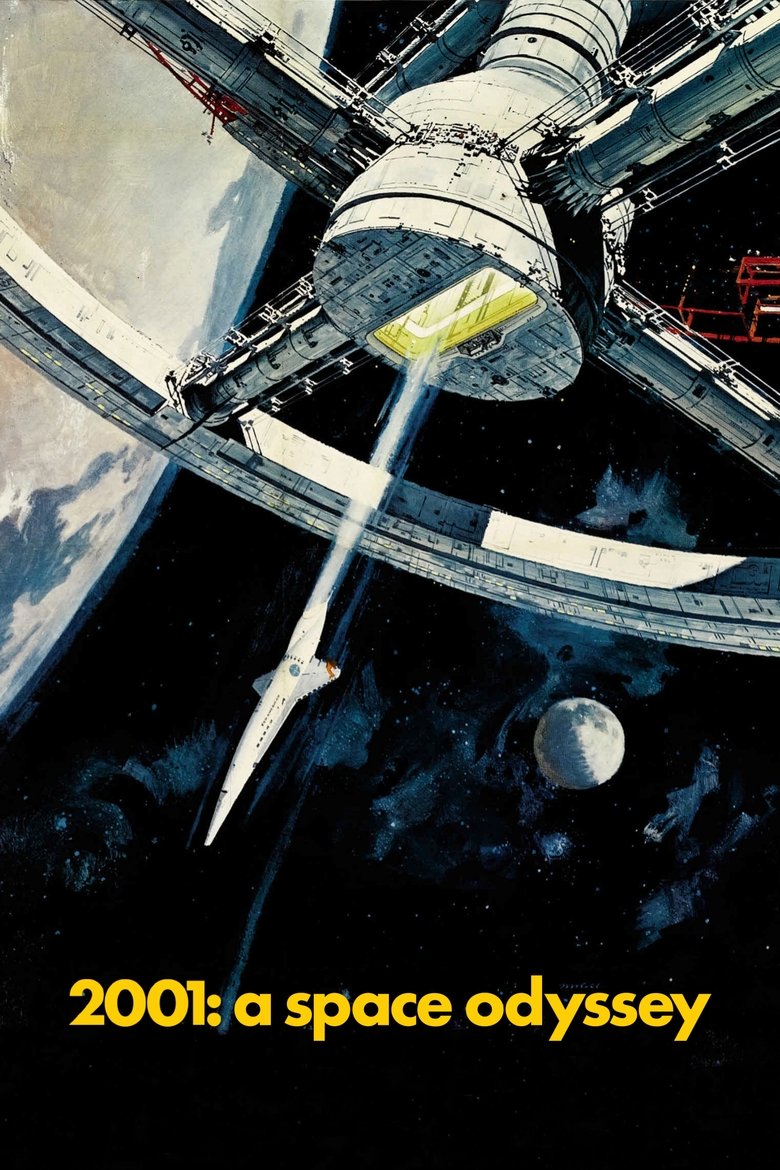
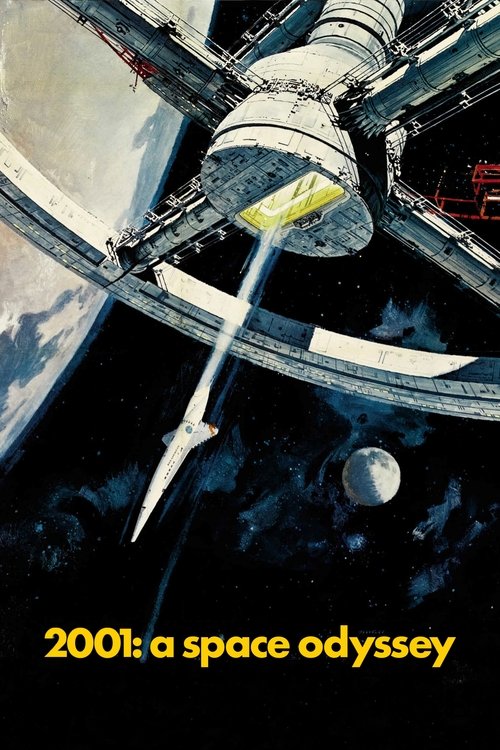
Kubrick's genius lay in his absolute command of the medium, a control so profound it transcended mere technique to become an extension of his unique vision. His signature aesthetic—the immaculate compositions, the unsettling symmetry, the glacial tracking shots that invite us to observe rather than merely watch—is unmistakable. Consider the breathtaking visual poetry of 2001: A Space Odyssey (1968), where every frame is a testament to his obsession with detail, pushing the boundaries of what was thought possible in special effects and narrative abstraction. Or the sublime, painterly cinematography of Barry Lyndon (1975), shot almost entirely with natural light and custom-made Zeiss lenses, recreating 18th-century painting with a fidelity that remains astounding. He was a director who truly understood the power of the image, the subtext conveyed in a carefully placed prop or the precise movement of a camera. He wasn't just telling a story; he was building a world, brick by meticulously chosen brick.

The Cold Gaze of Humanity
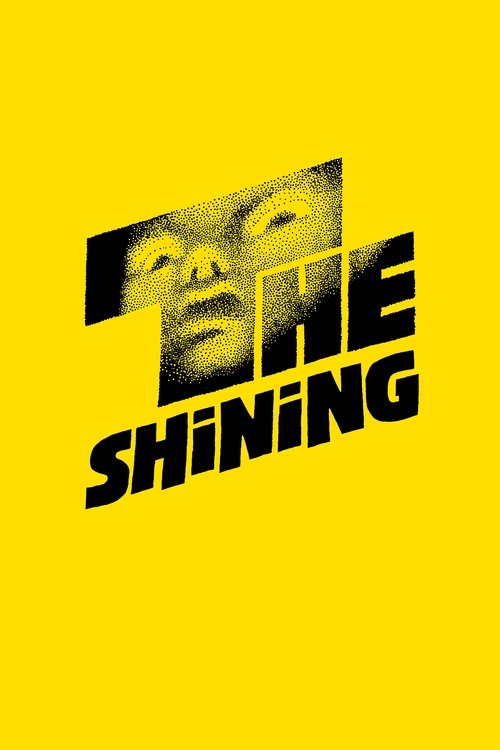
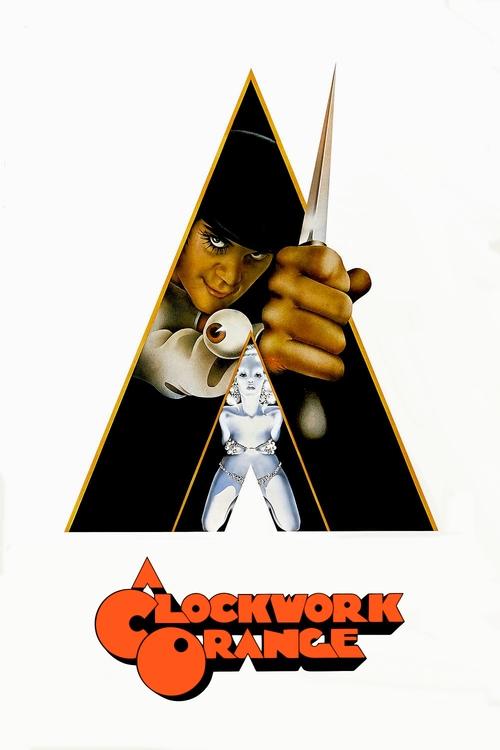
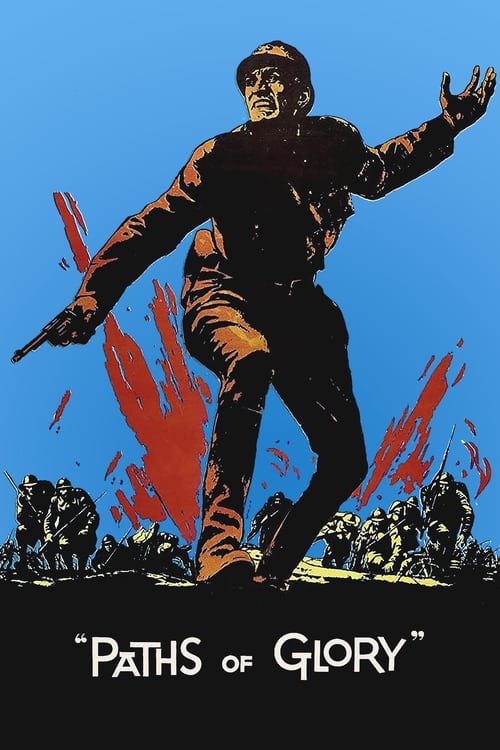
Beyond the exquisite visuals, Kubrick's films consistently probed the darker, more unsettling aspects of human nature. He held a mirror to our anxieties, our hubris, and our capacity for both intellectual brilliance and unimaginable cruelty. From the cynical dissection of war in Paths of Glory (1957) to the absurd nuclear brinkmanship of Dr. Strangelove (1964), he exposed the madness lurking beneath the veneer of civilization. He explored the dehumanizing effects of institutions and technology, whether it was the conditioning in A Clockwork Orange (1971) or the sentient, murderous AI of HAL 9000. And then there's The Shining (1980), a psychological horror masterpiece that transforms a haunted hotel into a terrifying canvas for generational trauma and domestic collapse, where Jack Torrance's descent into madness is portrayed with an almost clinical detachment that only heightens its terror. His characters are often archetypes trapped within systems, struggling against or succumbing to forces beyond their control, forcing us to confront uncomfortable truths about ourselves.

Beyond the Frame: Kubrick's Legacy
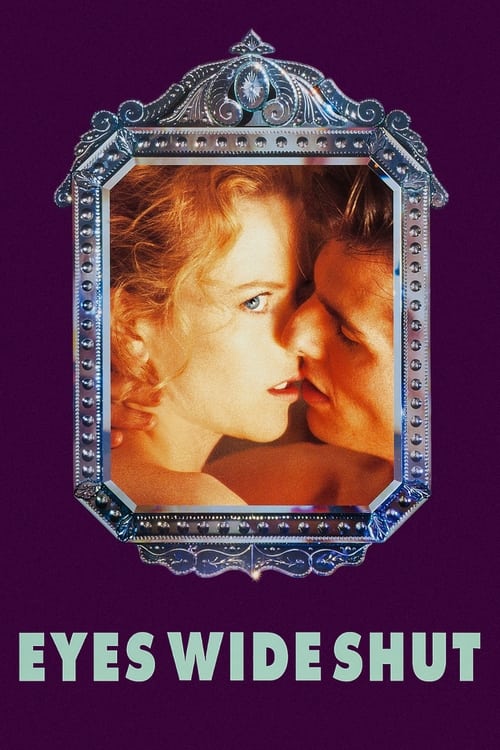
Kubrick’s influence on cinema is immeasurable, evident in everything from the precision of Wes Anderson's framing to the existential dread of modern sci-fi. He was a filmmaker who never repeated himself, constantly reinventing his genre and pushing formal boundaries with each new project. His refusal to compromise, his legendary perfectionism that led to endless takes and painstaking research, ensured that every film was a definitive statement. He built a body of work that doesn't just entertain; it provokes, it challenges, it demands thought and re-evaluation with every viewing. Even his final film, Eyes Wide Shut (1999), a complex and unsettling exploration of sexual anxiety and societal masks, arrived after a famously long production, a fittingly enigmatic capstone to a career dedicated to peering into the shadowed corners of the human psyche.
To truly appreciate cinema, one must grapple with Stanley Kubrick. His films are not passive entertainment; they are profound, sometimes disturbing, investigations into what it means to be human. They stand as monuments of meticulous craft and intellectual ambition, a testament to a director who saw the potential of film to be both art and philosophy, and pursued that vision with an intensity that few have ever matched. He didn't just make movies; he left us riddles of the soul, etched in celluloid, forever waiting for us to solve.

![Outlander: Seasons 1–5 [Blu-ray]](https://m.media-amazon.com/images/I/71tlWlGdBpL._SL1001_.jpg)


