
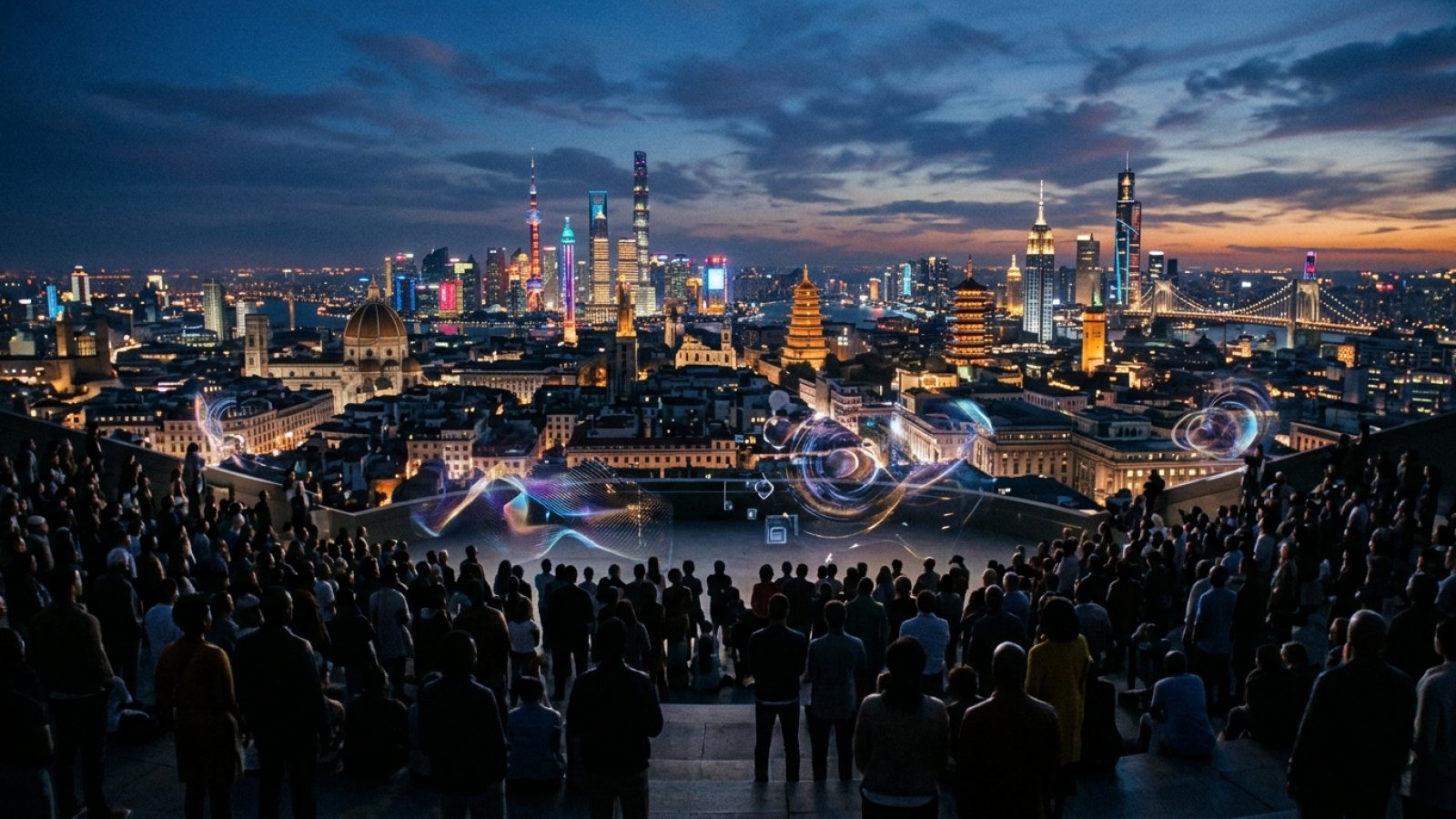
It’s a peculiar thing, the arithmetic of modern cinema. We often fixate on the opening weekend numbers, the domestic haul, as if a film’s entire worth can be distilled into those initial ticket sales. But every now and then, a movie comes along that defies this narrow perspective, a film that struggles to find its footing on home soil only to soar across international markets. Luc Besson’s maximalist space opera, Valerian and the City of a Thousand Planets, is a textbook example of this increasingly common phenomenon.
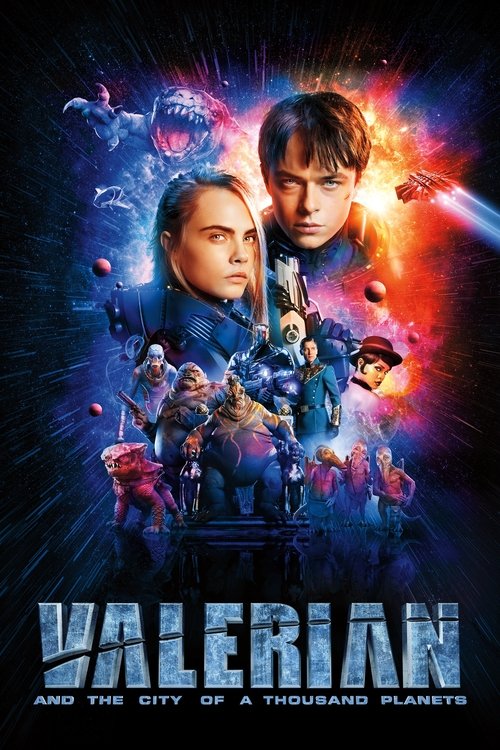
Released in 2017, Valerian, an adaptation of the beloved French comic series, was a colossal undertaking. With a reported budget north of $170 million, it was, at the time, the most expensive independent European film ever made. Domestically, it limped to a paltry $41 million. By Hollywood’s traditional metrics, this was an unmitigated disaster. And yet, globally, Valerian went on to earn over $190 million, pushing its worldwide total to a respectable (if still challenging) $230 million. It’s a compelling case study, not just in cinematic ambition, but in the evolving, borderless economy of film distribution.
Besson's Big Bet
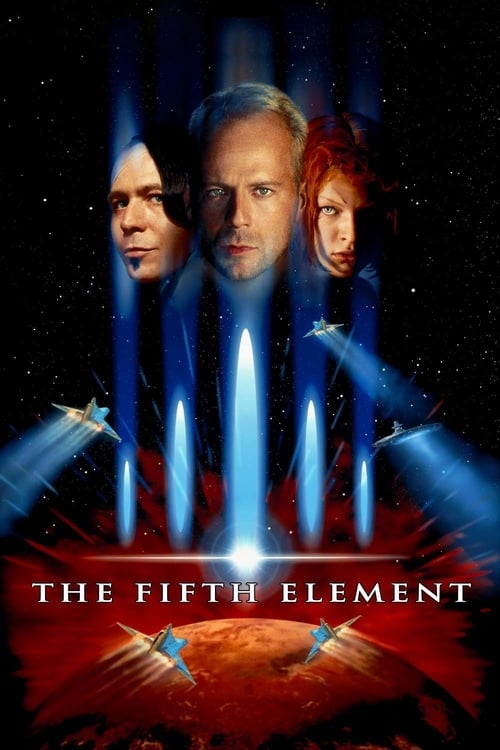
Luc Besson, of course, is no stranger to grand, visually arresting sci-fi. His earlier work, The Fifth Element from 1997, captivated audiences with its vibrant, idiosyncratic vision and became a global cult classic. With Valerian, Besson doubled down on that aesthetic, creating a universe of astounding detail and kaleidoscopic alien species. The film is a feast for the eyes, a relentless barrage of ingenious production design and effects work. It’s the kind of movie Pauline Kael might have once dismissively called “dumb splendor,” but sometimes, splendor is precisely what the audience craves. For all the critical hand-wringing about its occasionally wooden performances or conventional narrative beats, you cannot deny its commitment to visual world-building. That spectacle, I believe, is key to its international appeal.
Decoding the Disparity
So, why did a film so rich in visual imagination stumble domestically but thrive elsewhere? Part of it is Besson himself. He is a director with a significant, established fanbase in Europe and Asia, where his distinctive blend of action, humor, and visual panache resonates deeply. His films often feel distinctly European, eschewing some of Hollywood's more rigid narrative conventions. This unique voice, which can sometimes be a harder sell in the American market, is celebrated abroad. Furthermore, sci-fi epics with groundbreaking visual effects often play exceptionally well in markets like China, which contributed a substantial portion of Valerian’s international gross. The visual effects team, led by Weta Digital and ILM, delivered a masterclass, proving once again that a truly immersive cinematic experience transcends linguistic and cultural barriers.
The Long Game of Distribution
This differential performance underscores a critical shift in how studios approach financing and distribution. For a film like Valerian, international pre-sales and co-production deals are not merely an added bonus; they are fundamental to its very existence. Tommy Morgan, a filmmaker himself and the driving force behind CinemaDialogue, often reminds us that in this industry, the creative vision must always be balanced by strategic savvy. Studios are increasingly tailoring marketing campaigns for specific regions, understanding that what sells tickets in Topeka might not resonate in Tokyo. The global marketplace now demands a nuanced understanding of diverse audience appetites. It’s no longer just about exporting American culture; it's about crafting stories and experiences that have universal resonance, even if that resonance manifests differently in various territories. Think of the universal acclaim for a film like Mad Max: Fury Road or the groundbreaking visual storytelling of Life of Pi; these are films that understand the global grammar of cinema.


A Spectacle of Character
While the visual grandeur of Valerian is undeniable, its character development, particularly for its two leads, often feels a little thin against the vast backdrop of Alpha. Roger Ebert, ever the champion of character-driven narrative, might have found the emotional core somewhat lacking, subsumed by the overwhelming spectacle. And yet, for many international audiences, particularly those accustomed to a different style of blockbuster storytelling, the grandiosity itself can be the character. The vast, intricate tapestry of the City of a Thousand Planets becomes a character in its own right, its survival and evolution often more compelling than the personal journey of its protagonists. This isn't to say character doesn't matter, but rather that its presentation and emphasis can shift depending on cultural expectations. In the end, Besson's film is a testament to the idea that sometimes, the audacity of imagination can be its own reward, finding its most fervent admirers not where it was made, but where its vision was truly understood.
Valerian might not be a perfect film, but its journey from domestic struggle to international success offers a vital lesson: in today’s interconnected world, a film’s ultimate legacy is rarely determined by a single market. The global audience is diverse, discerning, and increasingly, the arbiter of what truly endures.