

Twenty years have passed since Alfonso Cuarón's Children of Men (2006) first graced our screens, and its chilling vision of a world without a future feels not like a relic, but an urgent dispatch from an ever-encroaching tomorrow. This isn't merely a dystopian thriller; it is a profound testament to the power of cinema to reflect, to warn, and to elevate, even amidst the deepest despair. Our producer, Tommy Morgan, often discusses the films that resonate deepest with him, films that carry a genuine emotional weight. I suspect Children of Men sits high on that list for him, as it absolutely does for me.

A Bleak Future, Uncomfortably Close
The film plunges us into a near-future Britain, the last bastion of a dying humanity, where global infertility has rendered our species extinct-in-waiting. While other films in the genre might revel in facile spectacle, Children of Men grounds its bleak premise in a meticulously rendered reality. Cuarón doesn't just show us a world in decline; he makes us feel the claustrophobia of a society that has lost its collective will to live, resorting to fascistic control and xenophobic paranoia. It's a remarkably prescient narrative, echoing current anxieties about societal breakdown, the refugee crisis, and political extremism with an uncomfortable clarity that few contemporary films have matched since. Pauline Kael, with her customary acuity, once wrote of a film that it 'takes on a life of its own, an almost physical presence,' a sentiment perfectly applicable to the tactile, lived-in world Cuarón builds here.
The Immersive Power of the Long Take
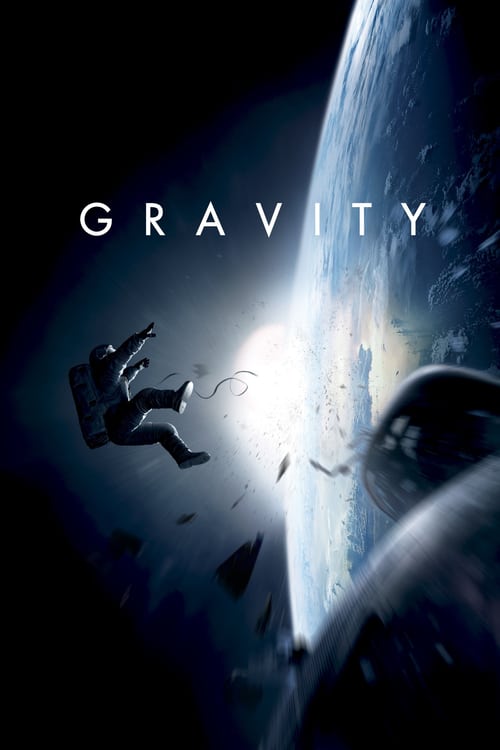
To speak of Children of Men without revering the work of cinematographer Emmanuel Lubezki is to miss its very pulse. The film is famous for its audacious, seemingly impossible long takes – the ambush in the car, the single-shot sequence through the besieged apartment building, the harrowing escape through a war-torn refugee camp. These aren't mere technical flourishes; they are immersive tools, stripping away the comforting artifice of the cut, forcing the viewer into the visceral, relentless present of the characters. Lubezki’s camera becomes another character, an unblinking witness, moving with a balletic precision through chaos. This technique, honed by Cuarón and Lubezki in films like Y tu mamá también (2001) and later perfected in Gravity (2013) and Roma (2018), creates an emotional immediacy that is both exhausting and exhilarating. It’s an heir to the classical mastery of blocking we saw in, say, Hitchcock’s Rear Window (1954), but reinvented for kinetic, brutal action.



Hope Amidst the Rubble
Clive Owen’s performance as Theo Faron, a jaded bureaucrat roused from his apathy, is the anchor for this brutal odyssey. He embodies the weariness of a world that has given up, and his reluctant, incremental steps towards rediscovering purpose are profoundly moving. The film trusts its actors to convey the weight of its world through their actions and reactions, not exposition. Julianne Moore, Chiwetel Ejiofor, and Michael Caine, in particular, deliver nuanced performances that never feel less than authentic, even in the face of fantastical circumstances. It is their humanity, battered but not broken, that allows the film's faint glimmer of hope to truly resonate. The infamous 'baby scene,' when the cacophony of war momentarily ceases, isn't manipulative; it’s a moment of pure, almost spiritual, grace earned through unrelenting brutality. It reminds us of the core of human connection even as the world around it disintegrates.
Children of Men remains a masterpiece not just of visual storytelling, but of thematic depth. It's a film that demands to be revisited, not simply to admire its technical brilliance, but to confront its uncomfortable truths. It asks us what we owe to the future, even when that future seems utterly foreclosed. Its power has not diminished; it has only intensified, solidifying its place as a truly essential work of the 21st century.

![Outlander: Seasons 1–5 [Blu-ray]](https://m.media-amazon.com/images/I/71tlWlGdBpL._SL1001_.jpg)


