
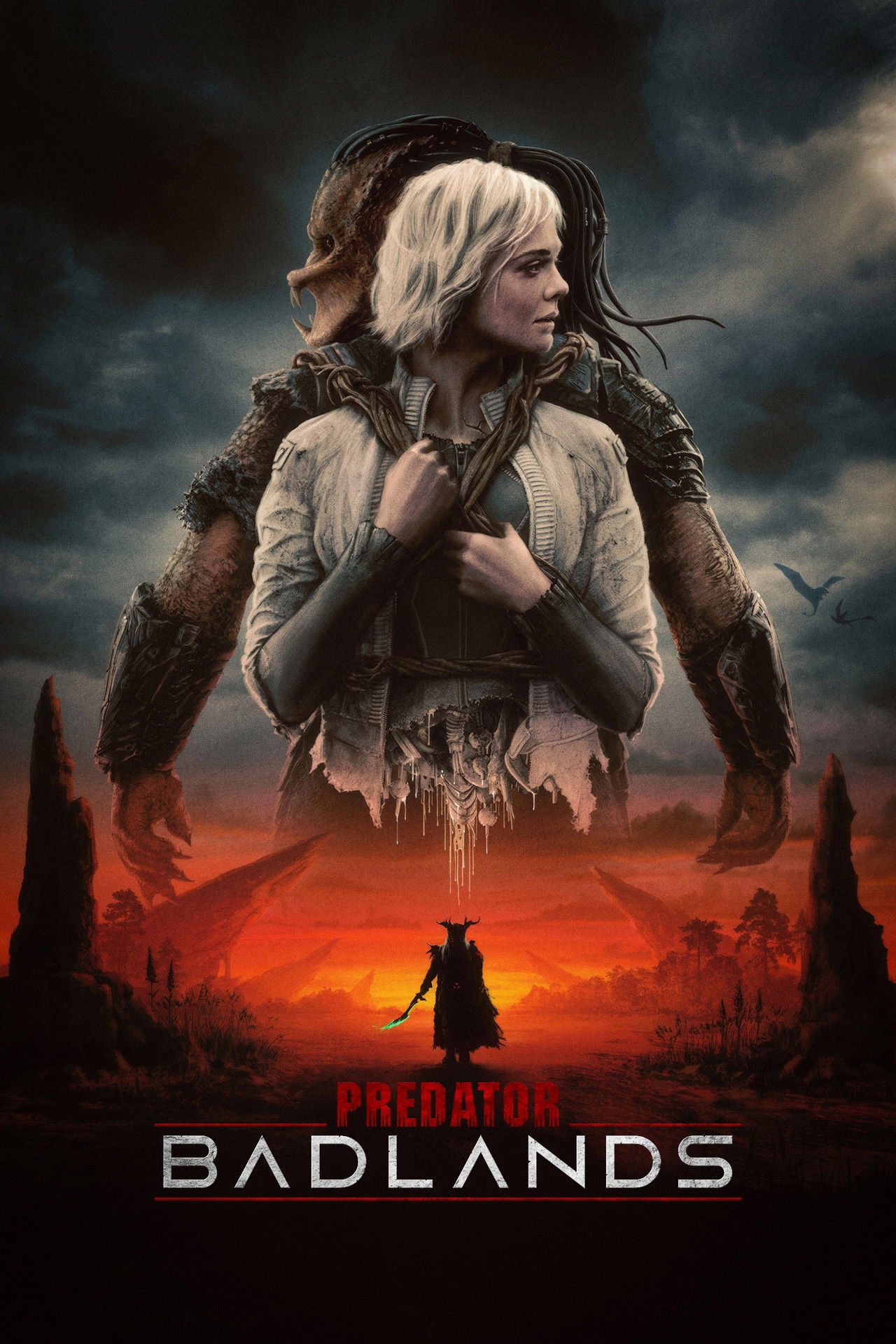
From Antagonist to Protagonist: The Inversion
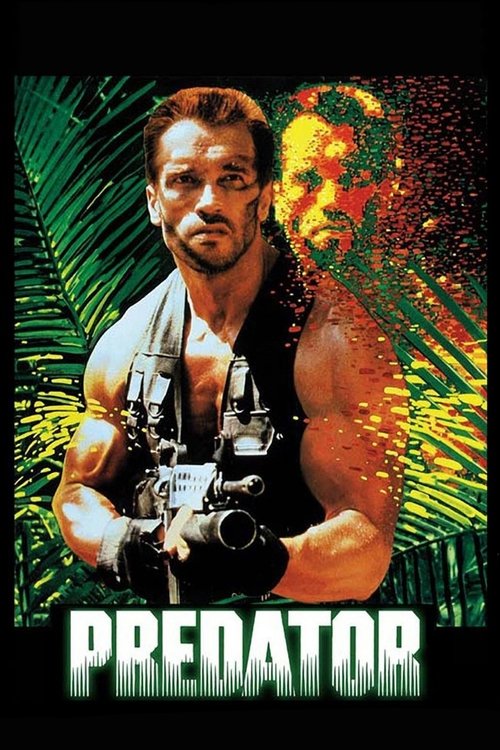
For four decades the Predator has been the thing in the trees. The unseen stalker. The invisible hunter Schwarzeneggers Dutch had to scrape mud on his face to evade in McTiernans 1987 original. Across sequels and crossovers — Predator 2, Predators, The Predator, the Alien vs. Predator films — he has been, almost without exception, the antagonist. The shape that erupts from cloak. The apex villain with the skull trophies and the plasma caster and a code of the hunt you only glimpse before the blood spray.
Badlands inverts that completely. The Yautja is the hero. We ride his journey. We understand his stakes. And the film is patient enough to let us want him to win — not because the rules of the hunt have changed, but because we finally see the hunter as someone with a name, a lineage, and something to prove.
Its a maneuver the franchise only began reaching for with Trachtenbergs Prey in 2022, where the Comanche warrior Naru was the actual protagonist but the Feral Predator still read as antagonist. Badlands goes the last distance. The villain is the hero. The monster is the myth's center.
The Klingon Comparison: A Warrior Culture, Rendered Whole
There is a particular shape to what the film does with Yautja culture that feels less like Alien and more like Star Trek. When Worf first walks onto the bridge of the Enterprise-D in The Next Generation, the Klingons are already a worked-out civilization: ritual combat, mek'leth and bat'leth, bloodlines and oaths, the Day of Honor, Sto'Vo'Kor. Worf is “almost human” precisely because we see his warrior-culture code running parallel to Starfleets, and we watch him negotiate between them.
Badlands gives the Yautja the same treatment. The Predators “brutalski culture,” as Showrunner Tommy Morgan described it in his week-ahead notes, is not a two-line world-bible footnote; its a lived civilization. Family honor. Ritual. A hierarchy of strength. Exile as a fate worse than death, because it disconnects you from the bloodline that gives your life weight. The hero — the runt cast out to prove himself — is carrying all of that inheritance on his back.
Thats why the audience bonds with him. Its the same mechanism that makes Worf work. You can recognize the architecture of his honor even when you dont share its premises, and once you recognize it, youre rooting for him to satisfy it.
Placing Badlands in the Alien / Predator Canon
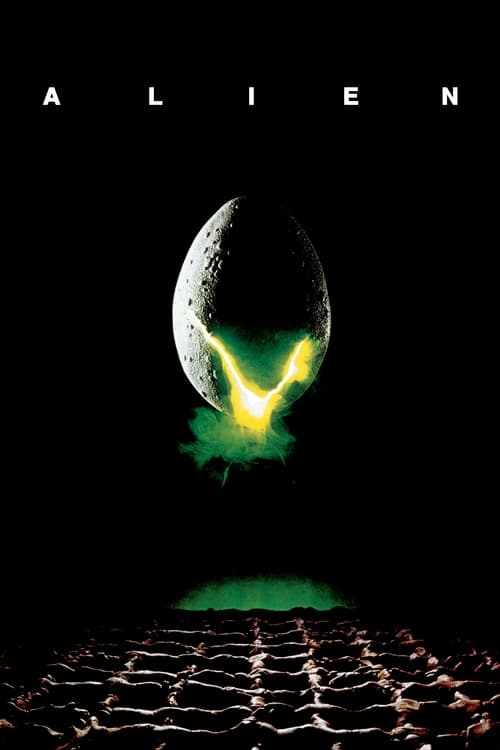
The twin franchises have always talked to each other, even when they werent literally sharing a screen. Ridley Scotts Alien (1979) and James Camerons Aliens (1986) gave the cinematic monster its contemporary template: the thing in the dark, biology-as-nightmare, industrial horror dressed as science fiction. McTiernans Predator (1987) was in some ways a jungle-flipped response — trade the corridors for the canopy, trade the drone Xenomorph for a trophy-hunting aristocrat.
Over the years the blood kept mixing. The Xenomorph skull in the Predator 2 trophy case. The Alien vs. Predator crossovers. The expanded mythology of Prometheus and Alien: Covenant giving the Xenomorph an origin in Engineer genetic experiments. Alien: Romulus (2024) bringing the timeline home. Trachtenbergs own Prey (2022) establishing that the Predator has been visiting Earth for centuries.
Badlands slots into that canon sideways. Its not a sequel to anything and not a prequel to anything; its a character piece from inside the culture weve only ever seen from outside. Its the Yautja equivalent of what Prometheus tried to do for the Engineers — peel back the monster and find a civilization. Where Prometheus stumbled in tone and philosophy, Badlands sticks the landing by staying small and personal: one warriors exile, one quest for honor, one dangerous planet.
The Planet as Antagonist
With the hunter as hero, the film needed a new villain, and it found one in the world itself. The alien planet of Badlands is not a set dressing. Its the opposition.
The story is populated by “naturally occurring enemies in plant life and other dangers,” as the weeks screening notes put it — flora that hunts, terrain that kills, biology that surprises. The Predators own fearsome kit — the thermal vision, the cloak, the plasma caster — reads differently when the environment keeps threatening to kill him anyway. What used to be an unfair advantage becomes basic survival gear. The hunters been demoted to prey, at least as far as the planet is concerned, and the audience gets to watch him earn back his standing.
Its a narrative trick the Alien franchise has always been good at — LV-426, Fiorina “Fury” 161, LV-223 — making the location itself into an active participant. Badlands inherits that tradition cleanly, and the result is an environment that feels genuinely alien instead of generic.
The Android Companion: Rapport Without Exposition
The other masterstroke is the pairing. The Yautja protagonist saves an android, and the resulting double-act does most of the films interior work. Theres very little expository dialogue between them — the Predator speaks Yautja and the androids personality reads more through behavior than speech — and yet the partnership builds trust, stakes, and a shared code almost entirely in gesture and consequence.
That kind of wordless rapport is hard. It requires the director to trust the audience, and it requires a visual grammar where the audience feels rewarded for paying attention. Badlands delivers both. The android becomes the films emotional periscope — the not-quite-human perspective on a not-quite-human hero — and the friendship between them lands exactly as hard as a spoken conversation would have.
Why This Matters: Anthropomorphizing the Monster
Theres a reason big franchises keep reaching for the villain-becomes-hero inversion. Maleficent tried it. Joker tried it. Cruella tried it. A handful succeeded, plenty didnt. The move is harder than it looks because softening the antagonist usually means draining whats interesting about them.
Badlands avoids that trap by refusing to soften the Yautja. He is still brutal. He still hunts. He still kills on instinct and earns honor through combat. What changes is context: we see his exile, his family, the culture he was cast out of, and the bone-deep code that drives him to return to it with his dignity intact. Hes anthropomorphized in that we finally read him as a person — but its the same person whod take your skull if you crossed him on a different day.
Thats the right way to do it. Not softer — clearer. And the result is that the audience leaves with a relationship to a character who, before this film, was just a shape in the trees. The Predator franchise has been handed a new center of gravity. Where it takes that inheritance next is now a much more interesting question than it was before November 2025.
Also this week: Where Sci-Fi Delivers and Spinoffs Miss · Project Hail Mary as Premium Sci-Fis Disclosure Rehearsal · Outcome: A Keanu Reeves Vehicle That Loses Its Way

![Outlander: Seasons 1–5 [Blu-ray]](https://m.media-amazon.com/images/I/71tlWlGdBpL._SL1001_.jpg)