The Consummate Actor at Full Stretch
Ethan Hawkes filmography is one of the most consistent in American cinema. From the intellectual romantic of Richard Linklaters Before Sunrise (1995) and its trilogy siblings, to the morally compromised narcotics detective in Antoine Fuquas Training Day (2001), to the haunted clergy of Paul Schraders First Reformed (2017), hes built a career on a specific skill: filling the quiet space between lines. He doesnt over-act. He tunnels.
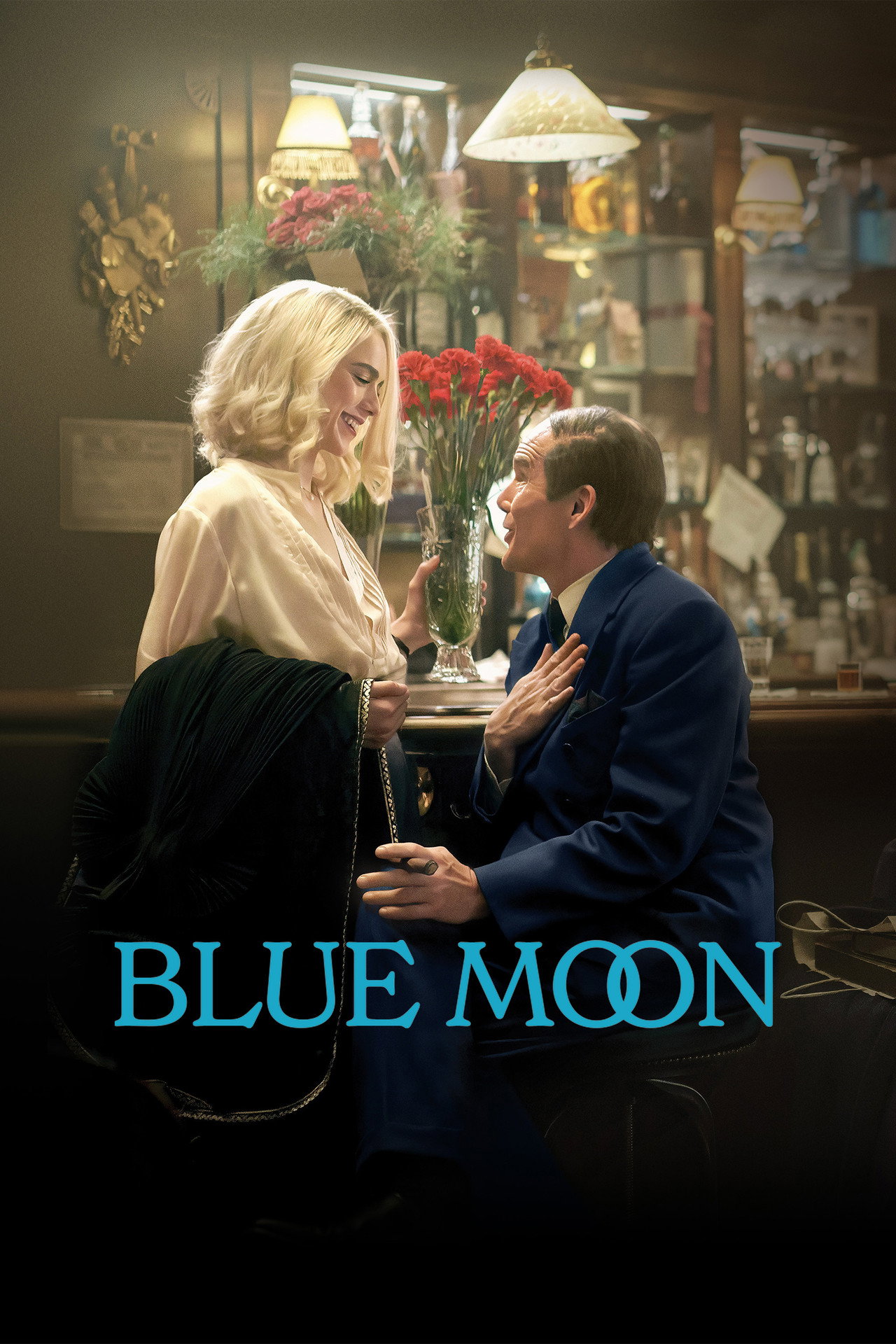
In Blue Moon hes at full stretch. What Showrunner Tommy Morgan called a “stellar performance” is exactly that — a testament to Hawkes reputation as a “consummate actor.” He brings intensity and vulnerability in equal measure, digging into the psyche of a man wrestling with internal demons and external pressures, and reading the character in every subtle gesture and nuanced line. Watch his hands. Watch his posture change in the scenes of private thought. Thats the whole show.
Hawkes Range: A Quick Map
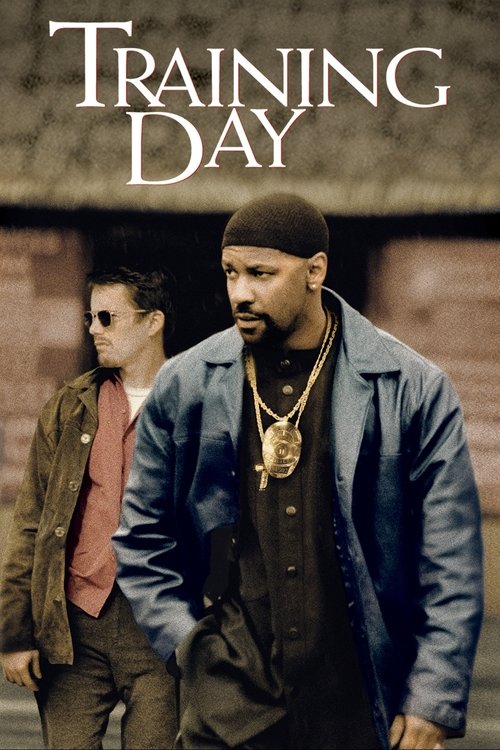
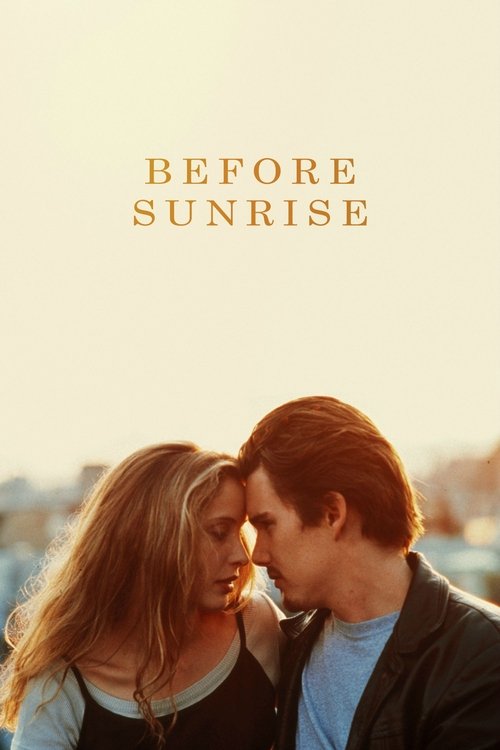
Theres a useful way to place Blue Moon in Hawkes arc. The Before trilogy gave us his intellectual-romantic register — earnest, searching, literate. Training Day gave us his wary moral-compass register — the decent cop in a rotten room. Boyhood gave us his patient-father register, aging in real time. First Reformed gave us the haunted one — a man losing a battle with his own theology.
Blue Moon sits somewhere between First Reformed and the Before films. Its a role about a man privately negotiating with himself while the outside world keeps asking him to perform. Hawkes technique for that kind of material is built on twenty-plus years of practice, and you can feel the muscle memory. He knows exactly how much of the interior to let leak to the surface. Thats not instinct alone — thats craft.
The Wig, and Why It Matters
And then theres the problem.
Tommy — never one to pull a punch on craft — noted that he “kept getting distracted by the poorly done hair piece he wore to portray the characters balding.” Thats the kind of detail that should be invisible. Its not. Its a cosmetic artifact of the production, and in a film where so much else is built on the viewers immersion in Hawkes micro-expressions, the wig keeps breaking the spell.
This is the unglamorous truth about performance cinema: the whole illusion lives or dies on technical details an audience isnt supposed to notice. A soft prosthetic edge. A color-match on a hairpiece. A beat of ADR that doesnt quite lip-sync. When any of those show the seam, the actor is suddenly acting a part again rather than being a character, and the work you were doing as a viewer — the empathy you were loaning — collapses into skepticism.
The Riskiest Job in Show Business
This is where Tommys standing observation about performers belongs, because it frames the frustration precisely. As he puts it:
Im always in awe of writers, directors, musicians, performers and actors. It takes unusual fortitude to do what they do — in front of a camera, for the world to judge, and be constantly in a place of competition and judgement for every performance. This takes a special kind of resilience and internal fortitude that makes them exceptional. To risk being made a fool as an actor — this is one of lifes riskiest ventures and not for the timid. My critiques — just another guys opinion; keep doing what you do!
Hawke takes that risk every time he clocks in, and Blue Moon is Exhibit A for what that risk looks like rewarded with craft. Even with that distracting scalp, hes pushing the boundaries of what a performance can achieve. The subtlety is there. The presence is there. The work is extraordinary in ways a lesser prop couldnt destroy.
The Takeaway: See It for Hawke, Forgive the Head
Despite the cosmetic flaw, Hawkes work here deserves recognition for its sheer artistic bravery. This is the kind of performance that rewards repeat viewing — you catch new grace notes, new small choices, every time. Go see it for him. Be mildly patient with the production design choice that should have been caught at the hair-and-makeup table. And take the lesson: craft is a whole ecosystem. One weak link in the chain pulls on everything else, no matter how luminous the central work is.
Also this week: Predator: Badlands — When the Villain Becomes the Hero · Marshals — Standing Down on the Yellowstone Spinoff · Outcome: A Keanu Reeves Vehicle That Loses Its Way

![Outlander: Seasons 1–5 [Blu-ray]](https://m.media-amazon.com/images/I/71tlWlGdBpL._SL1001_.jpg)